
История Церкви. Часть 2: Когда мир захватил Церковь (400–1400 гг. н.э.)
Примечание: Этот пост составлен на основе второй лекции Дэвида Поусона из серии История Церкви (часть 2: 400–1400 гг. н. э.), продолжительностью около 69 минут. Как и в части 1, я…
В этом эссе AI помогал искать источники, проверять факты, переводить и редактировать; аргументы и выводы — автора.
Линия рассуждения, смысл и выводы принадлежат самому автору. Решение, каким источникам доверять и как их понимать, остаётся с автором, а не с инструментами.
Инструменты AI использовались для поиска источников, проверки тезисов по ним, широкого чтения по теме, перевода текста между английским и вьетнамским, а также для грамматики, ясности и ритма фраз.
Найденное ими — материал для взвешивания, а не вердикт. Автор решил, что сказать в эссе, что опустить и что это означает.
Эссе выходит под именем автора. Автор отвечает за него, включая всё, что впоследствии окажется ошибочным.
Параллельно
Примечание: Этот пост составлен на основе второй лекции Дэвида Поусона из серии История Церкви (часть 2: 400–1400 гг. н. э.), продолжительностью около 69 минут. Как и в части 1, я не угадываю и не приукрашиваю: каждый основной аргумент исходит непосредственно от Поусона. Всякий раз, когда я что-либо проверял, сверял с источниками или исправлял, я вплетал это в текст как янтарное примечание на полях. Особенно в этой части, поскольку лекция затрагивает наиболее спорные участки церковной истории, я также читаю других историков и проповедников, чтобы вы услышали более одного голоса.
Самая несчастливая история
Часть 1 рассказала, как Церковь захватила мир в первые четыре века: она выиграла физическую битву, страдая, умственную битву, столкнувшись с ересью, и духовную битву, твердо выступив против других религий.
Поусон говорит, что есть одна вещь, которую он забыл упомянуть на прошлой неделе, и это важно: христиане победили, потому что жили дольше, мыслили яснее и охотнее были готовы умереть, чем все остальные. Они жили дольше, мыслили яснее и охотнее были готовы умереть — и поэтому пережили всех остальных.
Но сегодня, говорит он, тема гораздо печальнее и серьезнее. Предмет: как мир захватил Церковь в течение следующей тысячи лет.
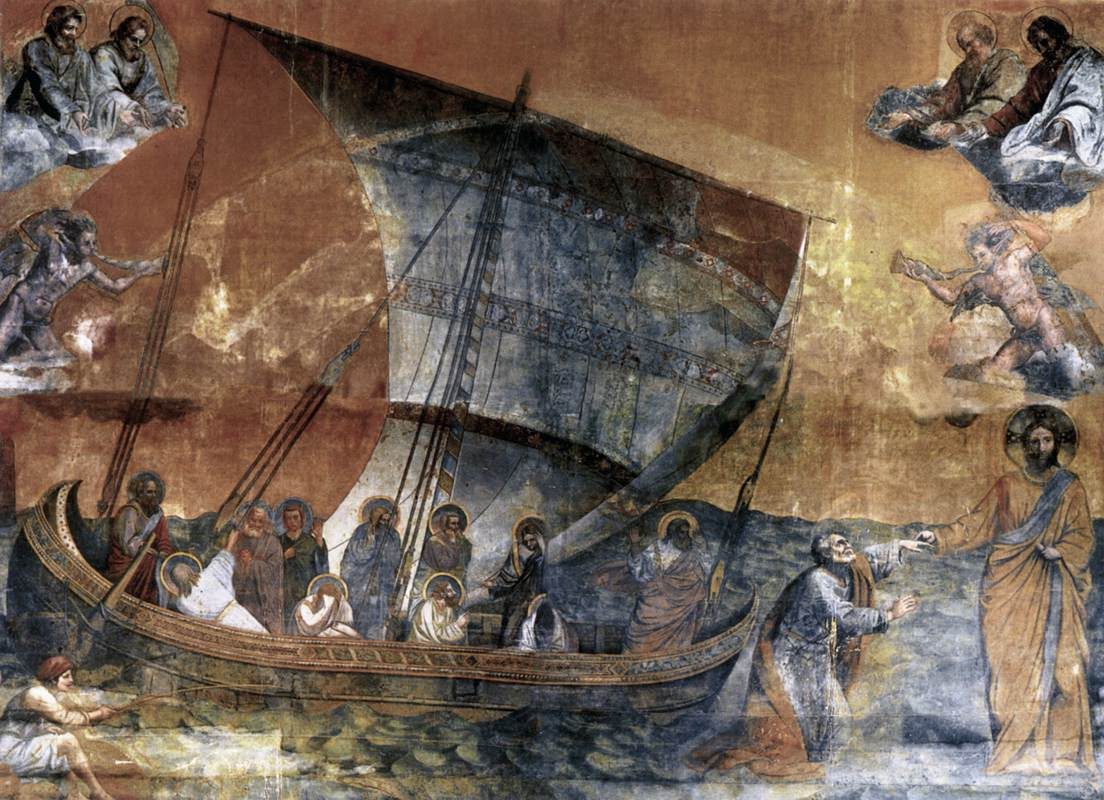
Есть средневековая картина, изображающая церковь в виде спасательной шлюпки. В бушующем море христиане в лодке тянутся, чтобы вытащить утопающих из волн. Это прекрасная картина Церкви: спасательная шлюпка, вышедшая в мир в ответ на крик о помощи.
Но Поусон останавливается на одном:
Спасательная шлюпка должна быть в море. А вот если в спасательную шлюпку попадет море, то будет настоящая беда. Церковь должна быть в мире, если она собирается спасать души. Но когда мир попадает в церковь, тогда ей приходит конец и она тонет.
Следующая тысяча лет — это история о том, как море проникает в лодку. Поусон разбивает её на три главы: мир начал проникать в Церковь уже в ранний период (100–400 гг. н. э.); затем наступили Тёмные века (400–1000 гг. н. э.); наконец, Средневековье (примерно 1000–1500 годы), которое подводит нас к эпохе Мартина Лютера.
Образ спасательной лодки
Лодка должна быть в море, но море не должно быть в лодке
Пэусон начинает со средневековой картины: Церковь как спасательная лодка в бушующем море, протягивающаяся, чтобы вытащить тонущих из волн.
Спасательная лодка в море
Церковь находится в мире, чтобы спасать души. В этом и состоит её миссия.
Море внутри спасательной лодки
Когда мир проникает в Церковь, лодка тонет. Такова история тысячи лет.
«Церковь должна быть в мире, если собирается спасать души. Но когда мир входит в церковь, с ней покончено — и она тонет». — Дэвид Пэусон
Хронология тысячелетия
400–1517 гг. н. э.: от падения Рима до Лютера
Тысячелетие пронизывают четыре течения: упадок, подъём папской власти, голоса протеста и эпоха открытий.
Некоторые даты упрощены для ясности; точные вехи проверены в янтарных примечаниях на полях по всему эссе.
Как мир попал в церковь (100–400 нашей эры)
Когда были такие мученики, такие проповедники, когда битва была выиграна, как в нее вошел мир? Поусон называет четыре вещи, которые начали ослаблять апостольскую Церковь.
Во-первых, региональные епископы. В Новом Завете каждая церковь имела несколько епископов, которых также называли старейшинами или пресвитерами; все они исполняли одну и ту же должность духовных руководителей. Затем наступил этап, когда каждая церковь сократила число своих епископов до одного. Затем наступил этап, когда один епископ правил многими церквями. Руководство сосредоточилось во всё меньшем числе рук. Вы не можете найти этого в Новом Завете; этого не происходило в течение первых ста лет; но во втором веке появились люди, обладающие значительной властью и влиянием. Не много епископов в одной церкви, а много церквей под властью одного епископа.
Во-вторых, магический взгляд на таинства. Примите крещение. Вместо того, чтобы быть внешним признаком духовного смывания грехов, которое наступает, когда человек верит в Иисуса, люди начали верить, что настоящая вода и правильная формула спасают человека от греха, независимо от его возраста; и что, если человек согрешит после крещения, то крещение как бы отменяется. Поэтому люди откладывали крещение до смертного одра: ждали, пока врач скажет, что надежды нет, а потом бросались к священнику. Но другие беспокоились: что, если наш ребенок умрет, мы предпочли бы, чтобы его грехи были немедленно смыты. Оба взгляда были суеверными. К сожалению, крещение младенцев преобладало. К Вечере Господней тоже относились магически: люди начали думать, что хлеб на самом деле был плотью Христа, а вино — его кровью; поскольку предлагалась настоящая плоть и кровь, это была жертва; а поскольку это была жертва, то и приносящий ее должен был быть священником.
В-третьих, устоявшаяся религия. Когда император пошёл в церковь, можно представить, что за ним последовали все остальные. Когда государство объявило христианство официальной религией, все присоединились к нему. Посещение официальной церкви стало модным и респектабельным. Поусон говорит прямо: устоявшаяся религия обязательно породит модное, респектабельное христианство, а он не может найти этого в Новом Завете.
В-четвертых, номинальное членство. Писатель в конце второго века заметил: примерно в году 50 принадлежность к Церкви означала, что человек принял крещение и Святого Духа и назвал Иисуса Господом; но примерно к 180 это означало, что человек признал правило веры (символ веры), канон Нового Завета и авторитет епископов. Другими словами, люди присоединялись по причинам, отличным от веры в Иисуса и получения Его Духа. Теперь это было учреждение.
И всякий раз, когда Церковь поступала неправильно, возникали протесты. В первые 400 лет существовало два движения: Монтанизм и монашество. Оба протестовали против того, что Церковь становится богатой, мирской и наполняется людьми, которые даже не были обращены.
Монтанизм возник в Малой Азии, на территории современной Турции. Человек по имени Монтан увидел, что в десятках членов общин не было и следа Святого Духа, поэтому он снова стал искать Духа Божьего. Вспыхнуло возрождение. Дары Духа вернулись в Церковь; жизнь, сила и реальность вернулись в поклонение. Поусон говорит, что если вы хотите знать, на кого они больше всего похожи сегодня, то они были пятидесятниками. Они подчёркивали возвращение Христа и настаивали, чтобы членом Церкви не становился никто без настоящей веры, святости и поста. Но епископы резко воспротивились этому, и вы можете догадаться, почему.
Трагедия в том, что, как это часто бывает, первое пятидесятническое движение пошло не так. Это пошло не так, потому что эти люди не получали наставления. Они хотели тепла без света. Поусон говорит: свет без тепла холоден; тепло без света слишком жарко; у вас должно быть и то, и другое. Они не слушали Писания о том, как применять духовные дары. И движение выдохлось в фанатизме. «Это предупреждение должно быть знакомо каждому пятидесятническому пробуждению», — говорит Поусон. «Мы можем извлечь уроки из истории».
Второй протест произошел совсем по-другому. Несколько лет спустя некоторые христиане сказали: эта Церковь настолько мирская, настолько мертвая, что единственная надежда на восстановление христианства — это выйти из Церкви и из мира.
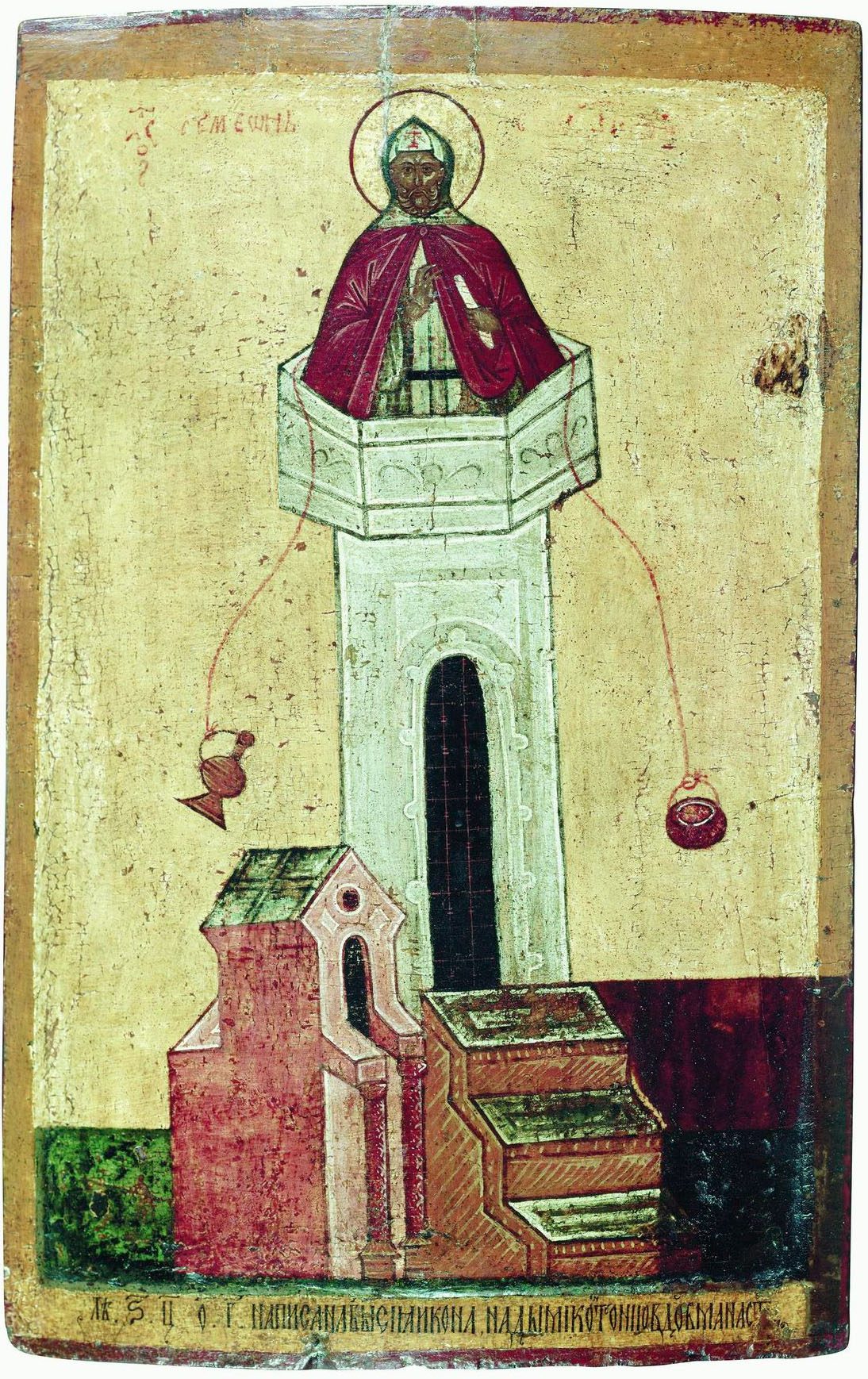
Первый из них сделал это в одиночку. Они были отшельниками. Это самая странная сказка. Энтони был первым: он решил, что должен жить посреди пустыни, чтобы стать настоящим христианином. Беда была в том, что, когда он туда попал, к нему захотели присоединиться другие христиане, а он этого не хотел; и, прежде всего, он нашел свои искушения в пустынной пещере такими же мирскими, как и в Церкви. Был еще более странный отшельник, Симеон Столпник. Он построил колонну высотой около 18 метров и диаметром около одного метра наверху и жил там десятилетиями. Он даже целый год простоял на одной ноге в знак протеста, заявляя, что христианство — это что-то тяжелое и жесткое. И вот он стоял на столпе, весь в язвах и червях, в ужасном состоянии.
Более успешными, чем отшельники, были те, кто основал общины. Человеком, начавшим это движение, был Бенедикт. На Монте-Кассино, на полпути между Римом и Неаполем, он собрал группу христиан, которые увидели, что Церковь слишком мирская, чтобы с ней что-либо делать, и сказали: мы придем и будем жить вместе. Мы будем не богатыми, а бедными. Мы не будем похотливыми, но будем соблюдать целомудрие. Мы не будем бунтовать, но будем послушны. Они дали тройной обет: бедность, целомудрие, послушание. И монастырь управлялся как гарнизон римского солдата.
Трагедия в том, что этот протест так же потерпел неудачу, как и предыдущий. Христос никогда не хотел, чтобы мы жили христианской жизнью вдали от всех остальных. Позже эти монахи, начавшие с добрыми намерениями, так сосредоточились на собственном спасении и стали настолько замкнутыми, что оказались изолированы от мира и Церкви. Хуже того, монашество породило идею о том, что существуют два вида христиан: второсортные, вступающие в брак, и первоклассные, не вступающие в брак; второсортные, живущие в мире, и первоклассные, живущие за его пределами. Но это не учение Иисуса. Наш Господь не был монахом. Он не уходил от общества; он прожил чистую жизнь в обществе и велел своим ученикам находиться в мире, не будучи в нем.
Оба сказали: Церковь – это не то, что имел в виду Иисус Христос. Один сказал, что мы откроем это заново, вернувшись в Дух. Другой сказал, что мы откроем это заново, выйдя из мира и из Церкви. Оба ни к чему не привели, потому что не вернулись полностью к новозаветному христианству.
Как вошёл мир — 100–400 гг. н. э.
Четыре трещины и два протеста
Даже в эпоху победы четыре явления начали разбавлять апостольскую Церковь. И всякий раз, когда что-то шло не так, звучали голоса протеста.
Региональные епископы
От многих пресвитеров в каждой церкви к одному епископу над многими церквями. Власть сосредоточилась в немногих руках, копируя римских наместников.
Волшебные таинства
Крещение стали считать само по себе спасающим, поэтому его откладывали до смертного одра или совершали над младенцами. Вечерю Господню принимали за буквальную плоть и кровь, за жертву, требующую священника.
Государственная религия
Когда император пошёл в церковь, пошли все. Вера стала модной и респектабельной вместо того, чтобы быть самоотдачей.
Номинальное членство
Люди присоединялись по причинам, не связанным с верой в Иисуса и принятием Духа. Церковь стала учреждением.
Два протеста
Монтанизм
Пятидесятнический протест
Заново открыл Духа и дары, подчёркивая возвращение Христа и святость. Но в нём был «жар без света»: он отвергал наставление и выгорел в фанатизме.
Монашество
Протест через уход
Оно оставило и мир, и Церковь, чтобы восстановить настоящее христианство. Но породило христиан «двух уровней», а Христос никогда не призывал нас жить отдельно от всех.
Оба протеста были искренними, но оба ни к чему не привели, потому что не вернулись полностью к христианству Нового Завета.
Темные века: Падение Рима (410 нашей эры)
Теперь история действительно начинается. В 410 произошла катастрофа. Варвары с севера напали на город Рим. Пришли вандалы (от их названия происходит слово «вандализм»). Пришли франки, пришли гунны, пришли готы. Эти варвары ворвались в Рим и взяли его. Рим того времени пал.
В том же году римляне покинули Британию, чтобы защитить Рим, но не смогли его спасти. И как только римляне отступили, юты, англы и саксы ворвались в Британию и уничтожили христианство в Англии и юго-восточной Шотландии. Христианство, которое римские солдаты принесли сюда в первые 400 лет, исчезло.
Казалось, что падение Рима – это конец всему. Иероним, писавший из Иерусалима, сказал: «Человеческая раса оказалась в руинах». Люди думали, что это конец цивилизации. И это озадачило Церковь: Рим веками существовал как языческая империя, но как христианская империя рухнула. Многие христиане не могли этого понять.
Но один человек все обдумал и сделал невероятное заявление. Он сказал: это лучшее, что когда-либо случалось. Его звали Августин.
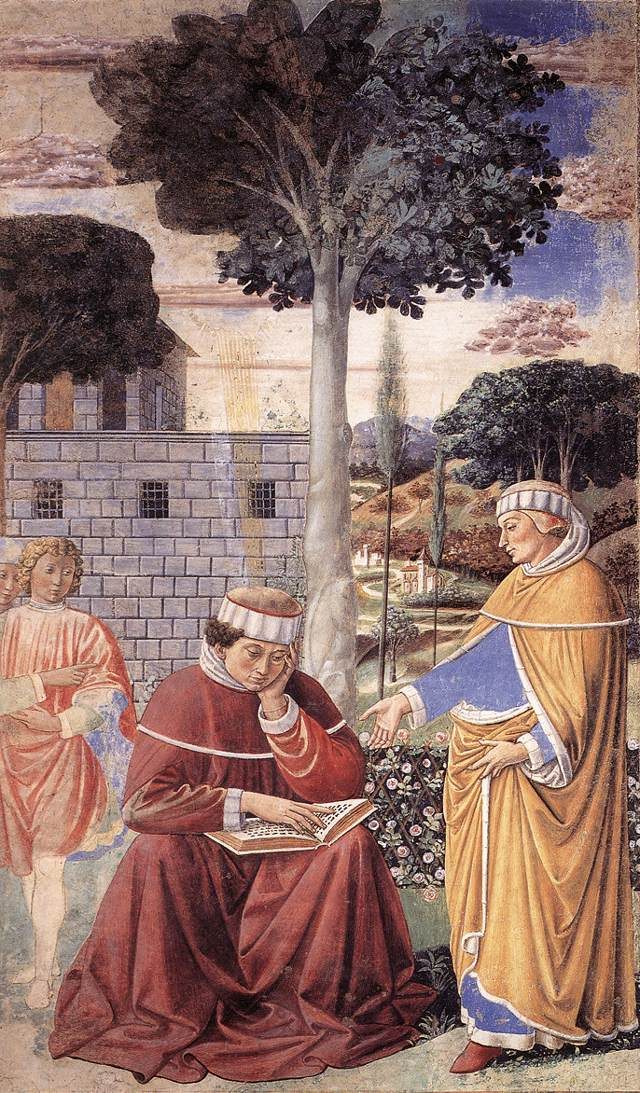
Августин: Беспокойное сердце, нашедшее покой
Его книги можно купить сегодня в железнодорожном книжном киоске. И если я расскажу вам кое-что из того, что сказал этот великий человек, вы их узнаете. Он сказал: «Наши сердца беспокойны, и они не смогут найти покоя, пока не найдут покоя в Тебе». Возможно, самая цитируемая молитва в истории. Августин молился: «Дай мне целомудрие, но не сейчас». И именно Августин сказал: «Люби и делай то, что хочешь».
Он родился в Северной Африке. Когда он, будучи студентом, поехал в Карфаген, он попал не в ту компанию. Вскоре у него появилась наложница и сын, и он жил в этих незаконных отношениях много лет. Отец его был язычником, но мать была благочестивой женщиной, которая каждый день со слезами молилась за своего своенравного сына. Позже, благодаря блестящему уму, его пригласили профессором риторики в Милан. Туда он пошел послушать проповедь святого епископа Амвросия. Благодаря этой проповеди молодой человек с блестящим умом, но распутной жизнью был приведен к глубокому осознанию греха.
И вот однажды, сидя в саду и оплакивая беспорядок, который он устроил в своей жизни, он услышал из-за садовой стены детский голос: «Толле леге, толле леге» — «возьми и прочитай». Он так и не узнал, кем был этот ребенок. Но он увидел свиток на сиденье рядом с собой, взял его и прочитал. Это было письмо Павла к римлянам. Августин прочитал это, и забрезжил свет. Когда после этого он вышел на улицу, женщина, с которой он жил, увидела его, и он убежал от нее. Она побежала за ним и плакала: «Августин, это я, это я». Он ответил через плечо: «Но это не я, это не я».
Всю историю своего обращения он написал в книге под названием Признания. Поусон говорит, что Августин оказал большее влияние на историю церкви, чем любой человек после апостола Павла.
Когда Рим пал, Августин был уже в среднем возрасте, и весь мир, казалось, рухнул у него на глазах. Он все обдумал, а затем написал вторую великую книгу, которую мы помним: Город Бога. В нем он говорит: хорошо, что этот языческий город Рим рухнул, потому что теперь его может заменить град Божий; хорошо, что земной империи пришел конец, потому что теперь может быть установлена небесная империя. Книга дала многим надежду и новую жизнь, помогая им увидеть, что город Божий все еще выжил, когда город людей исчез.
Но в этом была беда. Люди стали спрашивать: что это за город Божий? Видимый или невидимый? Земной или небесный? И в этом месте Августин многих ввел в непонимание. Забавно то, что столетия спустя, во время Реформации, протестанты сказали: «Мы следуем Августину», а католики сказали: «Мы следуем Августину». Но протестанты следовали первой книге, Признания; а католики следовали второй книге, Город Бога.
Ибо произошло следующее: Церковь сказала: если это так, то Церковь теперь является новой империей.
Церковь становится империей: Возвышение папства
Одним из первых результатов стало возвышение епископа Рима до положения императора. В те дни шли большие споры по поводу слова «папа», которое по сути означает «отец». Хотя Иисус сказал никогда никого на земле не называть отцом, поскольку у вас один Отец на небесах, люди начали называть местного священника «отцом». Тогда они назвали областного епископа «батюшкой». Тогда, наконец, пять великих патриархов сказали: если кого и можно назвать отцом, так это нас пятерых. И наконец епископ Римский сказал: города Рима больше нет, но я теперь император; Я главный епископ, и отныне ты называешь только меня папой, ты называешь только меня отцом.
И возникло папство, каким мы его знаем. Поразительно то, что папа перенял сами титулы и даже мантии римского императора. Он взял титул Великий Понтифик, известный сегодня как понтифик — титул римского императора. Августина неправильно поняли, и люди думали, что Церковь — это новая империя. А у империи должен быть свой император, свои одежды, свои церемонии, свой трон. Так Церковь стала империей, а Папа стал королём.
Конечно, многие христиане не согласились бы ни с чем из этого. Французы не будут, ирландцы не будут, валлийцы не будут, шотландцы не будут. К сожалению, это сделали англичане.
Когда Церковь стала империей
Лестница власти и замкнутый круг
Лестница к «отцу»
Местного священника называют «отцом»
Затем региональный епископ
Затем пять великих патриархов присваивают этот титул
Епископ Рима: «называйте папой только МЕНЯ»
Он принимает титулы и одежды императора (Pontifex Maximus)
«Отцом себе не называйте никого на земле…» (Евангелие от Матфея)
Круг 410 → 800
410 — Римская империя рушится
Церковь занимает её место и становится новой «империей»
800 — Карл Великий коронован императором
Империя возвращается — полный круг
Августин написал «О граде Божьем», чтобы утешить рушившийся мир; но люди неверно поняли это так, будто Церковь стала новой империей — а империи нужны император, трон и одежды.
Два потока христианства встречаются в Уитби
Ирландия через святого Колумбу принесла веру на Иону и в Шотландию, приведя Шотландию ко Христу. Затем Эйдан прибыл на остров Линдисфарн недалеко от Нортумберленда. Поусон вспоминает, как несколько месяцев назад стоял на Линдисфарне, возле руин церкви Эйдана, маленького острова, с которого он проповедовал евангелие в Нортумберленде. Это непапское христианство, кельтское христианство, пришло в Англию с севера через Ирландию и Шотландию.
Но позже папа сказал: мы должны получить Англию, мы должны получить этих англов. Он произнес знаменитый каламбур: они не англы, а ангелы. И он послал миссионера, которого также звали Августин. Этот Августин высадился на острове Танет, затем отправился в Кентербери. Колумба — на острове Иона на севере; Августина — на острове Танет на юге.
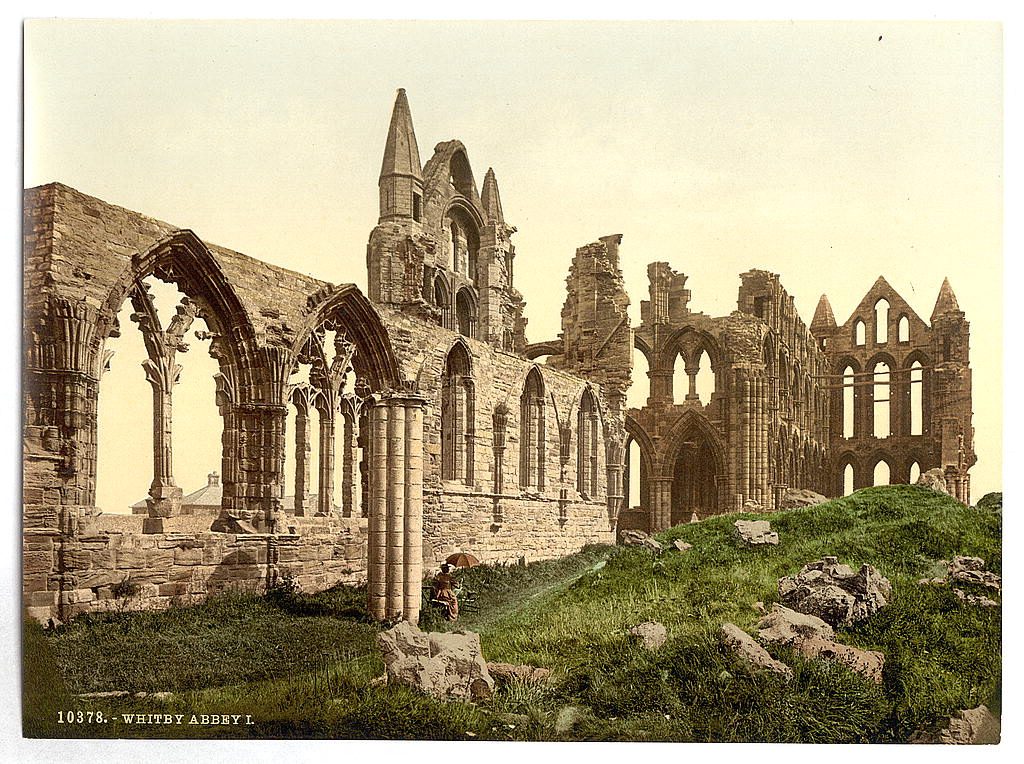
Два потока христианства встретились в Уитби. Вы все еще можете увидеть руины над гаванью Уитби, где они встретились. Там папское христианство встретилось с кельтским христианством, чтобы увидеть, какое из них победит. Трагедия в том, что папское христианство победило. Британские острова перешли под папский престол. Шотландия даже сменила своего покровителя на Святого Андрея. Вся ситуация изменилась.
Два потока встречаются в Уитби
Куда направится Британия? (Уитбийский собор, 664)
Кельтское христианство
Ирландия → Иона (Колумба) → Линдисфарн (Айдан) → северная Англия
Без папы. Просто, миссионерски.
Римское христианство
Рим → Августин в Танете → Кентербери → юг
Верность папе.
Уитби, 664
Римское христианство победило. Британские острова оказались под папской властью. Пэусон называет это трагедией; и сегодня можно стоять среди руин над гаванью Уитби.
Схематично, не в географическом масштабе. Уитбийский собор состоялся в 664 году (Пэусон говорит «660»).
Разделение Востока и Запада (1054)
Другой великой группой христиан, которые не хотели ничего из этого, были церкви восточного Средиземноморья: Греции, Малой Азии, Сирии, Египта. Они сказали: мы этого не признаем. О том, что должен быть один «папа», один отец всей Церкви, нет ни в Писании, ни в Новом Завете. И начался раскол, окончательно завершившийся к году 1054. Это разделение разделяло восточную и западную церкви на протяжении тысячи лет, и только в последние годы они снова начали разговаривать.
И вот одна из самых невероятных вещей. Примерно в 850 году папа сказал: «Я обнаружил документы первого века, доказывающие, что Петр назначил первого папу, который назначил второго, и так далее. Сегодня даже Римская церковь знает, что эти документы были подделки; их называют Ложными декреталиями. И все же папство было построено на подлоге. Был еще один поддельный документ. Дар Константина, утверждавший, что вся Италия принадлежала папе. Папа «обнаружил» эту подделку и сказал: там вся Италия принадлежит мне. Это тот фундамент, на котором базировалось все сооружение, и сегодня его знает даже Рим.
Великий раскол, 1054 год
Одна Церковь разделилась почти на тысячу лет
Пять патриархатов (пентархия)
Запад (латинский)
Рим — один папа над всей Церковью
• Верховенство папы
• Добавил «и от Сына» (filioque) в Символ веры
• Пресный хлеб
Латинская традиция
Восток (греческий)
Константинополь и патриархи — равные, без единого «папы»
• Пять равных патриархов
• Символ веры оставлен без изменений
• Квасной хлеб
Греческая традиция
Взаимные отлучения 1054 года были сняты совместно только папой Павлом VI и патриархом Афинагором в 1965 году — почти во время «последних десяти лет» Пэусона, когда он проповедовал в 1960-х.
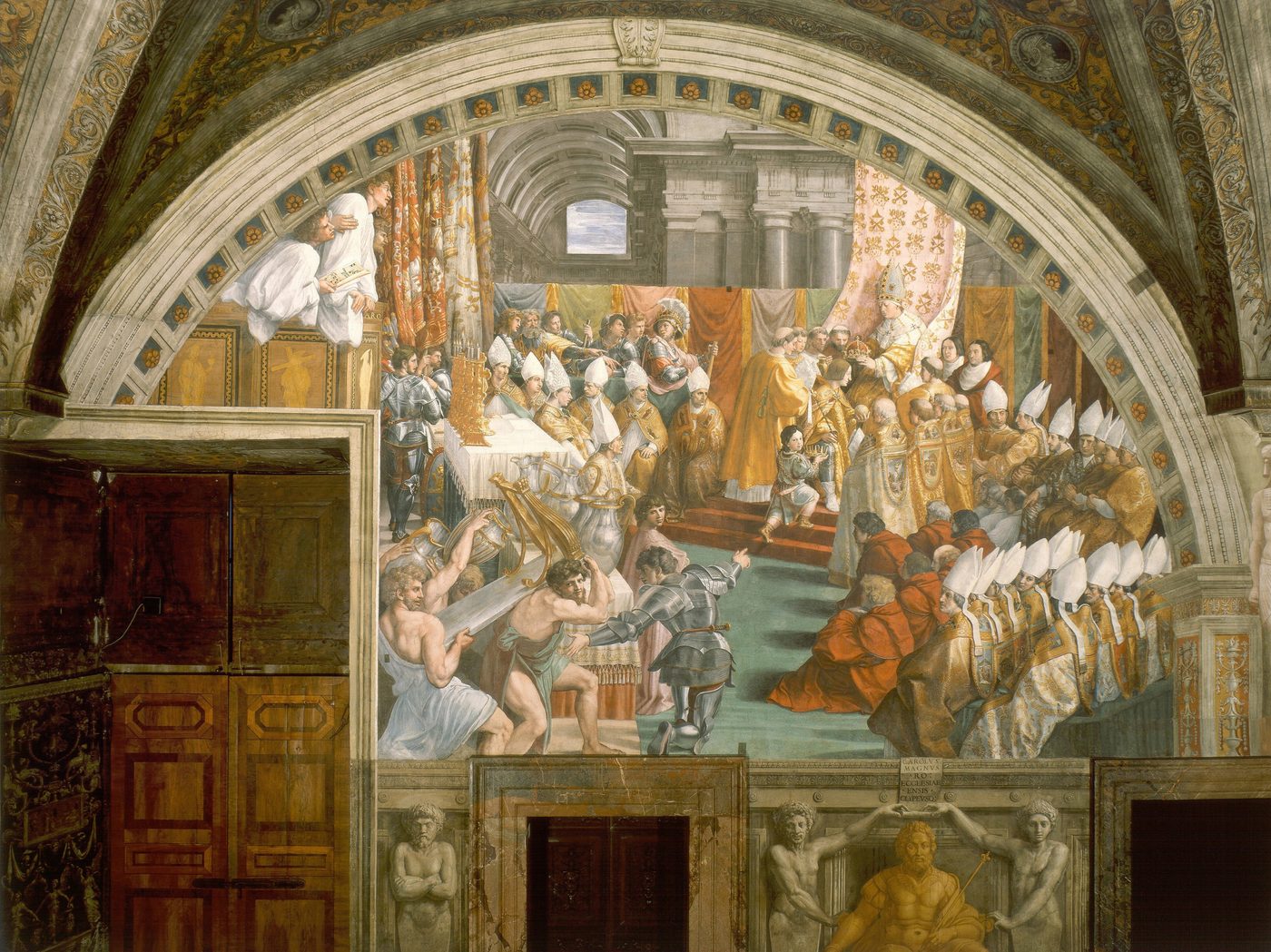
Карл Великий и Священная Римская империя (800 нашей эры)
Власть продолжала распространяться до 742 года, когда родился человек с мечтой: восстановить Римскую империю, вернуть ее на карту, сделав себя императором, а папу подчинив себе. Его звали Карл Великий. Безжалостный человек, сказавший: у нас снова будет Римская империя, и главой ее будет не папа, а император.
Карл Великий дважды спас жизнь папе: один раз от варваров, один раз от разгневанной на него толпы в Риме. Папа сказал: ты дважды спас мне жизнь, что ты хочешь, чтобы я для тебя сделал? Император ответил: в Рождество коронуйте меня императором. А в году 800, в день Рождества, в самой большой церкви Рима на Рождественской утренней службе папа короновал короля франков Карла Великого, императора Священной Римской империи. Тысячу лет спустя Священная Римская империя все еще существовала.
Видите ли, мы прошли полный круг. Римская империя рухнула в 410. Церковь захватила империю. Затем в 800 император вернулся и забрал империю у Церкви. Казалось, все вернулось к тому, с чего началось.
Карл Великий сделал что-то хорошее, а что-то плохое. Среди хороших: он запретил духовенству держать наложниц, посещать кабаки, ходить на охоту; он основал множество школ. Среди плохих: он запретил духовенству когда-либо вступать в брак, а заслугу за безбрачие духовенства он приписал Карлу Великому. Он также придумал слово христианский мир — царство, которое при императоре будет христианским. И идея христианского мира сохраняется и по сей день.
Расцвет ислама
Поскольку Церковь стала богатой и могущественной, она стала коррумпированной. И снова начались протесты, на этот раз с востока и севера. Восточный протест имел две причины, и первой из них был ислам.
Поусон называет ислам величайшим приговором, когда-либо обрушившийся на христианскую церковь. Он жил в Аравии и видел кое-что из этой религии. Мухаммед родился в 571 в Мекке, центре арабского идолопоклонства и суеверий. В центре Мекки стояло огромное квадратное здание, задрапированное черным, а внутри него - священный камень. Кааба, метеорит, упавший с неба. Мухаммед вырос среди идолопоклонства и суеверий арабов, и это его возмущало.
Тогда он обратился сначала к иудеям, потом к христианам и спросил: имеете ли вы истинную религию? Трагедия в том, что Мухаммед никогда не встречал обращенного христианина. Трагедия в том, что он так и не увидел настоящего христианства Нового Завета. Все, что он видел, это облачения священников, изображения и распятия. И он сказал: это такое же идолопоклонство, как и религия арабов. Если бы только Магомет встретил хотя бы одного истинного христианина в конце шестого века. Но он этого не сделал.
Поэтому он сказал: хорошо, я буду искать новую чистую религию. Он женился на богатой вдове, провел годы в пустыне и там, по его словам, с ним говорили: нет бога, кроме Аллаха, и Мухаммед — его пророк. Он начал проповедовать это, записывая то, что слышал в своих видениях, в книгу, Коран (Аль-Коран). Его преследовали, и в 622 ему пришлось бежать в Медину. Это дата, от которой арабы ведут отсчет своего календаря. Он вернулся в Мекку с армией и насаждал новую религию. С тех пор каждый должен был молиться в сторону Мекки, и посредством религии добрых дел — поста, пятикратной молитвы в день, соблюдения Рамадана, совершения паломничества в Мекку, раздачи милостыни — можно было попасть на небеса. И эта религия была навязана силой оружия.
Ислам вытеснил христианство из Средиземноморья. Оно смело христианство с побережья Северной Африки, где на протяжении веков не было церкви. Оно вымело христианство из самой Святой Земли, из Иерусалима, из места, где умер Иисус. Оно пронеслось через Испанию, через Малую Азию, во Францию до ворот Лиона, в Восточную Европу до Вены. Казалось, ислам сокрушит христианство гигантскими клещами.
Это величайший суд, который Бог когда-либо позволил обрушиться на христианскую церковь. И это было заслужено. Но пока и не дальше. Бог не собирался полностью уничтожать христианство.
Их продвижение остановили у Тура и Пуатье в 732 году; позднее османские походы достигли Вены. Христианские территории всё же отступили к границам, которые позже стали привычными: к побережью Северной Африки и до Турции.
Карта Тёмных веков
Два потока обрушиваются на христианский мир (410–732 гг. н. э.)
Оранжевые стрелки: варвары устремляются на юг, к Риму. Зелёные стрелки: ислам распространяется из Аравии через Северную Африку и Испанию до самого Пуатье.
Базовая карта: Римская империя (Wikimedia Commons, общественное достояние). Стрелки показывают схематические направления наступления, а не точные маршруты. Вена отмечает позднейшую османскую границу — Пэусон сжимает почти тысячу лет фронтира в один охват клещами.
Скрытые свидетели в темноте
Ибо в то самое время по всей Европе существовали небольшие группы христиан, собиравшиеся вокруг слова Божьего. Они увидели, что официальная церковь коррумпирована, поэтому просто собирались небольшими группами, читали эту книгу и говорили: мы будем поклоняться Богу в простоте. Нам не нужны священники, потому что у нас есть Иисус, наш Первосвященник. Нам не нужен Папа, потому что у нас есть Отец на небесах. Нам просто нужно слово Божье и Святой Дух.
Мы почти ничего о них не знаем, потому что их настолько преследовали, что даже записи их истории были уничтожены. Поусон спрашивает своих слушателей, слышали ли они когда-нибудь о группе под названием богомилы. Это были группы, собиравшиеся вокруг слова Божьего, главным образом в Болгарии и Боснии; слово «богомил», говорит Поусон, по-болгарски означает «друзья Бога». Были павликиане, которые встречались в Армении, Фракии и Малой Азии. Были катары, имя, означающее «чистые», того же корня, что и более позднее слово «пуританин»; они встречались на Балканах и по всей Европе.
Поусон признается: по своей простоте он думал, что тысячу лет существовала только римская церковь и восточные церкви. Это неправда. Он был взволнован, обнаружив, что на протяжении всех этих столетий в поместных церквях шел непрерывный поток простых христиан, собиравшихся вокруг слова Божьего. Они заплатили за это своей жизнью, но продолжали встречаться, и пламя веры сохранилось для будущих поколений.
Средневековье: Хильдебранд ставит Папу превыше всего
Теперь мы подходим к последней главе, от года 1000 до 1500, называемой Средневековьем, потому что она находится между Темными веками и Новым веком.
Первый человек, о котором следует говорить, — это Хильдебранд. Этот монах стал папой, и ему не нравилось быть вторым. К этому времени уже существовала восстановленная Римская империя с новым императором, но Папа был номером вторым. Хильдебранд решил, что Папа должен быть номером один, и он этого добился. Он сделал много добрых дел: искоренял симонию — покупку духовных должностей в Церкви. Но он сделал это, потому что считал, что Папа должен контролировать все, включая королей.
Столкновение Хильдебранда и императора Генриха IV было урегулировано самым драматичным и ужасным образом. Генрих IV бросил вызов Хильдебранду, сказав: «Я номер один». Хильдебранд ответил: нет. Пусть люди решают. И народ решил, что это был Хильдебранд. В Альпах папа встретил императора Генриха IV, пришедшего с севера. Папа находился в горном доме и заставил императора Генриха IV ждать снаружи босиком в снегу в течение трех дней, прежде чем поговорить с ним. Таким образом, Хильдебранд решительно отодвинул императора на второй план.
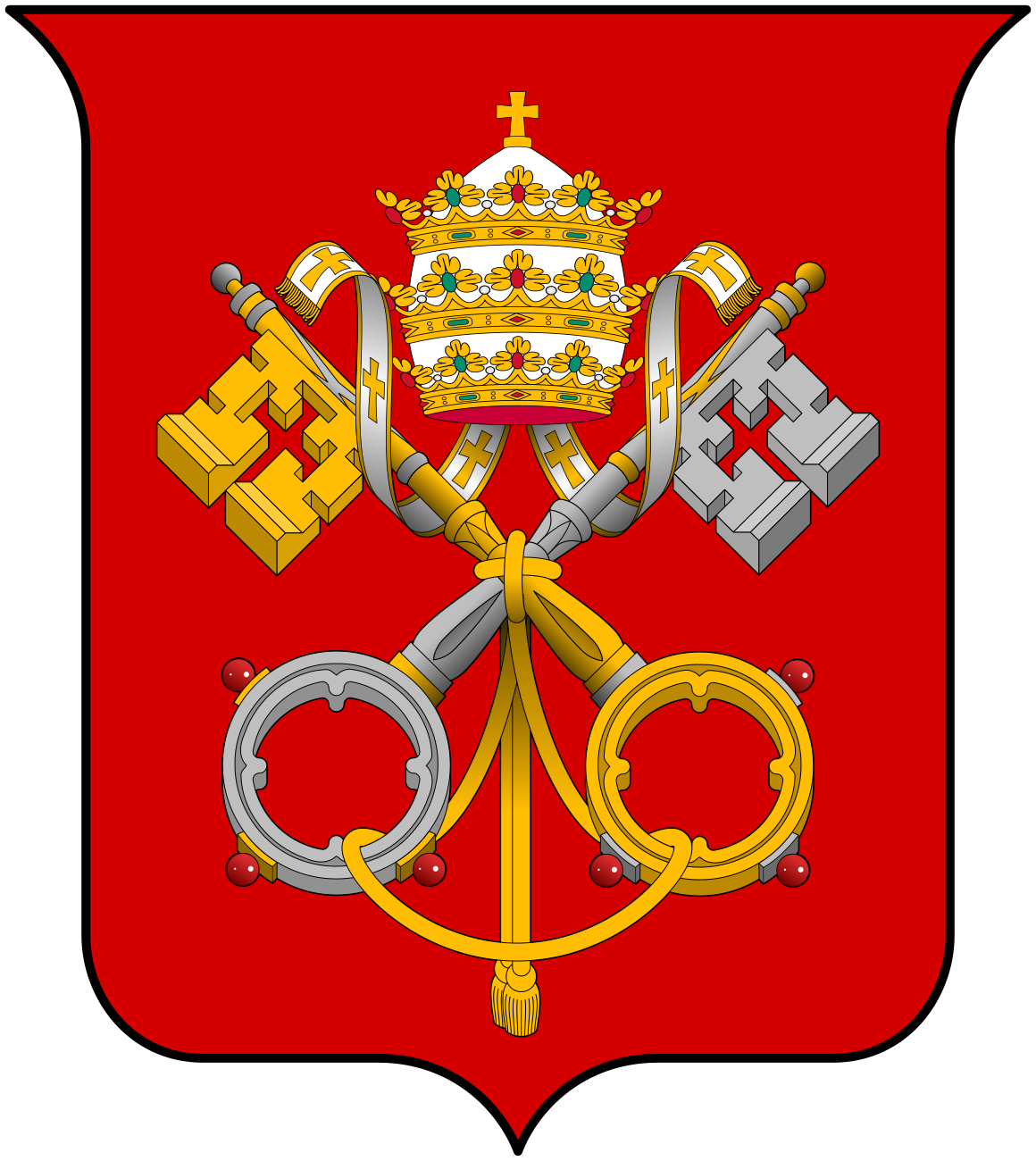
С тех пор в течение следующих 500 лет Папа был самой влиятельной фигурой, а папство — силой, контролировавшей западный мир. Церковь снова стала империей. Именно этот папа начал символ скрещенных ключей святого Петра: один ключ — это власть священной власти над Церковью, другой — власть светской власти над государством. Эти скрещенные ключи являются претензией Хильдебранда: быть главным и над Церковью, и над государством.
Крестовые походы: когда Церковь взяла в руки меч
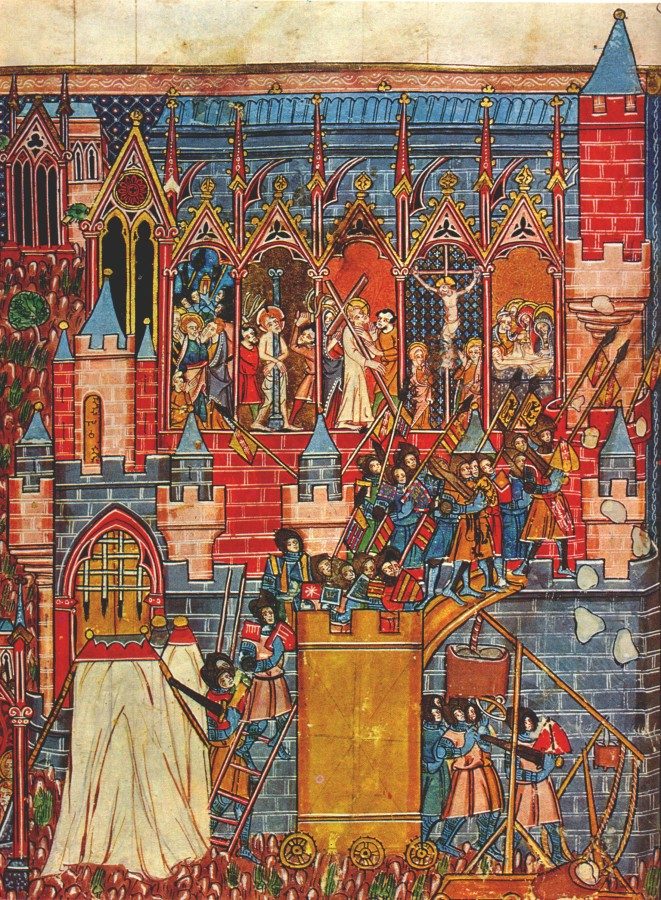
Это предоставило в распоряжение Церкви силы армий. И поскольку Гильдебранд так думал, он начал применять силу для установления Царства Христова. Никогда еще не было большей ошибки. Первым результатом идеи о том, что Церковь может применять силу, стали восемь крестовых походов на Святую Землю.
К этому времени святые места, Иерусалим и другие, оказались в руках мусульман, сарацинов и турок. Папа решил, что Церковь пробьётся и захватит Святую Землю для Христа. Первый крестовый поход зародился в 1095. Это была идея Хильдебранда, но он умер прежде, чем это удалось осуществить. Люди носили крест на плече, называемый crux, и отсюда мы получаем слово крестовый поход.
Первый крестовый поход организовал неопрятный фанатичный проповедник по имени Петр Отшельник. Он отправился с 600,000 людьми, и прибыла только десятая часть; большинство из них погибло в высоких горах Турции. Но они добрались туда и взяли Иерусалим. Они разграбили его, насиловали женщин и установили в Иерусалиме так называемое правление Христа, перебив всех сарацин этого города. Разве это христианство? Ответ очевиден: конечно, нет. Но имейте в виду, они были введены в заблуждение. Тысячи людей думали, что именно такой должна была быть Церковь: земная империя, утверждающаяся силой.
Конечно, были стимулы. Людям было обещано отпущение грехов, если они пойдут сражаться за Христа; им обещали индульгенции, которые должны были избавить их от лет в чистилище; обещали, что их долги аннулированы по закону; пообещал помилование преступникам, которые выйдут из тюрьмы, чтобы пойти сражаться. Вы можете себе представить, какая разношерстная команда получилась в результате. В этом участвовали король Франции Филипп и король Англии Ричард Львиное Сердце. Восемь раз они отправлялись в путь. Один был детский крестовый поход: 2 000 детей отправились через Европу, чтобы попытаться вернуть Палестину для Иисуса. Ни один из них не прибыл. Папа сказал, что ангелы чудесным образом обеспечат еду; но еда так и не пришла, и ангелы так и не появились.
У Рогов Хаттина в 1187 году армия крестоносцев, окружённая войсками Саладина, погибла от жажды. Это поражение привело к Третьему крестовому походу; поход 1270 года закончился, когда король Людовик IX умер от болезни перед Тунисом. Присутствие крестоносцев прекратилось в 1291 году с падением Акры.
Это одна из самых печальных историй в истории Церкви. Они ничего не достигли. Ничего. Более того, результат оказался хуже, чем если бы они ничего не делали.
Восемь крестовых походов
Когда Церковь использовала меч вместо любви (1095–1291)
Гильдебранд считал, что силой можно установить царство Христа. «Большей ошибки не было», — говорит Пэусон.
Народный крестовый поход · 1096
Пётр Пустынник ведёт толпу; большинство погибает в горах Малой Азии.
Первый крестовый поход · 1095–99
Захватывает Иерусалим (1099) и истребляет его жителей. Единственный «успех».
Второй крестовый поход · 1147–49
Проповедован Бернардом Клервоским; терпит неудачу.
Третий крестовый поход · 1189–92
Ричард Львиное Сердце против Саладина; Иерусалим не отвоёван.
Четвёртый крестовый поход · 1202–04
Сворачивает к разграблению Константинополя — христиане против христиан.
Крестовый поход детей · 1212
Шествие детей; ни один не достигает Святой земли.
Позднейшие крестовые походы · 1217–54
Неудача за неудачей, включая два похода короля Людовика IX.
Хаттин и крах · 1187 / 1291
Разгром у Рогов Хаттина (1187); Акра, последняя крепость, падает в 1291 году.
Причины отправиться в поход
К 1270 году папа отменил поход. «Он ничего не сделал. Ничего. Более того, он сделал хуже, чем ничего». — Дэвид Пэусон
Инквизиция, два или три папы и коррупция
Вместо применения силы вне Церкви Папа теперь решил применить силу внутри Церкви, открыв ещё одну ужасную главу — Инквизицию. Поусон говорит, что не осмеливается описывать дела, совершенные во имя Христа. Епископы отказались управлять этой машиной жестокости, злобы и подозрительности; но доминиканцы взялись за неё. И в течение многих лет бесчисленное количество людей жили в страхе за свою жизнь из-за этой ужасной вещи.
На протяжении всего пути неправильно было вот что: Церковь считала себя земной империей, которой разрешено применять силу для утверждения дела Христа. Теперь мы знаем, что это не тот путь. Церковь должна использовать не силу, а любовь и никогда не должна никого принуждать, кроме как через любовь и проповедь Евангелия, принять Христа.
И этот вид коррупции вскоре оборачивается сам собой. Власть имеет тенденцию развращать, сказал лорд Актон, а абсолютная власть имеет тенденцию абсолютно развращать. Вскоре за престол боролись два папы, затем трое. Был папа в Авиньоне, папа в Риме. Кто теперь был Папой? Им удалось снова собрать папство воедино, но затем коррупция распространилась дальше: монастыри стали коррумпированными и слишком богатыми, епископы - слишком могущественными, приходы - коррумпированными.
И практика обычной христианской религии стала испорченной. Были молитвы Марии, хотя нам никогда не говорили молиться Марии; она такой же человек, как и все мы. Были молитвы за умерших, молитвы святым. Было учение, вызывавшее наибольший страх: чистилище, сколько лет страданий после смерти. Существовало учение о мессе как о жертвоприношении. Была исповедь у священника. Были послабления, чтобы за определенную сумму денег можно было купить столько-то лет чистилища. Были паломничества. Было поклонение мощам. В богослужении были изображения. В Новом Завете ничего подобного нет.
Средневековые наслоения
«В Новом Завете нет ни клочка этого»
Одна практика за другой добавлялась на протяжении столетий. В правой колонке указана приблизительная дата, когда каждая стала официальной или была формально определена.
Даты приблизительны: многое начиналось как обычай и лишь позднее определялось на соборах (например, IV Латеранским собором в 1215 году и Флорентийским собором в 1439-м). Это протестантское прочтение Пэусона; католические и православные взгляды см. в блоке «Другие голоса».
Основная ошибка: Церковь думала, что она — Христос
Так в чем же заключалась основная ошибка всего этого? Если вы забудете большую часть того, что я сказал сегодня вечером, это важно. Я скажу вам, что было не так, в одном предложении:
Церковь начала думать, что она — Христос. И она до сих пор это делает.
Поусон вспоминает, как спросил ведущего священника: правда ли это по-прежнему? Он ответил: да, и это не изменится. Поусон сказал: Моя единственная проблема в том, что я не верю, что Церковь — это Христос, и я не верю, что она — пророк, священник и царь. Я верю, что Иисус есть. Церковь — не наш пророк, не наш священник и не наш царь. И священник откровенно ответил: мы не будем это обсуждать, потому что это никогда не изменится.
Это основная ошибка. Если я верю, что я пророк для мира, я могу сказать миру, во что верить, и безошибочно заявить, что является истиной. Если я мировой священник, я могу сказать: вы должны приходить на мои таинства, вы должны исповедоваться передо мной, если хотите когда-либо спастись. И если я считаю себя царем мира, я установлю свою власть настолько широко, насколько смогу.
Это смешение главы и тела Церкви. Голова божественна; тело человеческое. Христос является главой и пророком, священником и царем. Церковь – нет. В этом фундаментальное различие между протестантизмом и католицизмом, и сегодня оно столь же велико, как и когда-либо. Христос сказал: Я построю свою церковь. Он не сказал: вы это постройте. А Христос — глава церкви; никто другой не является главой и никто другой не может быть главой.
Главная ошибка
Церковь начала думать, что она — Христос
Если забыть всё остальное в этом эссе, говорит Пэусон, запомните это. Каждое искажение вытекает из одной путаницы: между Главой и телом.
Глава — божественная
Христос
Только Он — Пророк, Священник и Царь
Тело — человеческое
Церковь
Тело, которое повинуется Главе и никогда не заменяет Её
Пророк
тот, кто возвещает миру истину
Священник
тот, кто соединяет людей с Богом
Царь
тот, кто правит и устанавливает власть
Когда тело считает себя Главой
«Если я пророк мира, я могу говорить миру, во что верить. Если я его священник, вы должны приходить к моим таинствам. Если я его царь, я распространю свою власть настолько широко, насколько смогу». В этом корень всего.
«Владычество будет на раменах Его». (Книга пророка Исаии) Христос — Глава, и никто другой не может быть Ею.
Голоса протеста в средние века
Но Поусон рад сообщить, что на протяжении всего средневековья, от 1000 до 1500, всегда находились люди, которые говорили: это неправда, это не христианство, это не то, что имел в виду Иисус. Снова появились небольшие группы, носящие всевозможные названия в зависимости от мест, где они жили.
Были Бегарды из Нидерландов, просто люди, которые встретились вокруг книги и сказали: Христос — глава нашей церкви. Были Вальденсы, названный в честь вальденской долины; они верили, что эта книга рассказала им, какой Иисус имел в виду Церковь. К их чести, они подошли к папе и спросили: вот что мы видим, можем ли мы быть признаны действительной частью Церкви, если будем практиковать эту книгу? Могли ли они сделать больше? Они хотели остаться в римской церкви, но следовать книге. Папа сказал: нет, если вы сделаете то, что намереваетесь, мы будем вас преследовать. И их преследовали, они бежали из одной долины в другую.
Следующей группой стали Альбигойцы южной Франции; они тоже прочитали книгу и увидели, какой должна быть Церковь. К сожалению, самая кровавая кампания, когда-либо развязанная папством, была направлена против этих людей. Папа послал двух испанских дворян предать их смерти. Но они вернулись и сказали папе: это хорошие христиане, а не преступники, они не воюют с вами, они хотят только быть в Церкви и практиковать свое понимание Писания. И один из них, по имени Доминик, сказал: мы внедрим это в Церковь. И они основали доминиканцев — своего рода движение альбигойцев внутри Церкви. Трагедия в том, что позже доминиканский орден настолько развратился, что был готов возглавить инквизицию. Были также Братья общей жизни в Германии. Все они были независимы от римско-католической иерархии, основывали все на Библии на народном языке, и всех преследовали до смерти. Истинная Церковь всегда подвергалась гонениям.
Среди членов церкви, которые также видели это, были люди, которые отошли от церкви и держались веры в тайне. Один был Бернар Клервоский. Очень серьезный молодой человек, хотя в юности возглавлял настоящую воровскую шайку. После двух лет пребывания в плену в Италии он пришел в себя и понял, что зря тратит свою жизнь. Сын французского барона, он отказался от своего богатства и удалился с двенадцатью друзьями в долину, полную разбойников. Там он жил приготовленными буковыми листьями и травами, ведя ужасно бедную жизнь; каждое утро он поднимал своих друзей на молитву в два часа ночи, не позволял им прекращать работу до восьми вечера, и они построили общину в долине Клерво.
Бернард стал одним из самых влиятельных христиан в Европе, без должности, без денег, без какой-либо материальной или психологической силы. Его называли «создателем папы». Наедине он любил Иисуса; Мартин Лютер сказал, что из всех монахов и священников в истории он больше всего уважал Бернара Клервоского. Но публично он чувствовал себя обязанным поддержать папство. Кто-то мудро сказал, что он отбросил Реформацию как минимум на два столетия.
Другим мужчиной, почти ровесником Бернара, был Франциск, родившийся в маленьком городке Ассизи. Франциск вернулся к жизни, встретив на улице прокаженного. Сначала он прошёл мимо прокажённого по другой стороне дороги. Но проходя мимо, он спросил себя: какой я человек, чтобы отвернуться от ближнего? Он вернулся и поцеловал прокаженного. С тех пор Франциск начал серьезно относиться к жизни. Он искал Христа и нашел Его. Он собрал вокруг себя группу друзей, которые выходили по двое, в крайней нищете, проповедуя Евангелие, приобретая людей для Христа.
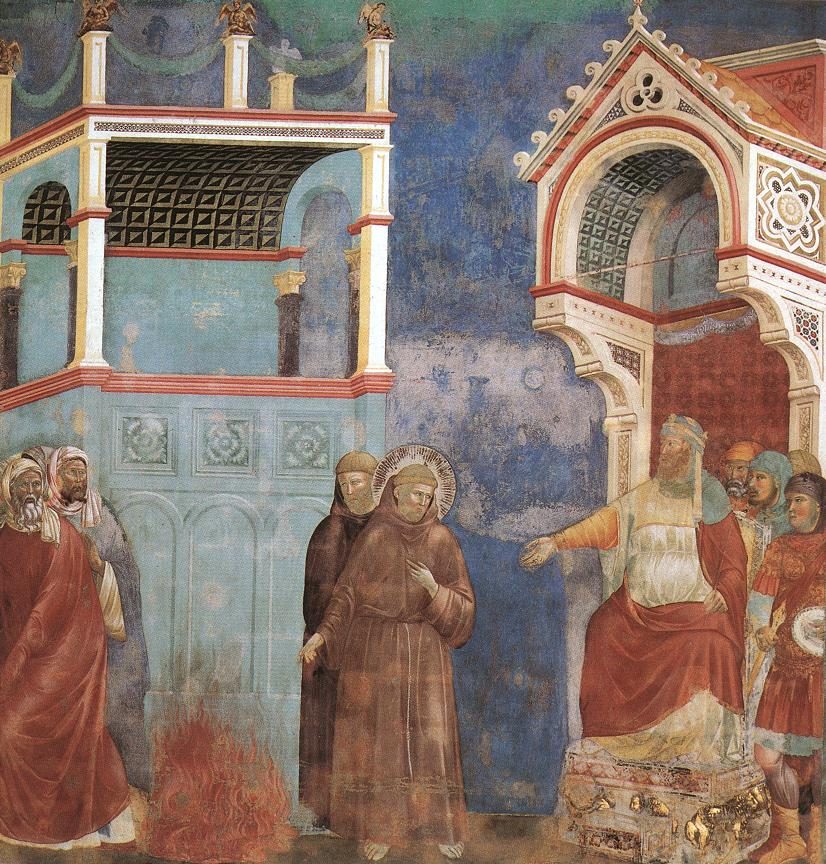
Хотя его больше помнят за его обращение с животными и птицами и уникальную любовь к природе, Поусон говорит, что Фрэнсиса следует помнить за что-то другое: он был первым миссионером среди мусульман. Рискуя жизнью, он отправился к самому султану, чтобы проповедовать Евангелие Иисуса главе мусульман. Вместо того чтобы идти с 600 000 солдатами сражаться с ними, Франциск в одиночестве отправился в нищету проповедовать любовь Иисуса. И он был первым и единственным миссионером среди арабских мусульман на протяжении многих столетий, вплоть до Раймонда Луллия. Последователи Франциска носили серые одежды, поэтому их называли Серыми братьями; доминиканцы носили чёрное, поэтому их называли Чёрными братьями. Оба пытались вернуть в церковь простую христианскую жизнь, но оба потерпели неудачу и развратились: францисканцы стали профессиональными нищими, а доминиканцы управляли инквизицией.
Вся ситуация требовала от человека сказать правду, и сказать ее так хорошо, чтобы все услышали и поняли. Арнольд Брешиа около 1150 года начал с утверждения: богатство и мирская власть не должны находиться в руках Церкви. Но Бернар Клервоский выступил против него и заставил его замолчать. Потом пришел Марсилиус, врач, который прочитал Библию и сказал: Библия — это стандарт Церкви, и никакой другой; епископы и папы — человеческие изобретения. Но его заставили замолчать. Англичанин и профессор Парижского университета Уильям Оккам тоже высказался, но и его заставили замолчать.
Пока на долю йоркширца не выпало быть тем, кого называют утренняя звезда Реформации. Утренняя звезда — это звезда, которую все еще можно увидеть, когда восходит солнце. А утренней звездой Реформации был йоркширец, который приехал в Оксфорд блестящим студентом, стал профессором Оксфорда, много путешествовал и получил прозвище Доктор Евангеликус. Его имя: Джон Уиклиф.
Этот человек заново открыл Библию, возможно, больше, чем кто-либо другой до Мартина Лютера. Он протестовал против папских злоупотреблений. Пять указов (которые в те времена назывались буллами) были выданы против него. Он предстал перед судом в Кентербери. Но он обратился к Священному Писанию, единственному закону Церкви, и сказал: Я собираюсь перевести эту Библию с латыни на английский язык; Я познакомлю пахарей с этой книгой. И Уиклиф трудился над переводом, зная, что если вы отдадите Библию в руки обычным людям, вы дадите им ответ на всю коррупцию в церкви. Он собрал вокруг себя группу проповедников, которые ходили по деревням, проповедуя и воспевая Евангелие на рыночной площади. Люди высмеивали их как певцов колыбельных, называя их лолларды.
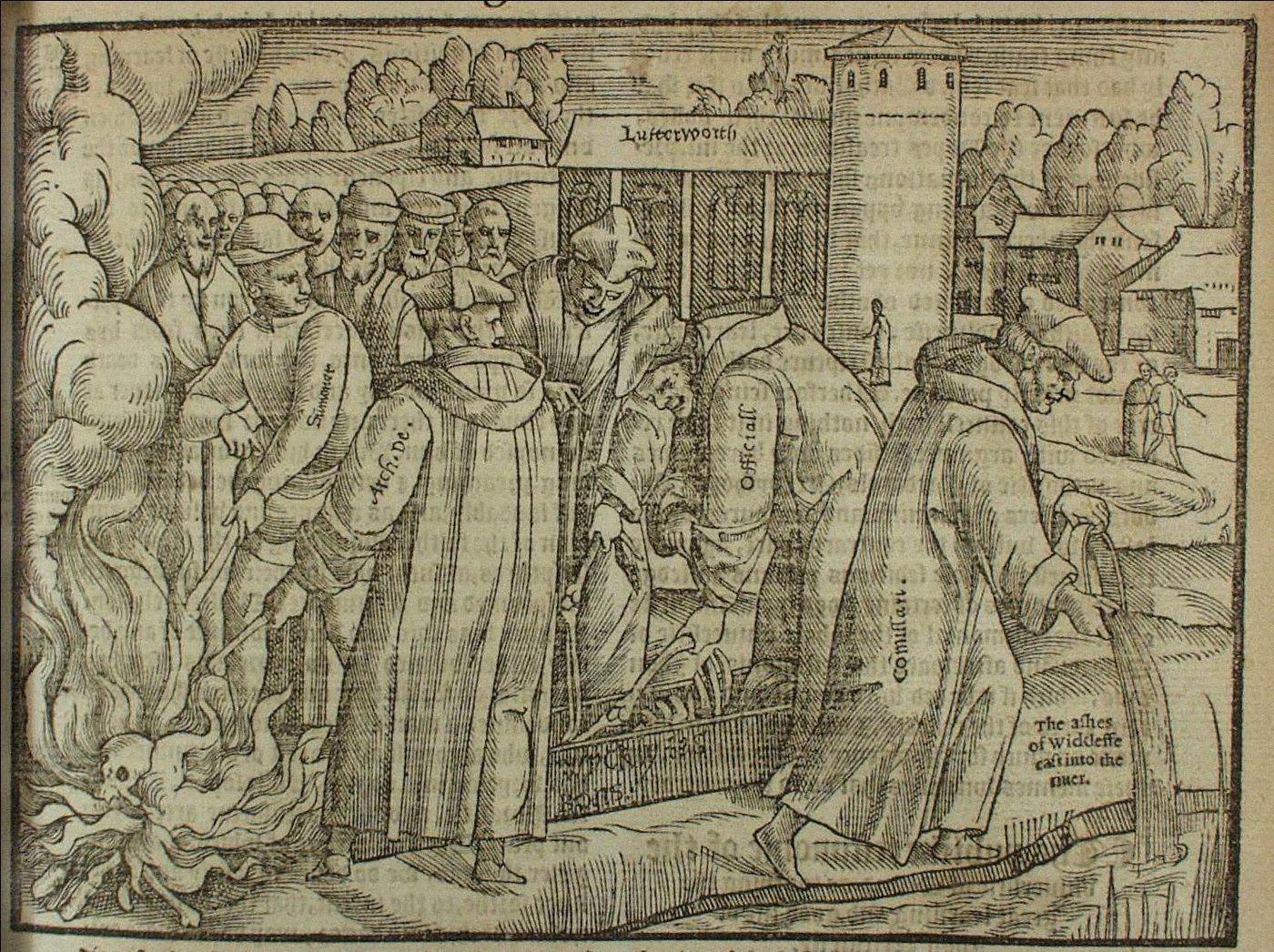
Отправляйтесь в Амершам. Вверх по Стейшн-роуд, поверните налево через дома и выйдите в поле. Здесь установлен памятник людям, сожженным заживо собственными детьми, которых заставили разжигать костры и сжигать заживо своих родителей. Почему? Потому что их родители были пойманы в лесу Амершема за чтением Библии. Таков был результат Уиклифа и лоллардов. А сам Уиклиф мирно скончался на посту ректора Латтерворта.
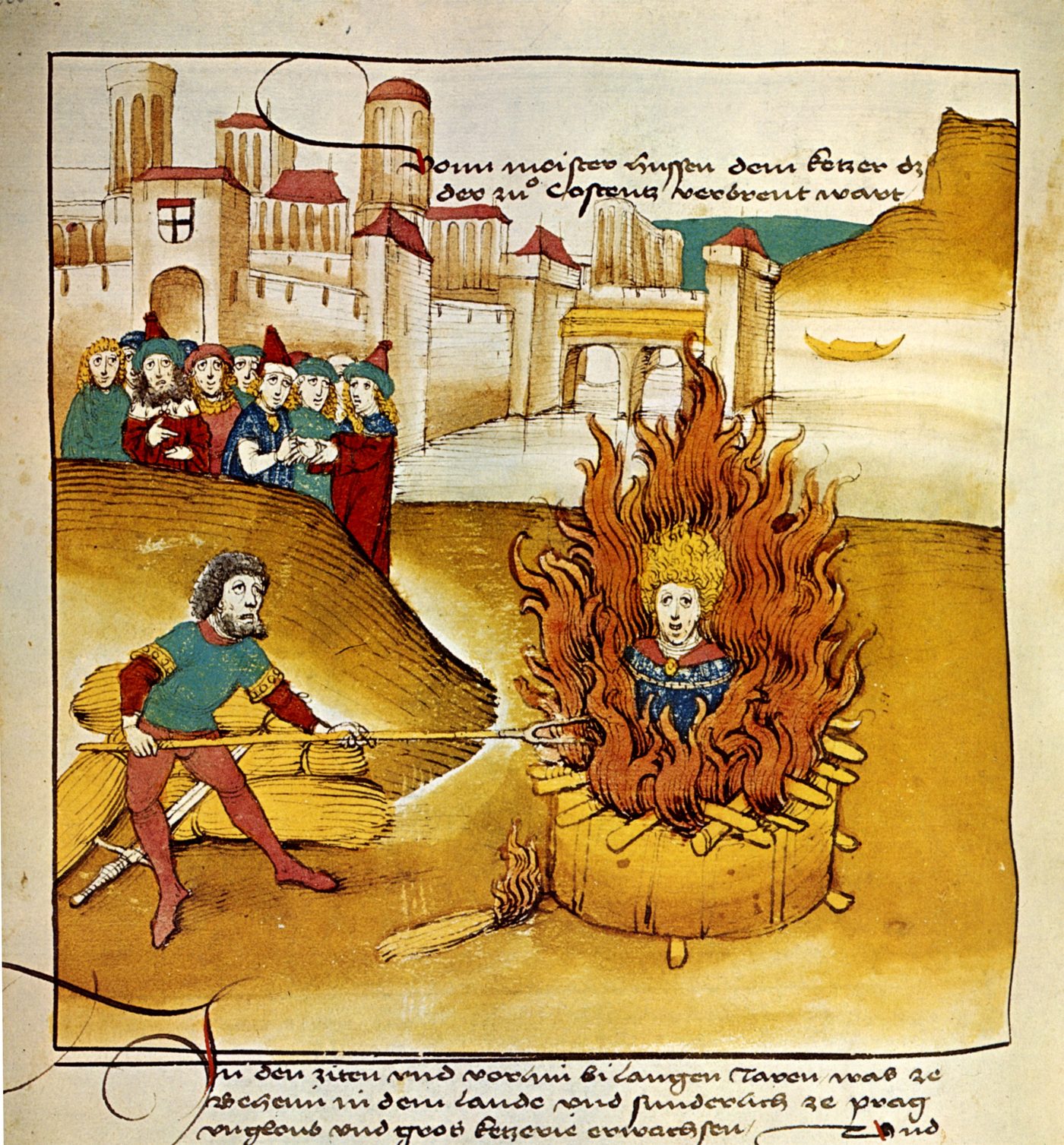
Уиклиф учился в Оксфорде, а в Европе был еще один университет, тесно связанный с Оксфордом: Пражский университет. Настоятелем Праги был бедный крестьянский мальчик, поднявшийся благодаря упорному труду. Его тоже звали Джон: Ян Гус. Гус услышал об Уиклифе, начал читать книги Уиклифа и начал проповедовать то же самое в Праге. Наконец Ян Гус был арестован, и папа приговорил его к сожжению заживо; Гуситы тоже были казнены.
Когда в Англию дошла весть о том, что папа сжег Яна Гуса, что они сделали? Церковные власти отправились в Латтерворт, выкопали тело Джона Уиклифа, сожгли его на костре и выбросили пепел в реку Свифт в Латтерворте. Но кто-то сказал об этом:
Как река Свифт перенесет этот пепел в Эйвон, а Эйвон в Северн, а Северн в каналы вокруг наших берегов, а каналы в океаны, так и учение Джона Уиклифа распространится по всему миру.
И это было удивительное пророчество.
Река свидетелей
Пламя веры никогда не угасало полностью
Пэусон признаёт, что когда-то думал: тысячу лет существовала только Римская церковь. Это не так. Всегда тянулась непрерывная цепочка простых христиан, плативших жизнью, но передававших факел следующему поколению.
Монтанизм — Дух заново открыт во Фригии
Отшельники и монашеские общины — протест против мирского духа
Павлиане в Армении и Малой Азии
Богомилы в Болгарии и Боснии
Арнольд Брешианский — «богатство из рук Церкви»
Вальденсы — «бедняки Лиона»
Катары / альбигойцы на юге Франции
Франциск Ассизский — бедность и миссия
Бегарды и Братья общей жизни
Марсилий — «Библия — мерило, иного нет»
Уильям Оккам — заставлен молчать
Джон Уиклиф — утренняя звезда, английская Библия
Ян Гус — сожжён в Констанце
Мартин Лютер — рассвет наступает
Примечание: некоторые группы (павлиане, богомилы, катары) на самом деле были дуалистами и ближе к гностицизму, чем к христианству Нового Завета в его изложении Пэусона — см. янтарное примечание в этом разделе.
Рассвет: эпоха открытий и Реформации
Мы стоим на пороге чего-то захватывающего. Вы видите, что такое издевательство над Церковью Христовой не могло продолжаться вечно. Люди начали видеть, и единственное, что позволило им увидеть, это то, что они начали читать эту книгу на своем родном языке. Эта книга, где бы она ни была, все исправит.
Но была и другая причина Реформации, а не только злоупотребления церковью. Дело в том, что люди входили в эпоху открытий. В материальном мире: Колумб открыл Америку в 1492; Коперник открыл, что Земля вращается вокруг Солнца, а не наоборот; Галилей поднес телескоп к своим слабеющим глазам и посмотрел на звезды. Это был рассвет эпохи науки, когда люди начали задавать вопросы.
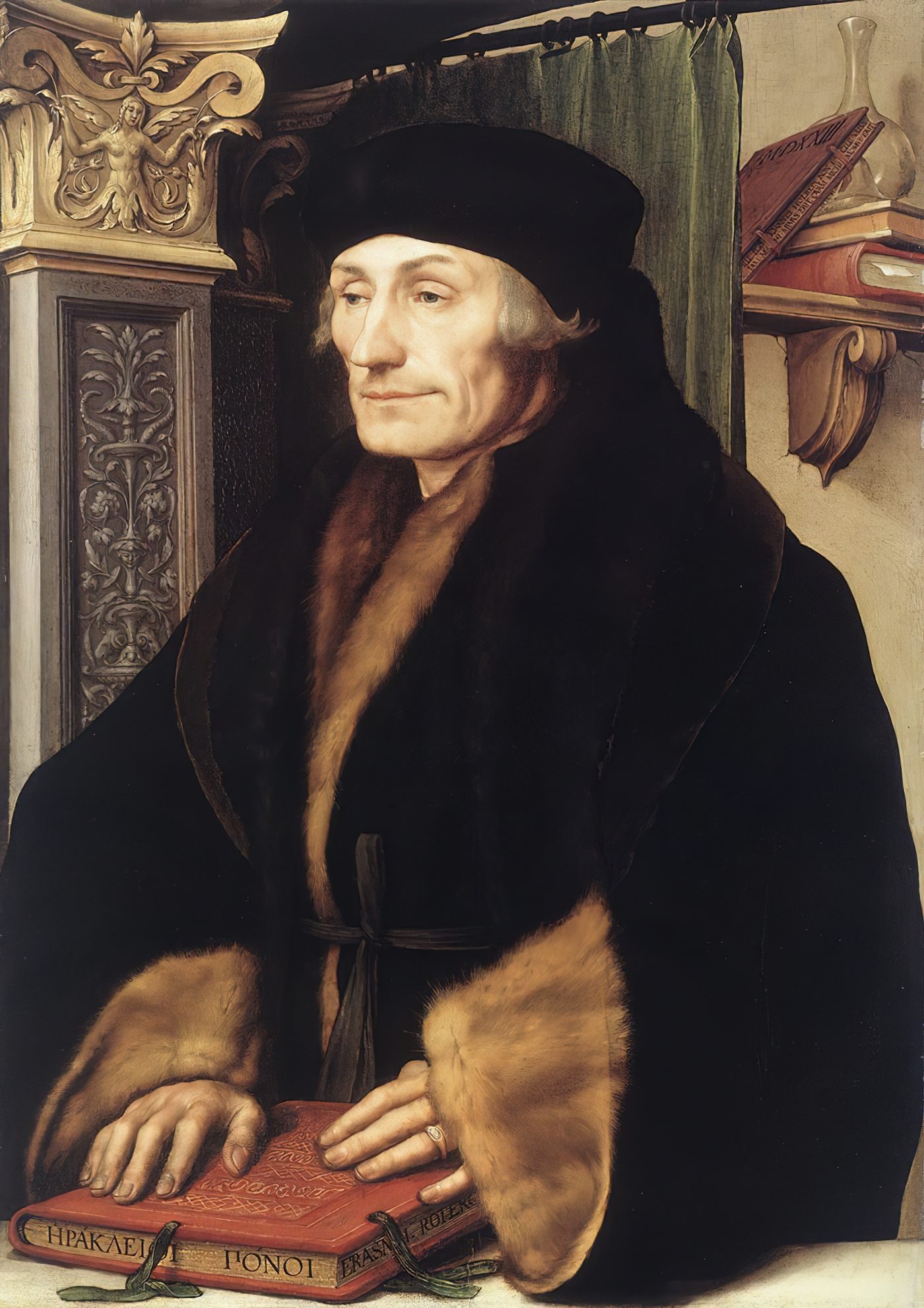
В ментальной сфере мужчины заново открывали для себя греческую литературу и искусство. В картинах Рафаэля вы видите, как древняя культура снова поднимается, потому что Константинополь пал под властью турок, а сокровища греческого искусства были унесены в Рим и Италию. Новые знания распространялись, потому что печатный станок только что был изобретен. Одним из величайших ученых нового времени был Эразм. Он обратился к греческому Новому Завету. Эразм сказал: «Я сделаю Новый Завет настолько точным, что даже самые скромные люди поймут его послание». И он составил точный Новый Завет, в котором вместо слова «покаяние» появилось слово «измените мышление». Так были исправлены многие ошибки в использовавшихся тогда Библиях.
Но это последнее, что хочет сказать Поусон. Во всем этом великом открытии духовных вещей, искусства, музыки и скульптуры, целое великое движение, которое мы называем Ренессанс, люди обнаружили одну вещь: если люди лучше интеллектуально, они, следовательно, не лучше морально. Это была эпоха, когда папы наполняли свои дворцы сокровищами искусства, эпоха Чезаре и Лукреции Борджиа, самой безнравственной папской семьи, которая когда-либо существовала. Эпоха, когда люди изучали искусство, музыку и литературу, изучали небеса и все еще были аморальными.
Ренессанс был чисто ментальным и культурным явлением. Это не решало проблему греха. Весь мир ждал, когда человек вновь обретет спасение.
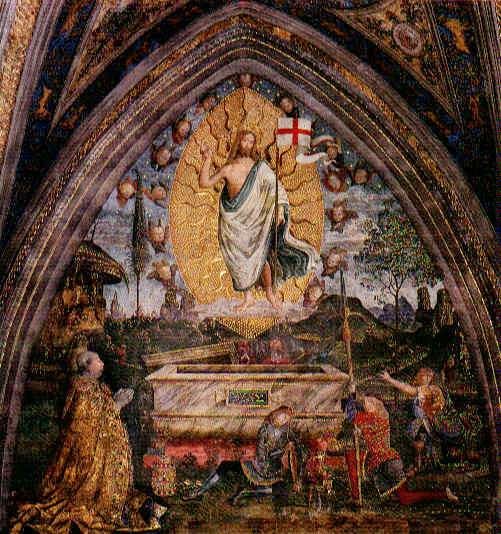
Ожидание человека, который справится с моральной проблемой человечества, церкви и мира; человек, который прочтет эту книгу и, исходя из своего собственного опыта греха и спасения, заново откроет секрет христианской силы, способной изменить мир. И этот человек был Мартин Лютер, монах. В этом же месяце, 450 лет назад, он обнародовал свое открытие. Ренессанс был интеллектуальным, но Реформация была нравственной. Он решил реальную проблему, которая заключается не в недостатке наших знаний, науки или культуры, а в недостатке Иисуса Христа и Евангелия спасения. Его история — часть 3 этой серии.
Ренессанс и Реформация
Ренессанс был умственным, Реформация — нравственной
Ренессанс — умственный
• Колумб достигает Америки (1492)
• Коперник и Галилей обращают взгляд к небесам
• Падение Константинополя (1453) → греческие сокровища хлынули на Запад
• Изобретён печатный станок
• Эразм возвращает греческий Новый Завет
• Расцветает искусство Рафаэля
Но быть умнее — не значит быть святее: это была эпоха пап Борджиа.
Реформация — нравственная
Миру недоставало не знаний, науки, искусства или культуры. Миру недоставало Иисуса Христа и Евангелия спасения.
Весь мир ждал человека, который заново откроет спасение и вступит в борьбу с грехом. Этим человеком был монах Мартин Лютер.
«Ренессанс обратился к голове, Реформация — к сердцу». Часть 3 этой серии расскажет историю Лютера.
Более одного голоса
Как другие историки и проповедники читают это тысячелетие
Пэусон проповедует с резко протестантской позиции. Чтобы быть справедливыми и дать услышать больше одной стороны, вот как другие рассказывают ту же историю: кто-то соглашается, кто-то возражает.
Историки и обзоры
Хусто Л. Гонсалес · The Story of Christianity, том 1 (1984)
Он читает тысячелетие как парадокс: «константиновский поворот» расширил «узкие врата» до проспекта, и толпы хлынули внутрь, а монашество возникло как протест. Но он отказывается списывать эпоху как отступничество.
«Когда церковь соединяется с силами мира… как противостоять огромным искушениям времени?»
В отличие от Пэусона: Соглашается с «мир захватил Церковь», но смягчает это: истинная преданность существовала, а монахи сохраняли знания.
Брюс Л. Шелли · Church History in Plain Language (1982)
Популярный евангельский обзор: константиновский поворот принёс настоящую власть, но «за это пришлось заплатить»; монахи, несогласные и реформаторы были совестью церкви, призывая её вернуться к более чистой апостольской жизни.
«Те, кто наиболее благочестиво живёт ради грядущего мира, часто лучше всего подготовлены изменить настоящий».
В отличие от Пэусона: В целом соглашается с Пэусоном, но справедливее и мягче, видя обновление как реформу изнутри, а не только как протест.
Диармайд Маккалох · A History of Christianity (2009)
Предупреждает против чтения Средневековья как простого «упадка»: это был богатый, сложный мир, а его «еретики» были весьма различны и в основном чужды позднейшему протестантизму, а не его предшественники.
«…более интересно сложный рассказ, в котором религия и сомнение, богохульство и преданность оставались в диалоге».
В отличие от Пэусона: Смягчает вывод Пэусона: подчёркивает богатство и достижения средневекового христианства и то, что несогласных нельзя объявлять предками Реформации.
Кеннет Скотт Латуретт · A History of Christianity (1953)
Он читает тысячелетие как ритм «продвижения и отступления»: несмотря на коррупцию и затмение, вера распространялась среди «варварских» народов Европы и никогда не угасала. Он назвал эпоху «Тысячелетием неопределённости».
«На протяжении своей истории христианство двигалось вперёд крупными пульсациями. Каждый новый шаг уносил его дальше предыдущего».
В отличие от Пэусона: Смягчает вердикт Пэусона долгим взглядом историка: даже среди коррупции вера укоренилась и распространилась.
Роберт Луис Уилкен · The First Thousand Years (2012)
Показывает, что христианство никогда не было только римским или западным: общины в Персии, Армении, Эфиопии, Центральной Азии, Индии и Китае активно формировали его путь.
«Армяне, греки и эфиопы имели много общего: ими управляли епископы; они поддерживали монашескую жизнь; они исповедовали Никейский Символ веры».
В отличие от Пэусона: Расширяет рамку Пэусона до глобального христианства, которое западное повествование обычно упускает.
Том Холланд · Dominion (2019)
Историк извне веры утверждает, что сами средневековые реформы — прежде всего «революция» Григория VII XI века — сформировали нравственную совесть Запада: разделение «светского» и «священного» и почву для прав человека.
«[Реформаторы] сделали [различие между священным и мирским] чем-то основополагающим для будущего Запада, “впервые и навсегда”».
В отличие от Пэусона: Возражает Пэусону: средневековая церковь — даже папская власть — заложила нравственную почву Запада, меняя мир, а не только попав под его влияние.
Евангельские проповедники
Джон Пайпер · The Legacy of Sovereign Joy (2000)
Читает Августина (начала V века) как дар благодати: человека от греха освобождает не сила воли, а «суверенная радость» в Боге, подчиняющая греховные удовольствия у корня.
«Неодолимая благодать… освободит нас суверенной силой превосходящих наслаждений».
В отличие от Пэусона: Дополняет Пэусона: в начале периода видит у Августина живой исток благодати, а не только институциональный упадок.
Майкл Ривз · The Unquenchable Flame (2009)
Читает тысячелетие как «фон», на который Реформация должна была ответить: позднесредневековая церковь учила благодати как силе, позволяющей сделать себя достаточно святым, оставляя верующих без уверенности. Но пламя Евангелия никогда не угасало полностью (Уиклиф, Гус).
«Средневековая благодать действовала “как духовная банка Red Bull”, оставляя людей “без уверенности”; восстановлено было понимание праведности как “дара грешникам”».
В отличие от Пэусона: Соглашается с Пэусоном, что центр Евангелия был утрачен, но мягче: подчёркивает «восстановление» и преемственность, представляя Реформацию как возвращение к Божьему Слову.
У. Роберт Годфри · A Survey of Church History (Ligonier)
Реформатское прочтение: евангелие благодати Августина — яркая нить, но в Средние века оно постепенно «затуманивалось» суеверием и папством. Однако церковь никогда полностью не умирала — верный остаток сохранял Евангелие живым.
«То, что мы видим в Средние века, — действительно время растущего суеверия, растущего замешательства и затуманивания Евангелия».
В отличие от Пэусона: В основном соглашается с Пэусоном, но смягчает «мир захватил церковь»: утверждает, что на протяжении тысячелетия всегда была «одна яркая звезда», хранившая истину.
Католические и православные голоса
Имон Даффи · Saints & Sinners: A History of the Popes (1997)
Читает тысячелетие как более человеческое и запутанное, чем позволяют похвала или полемика: коррупция и симония были реальны, но он отказывается сводить историю церкви к обвинению; сохранялась должность, а не добродетель её носителей.
«При всех её грехах… папство в целом, кажется мне, было силой человеческой свободы и широты духа».
В отличие от Пэусона: Смягчает протестантскую позицию Пэусона: признаёт коррупцию, но сопротивляется полемике одной причины, видя в папстве запутанный человеческий институт.
Каллист Уэр · The Orthodox Church (1963)
Для Уэра раскол 1054 года был не событием одного дня, а «долгим и сложным процессом»; именно крестовые походы, прежде всего разграбление Константинополя в 1204 году, сделали разрыв окончательным. С Востока настоящим «новшеством» было превращение Римом первенства чести в верховенство юрисдикции.
«Ошибка Рима — так считают православные — состояла в том, что это первенство, или “председательство любви”, превратили в верховенство внешней власти и юрисдикции».
В отличие от Пэусона: Смотрит на ту же проблему с православной, а не протестантской стороны, подчёркивая, что раскол пришёл постепенно, а не в один драматический момент.
Анри Даниэль-Ропс · Cathedral and Crusade (1957)
Католический историк читает тысячелетие не как «мир захватывает Церковь», а как христианизацию и цивилизацию Европы Церковью — сохранение грамоты и знания среди хаоса. Не приукрашивая упадок (он называет XIV век «катастрофой»), он утверждает, что Церковь продолжала порождать святых и реформаторов изнутри.
«От низших до высших слоёв общество верило — Церковь была “самым действенным средством обеспечения спасения цивилизации”».
В отличие от Пэусона: И смягчает, и оспаривает Пэусона: признаёт коррупцию, но утверждает, что даже среди упадка Церковь спасала цивилизацию и реформировала себя изнутри.
Основано на стандартных обзорах истории Церкви и посланиях и книгах современных учителей. Цель не в том, чтобы опровергнуть Пэусона, а в том, чтобы услышать его в хоре голосов.
Заключительная молитва
Поусон заканчивает не кратким изложением, а молитвой после того, как перед глазами его слушателей пролетело столько лет и столетий:
«Отец, пусть мы будем такой церковью, какой Ты хочешь, чтобы мы были. Пусть мы научимся на ошибках прошлого, уроках истории. Мы благодарим Тебя за то, что на протяжении всех этих веков Ты никогда не был без свидетельства, никогда без тех, кто знал истину, кто часто платил за нее своей жизнью, но поддерживал горящий факел веры, который мы унаследовали, чтобы передать будущим поколениям. Там, где церковь испорчена, очистите ее. Там, где она в заблуждении, приведите ее к истине. Там, где она разделена, объедините ее и, прежде всего, пусть Иисус Христос будет главой церкви и единственным главой церкви».
Тысяча лет моря, просачивающегося в лодку. Но пламя никогда не гасло полностью. И в конце этого длинного туннеля рассветает. Часть 3 расскажет историю монаха, который увидел, что пошло не так, и который с помощью одной книги снова все исправил.
Note: This post is compiled from the second lecture in David Pawson's History of the Church series (Part 2: AD 400–1400), about 69 minutes long. As in Part 1, I do not guess or embellish: every major argument comes straight from Pawson. Wherever I looked something up, checked it against the sources, or corrected a detail, I left it as an amber margin note woven into the text. For this part especially, because the lecture touches the most contested stretches of church history, I also read other historians and preachers, so that you hear more than one voice.
The unhappier story
Part 1 told how the Church captured the world in the first four centuries: it won the physical battle by suffering, the mental battle by confronting heresy, and the spiritual battle by standing firm against other religions.
Pawson says there is one thing he forgot to mention last week, and it matters: the Christians won because they out-lived, they out-thought, and they out-died everyone else. They out-lived, and so won the spiritual battle. They out-thought, and so won the mental battle. They out-died, and so won the physical battle. And therefore they out-survived everything else.
But tonight, he says, the subject is far sadder and far more serious. The subject is: how the world captured the Church over the next thousand years.
There is a medieval painting of the Church as a lifeboat. In a tossing sea, the Christians in the boat reach out to pluck the drowning from the waves. It is a fine picture of the Church: a lifeboat gone out into the world in answer to the cry for help.
But Pawson pauses on one thing:
The lifeboat must be in the sea. But if the sea gets into the lifeboat, then there is real trouble. The church must be in the world if it is going to save souls. But when the world gets into the church, then it is finished and it sinks.
The next thousand years is the story of the sea getting into the boat. Pawson takes it in three chapters: the world began to get in even in the early ages (AD 100–400); then the Dark Ages (AD 400–1000); then the Middle Ages (roughly 1000–1500), which bring us to within a year or two of Martin Luther.
The Lifeboat Picture
The boat must be in the sea, but the sea must not be in the boat
Pawson opens with a medieval painting: the Church as a lifeboat in a tossing sea, reaching out to pluck the drowning from the waves.
The lifeboat in the sea
The Church is in the world to save souls. This is the mission itself.
The sea inside the lifeboat
When the world gets into the Church, the boat sinks. That is the story of a thousand years.
"The church must be in the world if it is going to save souls. But when the world gets into the church, then it is finished and it sinks." — David Pawson
A Thousand-Year Timeline
AD 400–1517: from the fall of Rome to Luther
Four currents braid through a thousand years: decline, the rise of papal power, voices of protest, and an age of discovery.
Some dates are simplified for clarity; precise milestones are checked in the amber margin notes throughout the essay.
How the World Got Into the Church (AD 100–400)
When there were martyrs like that, preachers like that, when the battle was being won, how did the world get in? Pawson names four things that began to water down the apostles' Church.
First, regional bishops. In the New Testament every church had a number of bishops, called elders or bishops or presbyters, all the same office: spiritual leaders. Then came a stage where each church reduced its bishops to one. Then a stage where one bishop ruled many churches. Leadership was concentrated in fewer hands. You cannot find this in the New Testament; it did not happen for the first hundred years; but in the second century there emerged men of considerable power and influence. Not many bishops to one church, but many churches to one bishop.
Second, a magic view of the sacraments. Take baptism. Instead of being an outward sign of the spiritual washing away of sins that comes when a man believes in Jesus, people began to believe that the actual water and the right formula saved a person from sin, whatever their age; and that if you sinned after baptism, you undid it. So people put off baptism until the deathbed: they waited until the doctor said there was no hope, then rushed for the minister. But others worried: what if our baby dies, we would rather have its sins washed away at once. Both views were superstitious. Sadly, infant baptism prevailed. The Lord's Supper too was treated magically: people began to think the bread actually was Christ's flesh and the wine his blood; since real flesh and blood were being offered, it was a sacrifice; and since it was a sacrifice, the one handling it must be a priest.
Third, established religion. When the emperor went to church, you can imagine everyone did. When the state declared Christianity the official religion, everyone climbed on the bandwagon. Going to the established church became fashionable and respectable. Pawson says plainly: an established religion is bound to produce fashionable, respectable Christianity, and he cannot find that in the New Testament.
Kit's note
One thing I'll return here: it was not Constantine who made Christianity the official religion. The Edict of Milan (313, Constantine with Licinius) granted only toleration — freedom of worship and the return of property, ending persecution. It was Theodosius I who, by the Edict of Thessalonica in 380, made Nicene Christianity the state religion. Pawson's larger point — that once faith becomes 'fashionable and respectable' the world seeps in — stands; only the milestone belongs to Theodosius, not Constantine.
Fourth, nominal membership. A writer at the end of the second century observed: around the year 50, to belong to the Church meant a person had received baptism and the Holy Spirit and called Jesus Lord; but by around 180, it meant a person acknowledged the rule of faith (the creed), the New Testament canon, and the authority of the bishops. In other words, people were joining for reasons other than believing in Jesus and receiving his Spirit. It was now an institution.
And whenever the Church went wrong, there were protests. In the first 400 years there were two movements: Montanism and monasticism. Both protested against a Church growing wealthy, worldly, and filled with people who had never even been converted.
Montanism arose in what we now call Turkey, Asia Minor. A man called Montanus saw that in scores of members there was no trace of the Holy Spirit, so he sought the Spirit of God afresh. A revival broke out. The gifts of the Spirit came back into the Church; life, vigour, and reality came back into worship. Pawson says if you want to know who they were most like today, they were Pentecostals. There was a tremendous emphasis on Christ's return, an insistence that no one be a member without a real faith, with holiness and fasting. But the bishops opposed it severely, and you can guess why.
The tragedy is that, as so often, this first Pentecostal movement went wrong. It went wrong because these people would not have teaching. They wanted the heat without the light. Pawson says: light without heat is cold; heat without light is too hot; you must have both. They would not listen to the Scriptures on how to exercise spiritual gifts. And the movement fizzled out in fanaticism. "That is a word every Pentecostal revival needs to know," Pawson says. "We can learn from history."
Kit's note
I'll gently push back on 'the women spoilt it.' The pastoral caution — heat without light — is fair, and the ecstatic, trance-like prophecy was indeed what the mainstream church attacked most. But pinning it on 'the women,' Priscilla and Maximilla, isn't fair: Montanus himself prophesied passively ('I am as a lyre, and the Spirit sweeps over me like a plectrum'). Modern study (Christine Trevett) shows what was really condemned was their claim to a new authority over the church — not the fact that the prophets were women.
The second protest came in a very different way. Some years later certain Christians said: this Church is so worldly, so dead, that the only hope of recovering Christianity is to get out of the Church and out of the world.
The first of them did it alone. They were hermits. It is the strangest tale. Anthony was the first: he decided he would never be a real Christian until he got into the middle of the desert. The trouble was that when he got there, other Christians wanted to join him, and he did not want that; and above all, he found his temptations in a desert cave just as worldly as they had been in the Church. There was an even stranger hermit, Simeon Stylites: he built a pillar some sixty feet high, a yard across at the top, and lived up there for decades. He even stood on one leg for a year, as a protest declaring that Christianity is something hard and tough. And there he was, up the pole, covered in ulcers and worms, in a frightful state.
More successful than the hermits were those who started communities. The man who began this movement was Benedict. On Monte Cassino, halfway between Rome and Naples, he gathered a group of real Christians who saw the Church was too worldly to do anything with, and said: we will come and live together. We will not be wealthy but poor. We will not be lustful but celibate. We will not be rebellious but obedient. They took the threefold vow: poverty, chastity, obedience. And the monastery was run like a Roman soldier's garrison.
Kit's note
A small but real correction: Benedict (c. 480–547) did not start communal monasticism. Pachomius founded cenobitic communities in Egypt around 318–323, nearly two centuries earlier. Benedict is the father of Western monasticism and wrote its most influential Rule — but not its founder. And his Rule's vows are really stabilitas (staying in one house), conversatio morum (conversion of life) and obedience; the familiar 'poverty, chastity, obedience' formula belongs to later orders.
The tragedy is that this protest went wrong just as surely as the other. Christ never meant us to live the Christian life away from everybody else. Later these monks, who began with a good intention, became so wrapped up in their own salvation, so introverted, that they were isolated from the world and the Church. Worse, monasticism produced the idea that there are two kinds of Christians: second-class ones who marry and first-class ones who do not; second-class ones who live in the world and first-class ones who live out of it. But that is not the teaching of Jesus. Our Lord was not a monk. He did not withdraw from society; he lived a pure life in society, and told his disciples to be in the world without being of it.
Both said: the Church is not what Jesus Christ meant it to be. One said we will rediscover it by getting back into the Spirit. The other said we will rediscover it by getting out of the world and out of the Church. Both came to nothing, because they did not return fully to New Testament Christianity.
How the World Got In — AD 100–400
Four cracks and two protests
Even in the age of victory, four things began to water down the apostles' Church. And whenever it went wrong, voices of protest rose up.
Regional bishops
From many elders per church to one bishop over many churches. Power concentrated in few hands, copying Rome's governors.
Magic sacraments
Baptism seen as saving in itself, so delayed to the deathbed or given to infants. The Lord's Supper taken as literal flesh and blood, a sacrifice needing a priest.
Established religion
When the emperor went to church, everyone went. Faith became fashionable and respectable instead of a surrender.
Nominal membership
People joined for reasons other than believing in Jesus and receiving the Spirit. The Church became an institution.
Two protests
Montanism
A Pentecostal protest
Rediscovered the Spirit and the gifts, stressing Christ's return and holiness. But it had "heat without light," refused teaching, and burned out in fanaticism.
Monasticism
A protest by withdrawal
Left both the world and the Church to recover real Christianity. But it produced "two-tier" Christians, and Christ never called us to live apart from everyone.
Both protests were sincere, yet both came to nothing because they did not return fully to New Testament Christianity.
The Dark Ages: The Fall of Rome (AD 410)
Now the story truly begins. In 410, a catastrophe came. Barbarians from the north pressed down on the city of Rome. The Vandals came (from their name we get the word "vandalism"). The Franks came, the Huns came, the Goths came. These barbarians pressed into Rome and took it. The Rome of that day fell.
Kit's note
Let me check this one: the sack of Rome on 24 August 410 was carried out by one people — Alaric's Visigoths — not a combined army of Vandals, Franks, Huns and Goths. The Vandals were then pushing into Spain (they would sack Rome only in 455), and Attila's Huns struck the West only in 451–452. Pawson's larger picture — a whole wave of 'barbarian' peoples pressing on the Empire — holds; but the army that breached Rome in 410 was Alaric's Goths alone.
The Romans left Britain that year to defend Rome, but could not save it. And as soon as the Romans withdrew, the Jutes, the Angles, and the Saxons charged into Britain and destroyed Christianity in England and south-east Scotland. The Christianity that Roman soldiers had brought here in the first 400 years vanished.
It seemed that when Rome fell, it was the end of everything. Jerome, writing in Jerusalem, said: "the human race is included in the ruins." People thought it was the end of civilization. And it puzzled the Church: Rome had survived for centuries as a pagan empire, yet as a Christian one it collapsed. Many Christians could not understand it.
Kit's note
A small geographic note (the Part-1 kind): Jerome was not in Jerusalem but in Bethlehem (very near it), where he lived in a monastery from 386 until his death in 420. His most famous line is from the Preface to his Commentary on Ezekiel (c. 410–414): 'when the bright light of all the world was put out... the whole world perished in one city' (in una urbe totus orbis interiit). Pawson's 'the human race is included in the ruins' faithfully catches Jerome's grief.
But one man thought it through and made an incredible statement. He said: it is the best thing that ever happened. His name was Augustine.
Augustine: A Restless Heart That Found Its Rest
You can buy his books at the railway bookstall today. And if I tell you some of the things this great man said, you would recognize them. He said: "Our hearts are restless, and they can find no rest until they find their rest in thee." Perhaps the most quoted prayer in history. It was Augustine who prayed: "Give me chastity, but not just yet." And it was Augustine who said: "Love, and do what you like."
He was born in North Africa. When he went as a student to Carthage, he fell in with the wrong crowd. Soon he had a concubine and a son by her, and lived in that illegal relationship for years. His father was pagan, but his mother was a godly woman who prayed for her wayward son with tears every day. Later, because of his brilliant mind, he was invited to be a professor of rhetoric in Milan. There he went to hear the saintly Bishop Ambrose preach. Under that preaching, the young man with the brilliant mind but the profligate life was brought into a deep conviction of sin.
Then one day, sitting in a garden weeping over the mess he had made of his life, he heard a child's voice over the garden wall: "Tolle lege, tolle lege" — "take up and read." He never knew who the child was. But he saw a scroll on the seat beside him, took it up, and read. It was Paul's letter to the Romans. Augustine read it through, and the light dawned. When he walked into the street afterward, the woman he had lived with saw him, and he ran from her. She ran after him crying: "Augustine, it is I, it is I." He answered over his shoulder: "But it is not I, it is not I."
Kit's note
The exchange — 'It is I, Augustine!' / 'But it is not I' — is a lovely pious anecdote, but it is not in the Confessions or any early source. By Augustine's own account (Confessions 6.15), the woman had already been sent away before his conversion (c. 385); she returned to Africa vowing to remain unmarried. The clever retort appears only in much later retellings — a moving tradition rather than history.
He wrote the whole story of his conversion in a book called Confessions. Pawson says Augustine has had more influence on church history than any man after the apostle Paul.
When Rome fell, Augustine being in middle age, the whole world seemed to collapse about his ears. He thought it through, then wrote the second great book we remember: City of God. In it he says: it is a good thing this pagan city of Rome has collapsed, because now the city of God can replace it; it is a good thing an earthly empire has ended, because the heavenly empire can now be established. The book brought hope and new life to many, helping them see that a city of God still survived when the city of men had gone.
But that was the trouble. People began to ask: what is this city of God? Visible or invisible? Earthly or heavenly? And at this point Augustine led many into a misunderstanding. The funny thing is that centuries later, in the Reformation, the Protestants said "we follow Augustine," and the Roman Catholics said "we follow Augustine." But the Protestants were following the first book, Confessions; and the Catholics were following the second book, City of God.
For what happened was this: the Church said, if that is so, then the Church is now the new empire.
The Church Becomes an Empire: The Rise of the Papacy
One of the first results was the rise of the bishop of Rome to the position of an emperor. In those days there was a great debate about the word "pope," which means essentially "father." Although Jesus had said never to call anyone on earth father, for you have one Father in heaven, people began to call the local priest "father." Then they called the regional bishop "father." Then finally the five great patriarchs said: if anyone is to be called father, it ought to be us five. And at last, the bishop of Rome said: the city of Rome is gone, but I am the emperor now; I am the chief bishop, and from now on you call only me pope, you call only me father.
And the papacy, as we know it, came into being. The striking thing is that the pope adopted the very titles and even the robes of the Roman emperor. He took the title Pontifex Maximus, known today as the pontiff — the Roman emperor's title. Augustine was misunderstood, and people thought the Church was the new empire. And an empire must have its emperor, its robes, its ceremonies, its throne. So the Church became an empire, and the pope became a king.
Of course, many Christians would have none of it. The French would not, the Irish would not, the Welsh would not, the Scots would not. Sadly, the English did.
When the Church Became an Empire
The ladder of power and the closing circle
The ladder to "father"
The local priest is called "father"
Then the regional bishop
Then the five great patriarchs claim the title
The bishop of Rome: "call only ME pope"
Takes the emperor's titles & robes (Pontifex Maximus)
"Call no man on earth your father…" (Matthew’s Gospel)
The circle 410 → 800
410 — The Roman Empire collapses
The Church takes over, becomes the new "empire"
800 — Charlemagne crowned Emperor
The empire returns — full circle
Augustine wrote City of God to console a collapsing world; but people misread it to mean the Church was the new empire — and an empire must have its emperor, its throne, its robes.
Two Streams of Christianity Meet at Whitby
Ireland, through St. Columba, brought the faith into Iona and Scotland, leading Scotland to Christ. Then Aidan came down to the island of Lindisfarne off Northumberland. Pawson recalls standing on Lindisfarne a few months earlier, by the ruins of Aidan's church, the little island from which he evangelized Northumberland. This non-papal Christianity, Celtic Christianity, came into England from the north through Ireland and Scotland.
But later the pope said: we must get England, we must get those Angles. He made the famous pun: they are not Angles but angels. And he sent a missionary also named Augustine. This Augustine landed on the island of Thanet, then went to Canterbury. Columba on the island of Iona in the north; Augustine on the island of Thanet in the south.
The two streams of Christianity met at Whitby. You can still see the ruins above Whitby harbour where they met. There, papal Christianity met Celtic Christianity, to see which would win. The tragedy is that papal Christianity won. The British Isles came under the papal throne. Scotland even changed its patron saint to St. Andrew. The whole situation was changed.
Kit's note
Let me clarify one thing: the two streams in the British Isles were real, but saying Celtic Christianity 'rejected the pope' overstates it. They didn't oppose Rome on doctrine; they kept older customs — the dating of Easter and the style of tonsure — because they'd been cut off from the continent during the Anglo-Saxon period. The Synod of Whitby (664) was a dispute over custom and calendar, not a schism; Pawson is right that Rome's side prevailed.
Two Streams Meet at Whitby
Which way would Britain go? (Synod of Whitby, 664)
Celtic Christianity
Ireland → Iona (Columba) → Lindisfarne (Aidan) → northern England
No pope. Simple, missionary.
Roman Christianity
Rome → Augustine on Thanet → Canterbury → the south
Loyal to the pope.
Whitby, 664
Roman Christianity won. The British Isles came under the papal throne. Pawson calls it a tragedy; you can still stand among the ruins above Whitby harbour today.
Schematic, not to geographic scale. Whitby took place in 664 (Pawson says "660").
East and West Divide (1054)
The other great group of Christians who would have none of this were the churches of the eastern Mediterranean: Greece, Asia Minor, Syria, Egypt. They said: we are not acknowledging this. That there should be one "papa," one father of the whole Church, is not in Scripture, not in the New Testament. And they began a split, finally completed by the year 1054. That division kept the eastern and western churches apart for a thousand years, and only in recent years have the two begun to talk again.
Kit's note
A detail worth marking: Pawson saying the two sides 'have only in recent years begun to talk again' is exactly right for a sermon around 1967. On 7 December 1965, in simultaneous ceremonies in Rome and Constantinople, Pope Paul VI and Ecumenical Patriarch Athenagoras I lifted the mutual excommunications of 1054, after their historic meeting in Jerusalem in January 1964. So his 'recent years' was, for him, fresh news.
And here is one of the most incredible things. Around the year 850, the pope said: I have discovered documents from the first century, proving that Peter appointed the first pope, who appointed the second, and so on down the line. Today even the Roman Church knows those documents were forgeries; they are called the forged decretals. And yet the papacy was built on a forgery. There was another forged document, the Donation of Constantine, claiming that all of Italy belonged to the pope. The pope "discovered" this forgery and said: there, all Italy belongs to me. That is the kind of foundation on which the whole structure was based, and even Rome knows it today.
Kit's note
Let me return a detail on 'the pope produced these documents': Pawson's date, 'around 850,' is very close — the Pseudo-Isidorian Decretals (False Decretals), under the pen-name 'Isidorus Mercator,' were forged around 847–852. But the forgers were Frankish clergy near Reims, not the pope himself, and the first aim was to protect ordinary bishops from being deposed. Still, Pawson's larger point holds: those forgeries were later cited by Rome to buttress papal supremacy.
The Great Schism, 1054
One Church split in two for nearly a thousand years
The five patriarchates (the Pentarchy)
The West (Latin)
Rome — one pope over the whole Church
• Supremacy of the pope
• Added "and the Son" (filioque) to the Creed
• Unleavened bread
Latin tradition
The East (Greek)
Constantinople + the patriarchs — equals, no single "papa"
• Five equal patriarchs
• The Creed left unchanged
• Leavened bread
Greek tradition
The mutual excommunications of 1054 were only lifted together by Pope Paul VI and Patriarch Athenagoras in 1965 — close to Pawson's "the last ten years" when he preached in the 1960s.
Charlemagne and the Holy Roman Empire (AD 800)
The power kept spreading, until the year 742, when a man was born with a dream: to restore the empire of Rome, put it back on the map, with himself as emperor and the pope beneath him. His name was Charlemagne. A ruthless man who said: we will have a Roman empire again, and its head will not be the pope but an emperor.
Charlemagne twice saved the pope's life: once from the barbarians, once from the crowds in Rome who were angry with him. The pope said: you have saved my life twice, what would you have me do for you? The emperor answered: on Christmas Day, crown me emperor. And in the year 800, on Christmas Day, in the largest church in Rome, at the Christmas morning service, the pope crowned the king of the Franks, Charlemagne, emperor of the Holy Roman Empire. A thousand years later, the Holy Roman Empire still existed.
You see, we have come full circle. The empire of Rome collapsed in 410. The Church took over the empire. Then in 800 the emperor came back and took the empire from the Church. The whole thing seemed back to where it started.
Charlemagne did some good things and some bad. Among the good: he forbade the clergy to keep concubines, frequent taverns, and go hunting; he started many schools. Among the bad: he forbade the clergy ever to marry, and it is to Charlemagne that we owe the celibate priesthood. He also coined the word Christendom — the kingdom that would be Christian under the emperor. And the idea of Christendom persists to this day.
Kit's note
Two small fixes. First — the celibate priesthood isn't owed to Charlemagne: he tightened clerical discipline, but the ban on clergy marrying became universal law only with the eleventh-century Gregorian reform and the Lateran Councils of 1123 and 1139 — three centuries after him. Second — 'Christendom' is a native Old English word (cristen + -dom); a Latin-speaking Frankish king could hardly coin it. If Pawson means he crystallized the idea of Christendom, that holds — the 800 coronation is its emblem.
The Rise of Islam
Because the Church was now wealthy and powerful, it became corrupt. And once again protests came, this time from the east and the north. From the east, the protest came from two things. The first was Islam.
Pawson calls this the greatest judgment ever to fall on the Christian Church. He had lived in Arabia and seen something of this religion. Mohammed was born in 571 in Mecca, the centre of Arab idolatry and superstition. In the middle of Mecca was a great square building draped in black, and inside it a sacred stone, the Kaaba, a meteorite fallen from the sky. Mohammed grew up amid the idolatry and superstition of the Arabs, and he was revolted by it.
Then he turned first to the Jews, then to the Christians, and asked: have you the true religion? The tragedy is that Mohammed never met a converted Christian. The tragedy is that he never saw the real Christianity of the New Testament. All he saw was the vestments of priests, images, and crucifixes. And he said: this is as idolatrous as the Arabs' religion. If only Mohammed had met one true Christian at the end of the sixth century. But he did not.
So he said: right, I will seek a new religion that is pure. He married a wealthy widow, spent years in the desert, and there he said he was spoken to: there is no God but Allah, and Mohammed is his prophet. He began to preach this, writing down what he heard in his visions in a book, the Quran (Al-Quran). He was persecuted and had to flee to Medina in 622. That is the date from which the Arabs reckon their calendar. He returned to Mecca with an army and imposed the new religion. From then on everyone had to pray toward Mecca, and by a religion of good works — fasting, praying five times a day, keeping Ramadan, making the pilgrimage to Mecca, giving alms — one could get to heaven. And that religion was imposed by force of arms.
Islam swept Christianity out of the Mediterranean. It swept Christianity off the North African coast, where there was no church for centuries. It swept Christianity out of the Holy Land itself, out of Jerusalem, out of the place where Jesus died. It swept up through Spain, up through Asia Minor, into France as far as the gates of Lyon, into Eastern Europe as far as Vienna. It seemed Islam would crush Christianity in a gigantic pincer movement.
Kit's note
An important geographic and chronological note: the Muslim advance into the West was halted at Tours/Poitiers in 732 (Charles Martel over the Umayyads), in western France — about 360 km from Lyon, not 'the gates of Lyon.' And the two sieges of Vienna were Ottoman Turkish, in 1529 and 1683 — roughly 800–950 years after the 8th-century Arab advance. These are two powers and two eras, not one coordinated 'pincer.' Pawson's theological instinct — that God stopped the tide — can still stand.
It is the greatest judgment God has ever allowed to come on the Christian Church. And it was deserved. But so far and no further. God was not going to have Christianity wiped out altogether.
He stopped them at Lyon and Vienna, and they withdrew to their present boundaries: the North African coast and up to Turkey.
Map of the Dark Ages
Two tides break over the Christian world (AD 410–732)
Orange arrows: barbarians pour south onto Rome. Green arrows: Islam sweeps the Mediterranean from Arabia, across North Africa and Spain, as far as Tours.
Base map: the Roman Empire (Wikimedia Commons, public domain). Arrows are schematic directions of advance, not exact routes. Vienna marks the later Ottoman limit — Pawson telescopes nearly a thousand years of frontier into one pincer.
Hidden Witnesses in the Dark
For at that very time, all over Europe there were little groups of Christians meeting around the word of God. They saw that the official church was corrupt, so they simply met in tiny groups, read this book, and said: we will worship God in simplicity. We do not need priests, for we have Jesus our high priest. We do not need a pope, for we have a Father in heaven. We just need the word of God and the Holy Spirit.
We know hardly anything about them, because they were so persecuted that even the records of their history were destroyed. Pawson asks his hearers whether any have ever heard of a group called the Bogomils. They were a group meeting around the word of God, chiefly in Bulgaria and Bosnia; the word "Bogomil," Pawson says, is Bulgarian for "friends of God." There were the Paulicians, who met in Armenia, Thrace, and Asia Minor. There were the Cathars, a name meaning "the pure ones," the same root as the later word "Puritan"; they met in the Balkans and across Europe.
Pawson confesses: in his simplicity he used to think that for a thousand years there was only the Roman church and the eastern churches. That is not true. He was thrilled to discover that all through those centuries there was a continuous train of simple Christians meeting around the word of God in local churches. They paid for it with their lives, but they met, and the flame of faith was kept alight for the generations to come.
Kit's note
Let me return something, in fairness to Pawson and to history. What he says is true and moving: the Bogomils, Paulicians and Cathars rejected the clergy and the pope, were savagely persecuted, and had their writings nearly all destroyed. But modern scholarship classes them as dualist movements — holding the material world to be the work of an evil power — shaped by Mani and the Gnostics; this is not the later Protestant faith. They witness to protest, but they weren't quite 'simple New-Testament Christians.'
The Middle Ages: Hildebrand Sets the Pope Above All
Now we come to the final chapter, from the year 1000 to 1500, called the Middle Ages because it lies between the Dark Ages and the Modern Age.
The first man to speak of is Hildebrand. This monk became pope, and he did not like being number two. By now there was a restored Roman Empire with a new emperor, but the pope was number two. Hildebrand decided the pope should be number one, and he achieved it. He did many good things: he cut out the simony in the church, the buying of priesthoods. But he did it because he believed the pope should control everything, including kings.
The clash between Hildebrand and Emperor Henry IV was settled in a most dramatic and terrible way. Henry IV defied Hildebrand, saying: I am number one. Hildebrand answered: you are not. Let the people decide. And the people decided that Hildebrand was. Up in the Alps, the pope met Emperor Henry IV, who came from the north. The pope was in a mountain house, and he kept Emperor Henry IV waiting outside in the snow, barefoot, for three days, before he would speak to him. In this way Hildebrand put the emperor decisively in a secondary place.
From then on, for the next 500 years, the pope was the most influential figure, and the papacy was the power that controlled the Western world. The Church was the empire again. It was this pope who began the symbol of the crossed keys of St. Peter: one key is the authority of sacred power over the Church, the other the authority of secular power over the state. Those crossed keys are Hildebrand's claim: to be top dog, over both the Church and the state.
Kit's note
Let me return two points. First, Hildebrand (Gregory VII, 11th c.) did not create the 'crossed keys' emblem: the device appears only in the 14th–15th c. — the oldest belongs to Pope Martin V (1417–1431), over 300 years later. Second, the keys traditionally do not mean 'one sacred, one secular'; both belong to spiritual authority (the power to 'bind and loose'). What Pawson has right is Hildebrand's ambition: to set the pope over both Church and state.
The Crusades: When the Church Took Up the Sword
This put the force of armies at the Church's disposal. And because Hildebrand thought that way, he began to use force to establish the kingdom of Christ. Never was a greater mistake made. The first outcome of the idea that force is valid for the Church to use was eight crusades to the Holy Land.
By now the holy places, Jerusalem and others, were in the hands of the Muslims, the Saracens, the Turks. The pope decided the Church would fight its way in and capture the Holy Land for Christ. The First Crusade was born in 1095. It was Hildebrand's idea, but he died before it could be done. People wore a cross on the shoulder, called a crux, and from that we get the word crusade.
The First Crusade was pulled together by an unkempt, fanatical preacher called Peter the Hermit. He set off with 600,000 men, and only a tenth arrived; most died in the high mountains of Turkey. But they got there, and they took Jerusalem. They pillaged it, raped the women, and established the so-called rule of Christ in Jerusalem by slaughtering all the Saracens of that city. Is that Christian? You say at once: of course not. But bear in mind, they were misled. Thousands thought this was what the Church was meant to be: an earthly empire establishing itself by force.
Kit's note
Two corrections. One — 600,000 is wildly inflated: historians put Peter the Hermit's 'People's Crusade' at roughly 20,000–40,000 (the whole First Crusade together was only about 60,000–100,000). Two — Peter's band did not take Jerusalem: arriving in Anatolia, it was annihilated by the Seljuk Turks at Civetot (21 Oct 1096). Jerusalem fell nearly three years later — 15 July 1099 — to the nobles' armies. The bloody massacre is real, but it was 1099, not the work of Peter's poor.
Of course there were incentives. People were promised absolution if they went to fight for Christ; promised indulgences, so many years off purgatory; promised their debts cancelled by law; promised pardon for criminals who would leave prison to go and fight. You can imagine the motley crew that resulted. King Philip of France was caught up in it. King Richard the Lionheart of England was caught up in it. Eight times they set off. One was a children's crusade: 2,000 little ones set off across Europe to try to get Palestine back for Jesus. Not one of them arrived. The pope said angels would miraculously provide food; but the food never came and the angels never appeared.
The last one was an utter failure. At the flat-topped mountain of the Horns of Hattin, the last crusader army died of thirst, besieged by the Saracen. And in 1270, Europe breathed a sigh of relief when the pope called the whole thing off.
Kit's note
Pawson's picture of the Horns of Hattin is right (4 July 1187, Saladin luring King Guy's army into waterless ground and breaking it through thirst) — but it was not 'the last crusade'; it was a battle of the Kingdom of Jerusalem, and the loss of Jerusalem that followed is precisely what sparked the Third Crusade (Richard and Philip). As for 1270: the campaign collapsed not because the pope 'called it off' but because its leader, King Louis IX of France, died of disease before Tunis (25 Aug 1270). The crusader presence ended only when Acre fell in 1291.
It is one of the saddest stories in the history of the Church. It did nothing. Nothing. And indeed it did worse than nothing.
The Eight Crusades
When the Church used the sword instead of love (1095–1291)
Hildebrand believed force could establish the kingdom of Christ. "Never was a greater mistake made," says Pawson.
People's Crusade · 1096
Peter the Hermit leads a mob; most die in the mountains of Asia Minor.
First Crusade · 1095–99
Takes Jerusalem (1099) and massacres its people. The only "success."
Second Crusade · 1147–49
Preached by Bernard of Clairvaux; fails.
Third Crusade · 1189–92
Richard the Lionheart vs Saladin; Jerusalem not retaken.
Fourth Crusade · 1202–04
Diverts to sack Constantinople — Christians against Christians.
Children's Crusade · 1212
A march of children; not one reaches the Holy Land.
Later Crusades · 1217–54
Failure after failure, including the two campaigns of King Louis IX.
Hattin & the collapse · 1187 / 1291
Routed at the Horns of Hattin (1187); Acre, the last stronghold, falls in 1291.
The incentives to go
By 1270 the pope called it off. "It did nothing. Nothing. And indeed it did worse than nothing." — David Pawson
The Inquisition, Two or Three Popes, and the Corruption
From using force outside the Church, the pope now decided to use force inside the Church, opening another dreadful chapter called the Inquisition. Pawson says he dare not describe the things done in the name of Christ. The bishops refused to run this machine of cruelty, malice, and suspicion; but the Dominicans took it up. And for many years, countless people lived in fear of their lives through that dreadful thing.
All the way through, what was wrong was this: the Church thought of itself as an earthly empire allowed to use force to establish the cause of Christ. We now know this is not the way. The Church must use no force but love, and must never force anyone, except through love and through preaching the gospel, to accept Christ.
And this kind of corruption soon turns in on itself. Power tends to corrupt, said Lord Acton, and absolute power tends to corrupt absolutely. Soon there were two popes fighting for the throne, then three. There was a pope at Avignon, a pope at Rome. Who was pope now? They managed to pull the papacy back together, but then the corruption spread further down: the monasteries became corrupt and too wealthy, the bishops too powerful, the parishes corrupt.
Kit's note
For accuracy (and Pawson quotes it rightly here): Lord Acton's line is 'Power tends to corrupt, and absolute power corrupts absolutely' — without the 'All' the popular version often adds. He wrote it in a letter of 5 April 1887 to Bishop Mandell Creighton, and the very next sentence is 'Great men are almost always bad men...'. Tellingly, Acton wrote it while arguing that even popes must be judged by the same moral standard — exactly the context Pawson is in.
And the practices of ordinary Christian religion became corrupt. There were prayers to Mary, though we were never told to pray to Mary; she is a human being like the rest of us. There were prayers for the dead, prayers to the saints. There was the doctrine that caused the greatest fear: purgatory, how many years of suffering after you die. There was the doctrine of the mass as a sacrifice. There was confession to a priest. There were indulgences, so that for a sum of money you could buy so many years off purgatory. There were pilgrimages. There was the worship of relics. There were images in worship. Not a scrap of this is in the New Testament.
The Medieval Accretions
"Not a scrap of this is in the New Testament"
One practice at a time, added across the centuries. The right column gives the (approximate) date each became official or was formally defined.
Dates are approximate: many began as customs and were only later defined at councils (e.g. Lateran IV 1215, Florence 1439). This is Pawson's Protestant reading of them; see the "other voices" box for Catholic & Orthodox perspectives.
The Basic Fault: The Church Thought She Was Christ
So what was the basic fault behind all this? If you forget most of what I have said tonight, this is important. I will tell you what was wrong in one sentence:
The Church had begun to think she was Christ. And she still does.
Pawson recounts asking a leading priest: is this still true? He answered: yes, and it will not change. Pawson said: my one problem is that I do not believe the Church is Christ, and I do not believe she is prophet, priest, and king. I believe Jesus is. The Church is not our prophet, or our priest, or our king. And the priest answered frankly: we will not discuss that, because it will never change.
That is the basic fault. If I believe I am the prophet to the world, I can tell the world what to believe, and declare infallibly what is true. If I am the world's priest, I can say: you must come to my sacraments, you must confess to me if you are ever to be saved. And if I think I am the king of the world, I will establish my authority as widely as I can.
It is a confusion between the head and the body of the Church. The head is divine; the body is human. It is Christ who is the head, and he who is prophet, priest, and king. The Church is not. That is the fundamental difference between Protestantism and Catholicism, and it is as big today as it ever was. Christ said: I will build my church. He did not say: you build it. And Christ is the head of the church; no one else is the head, and no one else may be.
The Basic Fault
The Church began to think she was Christ
If you forget everything else in this essay, Pawson says, remember this. Every distortion flows from one confusion: between the head and the body.
The Head — divine
Christ
He alone is Prophet, Priest, and King
The Body — human
The Church
A body that obeys the head, never replaces it
Prophet
the one who declares truth to the world
Priest
the one who joins people to God
King
the one who rules and establishes authority
When the body thinks it is the head
"If I am the world's prophet, I can tell the world what to believe. If I am its priest, you must come to my sacraments. If I am its king, I will establish my authority as widely as I can." That is the root of it all.
"The government shall be upon his shoulder." (the book of Isaiah) Christ is the head, and no one else may be.
The Voices of Protest in the Middle Ages
But Pawson is glad to say that all through the Middle Ages, from 1000 to 1500, there were always people who said: this is not true, this is not Christianity, this is not what Jesus meant. Little groups appeared again, bearing all sorts of names from the places they lived.
There were the Beghards of the Netherlands, just people who met around the book and said: Christ is the head of our church. There were the Waldenses, named after the Waldensian valley; they believed this book told them what Jesus meant the Church to be. To their credit, they went to the pope and asked: this is what we see, could we be recognized as a valid part of the Church if we practise this book? Could they have done more? They wanted to stay in the Roman church but follow the book. The pope said: no, if you do what you intend, we will persecute you. And they were persecuted, fleeing from one valley to another.
Kit's note
Let me check the name's origin. The Waldenses are actually named after Peter Waldo (Valdes), a wealthy merchant of Lyon in southern France, who gave away his goods around 1173 and formed the 'Poor of Lyon.' The Alpine valleys Pawson mentions are where they fled and hid under persecution, not where the movement was born. His main point — a lay movement living by the Bible, asking to be recognized and refused by Rome — stands intact.
The next group were the Albigenses of southern France; they too read the book and saw what the Church was meant to be. Sadly, the most bloody campaign ever launched from the papacy was against these people. The pope sent two Spanish noblemen to put them to death. But they came back and told the pope: these are good Christians, not criminals, not fighting you, they only want to be in the Church and practise their understanding of Scripture. And one of them, named Dominic, said: we will bring this within the Church. And they founded the Dominicans, a copy of the Albigenses but inside the church. The tragedy is that later the Dominican order so corrupted itself that it was willing to run the Inquisition. There were also the Brethren of the Common Life in Germany. All were independent of the Roman Catholic hierarchy, based everything on the Bible in the people's language, and all were persecuted to the death. The true Church has always been persecuted.
Among those inside the church who also saw this were people who withdrew and held the faith privately. One was Bernard of Clairvaux. A very serious young man, though in his youth he had led a real gang of thieves. After two years as a prisoner of war in Italy, he came to himself and realized he was wasting his life. The son of a French baron, he gave up his riches and withdrew with twelve friends into a valley full of robbers. There he lived on cooked beech leaves and herbs, a terribly poor life; he got his friends up at two every morning for prayer, did not let them stop work until eight at night, and they built a community in the valley of Clairvaux.
Kit's note
Let me return something on Bernard's youth. The most reliable sources (Britannica, and the Vita prima by his contemporary William of St-Thierry) do not record him leading a gang of thieves or spending two years as a prisoner of war; they describe a noble youth fond of letters who, after his mother's death (c. 1112–1113), freely entered the monastery. This is likely Pawson recalling a touch too vividly. Even so, his point — a young man giving his whole life to God — holds.
Bernard became one of the most powerful Christians in Europe, without office, without money, without any material or psychological force. He was called the "pope maker." In private, he loved Jesus; Martin Luther said that of all the monks and priests of history, he held Bernard of Clairvaux in the highest esteem. But in public, he felt bound to support the papacy. Someone has wisely said he set back the Reformation by at least two centuries.
The other man, almost contemporary, was Francis, born in the little town of Assisi. Francis was brought to face life by meeting a leper in the street. He walked past the leper on the other side. But as he passed, he asked himself: what kind of man am I to turn away from a fellow man? He went back and kissed the leper. From then Francis began to be serious about life. He sought Christ, and he found him. He gathered around him a group of friends who went out two by two, in utter poverty, preaching the gospel, winning people for Christ.
Though he is remembered more for his way with animals and birds and his unique love of nature, Pawson says Francis ought to be remembered for something else: he was the first missionary to the Muslims. Risking his life, he went to the Sultan himself to preach the gospel of Jesus to the head of the Muslims. Instead of going with 600,000 soldiers to fight them, Francis went alone in poverty to preach the love of Jesus. And he was the first and last missionary to the Arab Muslims for many a century, until Raymond Lull. Francis's followers wore grey robes, so they were called Greyfriars; the Dominicans wore black, so they were called Blackfriars. Both tried to bring the simple Christian life back into the church, but both failed and became corrupt: the Franciscans became professional beggars, and the Dominicans ran the Inquisition.
The whole situation was crying out for a man to speak the truth, and to speak it so well that everyone would hear and understand. Arnold of Brescia, in 1150, began it when he said: wealth and worldly power should not be in the Church's hands. But Bernard of Clairvaux opposed him and got him silenced. Then came Marsilius, a medical doctor, who read his Bible and said: the Bible is the standard of the Church, and no other; bishops and popes are human inventions. But he was silenced. An Englishman who was a professor at the University of Paris, William of Ockham, also spoke up and was silenced.
Until it fell to the lot of a Yorkshireman to be what is called the morning star of the Reformation. The morning star is the star you can still see when the sun is coming up. And the morning star of the Reformation was a Yorkshireman who came to Oxford as a brilliant student, became a professor at Oxford, travelled widely, and was nicknamed Doctor Evangelicus. His name: John Wycliffe.
That man rediscovered the Bible, perhaps more than anyone else until Martin Luther. He protested against papal abuse. Five decrees (called bulls in those days) were issued against him. He was taken to trial at Canterbury. But he turned to the Scriptures, the only law of the Church, and said: I am going to put this Bible from Latin into English; I will cause the plowboys to know this book. And Wycliffe laboured at the translation, knowing that if you put the Bible into ordinary people's hands, you have given them the answer to all corruption in the church. He gathered around him a band of preachers who walked the villages, preaching and singing the gospel in the market square. People mocked them as singers of lullabies, calling them Lollards.
Kit's note
A small note on a famous line: 'I will cause a plowboy to know the Scriptures better than...' is actually William Tyndale's (1520s, reported by John Foxe in 1563), not Wycliffe's — Pawson has shifted it back a century and a half. Also the Wycliffe Bible was a team effort (Nicholas of Hereford and John Purvey did much of it), translated from the Latin Vulgate. But Pawson's spirit is right: the Lollards really did mean to put an English Bible into ordinary hands.
Go to Amersham. Up Station Road, turn left through the houses, out into the field. There is a monument to people burned alive by their own children, who were forced to light the bonfires and burn their parents to death. Why? Because their parents were caught in Amersham woods reading their Bibles. That was the result of Wycliffe and the Lollards. And Wycliffe himself died peacefully as the rector of Lutterworth.
Wycliffe was at Oxford, and there was another university in Europe closely linked with Oxford: the University of Prague. The rector of Prague was a poor peasant boy who had risen by sheer hard work. His name was also John: John Huss. Huss heard of Wycliffe, began to read Wycliffe's books, and began to preach the same thing in Prague. Finally John Huss was arrested, and the pope condemned him to be burned to death; the Hussites too were put to death.
When word reached England that the pope had burned John Huss, what did they do? Church authorities went to Lutterworth, dug up the body of John Wycliffe, burned it on a bonfire, and threw the ashes into the River Swift at Lutterworth. But someone said of that:
As the River Swift will bear those ashes into the Avon, and the Avon into the Severn, and the Severn into the channels round our shores, and the channels into the oceans, so will the teaching of John Wycliffe spread throughout the world.
And that was an amazing prophecy.
Kit's note
This lovely image is real, but a few details. The order to exhume and burn Wycliffe's remains was carried out in 1428 — 44 years after his death — and the ashes were cast into the River Swift at Lutterworth. The 'prophecy' Swift → Avon → Severn → the seas → the world is actually a reflection written by the historian Thomas Fuller in his Church History of Britain (1655), not something said at the time. The meaning Pawson draws is beautiful and true; only the saying's origin needs noting.
The River of Witnesses
The flame of faith was never quite put out
Pawson admits he once thought that for a thousand years there was only the Roman church. Not true. There was always a continuous train of simple Christians who paid with their lives but kept the torch for the next generation.
Montanism — the Spirit rediscovered in Phrygia
Hermits & monastic communities — protest against worldliness
Paulicians in Armenia & Asia Minor
Bogomils in Bulgaria & Bosnia
Arnold of Brescia — "wealth out of the Church's hands"
Waldensians — the "Poor of Lyon"
Cathars / Albigensians in southern France
Francis of Assisi — poverty & mission
Beghards & the Brethren of the Common Life
Marsilius — "the Bible is the standard, no other"
William of Ockham — silenced
John Wycliffe — morning star, the English Bible
Jan Hus — burned at Constance
Martin Luther — the dawn breaks
Note: some groups (Paulicians, Bogomils, Cathars) were in fact dualist, closer to Gnosticism than to New Testament Christianity as Pawson paints them — see the amber note in that section.
The Dawn: The Age of Discovery and the Reformation
We are on the brink of something exciting. You can see that such abuse of the Church of Christ could not go on forever. People were beginning to see, and the one thing enabling them to see was that they were beginning to read this book in their own language. This book, wherever it goes, will put things right.
But there was another thing that caused the Reformation, not just the abuse of the church. It was that men were entering an age of discovery. In the material realm: Columbus discovered America in 1492; Copernicus discovered that the earth goes round the sun and not the other way; Galileo put the telescope to his failing eyes and looked at the stars. It was the dawn of the age of science, when men began to question things.
In the mental realm, men were rediscovering Greek literature and art. In Raphael's paintings you see ancient culture rising again, because Constantinople had fallen to the Turks and the Greek art treasures had been swept into Rome and Italy. The new learning was spread because the printing press had just been invented. One of the great scholars of the new age was Erasmus. He began to rediscover the Greek New Testament and the Hebrew Old Testament. Erasmus said: I will make a New Testament so accurate that even the humblest will get the message. And he produced an accurate New Testament in which, instead of the word "penance," the word "repentance" appeared. Many things wrong in the Bibles they had were put right.
Kit's note
A small correction: Erasmus did not produce a Hebrew Old Testament — he printed only the Greek New Testament with a fresh Latin translation (1516), and admitted his own Hebrew was weak. The recovery of the Hebrew OT was the Complutensian Polyglot, directed by Cardinal Cisneros in Spain (printed 1514–1517). Pawson merges the two; but his larger point — that the age was returning to the original texts — is exactly right. (It was Erasmus's Greek metanoeite, 'repent / change of mind,' that underwrote Luther's first theses.)
But this is the final thing Pawson wants to say. In all that great discovery of mental things, of art, music, and sculpture, the whole great movement we call the Renaissance, men discovered one thing: that if people are intellectually better, they are not therefore morally better. It was the age when the popes filled their palaces with art treasures, the age of Cesare and Lucrezia Borgia, the most immoral papal family there has been. An age when men studied art, music, and literature, studied the heavens, and were still immoral.
The Renaissance was a purely mental and cultural thing. It did not meet the need of sin. The whole world was waiting for a man to rediscover salvation.
Waiting for a man to grapple with the moral problem of the human race, of the church and the world; a man who would go to this book and, out of his own experience of sin and salvation, rediscover the secret of Christian power to change the world. And that man was Martin Luther, a monk. This very month 450 years ago, he made his discovery public. The Renaissance was mental, but the Reformation was moral. It tackled the real problem, which is not our lack of knowledge, science, or culture, but our lack of Jesus Christ and the gospel of salvation. His story is Part 3 of this series.
Kit's note
A nice detail that dates the sermon: Luther's 95 Theses are dated 31 October 1517, so 'this very month 450 years ago' places Pawson's sermon in October 1967. One small scholarly footnote: it is still debated whether Luther physically nailed the theses to the Wittenberg door that day or simply sent them to Archbishop Albert — but the date, and the spark to the indulgences controversy, are not in doubt.
Renaissance & Reformation
The Renaissance was mental; the Reformation was moral
Renaissance — mental
• Columbus reaches the Americas (1492)
• Copernicus & Galileo look to the heavens
• Constantinople falls (1453) → Greek treasures flood west
• The printing press is invented
• Erasmus recovers the Greek New Testament
• The art of Raphael flowers
But cleverer is not holier: this was the age of the Borgia popes.
Reformation — moral
What the world lacked was not knowledge, science, art or culture. What the world lacked was Jesus Christ and the gospel of salvation.
The whole world waited for a man to rediscover salvation, to grapple with sin. That man was Martin Luther — a monk.
"The Renaissance addressed the head; the Reformation addressed the heart." Part 3 of this series will tell Luther's story.
More Than One Voice
How other historians and preachers read this millennium
Pawson preaches from a strongly Protestant stance. For fairness, and so you hear more than one side, here is how others tell the same story, some agreeing, some pushing back.
Historians & surveys
Justo L. González · The Story of Christianity, Vol. 1 (1984)
Reads the millennium as a paradox: the "Constantinian shift" widened the "narrow gate" into an avenue and the crowds poured in, with monasticism rising as a protest. Yet he refuses to write the era off as apostasy.
“When the church joins the powers of the world… how is one to resist the enormous temptations of the times?”
Vs. Pawson: Agrees with Pawson's "the world captured the Church," but tempers it: there was real devotion, and the monks preserved learning.
Bruce L. Shelley · Church History in Plain Language (1982)
A popular evangelical survey: the Constantinian shift brought real power but "at a price to pay"; monastics, dissenters and reformers were the church's conscience, calling it back to a purer apostolic life.
“Those who live most devoutly for the world to come are often in the best position to change the present.”
Vs. Pawson: Largely agrees with Pawson, but is fairer and gentler, treating renewal as reform from within rather than only protest.
Diarmaid MacCulloch · A History of Christianity (2009)
Warns against reading the Middle Ages as mere "decline": it was a rich, complex world, and its "heretics" were highly diverse, mostly alien to later Protestantism rather than proto-Protestants.
“…a more interestingly complex narrative in which religion and doubt, blasphemy and devotion remained in dialogue.”
Vs. Pawson: Tempers Pawson: stresses the richness and achievements of medieval Christianity, and that its dissenters shouldn't be claimed as ancestors of the Reformation.
Kenneth Scott Latourette · A History of Christianity (1953)
Reads the millennium as a rhythm of "advance and recession": despite corruption and eclipse, the faith pressed on among Europe's "barbarian" peoples and was never extinguished. He titled the era "The Thousand Years of Uncertainty."
“Throughout its history Christianity has gone forward by major pulsations. Each advance has carried it further than the one before.”
Vs. Pawson: Tempers Pawson's verdict with a historian's long view: even amid corruption the faith took root and expanded.
Robert Louis Wilken · The First Thousand Years (2012)
Shows Christianity was never merely Roman or Western: communities in Persia, Armenia, Ethiopia, Central Asia, India and China actively shaped its course.
“The Armenians, Greeks, and Ethiopians had much in common: they were governed by bishops; they fostered monastic life; they confessed the Creed of Nicaea.”
Vs. Pawson: Broadens Pawson's frame to a global Christianity that a Western-only narrative tends to miss.
Tom Holland · Dominion (2019)
A historian from outside the faith argues that the medieval reforms themselves — above all Gregory VII's eleventh-century "revolution" — forged the West's moral conscience: the split of "secular" from "sacred," and the seedbed of human rights.
“[The reformers] did render [the distinction between the sacred and the profane] something fundamental to the future of the West, 'for the first time and permanently.'”
Vs. Pawson: Pushes back on Pawson: the medieval church — even papal power — planted the West's moral seedbed, remaking the world rather than only being captured by it.
Evangelical preachers
John Piper · The Legacy of Sovereign Joy (2000)
Reads Augustine (early 5th c.) as a gift of grace: what frees a person from sin is not willpower but "sovereign joy" in God, mastering sinful pleasures at the root.
“Irresistible grace… will set us free by the sovereign power of superior delights.”
Vs. Pawson: Complements Pawson: mines Augustine at the start of the period as a living headwater of grace, rather than only institutional decline.
Michael Reeves · The Unquenchable Flame (2009)
Reads the millennium as the "backdrop" the Reformation had to answer: the late-medieval church taught grace as power to make yourself holy enough — leaving believers no assurance. Yet the gospel flame was never fully quenched (Wycliffe, Hus).
“Medieval grace worked 'like a spiritual can of Red Bull,' leaving people 'with no assurance'; what was recovered was righteousness as 'a gift to sinners.'”
Vs. Pawson: Agrees with Pawson that the gospel's center was lost, but is gentler: stresses "recovery" and continuity, framing the Reformation as a return to God's Word.
W. Robert Godfrey · A Survey of Church History (Ligonier)
A Reformed reading: Augustine's gospel of grace is the bright thread, but across the Middle Ages it is progressively "clouded" by superstition and the papacy. Yet the church never wholly died — a faithful remnant kept the gospel alive.
“What we see in the Middle Ages is indeed a time of growing superstition, of growing confusion, of a clouding of the gospel.”
Vs. Pawson: Largely agrees with Pawson, but tempers "the world captured the church": insists there was always "one bright star" keeping the truth across the millennium.
Catholic & Orthodox voices
Eamon Duffy · Saints & Sinners: A History of the Popes (1997)
Reads the millennium as more human and messier than praise or polemic allows: corruption and simony were real, but he refuses to reduce church history to an indictment; it was the office, not the holder's virtue, that endured.
“For all its sins… the papacy does seem to me to have been on balance a force for human freedom, and largeness of spirit.”
Vs. Pawson: Tempers Pawson's Protestant stance: concedes the corruption but resists single-cause polemic, seeing the papacy as a tangled human institution.
Kallistos Ware · The Orthodox Church (1963)
For Ware, the 1054 schism was no single-day event but "a long and complicated process"; it was the Crusades, above all the 1204 sack of Constantinople, that made the breach definitive. From the East, the real "innovation" was Rome turning a primacy of honour into a supremacy of jurisdiction.
“Rome's mistake — so Orthodox believe — has been to turn this primacy or 'presidency of love' into a supremacy of external power and jurisdiction.”
Vs. Pawson: Views the same problem from the Orthodox side rather than the Protestant one, stressing the schism came gradually, not at one dramatic moment.
Henri Daniel-Rops · Cathedral and Crusade (1957)
A Catholic historian reads the millennium not as "the world capturing the Church" but as the Church Christianizing and civilizing Europe — preserving letters and learning amid chaos. Without whitewashing the decay (he calls the 14th century a "debacle"), he insists the Church kept producing saints and reformers from within.
“From the lowest to the highest, society believed — the Church being "the most effective means of ensuring the salvation of civilization."”
Vs. Pawson: Both tempers and pushes back on Pawson: concedes the corruption, yet argues that even amid decay the Church rescued civilization and reformed itself from within.
Drawn from standard church-history surveys and the messages and books of contemporary teachers. The aim is not to rebut Pawson, but to hear him within a chorus.
A Closing Prayer
Pawson ends not with a summary, but with a prayer, after so many years and centuries have rolled by before his hearers' eyes:
"Father, may we be the sort of church you want us to be. May we learn from the mistakes of the past, the lessons of history. We thank you that through all those ages you were never without witness, never without those who knew the truth, who often paid for it with their lives, but kept alight that flaming torch of faith which we inherit to pass on to succeeding generations. Where the church is corrupt, cleanse it. Where it is in error, lead her to the truth. Where she is divided, unite her. And above all, may Jesus Christ be seen to be the head of the church, and the only head of the church."
A thousand years of the sea seeping into the boat. But the flame was never quite put out. And at the end of that long tunnel, the dawn is breaking. Part 3 will tell the story of the monk who saw what had gone wrong, and who, with one book, set it all right again.