
Historia de la Iglesia y Reforma
Historia de la Iglesia - Parte 3: La Reforma
El sermón de David Pawson sobre la Reforma no comienza con una fecha sino con una carta. Lee la carta de Pablo a los Gálatas en adelante. Es la epístola que más amó Martín Lutero, sobre la cual escri…
Al preparar este ensayo, AI ayudó a buscar, comprobar, traducir y editar; el argumento y las conclusiones son del autor.
La línea argumental, el sentido y las conclusiones son del propio autor. Elegir en qué fuentes confiar y cómo entenderlas es juicio del autor, no de las herramientas.
Se usaron herramientas de AI para buscar fuentes, contrastar con ellas las afirmaciones, leer ampliamente sobre el tema, pasar el texto entre inglés y vietnamita y ayudar con la gramática, la claridad y el ritmo.
Lo que encontraron fue material para sopesar, no un veredicto. El autor decidió qué diría este ensayo, qué dejaría fuera y qué significa.
El ensayo aparece bajo el nombre del autor. El autor responde por él, incluso por cualquier error que contenga.
Paralelo
El sermón de David Pawson sobre la Reforma no comienza con una fecha sino con una carta. Lee la carta de Pablo a los Gálatas en adelante. Es la epístola que más amó Martín Lutero, sobre la cual escribió un comentario notable. "El hombre no es justificado por las obras de la ley, sino por la fe en Jesucristo... porque por las obras de la ley nadie será justificado". Pawson dice que esas palabras significaron mucho en la época de la Reforma, hace más de 450 años.
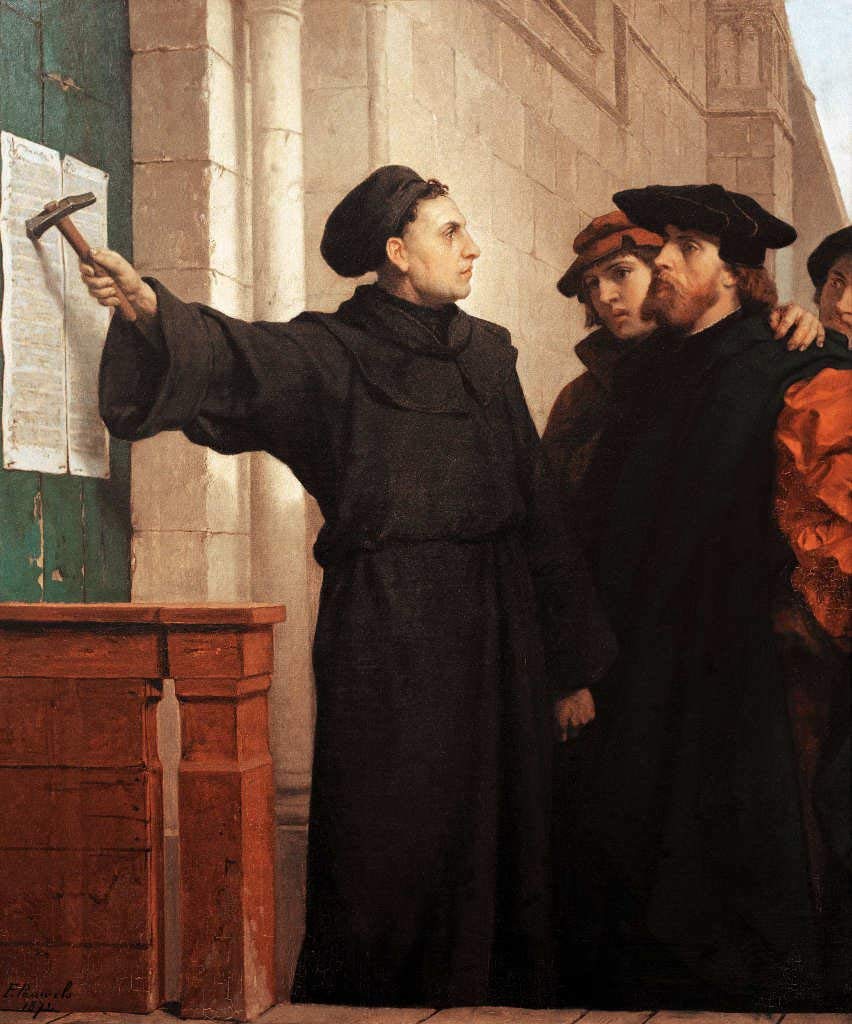
El 31 de octubre de 1517, un monje y profesor de teología llamado Martín Lutero clavó sus 95 Tesis en la puerta de la iglesia de Wittenberg. En aquellos días esa puerta servía como tablón de anuncios para el debate público. La gente suele tratar esto como el comienzo de la Reforma.
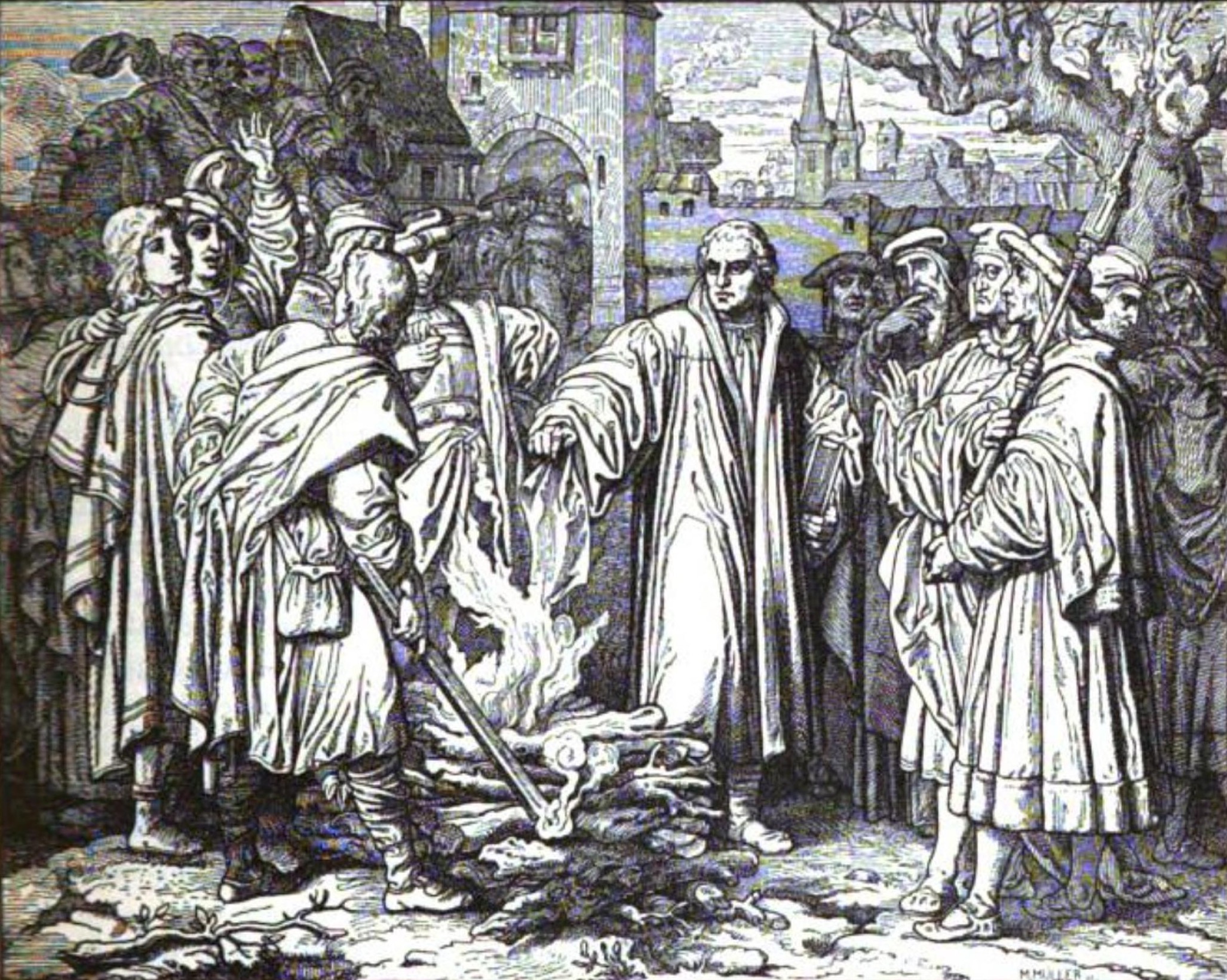
Pero según Pawson, hay una fecha posterior, casi tres años después, en la que importa aún más. Es el día en que Martín Lutero encendió una hoguera.
En esos tres años, Lutero pasó de querer limpiar a fondo la casa de la Iglesia a querer demoler todo el sistema. Al principio, al redactar las 95 tesis, atacó sólo el abuso de la venta de indulgencias, no el sistema en sí. Una de sus tesis decía: "Si el papa supiera cómo los vendedores de indulgencias despojan a su rebaño, preferiría que la iglesia de San Pedro fuera reducida a cenizas que construida con la piel y los huesos de sus ovejas". Lutero asumió ingenuamente que el papa estaba de su lado.
Rápidamente se desilusionó, también por culpa del propio papa. Pawson lo cuenta de esta manera: cuando el dinero de las indulgencias de Alemania disminuyó, el papa lo excomulgó. Sólo entonces Lutero lo comprendió. La culpa no era de unos pocos hombres malos que dirigían un buen sistema. El sistema en sí estaba equivocado.
Entonces arrojó tres cosas al fuego:
- El pergamino con la firma del Papa, amenazando con la excomunión.
- Un libro de Derecho Canónico, el código según el cual había vivido como monje y sacerdote.
- Un documento que ahora sabía que era una falsificación y que pretendía reclamar para el papado el derecho de representar a Cristo en la tierra.
Antes estaba intentando limpiar a fondo la Iglesia. Tres años después empezó a derribar todo el sistema.
¿Reformar o demoler?
El punto de inflexión de Lutero en 3 años (1517–1520)
Al principio, Lutero solo pretendía hacer una limpieza general del sistema. Tres años después, se dio cuenta de que el propio sistema era el problema.
📜
31 de octubre de 1517
Las 95 tesis en Wittenberg
- Objetivo: provocar un debate teológico.
- Atacar el abuso (las indulgencias), no el sistema.
- Daba por sentado que el papa estaría de acuerdo si se enteraba.
🔥
10 de diciembre de 1520
Quema de la bula papal (puerta de Elster)
- Objetivo: una ruptura completa.
- Quemó la bula Exsurge Domine (amenaza de excomunión).
- También quemó los libros de derecho canónico.
- Se dio cuenta de que el propio sistema estaba equivocado.
Pawson sostiene que la hoguera de 1520 fue aún más significativa que clavar las tesis en 1517. (Sobre las fechas: la bula Exsurge Domine se emitió en Roma el 15 de junio de 1520; Lutero la quemó en Wittenberg el 10 de diciembre de 1520; su excomunión formal siguió el 3 de enero de 1521.)
¿Qué llevó a un monje a ese incendio?
Para comprender a Lutero, hay que remontarse al terror que lo impulsó a ingresar en el monasterio. Pawson lo cuenta: Una vez, Lutero casi muere en una tormenta. Lo dejó con miedo de morir, con miedo de enfrentar a Dios con sus pecados no perdonados. Y buscó desesperadamente una salida a ese miedo.
Rezaba a los santos y a María, realizaba peregrinaciones y contemplaba reliquias e imágenes. Lo hizo todo. Y nada de eso le dio seguridad de que sus pecados fueran perdonados. Más tarde, hablando con su superior, von Staupitz, éste le hizo la pregunta decisiva: "Si le quitáis todas estas muletas a una fe que se tambalea, si le quitáis a María, los santos, las imágenes, las penitencias y las peregrinaciones, ¿qué pondréis en su lugar?" La respuesta de Lutero, como en la película que la congregación de Pawson acababa de ver, fue sólo una cosa: "Jesucristo. El hombre sólo necesita a Jesucristo".
Esa fue la semilla de todo lo que vino después.
¿Es la Reforma un tema muerto?
En su sermón de 1967, que marca el 450.º aniversario de la Reforma, Pawson cuenta dos historias una junto a la otra. Una vez asistió a una reunión de ministros y miembros protestantes, mencionó la Reforma y le dijeron en términos muy claros que a los protestantes ya no les importaba. Era "historia muerta", dijeron, y sacarla a relucir no era lo que se debía hacer. Se fue con los oídos zumbando.
Sin embargo, el fin de semana siguiente lo invitaron a un seminario católico romano en el sureste de Irlanda para hablar con los tutores y conferenciantes, entre otras cosas, sobre la Reforma. Ellos querían escuchar lo que pensaba y deseaban un foro abierto. Dijo: "Creo que las cuestiones planteadas entonces siguen vivas y no han sido resueltas". Ellos respondieron: "Eso es exactamente lo que pensamos también". Siguieron tres horas de discusión amistosa, luego un buen té y después volvió a casa.
Es una posición extraordinaria. Podía discutir la Reforma con los católicos romanos, pero no con los protestantes. La respuesta de Pawson, en resumen: la Reforma no ha quedado obsoleta. No porque luchemos contra personas —católicas o protestantes—, sino porque luchamos contra sistemas e ismos que ciegan a la gente ante la verdad. Sólo que la línea del frente hoy está trazada de manera muy diferente a la de los días de Lutero.
La grandeza de Lutero reside en esto: recuperó siete prioridades, siete cosas que habían sido relegadas a un segundo plano, y volvió a colocarlas en primer lugar.
Siete prioridades
Lo que Lutero puso en primer lugar
La grandeza de Lutero consistió en ordenar bien sus prioridades. Siete cosas que habían quedado relegadas a un segundo plano las volvió a poner en primer lugar.
Es mejor obedecer la Palabra de Dios en la propia conciencia que ceder a la presión de la Iglesia o del Estado. («No es seguro ni honrado ir contra la conciencia».)
La unidad sin la verdad del evangelio no tiene sentido. Lo que salva a las personas es la verdad, no una institución.
Toda tradición de la Iglesia (rezar a los santos, el purgatorio…) debe ser puesta a prueba por la Escritura (Sola Scriptura).
No las obras, ni la fe más las obras. «El justo vivirá por la fe» (Sola Fide). Salvados NO POR las buenas obras, sino PARA las buenas obras.
La gracia no se reparte mágicamente en los sacramentos. Sin fe, los sacramentos son inútiles. Rechaza la visión «mágica» del bautismo y de la Cena.
El sacerdocio de todos los creyentes. Borró la división entre clero y laicado. Los ministros tienen una función distinta, no un estatus distinto.
Solo hay un Sacerdote (Cristo) y un Vicario (el Espíritu Santo). La Iglesia no puede reemplazar a Cristo. Quien se pone en el lugar de Cristo es el Anticristo (en lugar de Cristo).
Repasemos las prioridades una por una.
1. La conciencia antes que la autoridad
Lutero vivió en una época en la que la libertad de conciencia apenas existía. No era el Estado, sino la Iglesia, la que te decía qué creer y cómo comportarte. Para imaginar ese mundo, recordemos la tragedia de Galileo. Descubrió verdades sobre el universo a través de su telescopio y le dijeron: "no debes creer eso, no debes enseñar eso".
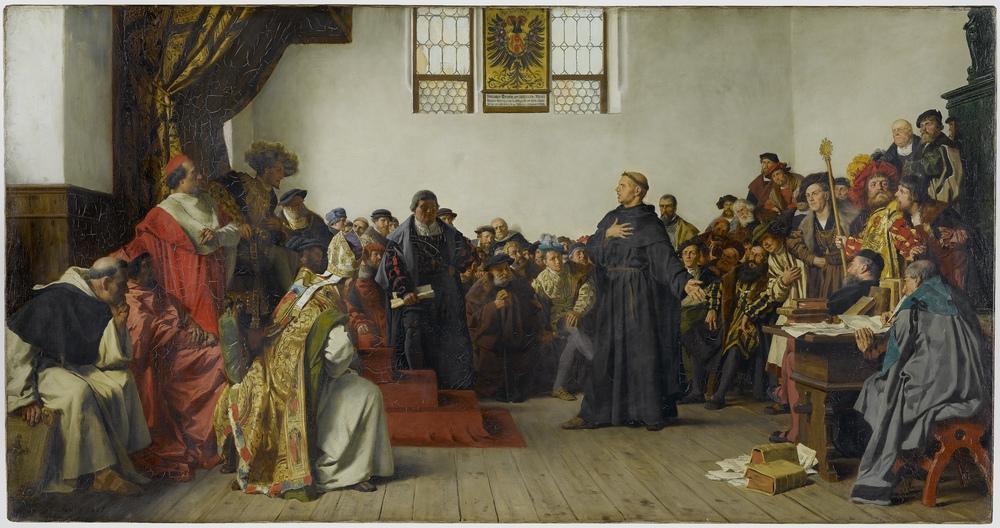
Lutero fue un hombre que se atrevió a decir: "Mi conciencia está cautiva de la Palabra de Dios. No es seguro ni honesto ir en contra de la conciencia". En la Dieta de Worms (1521), ante el emperador y toda la maquinaria del poder de la iglesia, todavía no se retractó.
Y esto no es una cuestión del pasado lejano. La misma semana que predicó, alguien le entregó un recorte de periódico: más de 200 bautistas disidentes en la Unión Soviética, encarcelados o en espera de juicio por "infringir" estrictas leyes religiosas. Uno había muerto tras ser torturado; sus hijos fueron interrogados durante horas sobre la fe de sus padres. Pawson señala que quizás la mitad de la raza humana todavía vive bajo estados totalitarios que reclaman tanto la mente como el cuerpo. La libertad de conciencia que damos por sentada, la mayor parte de la humanidad todavía no la tiene.
Luego Pawson dice que el mundo nunca está guiado por "medusas" sin columna vertebral, que van a la deriva con la marea. Está dirigido por personas que tienen el coraje de sus convicciones. Y advierte, tajantemente, que incluso los autoproclamados "inconformistas" de hoy se adaptan unos a otros con asombrosa facilidad. Lo que necesitamos es gente que realmente se atreva a mantenerse sola.
2. La verdad antes que la unidad
Uno de los cargos más graves formulados contra Lutero fue que dividió a la Iglesia: era un cismático. Durante casi mil años, Europa occidental tuvo una Iglesia, una denominación. Le dijeron: "retractate y deja intacta la Iglesia; sigue así y la romperás".
Pero Lutero antepuso la verdad a la unidad. Su conciencia no era libre de seguir todos sus caprichos, porque estaba cautiva de la Palabra de Dios. Vio claramente lo crucial. Lo que salva a la gente no es la unidad de la Iglesia, sino la verdad del evangelio. Une todas las iglesias de la tierra y el número de los salvos no aumentará. Lo que realmente se necesita es la verdad del evangelio predicada en esas iglesias.
Pawson lo dice claramente. Nuestra época tiene un lema al que te adhieres o por cuya negación te odian, y esa palabra es "unidad". Todo un mundo se encoge por el transporte, y la Iglesia parece haber captado el eco, gritando "unidad, unidad, unidad". Cuenta un detalle que disfruta. Cuando el Consejo Británico de Iglesias en Nottingham dijo que los desacuerdos podían solucionarse dentro de una Iglesia ya unida, la Unión Bautista fue la única entre las denominaciones que respondió que no: primero deben resolverse las diferencias y luego unirnos. Eso es anteponer la verdad a la unidad.
3. Escritura antes que Tradición
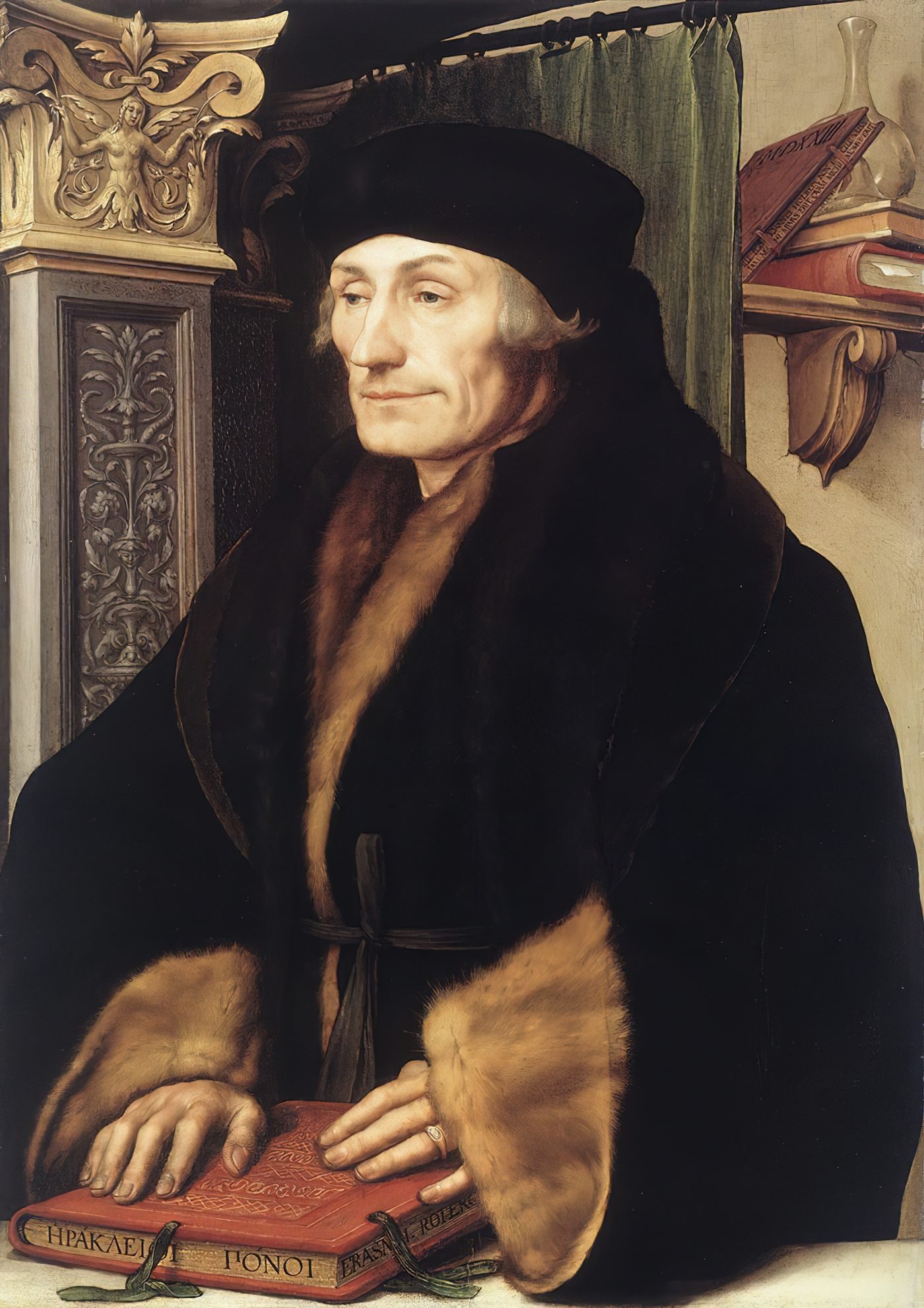
Pawson menciona un detalle sorprendente: Lutero tenía 20 años cuando sostuvo y leyó por primera vez una Biblia completa. Fue criado como devoto, preparado para una vida santa y, sin embargo, no vio ese libro hasta que cumplió 20. Y cuando lo leyó quedó asombrado. Gran parte de lo que le habían dicho que era una "parte vital" de la creencia y la práctica cristianas simplemente no estaba allí: nada de rezar a María ni a los santos, ni de venerar reliquias e imágenes, ni de purgatorio o penitencia.
Preguntó: ¿de dónde vino todo esto? La respuesta oficial fue que era la Tradición de la Iglesia, y que la Tradición era tanto Palabra de Dios como ese libro. Lutero se encontró ante dos "Palabras de Dios", una escrita y otra hablada, y se le dijo que aceptara ambas. Pero llegó a una conclusión: sólo ese libro es la verdad, y cada tradición de cada iglesia debe ser llevada a la piedra de toque de las Escrituras y probada por ellas. Una vez que hizo eso, comenzó a desechar la tradición.
Pawson admite con franqueza que incluso su propia Iglesia tiene tradiciones no bíblicas, y todas ellas deben inclinarse ante la Palabra de Dios. Habla de un amigo (nombrado en la grabación como algo parecido a "Eduardo Lubinque", un nombre que no pude verificar en ninguna fuente independiente, probablemente por una transcripción defectuosa), que fue profesor de Nuevo Testamento para la flor y nata de los sacerdotes jesuitas de Roma. Cuanto más estudiaba las Escrituras, menos podía seguir enseñando a los estudiantes que las cosas que no estaban en este libro eran "la Palabra de Dios". Así que aprendió por sí mismo desde esa cátedra, tal como Lutero, 450 años antes, también fue profesor de teología. Este libro lo había logrado.
4. Fe antes que obras (Sola Fide)
Ésta es la pregunta más importante que una persona puede hacerse, y para Lutero era de vida o muerte: ¿Cómo puedo estar bien con Dios? ¿Cómo son perdonados mis pecados? La vieja tormenta le había dejado con miedo de morir con sus pecados sin perdonar, así que esto no era una teoría.
Cuando Johann Tetzel vino vendiendo indulgencias, Lutero estaba seguro de que ése no era el camino. No se puede comprar el perdón. Luego dio un paso más: si no puedes comprarlo, tampoco puedes ganártelo por mérito. Pawson presenta tres respuestas a la pregunta de cómo llegar al cielo, y cada religión cae en una de ellas:
- el mundo dice: haz buenas obras.
- la Iglesia de su época dice: necesitas fe más buenas obras.
- Lutero dijo: sólo hace falta una cosa, y es creer.
El manifiesto de la Reforma, que va desde el Antiguo Testamento hasta el Nuevo y hasta Lutero, es: "El justo por la fe vivirá". No con buenas obras, ni con fe mezclada con obras, sino con fe, punto final. El latín sola fide (sólo por la fe) se convirtió en el gran estandarte de la Reforma.
Entonces, ¿qué papel desempeñan las buenas obras? Lutero lo expresó magníficamente, y Pawson dice que no se puede expresar mejor: Somos salvos NO POR buenas obras, sino PARA buenas obras. No haces buenas obras para ganarte el billete al cielo; las haces porque ya vas al cielo.
Las cinco solas
Cinco lemas que condensan la Reforma
Las siete prioridades de Lutero se condensaron más tarde en cinco lemas latinos «sola / solus» (solo). Para ser honestos: presentar las «cinco solas» como una lista unificada es una sistematización posterior (de los siglos XIX–XX), no un lema preparado en el siglo XVI, pero cada idea está arraigada genuinamente en los propios reformadores.
Sola Scriptura · Solo la Escritura
Solo la Escritura es la autoridad suprema e infalible para la fe.
Contrapunto: Católicos y ortodoxos: la Escritura no puede separarse de la Tradición de la Iglesia que la produjo.
Sola Fide · Solo la fe
La persona es justificada solo por la fe, no por el mérito.
Contrapunto: Trento (1547): una fe «viva» debe incluir obras; condena la «fe que no necesita nada más».
Sola Gratia · Solo por gracia
La salvación es enteramente un don inmerecido de Dios.
Contrapunto: El terreno común más amplio: incluso Trento (Sesión VI, 1547) enseña la gracia como el comienzo inmerecido; reafirmado en la JDDJ, 1999.
Solus Christus · Solo Cristo
Solo Cristo es el único mediador entre Dios y la humanidad.
Contrapunto: Discutido: el papel mediador de la Iglesia, los santos y María en la tradición católica/ortodoxa.
Soli Deo Gloria · Gloria solo a Dios
Toda la gloria pertenece únicamente a Dios.
Contrapunto: La menos discutida, pero fundamenta el rechazo del honor excesivo a personas o instituciones.
5. Gracia antes de los sacramentos
Lutero fue criado para creer que la gracia estaba dividida en siete sacramentos (Pawson dice que el número llegó a catorce y luego se redujo a siete), y que estos funcionaban automáticamente, como por arte de magia, independientemente de quién los administrara o recibiera. El agua bautismal salvaba automáticamente a un niño que no sabía nada. El pan y el vino, en cierto momento del servicio, se convertían automáticamente en el cuerpo y la sangre reales de Cristo, y luego eran ofrecidos por un sacerdote como un sacrificio, no sobre una mesa sino sobre un altar.
Lutero lo pensó detenidamente y dijo: Sé que necesito la gracia de Dios, pero no hay nada en este libro que me diga que la gracia está envuelta en sacramentos que funcionan automáticamente. Se dio cuenta: sin fe, los sacramentos no sirven de nada. "Por gracia sois salvos, por la fe", no por los sacramentos. La gracia no está empaquetada; fluye como un río. El creyente más simple, nunca bautizado y sin la Cena del Señor, pero con fe, todavía conoce la gracia de Dios. Pawson señala a sus amigos del Ejército de Salvación. No tienen ningún sacramento, pero claramente tienen gracia; siempre están cantando sobre ello.
De los dos sacramentos que Lutero mantuvo (el bautismo y la Cena del Señor), Pawson admite honestamente lo que incluso los amigos más cercanos de Lutero tenían que conceder: nunca pensó en el asunto hasta su final lógico, y se confundió un poco en ambos. Lo que acertó fue el orden: primero la gracia, luego los sacramentos.
6. El pueblo antes que los sacerdotes (El sacerdocio de todos los creyentes)
La Iglesia en la que nació Lutero era una pirámide de poder. Arriba estaba el papa; luego, pasando por los cardenales, los obispos y las órdenes de monjes, se llegaba al párroco. Y muy abajo estaban los laicos. La división entre "clero" y "laicos" era tan rígida que incluso la vestimenta y la posición en el edificio diferían: un extremo con vestiduras y el otro con ropa normal.
Pawson cuenta cómo Lutero miró esa pirámide y preguntó, de arriba hacia abajo: ¿Qué justificación bíblica hay para un hombre allí arriba? Ninguna. ¿Para los obispos? Ninguna. ¿Para los sacerdotes mediadores? Ninguna. Luego llegó a un redescubrimiento maravilloso: el sacerdocio de todos los creyentes. Hizo de cada laico un sacerdote y de cada sacerdote un laico, viendo que no había una división absoluta entre ellos. Había diferencias de función, sí, como diferentes órganos en un mismo cuerpo. Por eso los llamó "ministros", no "sacerdotes". Todo creyente es un sacerdote.
Por eso se esforzó por traducir la Biblia al alemán común, para ponerla en manos de la gente en lugar de los sacerdotes. Como él dijo, una criada que barre una habitación con una escoba podría entender la Palabra mejor que un sacerdote. Pawson señala que dos tercios de los cristianos profesantes del mundo todavía viven bajo el sacerdocio y el control jerárquico, por lo que esta protesta aún es necesaria.
El sacerdocio de todos los creyentes
Demoler la pirámide del poder
La Iglesia medieval era una pirámide: los laicos abajo y el papa arriba. Lutero declaró: no existe una clase intermedia. Todos son sacerdotes.
Estructura anterior a la Reforma
El ideal de la Reforma
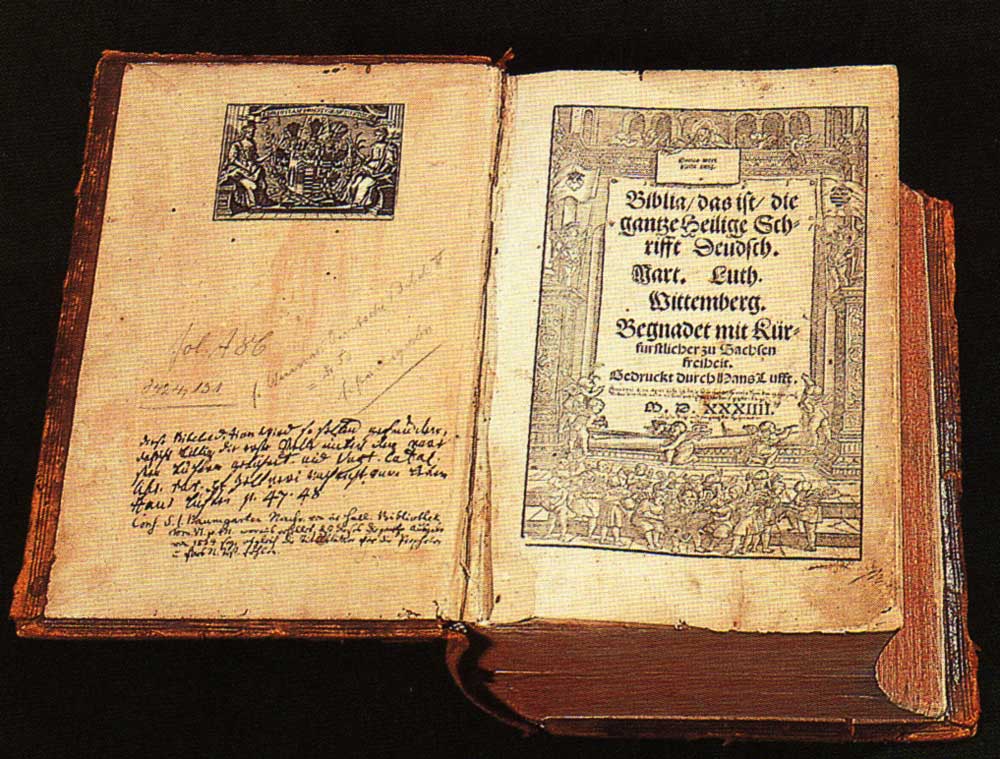
7. Cristo ante la Iglesia
Este es el clímax. Pawson recuerda que cuando le preguntó al tutor de historia de la iglesia en ese seminario católico cuál era el tema más importante de la Reforma, los dos estuvieron de acuerdo. El mayor problema fue este: Lutero cuestionó la idea misma de que Cristo y la Iglesia son uno, la idea de que la Iglesia podría hacer por las personas lo que sólo Cristo puede hacer. El Cuerpo, que es la Iglesia, estaba tomando el lugar de la Cabeza, que es Cristo.
Pawson expone este punto mediante tres funciones:
- Necesito un profeta que me enseñe la verdad infalible de Dios. ¿Quién es mi profeta? Roma dice: el cuerpo, la Iglesia infalible. Lutero dice: la Cabeza.
- Necesito un sacerdote para venir a Dios. ¿Quién es mi sacerdote? Roma dice: el cuerpo, confiesa tus pecados a la Iglesia. Lutero dice: Cristo en el cielo, y podéis venir a Dios en cualquier momento por medio de Él.
- Necesito un rey que me gobierne. ¿Quién es mi rey? Roma dice: el cuerpo en la tierra. Lutero dice: mi Cabeza en el cielo.
Así Lutero se atrevió a llamar al papado "Anticristo". Pawson explica cuidadosamente: no quiso decir que el papa fuera sólo contra Cristo. En uno de sus sentidos, "anti" significa en lugar de. Quien se pone en el lugar de Cristo es el anticristo. Roma le dijo a la gente que para llegar a Dios debían pasar por él, y eso era ponerse en su lugar.
Entonces Roma respondió con un argumento importante. Cuando la Cabeza está en el cielo y alguien en la tierra quiere acercarse, ¿no debe venir a través del cuerpo? ¿No es entonces el papa el vicario de Cristo en la tierra, alguien que está en su lugar para transmitir lo que él enseña? Lutero lo pensó y respondió: sí, Cristo debe tener un vicario en la tierra que hable por él, pero ese vicario es el Espíritu Santo, no el papa. En suma: "Ningún sacerdote sino Cristo, y ningún vicario excepto el Espíritu Santo".
Pawson lo logra de manera muy práctica. Precisamente por eso no hay ningún confesionario alrededor de las paredes de su iglesia bautista. "No puedo perdonar tus pecados, ni tampoco la Iglesia Bautista Gold Hill. Si tienes pecados que confesar, ve directamente al sacerdote en el cielo, que es el mismo Cristo".
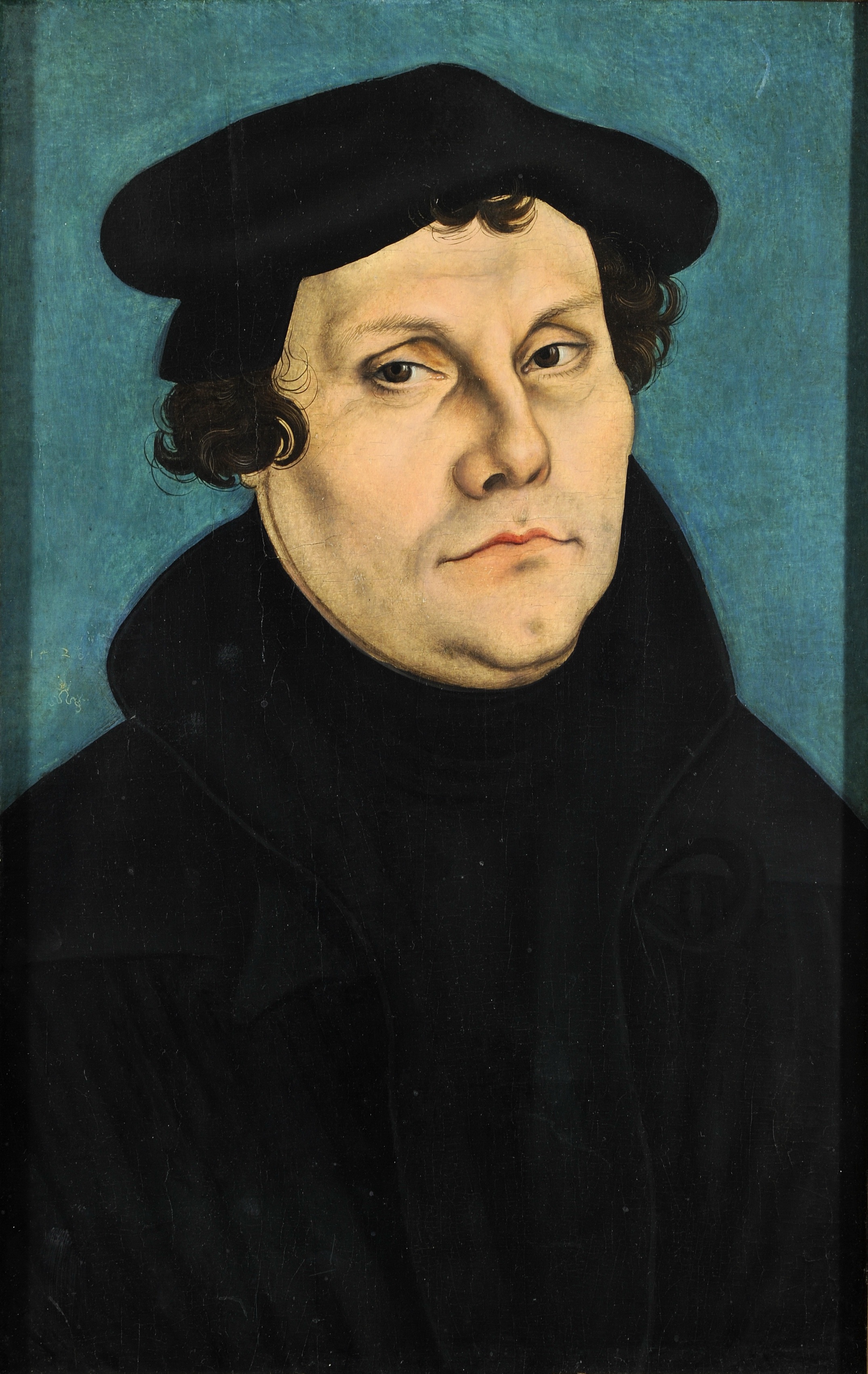
El fuego se escapa de las manos de Lutero
Pawson predica principalmente sobre Lutero, porque Lutero encendió la mecha. Pero el fuego se le escapó rápidamente de las manos. En una sola generación, la Reforma se había dividido en varias corrientes, cada una con su propia ciudad, su propio líder, su propio énfasis. Algunos se aliaron entre sí; algunos pelearon tan amargamente que nunca se reconciliaron. Si sólo oyes hablar de Lutero, pensarías que la Reforma fue un bloque sólido. No lo fue.
Más de un hombre
Los otros rostros de la Reforma
Pawson predica sobre todo acerca de Lutero, porque Lutero encendió la mecha. Pero el fuego escapó pronto de sus manos. En una generación, la Reforma se había dividido en varias corrientes, cada una con su propia ciudad, su propio líder y su propio énfasis.
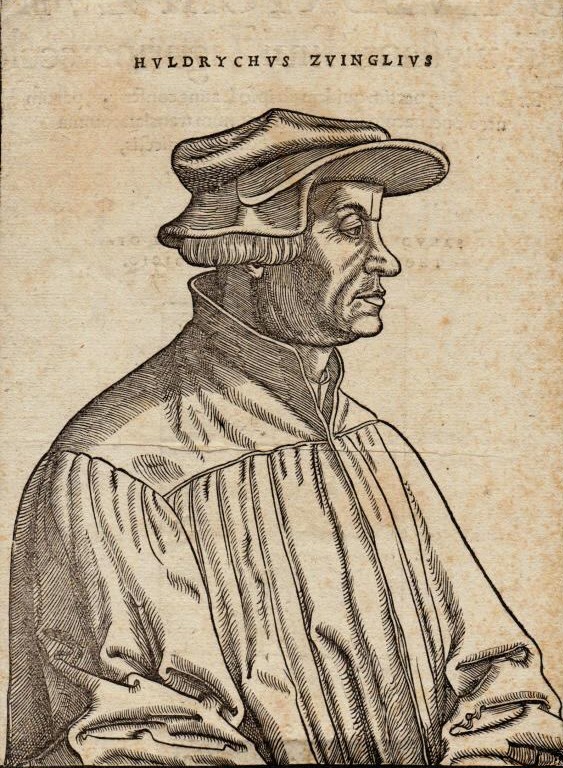
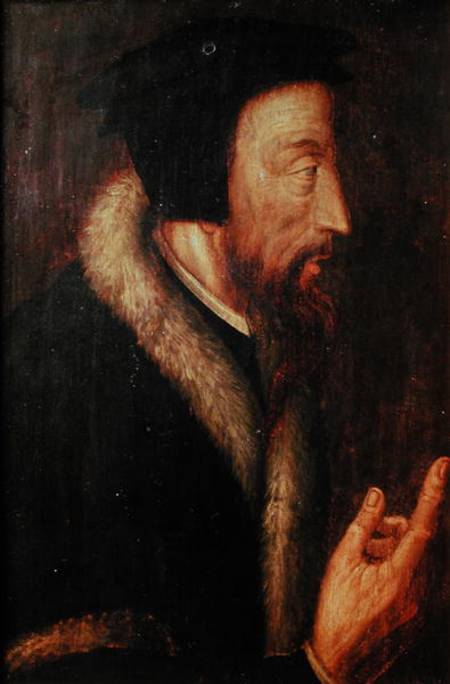
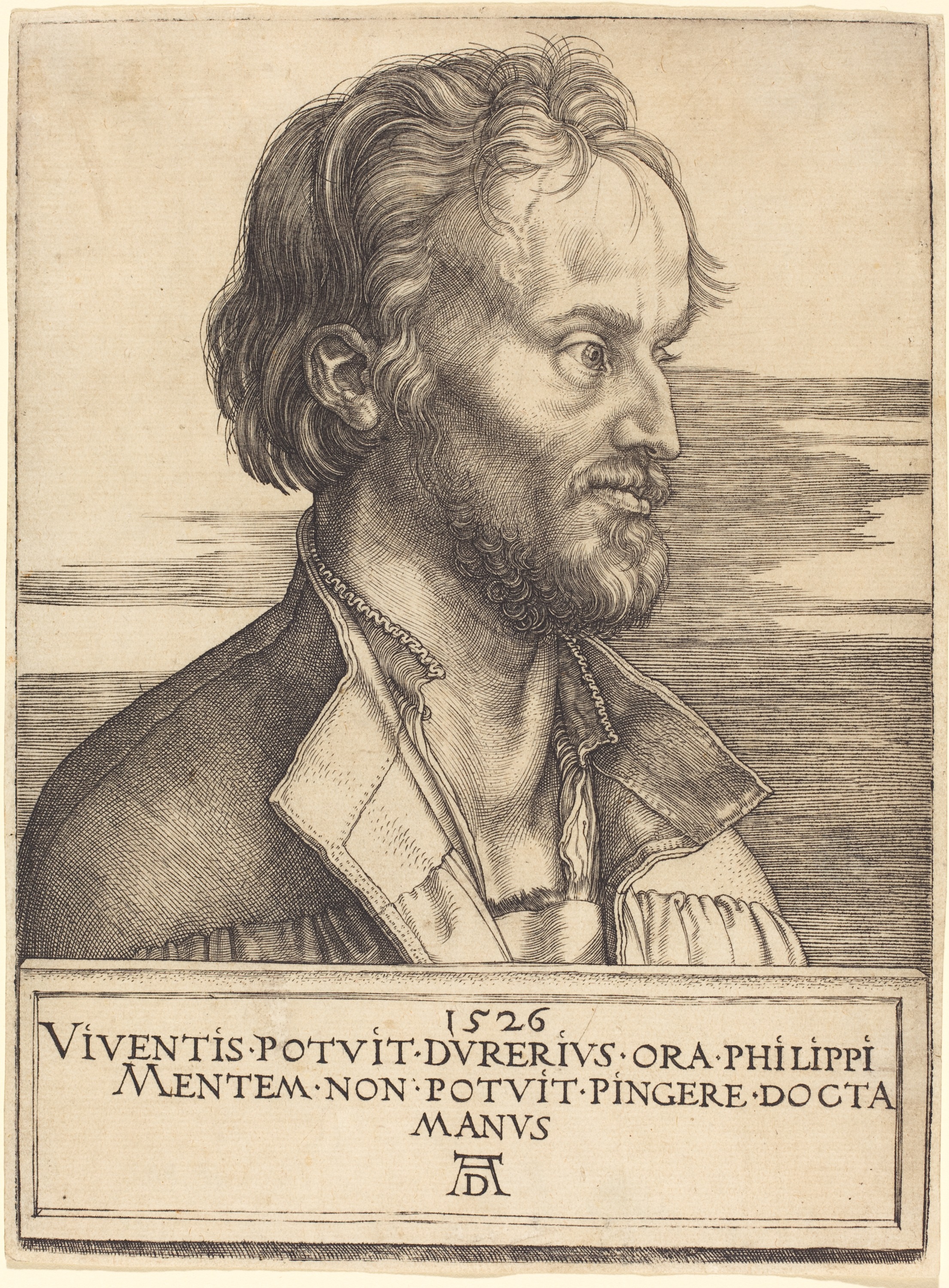
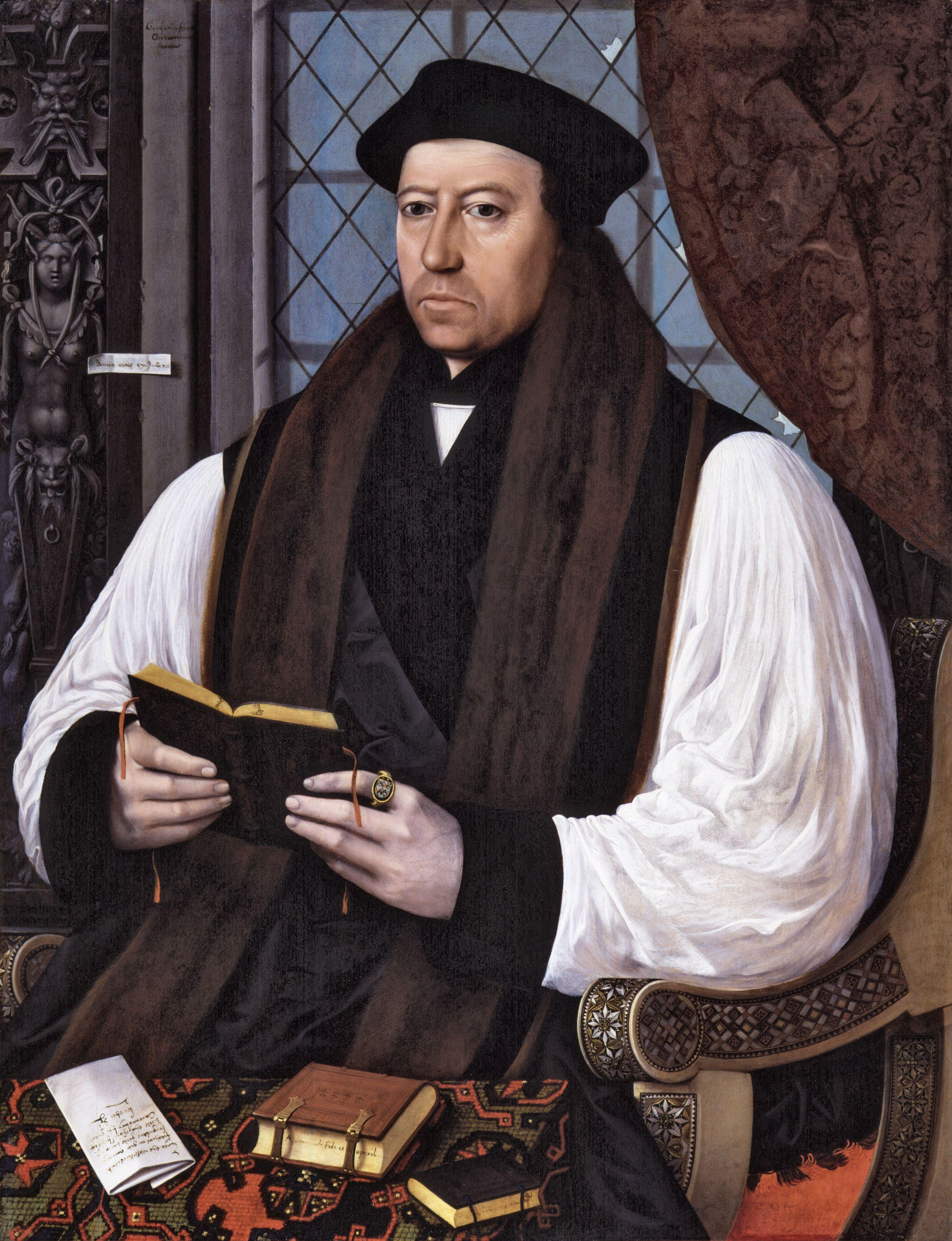
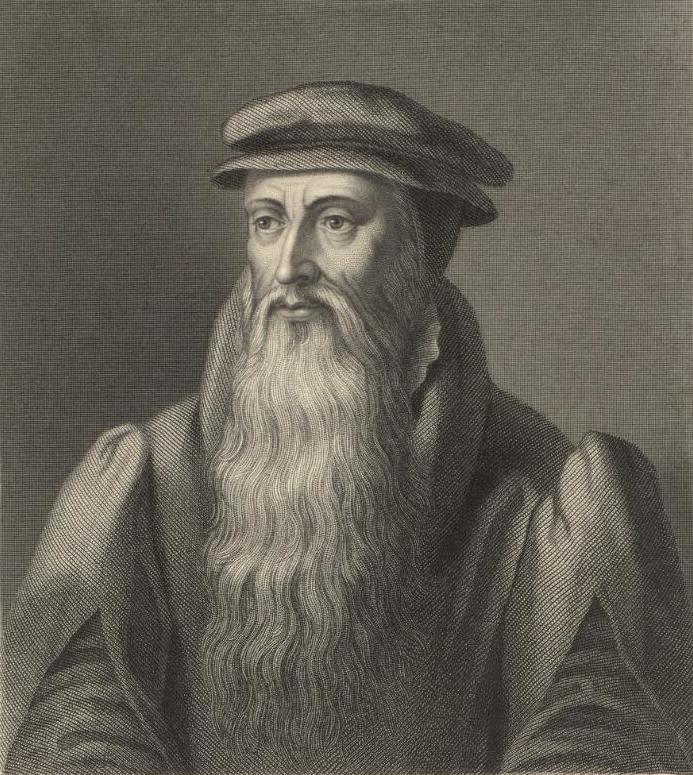
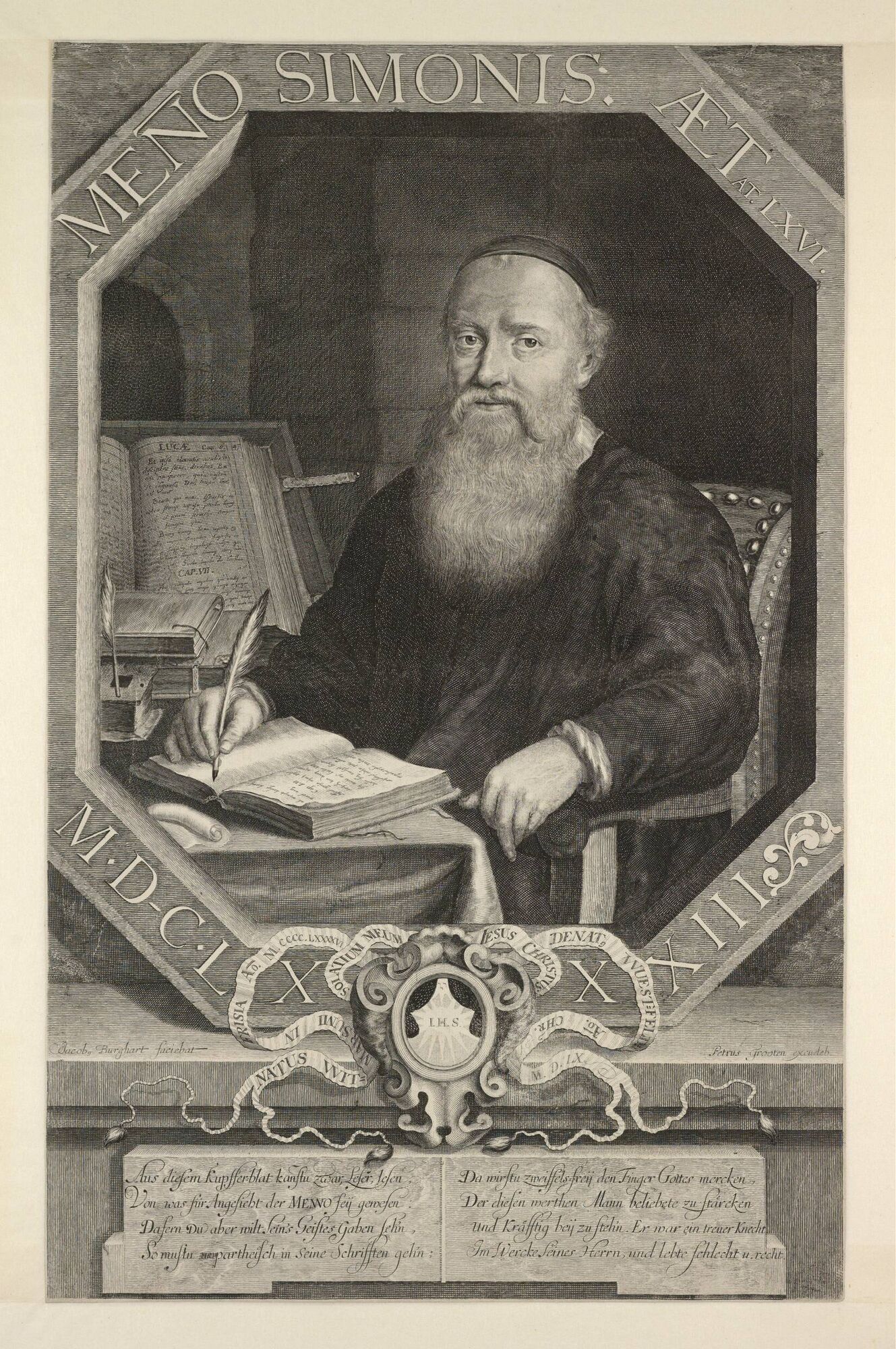
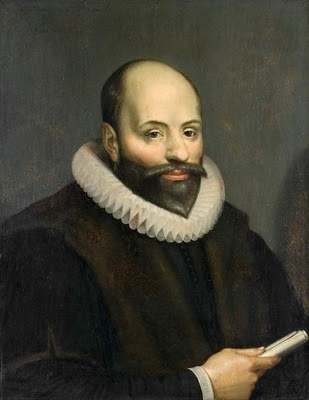
Retratos: todos de dominio público (Wikimedia Commons). Knox y Menno Simons son grabados posteriores, ya que no se conserva ningún retrato contemporáneo.
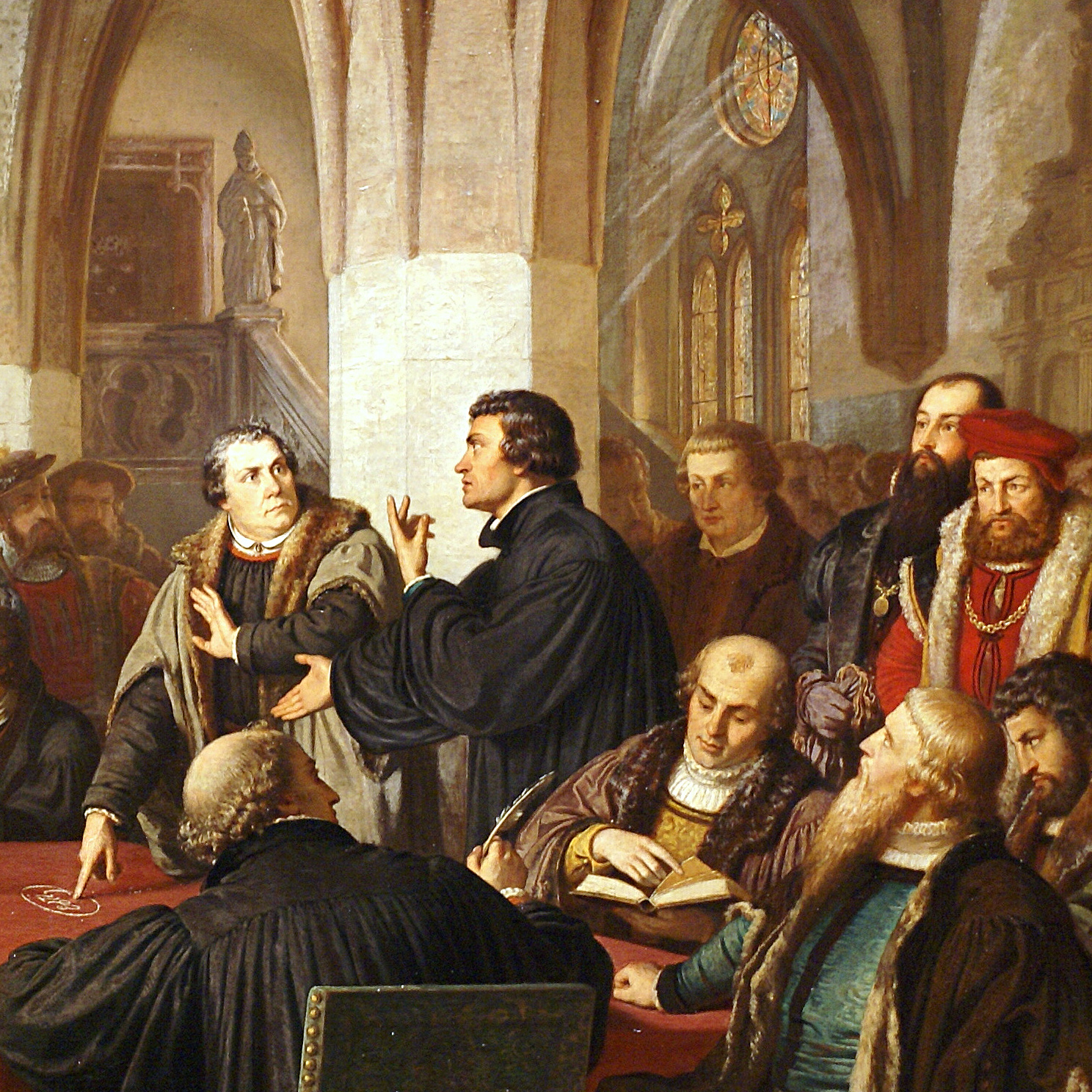
Zwinglio y la división en torno a la Cena. En Zúrich, Ulrico Zwinglio lideró una reforma independiente de Lutero. Los dos estuvieron de acuerdo en casi todo y sólo discreparon en una pregunta: ¿qué pasa con el pan y el vino en la Cena del Señor? En el Coloquio de Marburgo (1529) estuvieron de acuerdo en 14 de 15 artículos y luego se atascaron en el último. Lutero se aferró a la palabra "ES" en "Este es mi cuerpo". Anotó con tiza Hoc est corpus meum ("Este ES mi cuerpo") sobre la mesa y no cedió. Zwinglio sostuvo que era sólo un símbolo memorial. No se dieron la mano. El frente protestante único se rompió allí mismo. Es una dolorosa ilustración del principio mismo de "la verdad antes que la unidad", que muestra cuán fina es la línea entre defender la verdad y dividir a la Iglesia.
Calvino y Ginebra. Una generación después, Juan Calvino, un francés, sistematizó toda la teología protestante en su Institución de la religión cristiana, e hizo de Ginebra una "escuela de Cristo" a la que toda Europa enviaba a su gente. Destacó la soberanía absoluta de Dios en la salvación.
«Este es mi cuerpo»
Cuatro maneras de interpretar la Cena del Señor y la división en Marburgo
Nada dividió más profundamente a los protestantes entre sí (y con Roma) que una pregunta: ¿qué ocurre con el pan y el vino? En el Coloquio de Marburgo (1529), Lutero y Zwinglio coincidieron en 14 de 15 artículos, pero chocaron en este. Lutero escribió con tiza en la mesa «Hoc est corpus meum» («Este ES mi cuerpo») y no cedió. El frente protestante unido se quebró justo allí.
Católica
Roma / Trento
Transubstanciación
La sustancia del pan y del vino cambia verdaderamente en el cuerpo y la sangre de Cristo; solo permanecen los «accidentes» externos.
Lutero
Wittenberg
Unión sacramental («en, con, bajo»)
El cuerpo de Cristo está verdaderamente presente «en, con y bajo» el pan y el vino, y aun así el pan sigue siendo pan. (Lutero rechazaba el término «consubstanciación».)
Calvino
Ginebra
Presencia real espiritual (por el Espíritu)
Los creyentes reciben verdaderamente a Cristo, pero por la fe y mediante el Espíritu, que los eleva hacia Cristo en el cielo.
Zwinglio
Zúrich
Conmemorativa / simbólica
El pan y el vino son solo signos conmemorativos. «Este ES mi cuerpo» significa «esto SIMBOLIZA mi cuerpo».
De izquierda (presencia más física) a derecha (símbolo puro). Este desacuerdo impidió que las ramas luterana y reformada llegaran a unirse plenamente.
Los "radicales" y su precio. Entonces algunos vieron que ni Lutero ni Zwinglio habían ido lo suficientemente lejos. Si sólo la Escritura es la autoridad, preguntaron, ¿en qué parte del Nuevo Testamento está el bautismo infantil? En enero de 1525, en Zúrich, por primera vez bautizaron a creyentes adultos, y por eso fueron llamados anabautistas, que significa "rebautizadores". Se aferraban a una Iglesia de creyentes voluntarios, separada del Estado, rechazando la espada y el juramento. Más tarde Menno Simons dio al movimiento destrozado una identidad pacífica y no violenta, y de él vino el nombre "menonita".
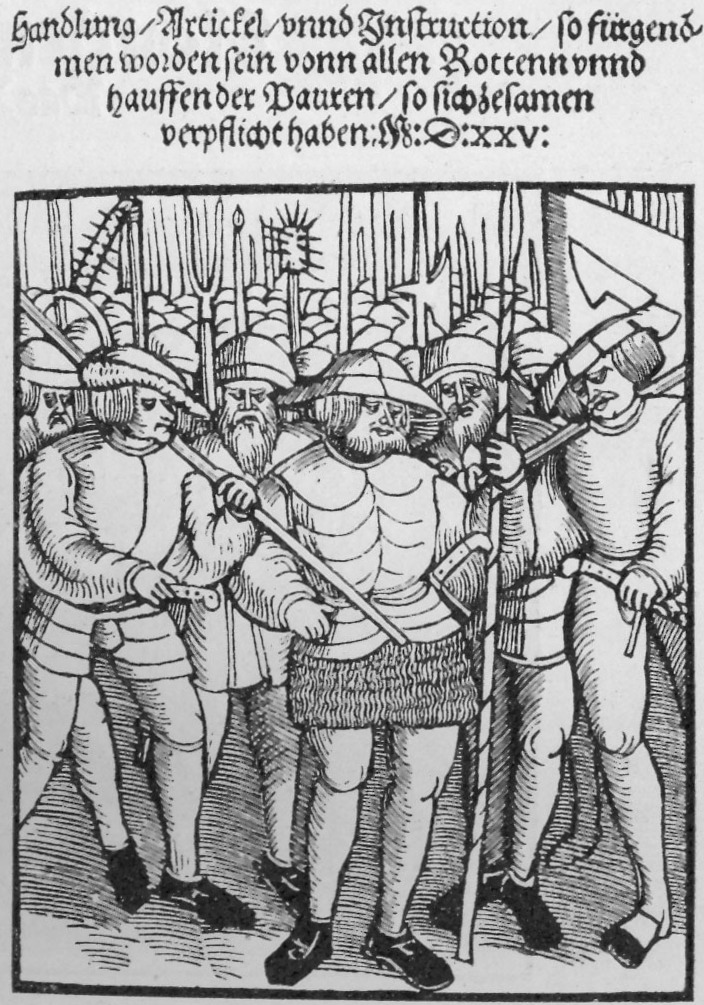
El precio que pagaron fue terrible y fue exigido por ambos lados. En esos mismos años (1524–25), estalló la "Guerra de los Campesinos" cuando los campesinos alemanes utilizaron los lemas "sacerdocio de todos los creyentes" y "Sólo las Escrituras" para imponer sus demandas. Fue un uso que Lutero nunca tuvo la intención de respaldar, y reaccionó violentamente, poniéndose directamente del lado de la nobleza.
Calvino, Arminio y la guerra por la predestinación. Otra generación después, el propio campo reformado se dividió por una pregunta dolorosa: en la salvación, ¿lo hace Dios todo (quien él elige es salvo), o contribuye el ser humano con su propia fe libre? El teólogo holandés Jacobo Arminio desafió la predestinación incondicional de Calvino. Después de su muerte, sus seguidores elaboraron la Remonstrancia de 1610 en cinco puntos. El Sínodo de Dort (1618–19) se reunió, condenó al partido arminiano y formuló los "Cinco puntos del calvinismo", recordados más tarde por el acrónimo TULIPÁN.
¿Quién elige a quién?
Calvino contra Arminio: predestinación frente a libre albedrío
Una generación después de Lutero, el protestantismo se dividió internamente por una pregunta dolorosa: en la salvación, ¿Dios lo hace todo (monergismo) o cooperan Dios y el ser humano (sinergismo)? El Sínodo de Dort (1618–19) condenó al partido arminiano y formuló los «cinco puntos del calvinismo», recordados más tarde por el acrónimo TULIP (una acuñación del siglo XX).
Elección
Expiación
Naturaleza humana
Gracia
Perseverancia
TULIP = Depravación total · Elección incondicional · Expiación limitada · Gracia irresistible · Perseverancia. La «Remonstrancia» arminiana (1610) ofreció exactamente cinco puntos de respuesta.
Un siglo en llamas
Cómo se extendió la Reforma (1517–1619)
Desde un monje en una ciudad alemana, en un siglo el fuego llegó a Suiza, Inglaterra, Escocia y los Países Bajos, y obligó a la propia Roma a reformarse.
Las otras dos sillas: Roma y Constantinopla
Pawson predica desde la silla protestante, con firmeza y claridad. Pero él mismo dice que los problemas de la Reforma "aún están vivos y no han sido resueltos". Y la mejor manera de escucharlos plenamente es considerar las otras dos sillas.
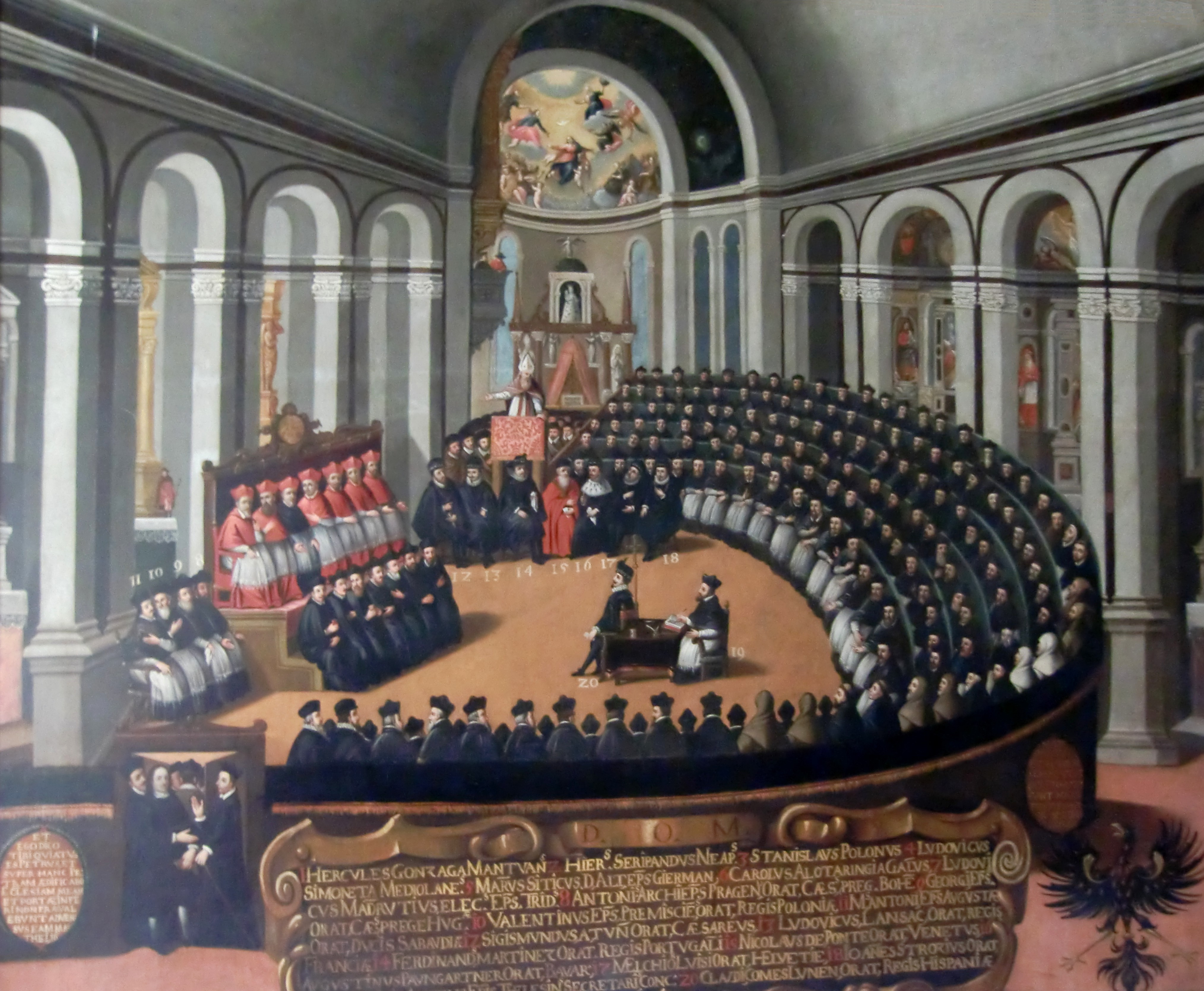
La respuesta de Roma: el Concilio de Trento. La respuesta doctrinal católica definitiva fue el Concilio de Trento (1545–1563). La justicia importa aquí, porque los protestantes a menudo caricaturizan a Trento como "salvación por obras". De hecho, Trento enseña que la gracia es el comienzo inmerecido ("si es por gracia, ya no es por obras"), pero que una persona debe cooperar libremente con esa gracia, y que esa fe debe ser una fe viva unida al amor y a las buenas obras. Trento condenó sola fide en el sentido de "sólo fe, sin que se requiera nada más". Afirmó las Escrituras y la Tradición (con "igual afecto de piedad"), los siete sacramentos y la transustanciación. En cuanto a las indulgencias, que fue lo que provocó a Lutero, Trento no las abolió, pero sí abolió su venta monetizada, exactamente lo que atacaban las 95 tesis. La punta de lanza de esta renovación fueron los jesuitas de Ignacio de Loyola, aprobados en 1540.
La historia no se detiene en el siglo XVI. En 1999, la Declaración Conjunta sobre la Doctrina de la Justificación (JDDJ) entre la Iglesia católica y la Federación Luterana Mundial declaró un consenso sobre las verdades básicas: "sólo por gracia, en la fe en la obra salvadora de Cristo y no por ningún mérito de nuestra parte, somos aceptados por Dios". En una entrevista de junio de 2016, el papa Francisco dijo que las "intenciones de Lutero no estaban equivocadas"; era "un reformador", aunque "algunos métodos no eran correctos". Más tarde ese año, el 31 de octubre de 2016, Francisco y la Federación Luterana Mundial encabezaron conjuntamente una conmemoración común de los 500 años de la Reforma en Lund, Suecia.
La respuesta de Constantinopla: un silencio decisivo. La tercera silla es la ortodoxia oriental, generalmente olvidada tanto por protestantes como por católicos. Aproximadamente entre 1573 y 1581, los teólogos luteranos de Tubinga enviaron la Confesión de Augsburgo (traducida al griego) al patriarca Jeremías II de Constantinopla, con la esperanza de encontrar puntos en común. Respondió en tres cartas, rechazando uno por uno los distintivos protestantes centrales: rechazó sola fide ("la Iglesia exige una fe viva, manifestada por las buenas obras") y sola scriptura (las Escrituras no pueden interpretarse aparte de los Padres), y luego terminó cortésmente la correspondencia.
Para la ortodoxia, la salvación no es sólo un veredicto legal (ser declarado justo), sino también teosis, es decir, deificación: un proceso real de participación en la vida de Dios. Esto es sinergia, es decir, cooperación: "Dios no salva a una persona contra su voluntad". De modo que la ortodoxia considera la disputa entre "fe y obras" como un marco jurídico occidental que nunca adoptó. Más tarde, cuando un patriarca, Cirilo Lucaris, redactó una confesión que se inclinaba fuertemente hacia Calvino, la Ortodoxia la condenó en el Sínodo de Jerusalén (1672). En otras palabras, la ortodoxia rechazó formalmente tanto a Lutero como a Calvino.
Tres sillas
El debate tiene tres lados, no dos
Pawson predica desde la silla protestante. Pero para escuchar todos los lados, coloca junto a ella las otras dos sillas. La sorpresa: las tres enseñan que la gracia es necesaria e inmerecida; la caricatura de que «los protestantes creen en la gracia y los católicos/ortodoxos creen en ganarse el cielo» es falsa en los tres casos. Las verdaderas líneas divisorias son la autoridad y el significado de la justificación.
La ortodoxia rechazó formalmente TANTO a Lutero (la correspondencia de Jeremías II, 1573–81) COMO a Calvino (el Sínodo de Jerusalén, 1672).
Entonces, ¿por qué pelear?
A estas alturas muchos se harán la pregunta que el propio Pawson plantea al final del sermón. ¿Por qué desenterrar estos asuntos doctrinales? ¿Por qué no hacer concesiones en aras de la paz y la unidad, cuando todos son amigables y adoran al mismo Dios? ¿No es esto una pequeña sutileza doctrinal, un regreso a la Edad Media?
La respuesta de Pawson es contundente: porque está en juego la salvación de las almas inmortales. Si le dices a una persona que el bautismo en agua la salva automáticamente, la engañas. Si le dices que las buenas obras le harán ganar el cielo, le estás indicando el camino equivocado. Esto no es orgullo religioso. Es que nada importa más que la verdad que lleva a las personas a la vida eterna. Una falsa paz en la tierra no vale el destino eterno de miles de almas.
Pero aquí es donde Pawson nos hace detenernos. La primera línea hoy ya no está entre protestantes y católicos. Pawson lo dice claramente: la batalla ahora continúa entre los evangélicos por un lado y muchos protestantes y católicos romanos por el otro, una línea que atraviesa todas las etiquetas denominacionales. Cita un libro de un profesor francés, Los herederos de la Reforma, que pregunta: ¿quiénes son los verdaderos herederos de Martín Lutero? No "protestantes" en general, sino aquellos que, cualquiera que sea su etiqueta, ponen la Escritura por encima de todo y a Cristo por encima de todos. Y así, dice Pawson, quienes disparan en una sola dirección están desfasados. Él es claro: "No estoy en contra de los católicos romanos ni de los protestantes. Estoy en contra de los ismos, en contra de los sistemas. Quiero amar a las personas, sean quienes sean". Cuenta cómo encontró un amor genuino surgiendo en su corazón por los tutores católicos con los que hablaba, amándolos como personas.
Ningún sacerdote excepto Cristo, y ningún vicario excepto el Espíritu Santo. Quita tus ojos de los demás. Cuando von Staupitz preguntó a Lutero qué pondría en lugar de María, los santos, las imágenes y la penitencia, respondió: Jesucristo. El hombre sólo necesita a Jesucristo.
Por eso Pawson agradece a Dios por Martín Lutero, por su honestidad, por el coraje de defender lo que sabía que era correcto y verdadero. Y ora para que Dios levante más personas así, que con amor declaren la verdad y digan: Aquí estoy, no puedo hacer otra cosa. No es seguro ni honesto ir en contra de la conciencia. Mi conciencia está cautiva de la Palabra de Dios.
La conciencia antes que la autoridad. La verdad antes que la unidad. Escritura antes que tradición. Fe antes que obras. Gracia antes de los sacramentos. El pueblo antes que los sacerdotes, y hacer sacerdote a cada creyente. Y sobre todo: Cristo ante la Iglesia, ante todos y ante todo.
David Pawson's sermon on the Reformation opens not with a date but with a letter. He reads Paul’s letter to the Galatians onward. It is the epistle Martin Luther loved most, the one on which he wrote a very fine commentary. "A man is justified, not by works of the law, but through faith in Jesus Christ… because by works of the law shall no one be justified." Pawson says those words meant a great deal at the time of the Reformation, over 450 years ago.
On October 31, 1517, a monk and professor of theology named Martin Luther nailed his 95 Theses to the church door in Wittenberg. In those days that door served as a notice board for public debate. People usually treat this as the beginning of the Reformation.
But according to Pawson, there is a later date, nearly three years on, that matters even more. It is the day Martin Luther had a bonfire.
In those three years, Luther moved from wanting to spring clean the church to wanting to demolish the whole system. At first, nailing up the 95 Theses, he attacked only the abuse, the sale of indulgences, not the system itself. One of his theses read: "If the Pope knew how the sellers of indulgences fleece his flock, he would rather St. Peter's church were burnt to ashes than built up out of the skin and bones of his sheep." Luther naively assumed the Pope was on his side.
He was quickly disillusioned, and by the Pope himself. Pawson tells it this way: when the indulgence money from Germany dropped, the Pope excommunicated him. Only then did Luther grasp it. The fault was not a few bad men running a good system. The system itself was wrong.
So he threw three things on the fire:
- The parchment with the Pope's signature, threatening excommunication.
- A book of Canon Law, the code by which he had lived as a monk and priest.
- A document he now knew to be a forgery, used to claim the papacy's right to represent Christ on earth.
Before, he was giving the Church a spring clean. Three years later, he began to tear it down.
Kit's note
A correction on the dating. Pawson places the bonfire on "15 June 1520," but that was actually the day Pope Leo X issued the bull Exsurge Domine in Rome. That bull only threatened excommunication and gave Luther 60 days to recant; it did not excommunicate him. Luther burned it, along with the books of Canon Law, on 10 December 1520 at the Elster Gate in Wittenberg, once the 60-day deadline had expired. His formal excommunication did not come until 3 January 1521, by the bull Decet Romanum Pontificem. As for the "forged document": sources list the burned items as the bull and the canon-law compilations, not a distinct "forged decretal." Still, Luther did know Lorenzo Valla's 1440 work exposing the "Donation of Constantine" as a fake. Pawson's point holds; only the date and a detail or two need fixing.
Reform or Demolish?
Luther's turning point in 3 years (1517–1520)
At first, Luther only meant to spring clean the system. Three years later, he realized the system itself was the problem.
📜
31 October, 1517
The 95 Theses at Wittenberg
- Goal: Spark theological debate.
- Attacking the abuse (indulgences), not the system.
- Assumed the Pope would agree if he knew.
🔥
10 December, 1520
Burning the Papal Bull (Elster Gate)
- Goal: A complete break.
- Burned the bull Exsurge Domine (threat of excommunication).
- Burned the books of Canon Law too.
- Realized the system itself was wrong.
Pawson holds that the bonfire of 1520 was even more significant than nailing the theses in 1517. (On the dating: the bull Exsurge Domine was issued in Rome on 15 June 1520; Luther burned it at Wittenberg on 10 Dec 1520; his formal excommunication followed on 3 Jan 1521.)
What drove a monk to that fire?
To understand Luther, you have to go back to the terror that drove him into the monastery. Pawson tells it: Luther once nearly died in a thunderstorm. It left him afraid to die, afraid to face God with his sins unforgiven. And he searched desperately for a way out of that fear.
He prayed to the saints, prayed to Mary, went on pilgrimages, gazed at relics and images. He did all of it. And none of it gave him any assurance that his sins were forgiven. Later, talking with his saintly superior von Staupitz, he was asked the decisive question: "If you take away all these crutches to a tottering faith, if you take away Mary, the saints, the images, penance and pilgrimages, what will you put in their place?" Luther's answer, as in the film Pawson's congregation had just watched, was one thing only: "Jesus Christ. Man only needs Jesus Christ."
That was the seed of everything that came after.
Kit's note
A few honest footnotes. The Stotternheim thunderstorm (2 July 1505) and the vow "St. Anne, help me, I will become a monk" are genuine. But the figure that Luther "prayed to 21 saints a week, 3 a day," which many sermons quote, I could not verify against any scholarly source, so treat it as rhetorical rounding. The "crutches to a tottering faith" line I also could not trace verbatim in the standard biographies (Bainton, Kittelson). The substance, though, is well attested: Staupitz turned Luther from self-punishment toward reliance on Christ alone. Luther himself said: "If it had not been for Dr. Staupitz, I should have sunk in hell."
Is the Reformation a dead issue?
In his 1967 sermon, marking the Reformation's 450th anniversary, Pawson tells two stories side by side. Once he attended a meeting of Protestant ministers and members, happened to mention the Reformation, and was told in no uncertain terms that Protestants no longer care for it. It is "dead history," they said, and bringing it up is not the done thing. He came away with his ears ringing.
Yet the very next weekend he was invited to a Roman Catholic seminary in the southeast corner of Ireland to speak to the tutors and lecturers, about the Reformation among other things. They wanted to hear what he thought, wanted an open forum. He said: "I think the issues raised then are still alive, and they have not been settled." They replied: "That is exactly what we think too." Three hours of friendly discussion, then a nice tea, then home.
It is an extraordinary position. He could discuss the Reformation with Roman Catholics, but not with Protestants. Pawson's answer in a nutshell: the Reformation is not out of date. Not because we fight people, Catholic or Protestant, but because we fight systems and isms that blind people to the truth. Only, the front line today is drawn very differently than in Luther's day.
Luther's greatness lies in this. He recovered Seven Priorities, seven things that had been pushed into second place, and put them back in first.
Seven Priorities
What Luther put first
Luther's greatness was getting his priorities right. Seven things that had been relegated to second place, he put back in first.
Better to obey God's Word in one's conscience than yield to church or state pressure. (“It is neither safe nor honest to go against conscience.”)
Unity without the truth of the Gospel is meaningless. What saves people is truth, not an institution.
Every church tradition (praying to saints, purgatory…) must be tested by Scripture (Sola Scriptura).
Not works, nor faith + works. “The just shall live by faith” (Sola Fide). Saved NOT BY good deeds, but FOR good deeds.
Grace is not magically parceled up in sacraments. Without faith, sacraments are useless. Rejects the “magical” view of baptism and the Supper.
The priesthood of all believers. Erased the clergy/laity divide. Ministers have a different function, not a different status.
Only one Priest (Christ) and one Vicar (the Holy Spirit). The Church cannot replace Christ. Whoever puts himself in Christ's place is Anti-Christ (instead of Christ).
Let us go through the priorities one by one.
1. Conscience before Authority
Luther lived in an age when freedom of conscience barely existed. It was not the state but the church that told you what to believe and how to behave. To picture that world, remember the tragedy of Galileo. He discovered truths about the universe through his telescope, and was told "you must not believe that, you must not teach that."
Luther was a man who dared to say: "My conscience is captive to the Word of God. It is neither safe nor honest to go against conscience." At the Diet of Worms (1521), before the emperor and the whole machinery of church power, he still would not recant.
And this is no matter of the distant past. The very week he preached, someone handed him a newspaper cutting: over 200 dissident Baptists in the Soviet Union jailed or awaiting trial for "infringing" strict religious laws. One had died after torture; their children questioned for hours about their parents' faith. Pawson notes that perhaps half the human race still lives under totalitarian states that claim the mind as well as the body. The freedom of conscience we take for granted, most of humanity still does not have.
Then Pawson says the world is never led by "jellyfish" with no backbone, drifting with the tide. It is led by people who have the courage of their convictions. And he warns, sharply, that even today's self-styled "non-conformists" conform to one another with astonishing ease. What we need are people who genuinely dare to stand alone.
Kit's note
The most famous line tied to Worms, "Here I stand, I can do no other. So help me God," is almost certainly a later addition. It is absent from the earliest transcripts. The reliably recorded words are: "…I neither can nor will retract anything, since it is neither safe nor right to go against conscience. God help me. Amen." The resolve is genuine; only the "Here I stand" flourish is a later embellishment.
2. Truth before Unity
One of the gravest charges laid against Luther was that he split the Church, that he was a schismatic. For nearly a thousand years, Western Europe had one Church, one denomination. They told him: recant and leave the Church intact; go on like this and you will break it.
But Luther put Truth before Unity. His conscience was not free to follow every whim, because it was captive to the Word of God. He saw the crucial thing clearly. What saves people is not the unity of the Church but the truth of the gospel. Unite every church on earth tomorrow, and the number of the saved will not rise. What is really needed is the truth of the gospel preached in those churches.
Pawson says it plainly. Our age has one catchword you climb aboard or get hated for refusing, and that word is "unity." A whole world is shrinking through transport, and the Church seems to have caught the echo, crying "unity, unity, unity." He tells a detail he relishes. When the British Council of Churches at Nottingham said the disagreements could be sorted out from within an already-united church, the Baptist Union alone among the denominations wrote back that no, they must be sorted first, and then unite. That is putting truth before unity.
3. Scripture before Tradition
Pawson names a startling detail: Luther was 20 years old before he first held and read a complete Bible. He was raised devout, prepared for a holy life, and yet not until he was 20 did he see that book. And when he read it, he was astonished. So much of what he had been told was a "vital part" of Christian belief and practice was simply not in it. Nothing about praying to Mary or the saints, no relics and images, no purgatory, no penance.
He asked: where did all this come from? The official answer was that it is the Tradition of the Church, and Tradition is as much the Word of God as that book. Luther stood before two "Words of God," one written and one spoken, and was told to accept both. But he came to a conclusion. Only that book is the truth, and every tradition of every church must be brought to the touchstone of Scripture and tested by it. Once he did that, he began to throw tradition out.
Pawson admits candidly that even his own church has unscriptural traditions, and all of them must bow to the Word of God. He tells of a friend (named on the recording as something like "Eduardo Lubinque," a name I could not verify in any independent source, most likely a transcription slip), once a professor of New Testament to the cream of Rome's Jesuit priests. The more he studied Scripture, the less he could keep teaching students that things not in this book were "the Word of God." So he taught himself out of that chair, just as Luther, 450 years earlier, was also a professor of theology. This book had done it.
Kit's note
A piece Pawson does not stress but which matters greatly: Erasmus of Rotterdam. In 1516 this scholar printed the Greek New Testament (the Novum Instrumentum), the very base text Luther used to translate the German New Testament. Where the old Latin read "do penance," Erasmus rendered the Greek correctly as "repent." A small change that knocked out the foundation of the whole penance system. They said "Erasmus laid the egg that Luther hatched," though Erasmus rejected the jab and later clashed sharply with Luther over free will (1524–25). He wanted reform from within, not schism.
4. Faith before Works (Sola Fide)
This is the biggest question a person can ask, and for Luther it was life or death: How do I get right with God? How are my sins forgiven? The old thunderstorm had left him afraid to die with sins unforgiven, so this was no theory.
When John Tetzel came round selling indulgences, Luther was sure that was not the way. You cannot buy forgiveness. Then he took a further step: if you cannot buy it, neither can you earn it by merit. Pawson lays out three answers to the question of how to get to heaven, and every religion falls into one of them:
- The world says: do good deeds.
- The church of his day said: you need faith plus good deeds.
- Luther said: only one thing is needed, and that is to believe.
The manifesto of the Reformation, running from the Old Testament through the New and on to Luther, is: "The just shall live by faith." Not by good deeds, not by faith mixed with works, but by faith, full stop. The Latin sola fide (faith alone) became the great banner of the Reformation.
So what part do good deeds play? Luther put it superbly, and Pawson says it cannot be put better: We are saved NOT BY good deeds, but FOR good deeds. You do not do good deeds to earn the ticket to heaven; you do them because you are going to heaven already.
The Five Solas
Five slogans that distil the Reformation
Luther's seven priorities were later distilled into five Latin “sola / solus” (alone) slogans. To be honest: packaging the “five solas” as a unified list is a later (19th–20th c.) systematization, not a ready-made 16th-c. slogan, but each idea is genuinely rooted in the Reformers themselves.
Sola Scriptura · Scripture alone
Scripture alone is the supreme, infallible authority for faith.
Counter: Catholic and Orthodox: Scripture cannot be severed from the Tradition of the Church that produced it.
Sola Fide · Faith alone
One is justified by faith alone, not by merit.
Counter: Trent (1547): a “living” faith must include works; condemns “faith needing nothing further.”
Sola Gratia · Grace alone
Salvation is entirely God's unmerited gift.
Counter: The broadest common ground, even Trent (Session VI, 1547) teaches grace as the unmerited beginning; reaffirmed in the JDDJ, 1999.
Solus Christus · Christ alone
Christ alone is the one mediator between God and man.
Counter: Contested: the mediating role of the Church, the saints, and Mary in Catholic/Orthodox tradition.
Soli Deo Gloria · Glory to God alone
All glory belongs to God alone.
Counter: Least disputed, but grounds the rejection of excessive honor to persons/institutions.
5. Grace before Sacraments
Luther was raised to believe that grace was parceled up in seven sacraments (Pawson says the number had once run as high as fourteen, then dropped to seven), and that they worked automatically, like magic, regardless of who administered or received them. Baptismal water automatically saved an infant who knew nothing. Bread and wine, at a certain point in the service, automatically became Christ's actual body and blood, then were offered by a priest as a sacrifice, not on a table but on an altar.
Luther thought it through and said: I know I need God's grace, but there is nothing in this book to tell me that grace is wrapped up in sacraments that work automatically. He realized: without faith, the sacraments are no use. "By grace are you saved, through faith," not through sacraments. Grace is not packaged; it flows like a river. The simplest believer, never baptized and without the Lord's Supper, yet with faith, still knows the grace of God. Pawson points to his friends in the Salvation Army. They have no sacraments at all, yet plainly have grace; they are always singing about it.
Of the two sacraments Luther kept (baptism and the Lord's Supper), Pawson honestly admits what even Luther's closest friends had to grant: he never thought the matter through to its logical end, and he got a little muddled on both. What he got right was the order: grace first, sacraments second.
6. People before Priests (The priesthood of all believers)
The church Luther was born into was a pyramid of power. At the top the Pope, then down through Cardinals, Bishops, the orders of monks, to the parish priest. And far at the bottom, the laity. The divide between "clergy" and "laity" was so rigid that even dress and position in the building differed: one end in vestments, the other in ordinary clothes.
Pawson retells how Luther looked at that pyramid and asked, from the top down. What scriptural justification is there for one man up there? None. For bishops? None. For mediating priests? None. Then he came to a wonderful rediscovery: the priesthood of all believers. He made every layman a priest and every priest a layman, seeing there was no division between them at all. There were differences of function, yes, like different organs in one body. So he called them "ministers," not "priests." Every believer is a priest.
That is why he labored to translate the Bible into common German, to put it into the hands of the people rather than the priests. As he said, a maid sweeping a room with a broom could understand the Word better than a priest. Pawson notes that two-thirds of the world's professing Christians still live under priesthood and hierarchical control, so this protest is still needed.
Priesthood of All Believers
Demolishing the pyramid of power
The medieval church was a pyramid: laity at the bottom, pope at the top. Luther declared: There is no middle class. All are priests.
Pre-Reformation Structure
The Reformation Ideal
Kit's note
The "maid with a broom" line is a folk phrasing attached to Luther, not a traceable quote of his. The "plowboy knowing Scripture better than the clergy" image actually belongs to William Tyndale in England (echoing Erasmus's NT preface). What is certain, and far more important, is that Luther did translate the Bible for ordinary people. The German New Testament came in 1522 (done in about 11 weeks while he was hidden at the Wartburg), the complete Bible in 1534, and Gutenberg's press multiplied it for a whole nation. That is the real marvel, and it needs no embellishing quote.
7. Christ before the Church
This is the climax. Pawson recalls that when he asked the church-history tutor at that Catholic seminary what the biggest issue of the Reformation was, the two of them agreed. The biggest issue was this: Luther challenged the very idea that Christ and the Church are one, the idea that the Church could do for people what only Christ can do. The Body, that is the Church, was taking the place of the Head, that is Christ.
Pawson works it out through three offices:
- I need a prophet to teach me God's infallible truth. Who is my prophet? Rome says: the body, the infallible Church. Luther says: the Head.
- I need a priest to come to God. Who is my priest? Rome says: the body, confess your sins to the Church. Luther says: Christ in heaven, and you may come to God at any time through Him.
- I need a king to rule me. Who is my king? Rome says: the body on earth. Luther says: my Head in heaven.
So Luther dared to call the papacy "Antichrist." Pawson explains carefully: he did not mean the Pope was against Christ. In its root sense, "anti" means instead of, in the place of. Whoever puts himself in the place of Christ is antichrist. Rome told people that to come to God they must come through it, and that is putting itself in His place.
Then Rome countered with an important argument. When the Head is in heaven and someone on earth wants to come, must they not come through the body? Is not the Pope then Christ's vicar on earth, one standing in His place to convey what He teaches? Luther thought it through and answered: yes, Christ must have a vicar on earth to speak for Him, but that vicar is the Holy Spirit, not the Pope. In sum: "No priest but Christ, and no vicar but the Holy Ghost."
Pawson lands it very practically. That is exactly why there is no confession box anywhere around the walls of his Baptist church. "I cannot forgive your sins, and neither can Gold Hill Baptist Church. If you have sins to confess, go straight to the priest in heaven, who is Christ himself."
Kit's note
On the etymology: reading "anti = instead of" is one valid sense of the Greek prefix anti-, but most standard lexicons treat the primary sense of "antichrist" as "against, opposed to." Both nuances exist in Greek depending on context, and Luther leaned on the "usurper of Christ's place" sense. To call it the only correct meaning (and "against" wrong) overstates it. Better to say Luther drew out a genuine, existing sense of the word to name what he saw: an institution putting itself where Christ alone belongs.
The fire escapes Luther's hands
Pawson preaches mostly about Luther, because Luther lit the fuse. But the fire quickly escaped his hands. Within a single generation the Reformation had split into several streams, each with its own city, its own leader, its own emphasis. Some allied with one another; some quarreled so bitterly they never reconciled. If you hear only of Luther, you would think the Reformation was one solid block. It was not.
More Than One Man
The other faces of the Reformation
Pawson preaches mostly about Luther, because Luther lit the fuse. But the fire quickly escaped his hands. Within a generation the Reformation had split into several streams, each with its own city, its own leader, its own emphasis.
Portraits: all public domain (Wikimedia Commons). Knox and Menno Simons are later engravings, as no contemporary likeness survives.
Zwingli and the split over the Supper. In Zurich, Huldrych Zwingli led a reform independent of Luther. The two agreed on nearly everything, and hit only one question: what happens to the bread and wine in the Lord's Supper? At the Marburg Colloquy (1529) they agreed on 14 of 15 articles, then jammed on the last. Luther clung to the word "IS" in "This is my body." He chalked Hoc est corpus meum ("This IS my body") on the table and would not budge. Zwingli held it was only a memorial symbol. They would not shake hands. The united Protestant front broke right there. It is a painful illustration of the very principle "truth before unity," showing how fine the line is between defending truth and splitting the Church.
Calvin and Geneva. A generation later, John Calvin, a Frenchman, systematized the whole of Protestant theology in his Institutes of the Christian Religion, and made Geneva a "school of Christ" to which all Europe sent its people. He stressed the absolute sovereignty of God in salvation.
“This is my body”
Four ways to read the Lord's Supper and the split at Marburg
Nothing divided Protestants from one another (and from Rome) more deeply than one question: what happens to the bread and wine? At the Marburg Colloquy (1529), Luther and Zwingli agreed on 14 of 15 articles, but hit this one. Luther chalked “Hoc est corpus meum” (“This IS my body”) on the table and would not budge. The united Protestant front broke right there.
Catholic
Rome / Trent
Transubstantiation
The substance of bread and wine truly changes into Christ's body and blood; only the outward ‘accidents’ remain.
Luther
Wittenberg
Sacramental union (“in, with, under”)
Christ's body is truly present “in, with, and under” the bread and wine, yet bread remains bread. (Luther rejected the term “consubstantiation.”)
Calvin
Geneva
Spiritual real presence (by the Spirit)
Believers truly receive Christ, but by faith and through the Spirit lifting them up to Christ in heaven.
Zwingli
Zurich
Memorial / Symbolic
The bread and wine are only memorial signs. “This IS my body” means “this SIGNIFIES my body.”
From left (most physical presence) to right (pure symbol). This disagreement kept the Lutheran and Reformed branches from ever fully uniting.
The "radicals" and their price. Then some saw that neither Luther nor Zwingli had gone far enough. If Scripture alone is the authority, they asked, where in the New Testament is infant baptism? In January 1525 at Zurich, for the first time, they baptized adult believers, and so were called Anabaptists, meaning "re-baptizers." They held to a Church of voluntary believers, separate from the state, refusing the sword and the oath. Later Menno Simons gave the shattered movement a peaceful, nonviolent identity, and the name "Mennonite" came from him.
The price they paid was terrible, and it was exacted by both sides. In those same years (1524–25), the "Peasants' War" erupted as German peasants used the very slogans "priesthood of all believers" and "Scripture alone" to press their demands. It was a use Luther never intended, and he reacted violently, siding squarely with the nobility.
Kit's note
This is one of the painful truths an honest essay should not hide. The Anabaptists were persecuted by both Catholics and the mainstream Reformers. In Zwingli's own Zurich, rebaptism was made a capital crime, and Felix Manz was drowned in the Limmat on 5 Jan 1527, "the first Protestant martyr to die at the hands of other Protestants." Drowning was a calculated mockery of "re-baptism." As for the Peasants' War, Luther wrote "Against the Murderous, Thieving Hordes of Peasants" (1525), urging the lords to "smite, slay, and stab" the rebels like mad dogs; perhaps 100,000 peasants died. Calvin's Geneva has its own stain: the anti-Trinitarian theologian Michael Servetus was burned in 1553 with Calvin's approval (he asked only that the sentence be commuted to the more "humane" sword, and was refused). And the heaviest stain must be named too. Late in life Luther wrote On the Jews and Their Lies (1543), calling for synagogues to be burned. It is a poisonous legacy later exploited by the Nazis, and one that today's Lutheran churches have formally repudiated. The Reformers were real men, with real stains, in a violent age.
Calvin, Arminius, and the war over predestination. Another generation on, the Reformed camp itself split over an aching question: in salvation, does God do it all (whom He chooses is saved), or does man contribute by his own free faith? The Dutch theologian Jacobus Arminius challenged Calvin's unconditional predestination. After his death, his followers drew up the Remonstrance of 1610 in five points. The Synod of Dort (1618–19) met, condemned the Arminian party, and framed the "Five Points of Calvinism," later remembered by the acronym TULIP.
Who chooses whom?
Calvin vs Arminius: Predestination vs Free Will
A generation after Luther, Protestantism split internally over an aching question: in salvation, does God do everything (monergism), or do God and man cooperate (synergism)? The Synod of Dort (1618–19) condemned the Arminian party and framed the “Five Points of Calvinism”, later remembered by the acronym TULIP (a 20th-c. coinage).
Election
Atonement
Human nature
Grace
Perseverance
TULIP = Total depravity · Unconditional election · Limited atonement · Irresistible grace · Perseverance. The Arminian “Remonstrance” (1610) offered exactly five counter-points.
A century on fire
How the Reformation spread (1517–1619)
From one monk in one German town, within a century the fire reached Switzerland, England, Scotland, the Netherlands and forced Rome itself to reform.
The other two chairs: Rome and Constantinople
Pawson preaches from the Protestant chair, strongly and clearly. But he himself says the Reformation's issues "are still alive and have not been settled." And the best way to hear them fully is to pull up the other two chairs.
Rome's answer: the Council of Trent. The definitive Catholic doctrinal response was the Council of Trent (1545–1563). Fairness matters here, because Protestants often caricature Trent as "salvation by works." In fact Trent teaches that grace is the unmerited beginning ("if by grace, it is not now by works"), but that a person must cooperate freely with that grace, and that faith must be a living faith joined to love and good works. Trent condemned sola fide in the sense of "faith alone, nothing further required." It affirmed Scripture and Tradition (with "equal affection of piety"), the seven sacraments, and transubstantiation. On indulgences, the thing that set Luther off, Trent did not abolish indulgences, but abolished the monetized sale of them, exactly what the 95 Theses targeted. The spearhead of this renewal was the Jesuits of Ignatius of Loyola, approved in 1540.
The story does not stop in the 16th century. In 1999 the Joint Declaration on the Doctrine of Justification (JDDJ) between the Catholic Church and the Lutheran World Federation declared a consensus on the basic truths: "by grace alone, in faith in Christ's saving work and not because of any merit on our part, we are accepted by God." In a June 2016 interview, Pope Francis said Luther's "intentions were not mistaken"; he was "a reformer," though "some methods were not correct." Later that year, on 31 October 2016, Francis and the Lutheran World Federation jointly led a common commemoration of the Reformation's 500 years at Lund, Sweden.
Constantinople's answer: a decisive silence. The third chair is Eastern Orthodoxy, usually forgotten by Protestant and Catholic alike. Between roughly 1573 and 1581, Lutheran theologians at Tübingen sent the Augsburg Confession (translated into Greek) to Patriarch Jeremiah II of Constantinople, hoping to find common ground. He replied in three letters, one by one rejecting the core Protestant distinctives. He rejected sola fide ("the Church demands a living faith, made evident by good works") and sola scriptura (Scripture may not be interpreted apart from the Fathers), then politely ended the correspondence.
For Orthodoxy, salvation is not a legal verdict (being declared righteous) but theosis, that is deification, a real process of participating in the life of God. This is synergy, that is cooperation: "God does not save a person against that person's will." So Orthodoxy regards the very "faith versus works" quarrel as a Western, juridical framing it never adopted. Later, when one Patriarch (Cyril Lucaris) drafted a confession leaning heavily toward Calvin, Orthodoxy condemned it at the Synod of Jerusalem (1672). In other words, Orthodoxy formally rejected both Luther and Calvin.
Three Chairs
The debate is three-sided, not two
Pawson preaches from the Protestant chair. But to hear all sides, set the other two chairs beside it. The surprise: all three teach that grace is necessary and unmerited, the caricature “Protestants believe in grace, Catholics/Orthodox believe in earning heaven” is false on all three counts. The real fault lines are authority and the meaning of justification.
Orthodoxy formally rejected BOTH Luther (the Jeremiah II correspondence, 1573–81) AND Calvin (the Synod of Jerusalem, 1672).
So then, why fight?
By now many will ask the question Pawson himself raises at the sermon's close. Why dig up these doctrinal matters? Why not compromise for the sake of peace and unity, when everyone is friendly and worships the same God? Is this not petty doctrinal quibbling, a return to the dark ages?
Pawson's answer is blunt and heavy: Because the salvation of immortal souls is at stake. If you tell a man that baptism in water automatically saves him, you damn him. If you tell him good works will earn him heaven, you point him down a wrong road. This is not religious pride. It is that nothing matters more than the truth that brings people to eternal life. A false peace on earth is not worth the eternal destination of thousands of souls.
But here is where Pawson makes us stop. The front line today is no longer between Protestants and Catholics. Pawson says it plainly: the battle now runs between evangelicals on the one hand, and many Protestants and Roman Catholics on the other, a line that cuts across every denominational label. He cites a book by a French professor, The Heirs of the Reformation, which asks: who are the true heirs of Martin Luther? Not "Protestants" in general, but those who, whatever their label, put Scripture above everything and Christ above everyone. And so, Pawson says, those who fire in only one direction are out of date. He is clear: "I am not against Roman Catholics, and I am not against Protestants. I am against isms, against systems. I want to love people, whoever they are." He tells how he found a genuine love rising in his heart for the Catholic tutors he spoke with, loving them as people.
Kit's note
Context, so this is not misread. Pawson preached this in 1967, just after the Second Vatican Council closed (1962–1965), and after nearly a century in which liberal theology had spread through the mainline Protestant churches. Many of them by then openly doubted the authority of Scripture, the miracles, or the bodily resurrection of Christ. So when he says the front line now runs between "evangelicals" and "many Protestants and Roman Catholics," he does not mean hatred of anyone. He means a conviction: whether or not one puts Scripture above all and Christ above all. A Protestant who has abandoned that core is, in his view, no longer a "true heir of Luther." One thing here can confuse: evangelicals are themselves Protestants, so why set "evangelicals" against "many Protestants"? Because Pawson uses the two words in two different senses. "Evangelical" names a conviction (Scripture and Christ above all), while "Protestant" on the other side is only a denominational label, one that can include liberal or nominal Protestants who have lost that very conviction. His quotation comes from The Heirs of the Reformation (Jacques de Senarclens, SCM Press, 1963); de Senarclens was a French-speaking Swiss Reformed theologian who taught at Geneva, so Pawson's "a French professor" is a little imprecise. Pawson himself stresses that he fights "systems, not people." To hear all sides, including how Catholics and the Orthodox present themselves and where the traditions genuinely converge (the 1999 JDDJ), see the "Other two chairs: Rome and Constantinople" section above.
No priest but Christ, and no vicar but the Holy Ghost. Get your eyes off everyone else. When von Staupitz asked Luther what he would put in the place of Mary, the saints, the images and penance, he answered: Jesus Christ. Man only needs Jesus Christ.
That is why Pawson thanks God for Martin Luther, for his honesty, for the courage to stand alone for what he knew was right and true. And he prays God will raise up more such people, who in love will declare the truth and say: Here I stand, I can do no other. It is neither safe nor honest to go against conscience. My conscience is captive to the Word of God.
Conscience before authority. Truth before unity. Scripture before tradition. Faith before works. Grace before sacraments. People before priests, and making every believer a priest. And above all: Christ before the Church, before everyone and everything else.