
교회사 — 5부: 마음의 세기와 세 가지 교리(1800~1968)
메모: 이 글은 데이비드 포슨(David Pawson)의 교회의 역사 시리즈에 포함된 세 번의 별도 강의를 합친 것입니다. 1800–1850(49.7분), 1850–1900(51.1분), 1900–1968(1967년 설교, 53.2분)을 하나의 이야기로 묶었습니다. 계몽주의의 냉랭한 이성 이후 마음이 다시 따뜻해지는 19…
이 글을 만드는 동안 AI가 자료 조사, 사실 확인, 번역과 편집을 도왔습니다. 논지와 결론은 저자의 것입니다.
논지의 흐름과 의미, 결론은 모두 저자의 것입니다. 어떤 자료를 신뢰하고 어떻게 해석할지는 도구가 아니라 저자의 판단입니다.
AI 도구는 자료를 찾고 출처와 대조해 주장을 확인하며 주제를 폭넓게 읽고, 글을 영어와 베트남어 사이에서 옮기고, 문법과 명료성 및 문장 리듬을 다듬는 데 사용되었습니다.
도구가 찾아낸 것은 판단해야 할 자료이지 결론이 아닙니다. 무엇을 말하고 무엇을 덜어 내며 어떤 의미를 부여할지는 저자가 결정했습니다.
이 글은 저자의 이름으로 나갑니다. 글의 내용과 그 안에서 드러나는 오류를 포함해 저자가 책임집니다.
병렬
메모: 이 글은 데이비드 포슨(David Pawson)의 교회의 역사 시리즈에 포함된 세 번의 별도 강의를 합친 것입니다. 1800–1850(49.7분), 1850–1900(51.1분), 1900–1968(1967년 설교, 53.2분)을 하나의 이야기로 묶었습니다. 계몽주의의 냉랭한 이성 이후 마음이 다시 따뜻해지는 19세기는 교회 역사상 가장 큰 선교 확장으로 폭발하지만, 포슨이 “악마가 한 일”이라고 부르는 체계적인 반격에도 부딪힙니다. 두 차례의 세계 대전과 오늘날까지 교회를 형성하는 세 가지 이념이 남긴 결과를 우리는 여전히 감당하고 있습니다.
웨슬리 부부의 응접실에서 증기 기관까지
4부는 1800년에 끝났고, 복음주의 부흥은 18세기 동안 차가워졌던 영국을 다시 따뜻하게 했습니다. 하지만 부흥은 목적지가 아니라 시작입니다. 이 5부를 이루는 세 강의는 그다음에 일어난 일, 곧 19세기 전반에 따뜻해진 마음이 얼마나 멀리 퍼졌는지, 후반에는 어떻게 폭발했는지, 20세기의 두 차례 세계 대전에서 어떤 대가를 치렀는지를 이야기합니다.
제1부: 1800–1850 — 낭만적인 불길과 교회 확장
Pawson은 두 가지 물리적 사실과 한 가지 감정적 변화로 첫 번째 강의를 시작합니다. 물리적 사실은 영국이 전례 없는 속도(산업혁명)로 도시화되고 인구가 폭발적으로 증가했다는 것입니다. 감정적 변화는 냉정하고 합리주의적인 18세기 이후 19세기가 반전된 낭만주의로 열렸다는 것입니다. 마음이 이성을 밀어냈습니다.
그는 구체적인 수치를 제시합니다. 잉글랜드 인구가 1800년 500만 명에서 1850년 900만 명으로 늘었다고 말한 뒤, 인구가 식량 공급을 앞지를 것을 경고한 성직자 맬서스를 인용합니다.
낭만주의에 관해 Pawson은 다음과 같은 작품들을 나열합니다. Jane Austen의 오만과 편견, 빅토르 위고의 노트르담 드 파리, Thackeray의 배니티 페어, 브론테 자매의 제인 에어와 폭풍의 언덕, Walter Scott의 아이반호, Alexandre Dumas의 삼총사와 몬테 크리스토 백작, Macaulay의 영국의 역사입니다. 목록은 그가 마지막에 덧붙인 두 작품을 제외하면 시기상 거의 정확합니다. 바체스터 타워스와 Blackmore의 로나 둔은 각각 1857년과 1869년에 나온 훨씬 뒤의 빅토리아 시대 작품으로, 그가 설명하는 1850년의 경계를 넘어섭니다.
이것으로부터 그는 종교적인 결과를 도출합니다. 마음이 머리보다 승리했기 때문에 종교가 붐을 이루었다는 것입니다. 그는 1800년에는 교회 신자의 5%가 비국교도였고 1850년에는 그 수치가 50%였다고 말합니다. 감리교회는 적어도 세 개의 주요 조직으로 나뉘었고, 스코틀랜드 교회도 둘로 나뉘었으며, 여섯 개의 침례교회가 침례교 연합을 설립했다고 설명합니다.
인구조사와 설교
잉글랜드와 웨일스의 인구, 1801–1851년(백만 명)
팝슨은 “1800년 500만 명에서 1850년에는 900만 명”이라고 말했다. 실제 인구조사는 전혀 다른 수치를 보여 준다.
출처: 영국 인구조사 자료 1801–1851년(ONS, Vision of Britain). 회색 점선은 팝슨이 설교에서 인용한 수치이고, 금색 선은 실제 인구조사 자료다.
II. 세계로 나아간 선교사들
포슨은 첫 번째 강의에서 가장 많은 부분을 선교사들에게 제공합니다. 그는 인도로 가기 위해 "약혼자와의 결혼을 포기"하고 신약성서와 공동 기도서를 힌두스탄어로 번역한 후 페르시아로 가서 31세에 사망한 헨리 마틴(Henry Martyn)에 대해 이야기합니다.
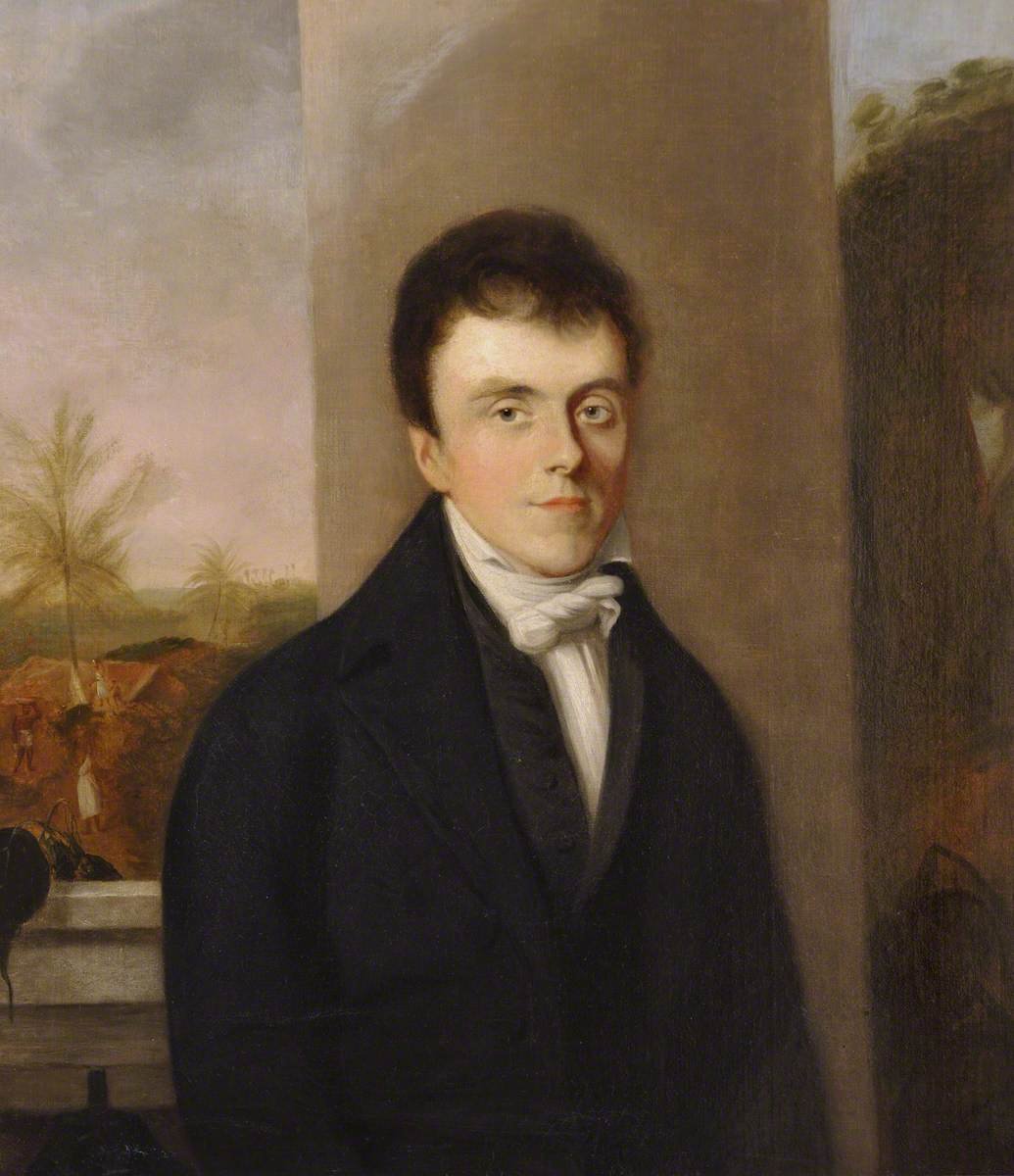
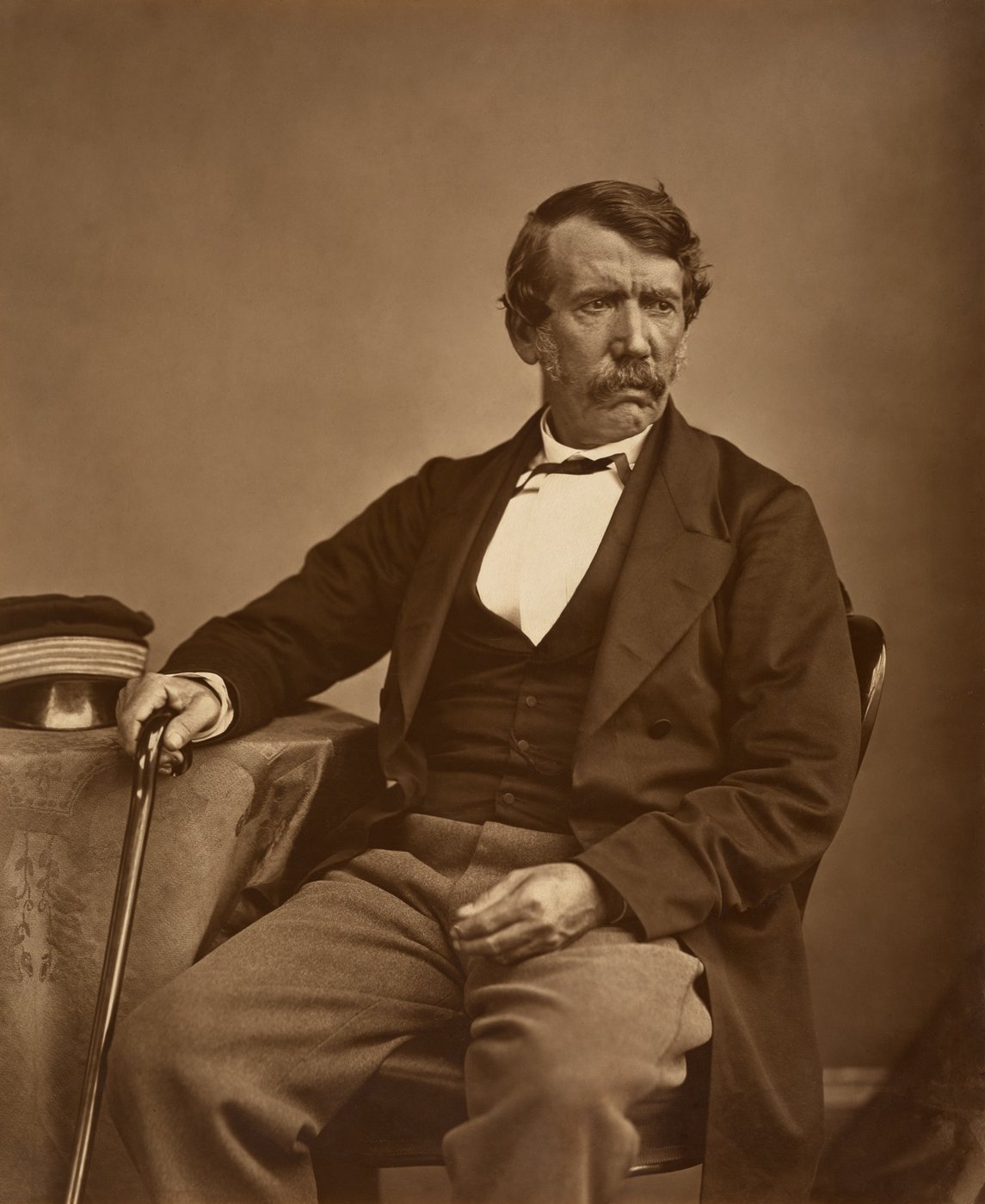
그런 다음 스코틀랜드 블랜타이어에서 태어난 데이비드 리빙스턴은 원래 중국을 계획했지만 하나님은 그를 대신 남아프리카의 로버트 모팻(Robert Moffat)에게 보내셨습니다. 그는 모팻의 딸과 결혼하여 선교사들을 위해 아프리카 내륙을 개척하는 데 약 15년을 보냈습니다.
그는 또한 Alexander Duff(스코틀랜드 교회 최초의 인도 선교사, 1829 출발), Samuel Marsden("호주와 뉴질랜드 선교사"), Robert Morrison(런던 선교사 협회와 함께 중국으로 가서 중국어 사전과 성경 제작)의 이름도 지정했습니다.
19세기 선교는 결코 하나의 이야기가 아니었습니다. 영국·개신교, 로마 가톨릭, 러시아 정교회가 병행했지만 서로 거의 눈에 띄지 않았던 세 가지 이야기였습니다.
III. 깨어있는 교회의 사회적 양심
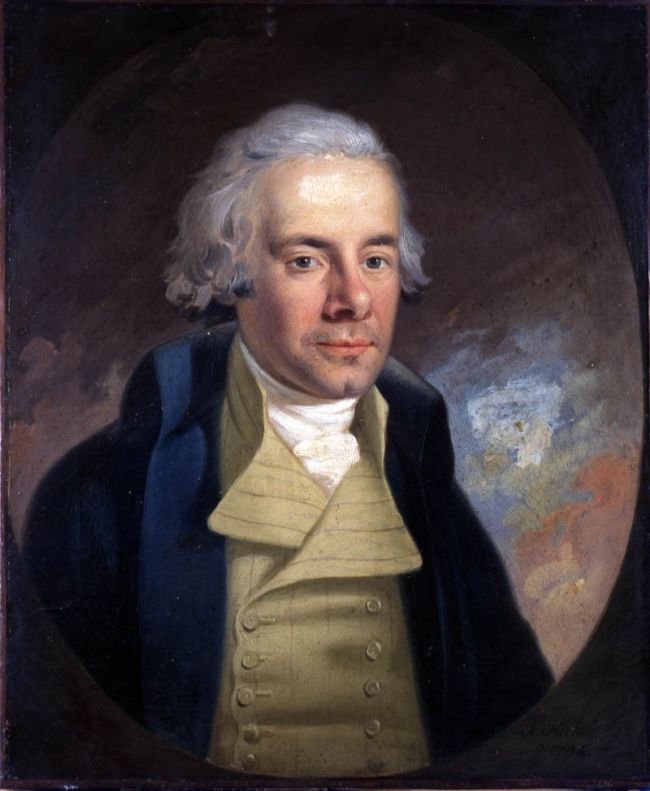
Pawson은 William Wilberforce에서 가장 오랫동안 머물고 있습니다. 윌버포스는 "육체적 노예가 아니라 죄에 대한 영적 노예"에 관한 책을 썼고 윌리엄 피트 총리를 설득하여 노예 무역을 폐지하는 1807 법안을 제출했고, 그로부터 26년 후인 1833에 살아서 노예 제도 자체가 폐지되었습니다 그가 죽기 전에.
그런 다음 그는 1800년의 노동 조건을 설명합니다. 일곱 살 아이들이 오전 5시부터 밤 8시까지 일했고, 다섯 살 아이들은 탄광 지하에서 12시간 동안 환기문을 열고 닫았으며, 여성과 아이들은 사슬에 연결된 석탄 수레를 끌며 네 발로 기어 다녔습니다. 그러다 섀프츠베리 경이 1842년 의회를 설득해 광산에서 여성과 13세 미만 소년의 노동을 금지했고, 이어 “10시간 법”이 노동시간을 제한하고 9세 미만 아동의 고용을 금지했습니다.
IV. 영국 국교회 내의 세 정당
첫 번째 강의의 마지막 부분에서 Pawson은 영국 교회 자체로 눈을 돌려 세 가지 그룹, 즉 낮은 그룹(복음주의, 성경과 39 조항을 고수함), 넓은 그룹(교리에 느슨함), 높은 그룹(종교 개혁 이전 가톨릭 관행을 회복하려고 노력함)을 봅니다.
하나의 교회, 세 방향
1800–1850년 영국 국교회 안의 세 정파
✝
저교회파
성경을 가까이 붙든 복음주의파. 찰스 시므온(1783–1836)이 이끈 케임브리지에서 가장 강했다. 클랩햄 섹트(윌버포스)와 이즐링턴 성직자 회의를 낳았다.
○
광교회파
팝슨의 말로는 교리적으로 느슨하고 “죽었고, 세속적이며, 차갑다”. 1827년 더블린에서 플리머스 형제단이 이 흐름에서 갈라져 나왔다.
✞
고교회파
종교개혁 이전의 관행을 되찾으려 했다. 옥스퍼드 운동(1833년)은 90개의 소책자를 냈고, 뉴먼은 1845년에 로마 가톨릭으로 개종했다.
세 정파 모두 같은 것, 곧 1828–29년 이후 더 이상 성공회만의 의회가 다스리지 않는 교회에서 벗어나려 했다. 다만 서로 다른 세 방향을 택했다.
하급당은 케임브리지에서 가장 강력했습니다. 그곳에서 찰스 시므온은 홀리 트리니티 교회에서 54년 동안(1783년부터 1836년 사망할 때까지) 설교했으며, 첫 10년은 공개적인 교구의 적대감 속에서 보냈습니다. 여기서 평신도 네트워크인 “클래펌 분파”(윌버포스, 영국·해외 성서공회의 초대 재무 담당자 헨리 손턴, 재커리 맥컬리)와 성직자 네트워크인 이즐링턴 성직자 회의가 자라났습니다.
Pawson에 따르면 브로드 파티는 "죽고, 세속적이며, 차갑습니다". 1827년 더블린에서 불만을 품은 남성들, 곧 앤서니 노리스 그로브스(당시에는 아직 은퇴 선교사가 아니었음), 존 파넬, J. G. 벨렛, 크로닌 박사, 프랜시스 허친슨, 성공회 보좌사제 존 넬슨 다비가 모이기 시작했습니다. 이들은 안수받은 성직자가 주도하는 사역을 거부하고 신약성서의 예배 방식으로 돌아가려 하며 공식 교회 구조 밖에서 예배했습니다. 여기서 플리머스 형제단이 나왔고, 훗날 배타적 형제단(다비가 이끔)과 개방 형제단(브리스틀 베데스다 채플의 조지 뮬러와 헨리 크레이크가 이끔)으로 나뉘었습니다.
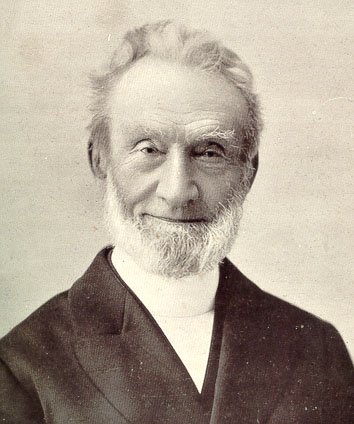
그럼 하이 파티. Pawson은 다음과 같이 말합니다. 1828에서 시험법이 폐지되어 가톨릭 신자와 비순응주의자가 의회에 들어갈 수 있게 되었으며, 이로 인해 옥스퍼드 성직자 그룹인 John Henry Newman, Richard Hurrell Froude, Edward Pusey, John Keble, Frederick Faber가 놀랐고 옥스퍼드 운동이 시작되었습니다. 그들은 약 120개의 소책자를 출판하여 오직 감독이 성임한 목사들만이 유효하며, 유아 세례는 중생이며, 빵과 포도주는 실제로 그리스도의 몸과 피가 되었다고 가르쳤습니다. 가장 논란이 많은 Newman의 소책자 90 (1841)에서는 성직자가 자신의 사적인 해석을 유지하면서 39 조항에 서명할 수 있다고 주장했습니다. 뉴먼은 1845에 로마로 떠나 추기경이 되었고, 다른 많은 사람들도 뒤따랐습니다.
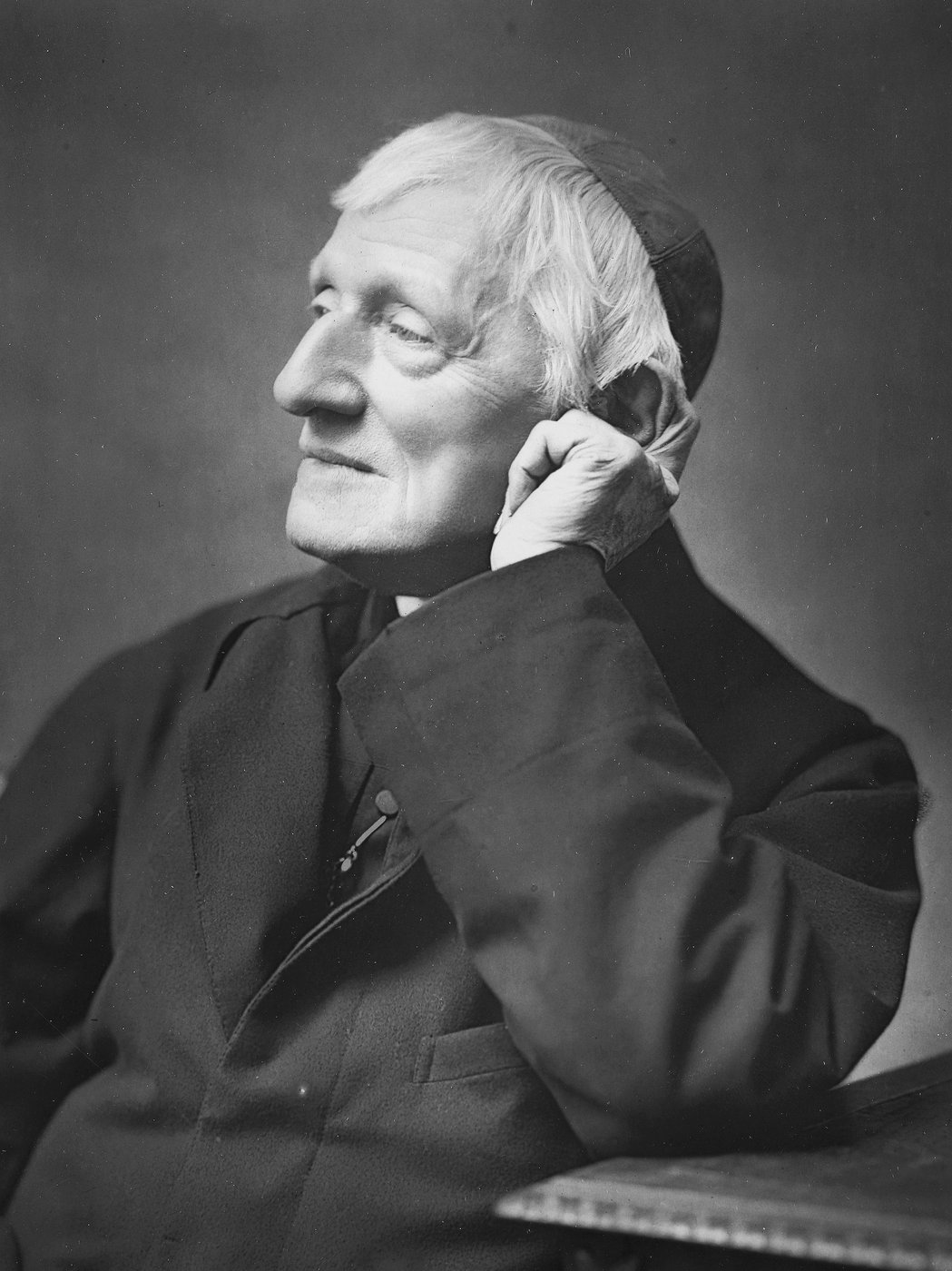
한 교회 안에 세 개의 당이 있고, 각각 국가가 소유한 같은 교회에서 탈출하려고 합니다. 한 사람은 성경으로 돌아갔습니다. 하나는 중세 시대로 되돌아갔습니다. 한 명만 가만히 있었어요.
19세기의 첫 50년은 이렇게 끝났습니다. 다시 따뜻해진 마음, 모든 대륙을 건너간 선교의 물결, 노예제를 폐지하고 노동 연령을 법제화할 만큼 강한 사회적 양심, 그리고 세 방향으로 끌려간 영국 교회. 그러나 이것은 개막에 불과했습니다. Pawson이 다음 강의에서 말하듯, 세기 후반에는 이야기가 두 배로 빨라지고 악마가 자신의 말로 반격을 시작합니다.
제2부: 1850–1900 — 성령이 행한 일과 악마가 행한 일
Pawson은 다음과 같은 주장으로 두 번째 강의를 시작합니다. 이것은 여성의 시대, 빅토리아 시대이며 1850에서 1900까지 매 년마다 성령께서 중요한 일을 하셨습니다. 그는 강의를 명확한 두 부분으로 나누었습니다. 첫 번째는 "성령께서 행하신 일"입니다. 두 번째는 "마귀가 한 일"입니다. 시리즈 전체에서 가장 깔끔한 구조이고, 그대로 유지했습니다.
V. 1857-1859의 대부흥
Pawson은 다음과 같이 말합니다. 1857에서, 부흥이 일어났다, 먼저 영국이 아니라 미국에서 몇 년 안에 대략 1백만 명의 사람들을 교회로 휩쓸었습니다. 그것은 "초원의 불처럼" Ulster(북아일랜드)로 퍼졌고, 그 다음에는 1859에 의해 영국으로 퍼져 대략 백만 명이 추가되었습니다. 그는 J. Edwin Orr 박사의 책인 The Evangelical Awakening을 출처로 인용합니다. 그리고 그 부흥의 와중에 Dwight L. Moody라는 20세의 사업가가 회심했습니다.
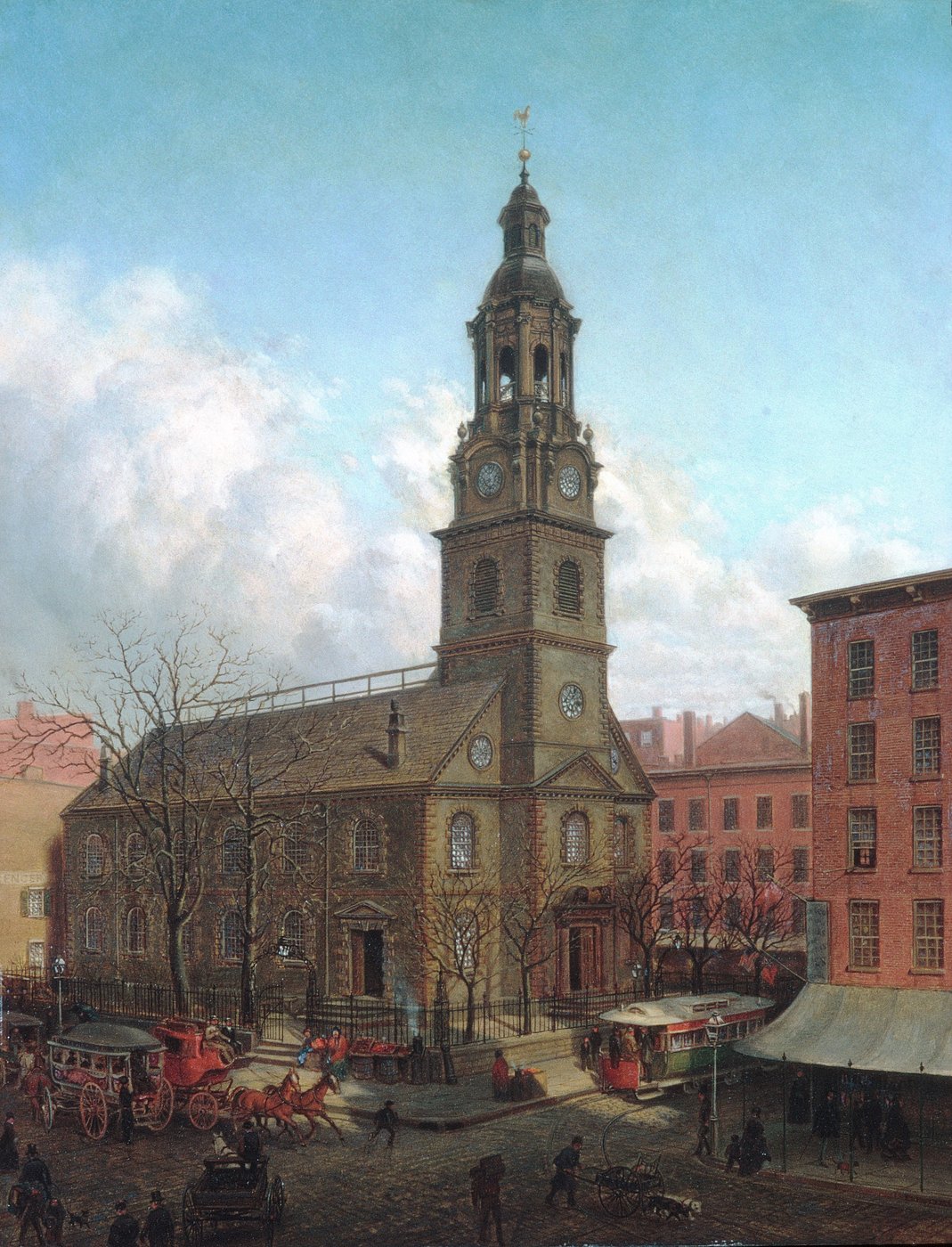
불 하나가 아니라 다섯 불
1857–1864년 다섯 지역으로 퍼진 대부흥
미국
23/9/1857
랜피어가 뉴욕 풀턴가에서 정오 기도회를 시작했다. 1858–59년에 약 100만 명이 회심했다(J. 에드윈 오르의 추정).
얼스터
1/1/1858
앤트림주의 킬스에서 첫 회심자가 나왔으며, 미국과 독립된 기원이다. 1859년에 약 10만 명이 회심했다.
웨일스
1859
약 8만–11만 명이 회심했다.
스코틀랜드
1859
약 30만 명이 회심했다.
잉글랜드
1864년 무렵
약 60만 명이 회심했으며, 1859년 한 해가 아니라 여러 해에 걸쳐 도달한 수치다.
영국 전체로 합치면 “100만 명 이상”이지만, 1860년대 중반까지 여러 해에 걸쳐 누적된 수치다. 설교가 말하듯 1859년 한 해에 잉글랜드에서 “또 100만 명”이 회심한 것은 아니다.
VI. 1860년대의 세 인물
Pawson에 따르면 그 부흥을 통해 위대한 인물들이 탄생했습니다. 그는 세 가지 이름을 골랐다. 중국으로 가는 의사가 되기 위해 훈련을 받았지만 빌링스게이트 수산시장에서 방수포 밑에서 자고 있는 노숙자들을 발견한 후 런던에 머물며 "어떤 빈곤한 아이도 입학을 거부한 적이 없다"는 모토 아래 집을 설립한 토마스 바르나르도 박사. 감리교 목사인 윌리엄 부스(William Booth)는 비전통적인 거리 전도에 대한 허가를 거부했고, 그의 아내 캐서린은 "절대, 윌리엄, 절대로!"라고 외쳤습니다. 갤러리에서 왔으며 함께 구세군을 창설했습니다. 그리고 1865에서 중국 내륙 선교부를 설립한 허드슨 테일러(Hudson Taylor)는 초교파적이며 공개적으로 기금을 모집하지 않는다는 "신앙" 원칙을 특징으로 합니다.
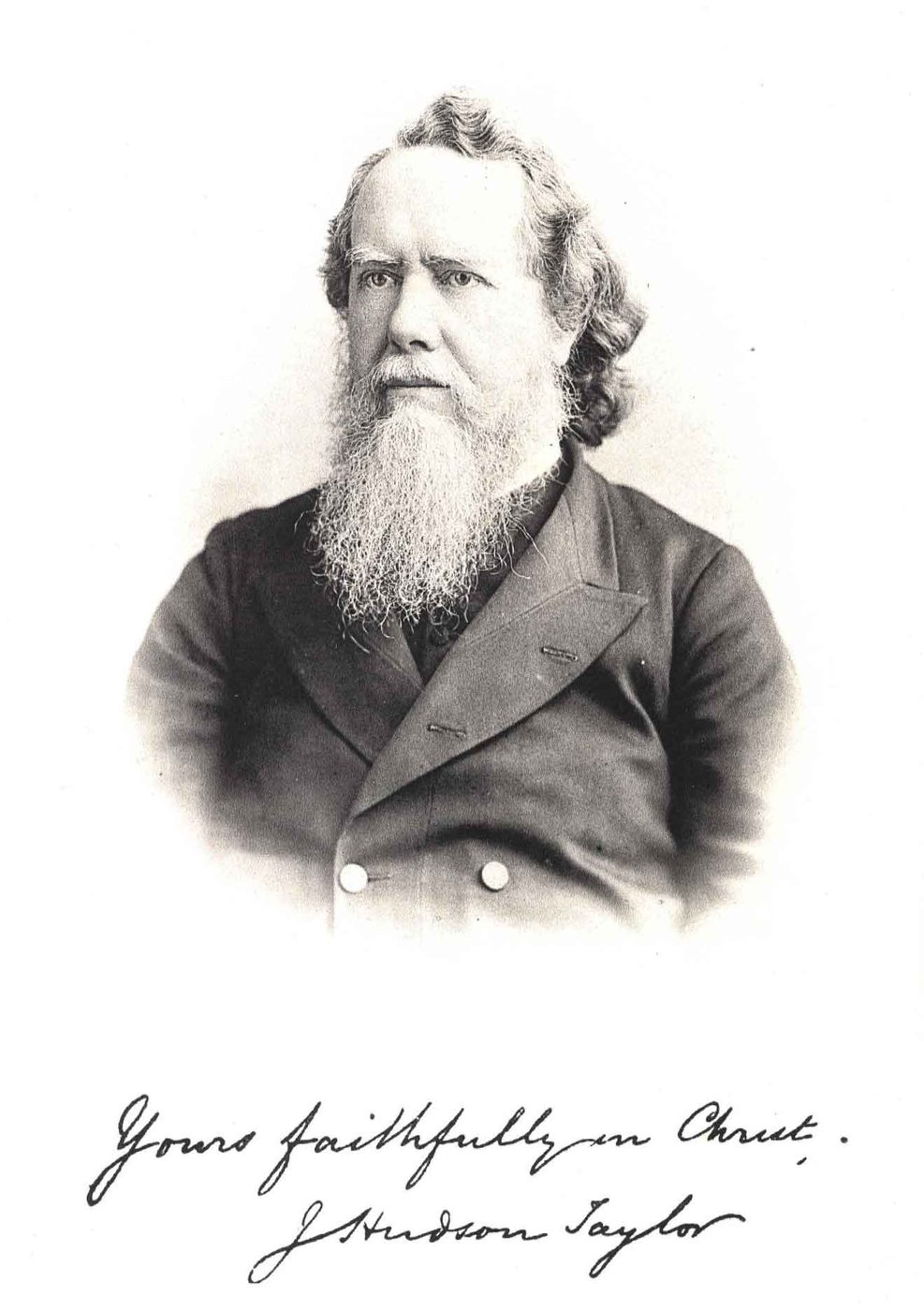
수산시장의 방수포 아래에서 자고 있는 세 명의 어린이. 갤러리의 외침. 어느 날 저녁, 브라이튼 해변에서 한 남자가 도저히 영성체를 할 수가 없었습니다. 성령님은 운동을 시작하기 위해 위원회가 필요하지 않습니다.
Ⅶ. 1870~1890년대: 헤르몬 산의 학생들, 대회, 그리고 백 명의 학생
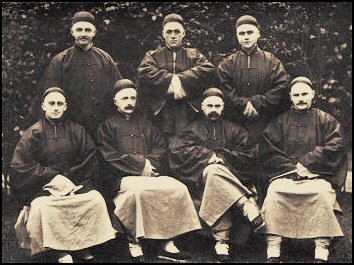
Pawson은 일련의 행사를 통해 회중을 안내합니다. William Pennefather는 Mildmay Hall(1870)을 건축하고 Moody를 초대하여 1872에서 설교했습니다. Moody와 가수 Ira Sankey는 1873에 영국에 도착하여 바로 그 해 런던에서 2.5백만 명의 사람들에게 설교했습니다. 1875의 첫 번째 Keswick 대회; CICCU는 1876, OICCU 1879를 설립했습니다. 개정판 성경은 1880에 출판되었지만 결코 인기를 얻지 못했습니다. 무디는 1882의 캠브리지에서 설교했습니다. 1885에서 중국으로 출발하는 "Cambridge Seven"(국가대표 크리켓 선수 C.T. Studd 포함); 1886 프린스턴의 로버트 와일더(Robert Wilder)는 1,000 학생 자원 봉사자를 모집하여 학생 자원 봉사 운동을 결성했습니다. 이 운동은 "이 세대의 세계 복음화"라는 모토로 1892 에딘버러에서 공식적으로 시작되었습니다.
Ⅷ. 여성 찬송가 작가의 시대
Pawson은 다음과 같은 관찰로 "성령께서 행하신 일" 섹션을 마무리합니다. 19세기는 Wesley와 Watts의 18세기와 달리 여성이 쓴 찬송가의 시대였습니다. 그는 Fanny Crosby ( "Fill Thou My Life"포함), Frances Ridley Havergal, Christina Rossetti, Cecil Frances Alexander, Harriet Beecher Stowe, Anna Waring, Arabella Catherine Hankey의 이름을 지정하고 Gladstone 총리도 찬송가를 썼다고 언급합니다.
Ⅸ. 악마가 한 일, 첫째: 로마는 그 어느 때보다 로마인이 되었습니다.
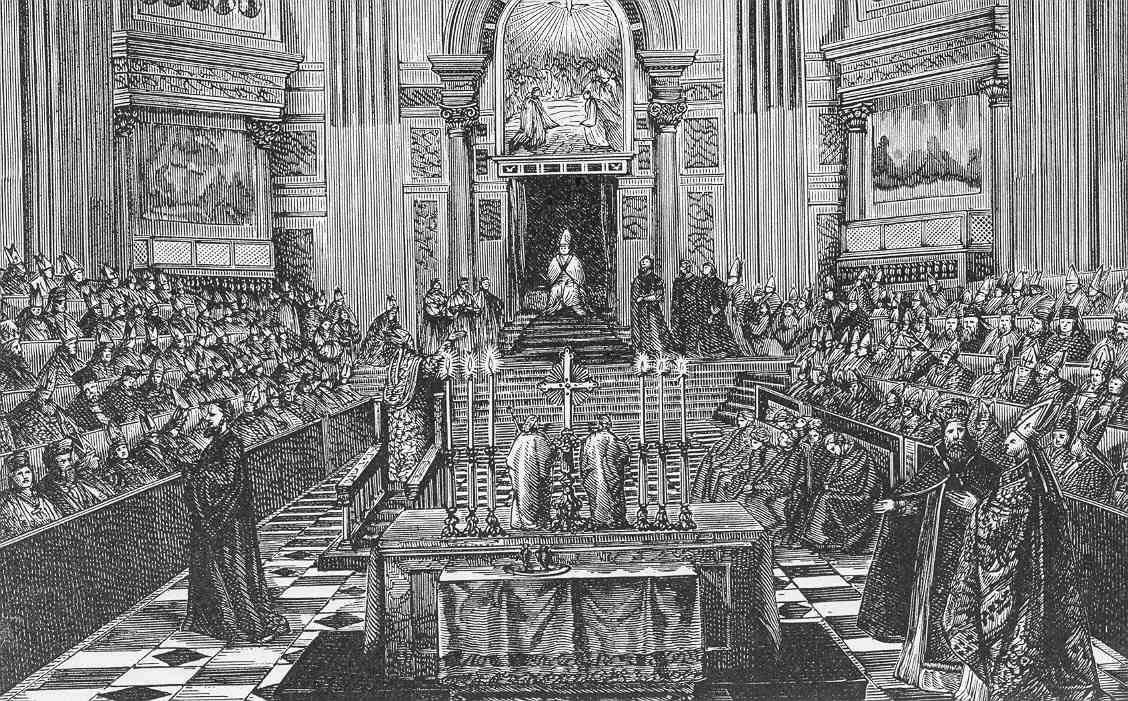
Pawson의 어조가 바뀝니다. 강의 후반부에서 그는 같은 50년 동안 “악마가 한 일”이라고 보는 다섯 가지를 나열합니다. 첫째, 교황은 예수회를 회복했고 1850년에는 영국의 가톨릭 교계 제도를 복원했으며, 1854년에는 무염시태 교리를 선포했습니다. 1870년 제1차 바티칸 공의회는 교황이 ex cathedra로 판정할 때 무류하다고 선언했습니다.
모든 것을 잃기 직전의 최대 주장
로마, 1773–1950
1773 / 1814
예수회가 억압되었다가 비오 9세보다 수십 년 앞서 복원되었다
1850
영국 가톨릭 교계가 복원되었다(와이즈먼, 웨스트민스터 대주교)
1854
원죄 없이 잉태되신 성모 교리(Ineffabilis Deus)
1869–70
제1차 바티칸 공의회. Pastor Aeternus가 교황 무류성을 선언했다(1870년 7월 18일)
20/9/1870
이탈리아군이 로마를 점령해 8세기부터 존재한 교황령을 끝냈다
1871
될링거가 파문되었고 약 6만 명의 평신도가 구가톨릭교회를 세웠다
1950
무류성 교리가 처음으로 ex cathedra로 행사되었다(성모 승천)
같은 1870 여름에 로마는 그 어느 때보다 더 무오류하다고 선언했으며 지상 왕국을 영원히 잃었습니다. 그것은 역사가 간과한 우연의 일치가 아닙니다.
X. 악마가 한 일, 두 번째: 다윈과 과학과 신앙 사이의 상상의 전쟁
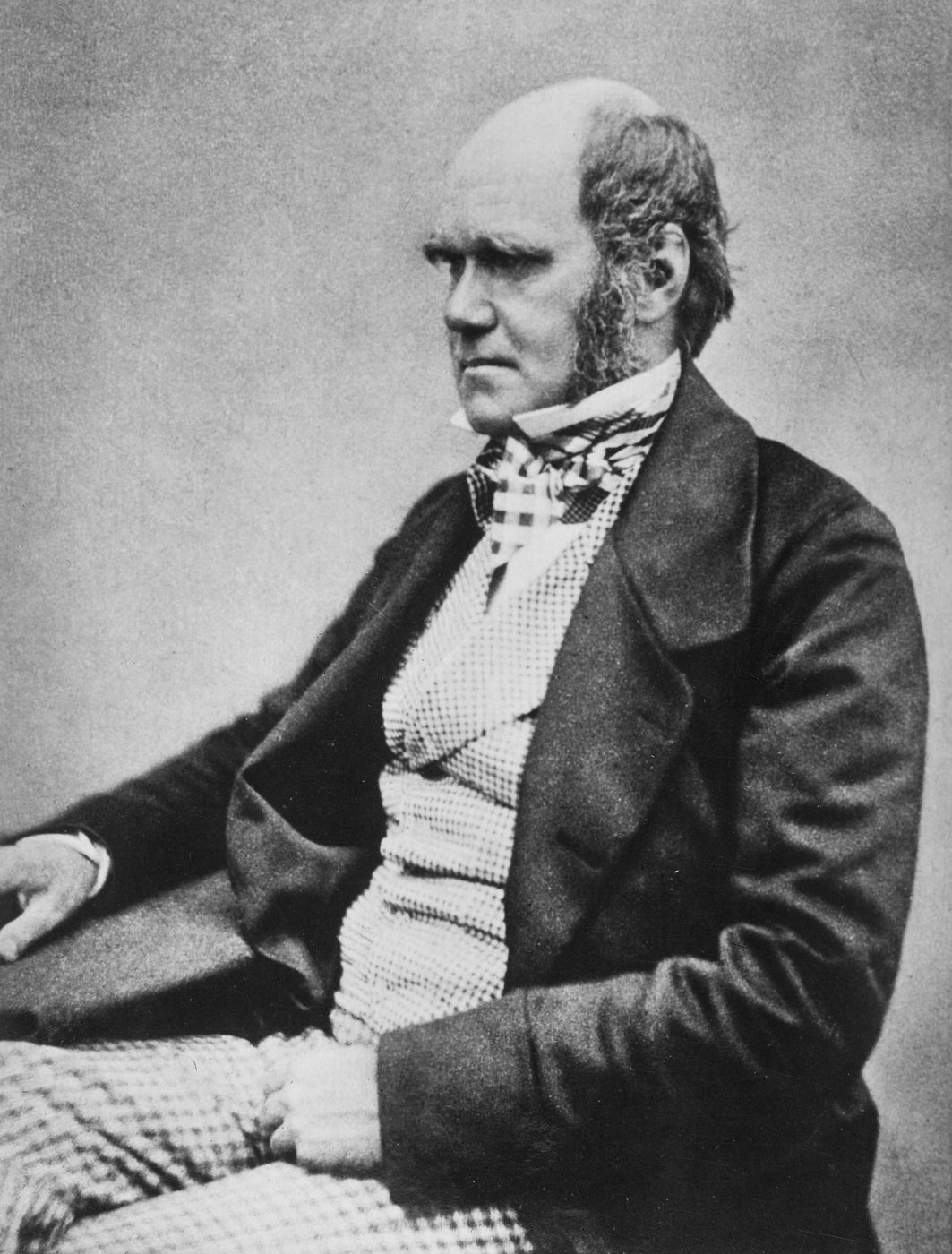
Pawson은 Charles Darwin에 대해 광범위한 관심을 기울이면서 "사람은 원숭이에서 왔다"고 말한 적이 없으며 종의 기원에 대하여(1859)는 창조자를 확인하는 것으로 끝나고 비극은 상호 오해였으며 진화가 그렇지 않았음에도 "증명된 사실"이었다고 주장하며 신앙은 성경이 그렇지 않은 것을 말했다고 주장했습니다.
XI. 악마가 한 일, 세 번째: 무신론, 불가지론, 그리고 칼 마르크스
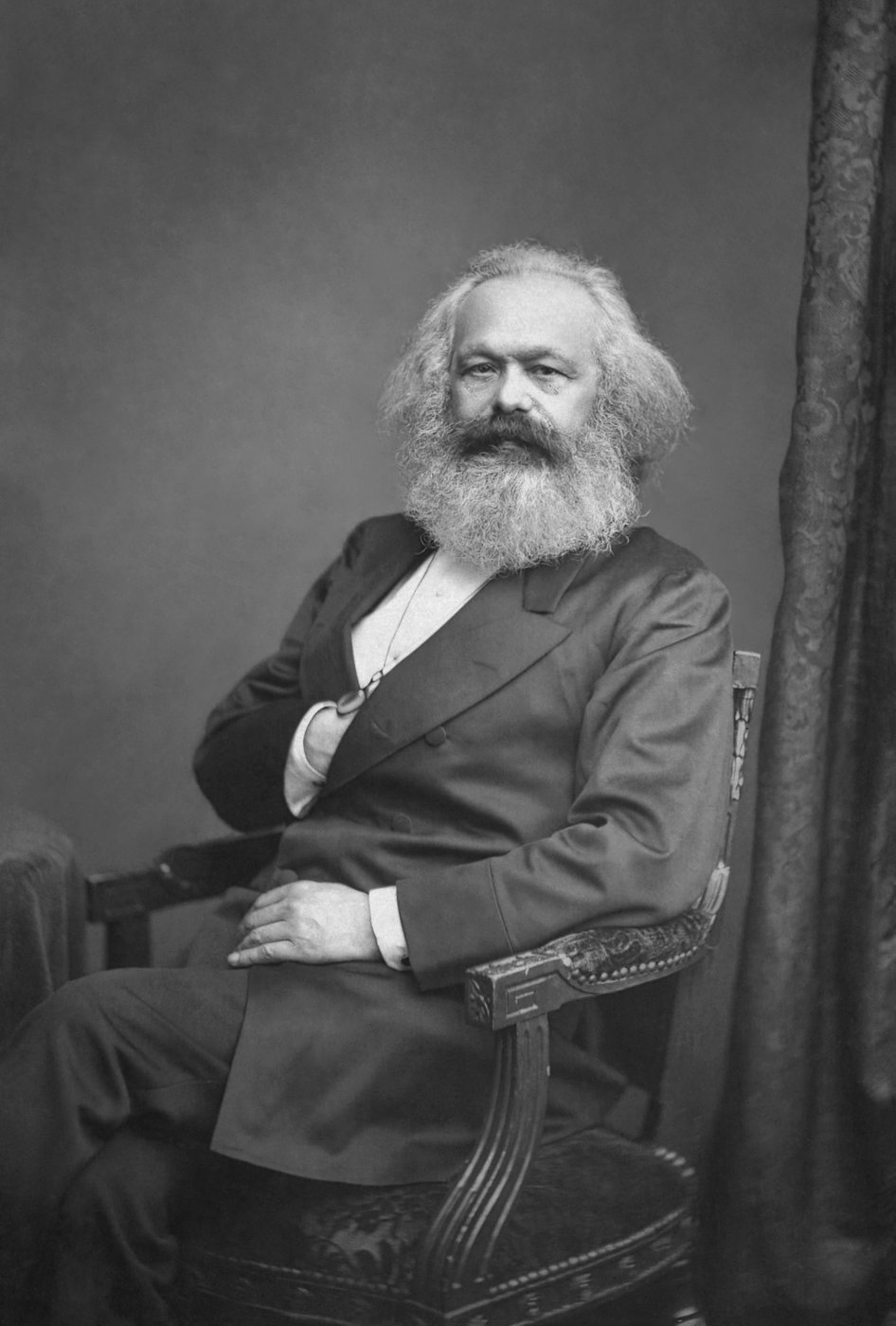
Pawson은 여러 이름을 훑어봅니다. 목회 훈련을 받았으나 불가지론자가 된 토머스 칼라일, 조지 엘리엇이라는 필명을 쓴 메리 앤 에번스(The Mill on the Floss의 저자), 존 스튜어트 밀, 허버트 스펜서, 쇼펜하우어와 포이어바흐(“인간은 자신의 형상대로 신을 만들었고 신은 단지 꿈일 뿐이다”), “권력에의 의지”를 말한 니체, 로버트 잉거솔, 그리고 1867년 Das Kapital을 출판한 카를 마르크스입니다. Pawson은 마르크스가 “종교는 대중의 아편이다”라는 말을 찰스 킹슬리에게서 빌렸다고 말합니다.
XII. 악마가 한 일, 넷째, '비판'과 의자를 잃은 학자들
Pawson이 악마의 "가장 교활한 무기"라고 부르는 네 번째 것은 성경을 인간의 모든 오류가 있는 완전한 인간의 책으로 취급하는 것입니다. 그는 모세가 아마도 결코 살지 않았고 여호수아는 신화였다고 주장하여 "파문당한" 주교 존 윌리엄 콜렌소(John William Colenso)에 대해 이야기합니다. 그리고 윌리엄 로버트슨 스미스(William Robertson Smith) 교수도 비슷한 견해로 인해 "에든버러 대학교에서" 히브리어 교수를 잃었습니다.
XIII. 악마가 한 일, 다섯 번째: 미국 해안의 새로운 컬트
마지막으로, 악마는 미국 대서양 연안에서 성경을 들고 있으면서도 예수의 신성을 부인하는 "거짓 이단"을 일으켰습니다. Pawson은 몰몬교(Joseph Smith, 1830), 제칠일 안식일 예수 재림교(1831), 영매술(1848), 기독교 과학(1876), 여호와의 증인을 "이 시기에 시작된 가장 큰 교회"로 나열합니다.
성령은 19세기 후반에도 덜 역사하지 않았습니다. 그러나 Pawson의 말에 따르면 악마는 "그의 군대를 동원하여 기다리게 했습니다." 두 이야기 모두 사실이며, 두 번째 이야기는 20세기가 지불해야 할 비용입니다.
Pawson은 두 번째 강의를 다음 이미지로 마무리합니다. 1850년에 글을 쓰던 두 남자는 서로 알지 못했고, 앞으로 수십 년 동안 그리스도교 신앙에 가장 큰 도전이 될 사상을 쓰고 있다는 사실도 알지 못했습니다. 한 사람은 대영박물관에서 Das Kapital을 집필한 칼 마르크스(Karl Marx)였습니다. 다른 한 사람은 비글호 항해에서 막 돌아와 자연에 관한 책을 집필한 찰스 다윈(Charles Darwin)이었습니다. Pawson은 성령께서 부흥을 부어 주시려고 바로 그해인 1859년을 선택하신 것처럼, 하늘이 공격이 다가오고 있음을 알고 있었던 것 같다고 말합니다. 그 부흥은 이후 수십 년과 20세기에 자유주의, 에큐메니즘, 오순절주의라는 세 가지 이념과 맞물리게 됩니다.
제3부: 1900–1968 — 두 차례의 세계 대전과 세 가지 사상
1967년에 설교된 세 번째 강의는 요한계시록의 세 편지로 시작됩니다. 사데에는 “살아 있다는 이름은 있으나 너희는 죽었다”, 빌라델비아에는 “내가 네 앞에 열린 문을 두었으니 아무도 닫을 수 없다”, 라오디게아에는 “너희는 미지근하여 차지도 뜨겁지도 않다”는 말이 전해집니다. Pawson은 이 세 이미지를 사용해 20세기 전체를 그립니다. 영국은 이 세기가 평화와 번영의 시대가 될 것이라고 확신하며 들어섰지만, 두 차례의 세계 대전으로 그 신뢰가 산산이 부서졌습니다.
그는 다음과 같은 수치를 제시합니다. 1900년에는 세계 인구의 약 29.5%가 명목상의 기독교인이었습니다. 그런 다음 20세기의 세속주의 확산, 인류의 상당 부분을 지배한 공산주의(특히 한때 수백 명의 선교사가 있었지만 이후 선교가 단절된 중국), 민족주의로 인해 선교사들이 “서구 제국주의자”로 여겨진 일, 서구 문명의 붕괴, 고대 종교의 부흥을 요인으로 들었습니다. 그러나 그는 “교회는 지금보다 더 커진 적이 없으며, 15초마다 새로운 기독교인이 생긴다”고도 단언합니다. 이 수치는 검증이 필요합니다. 그는 1933년에 설립되었다고 잘못 말한 위클리프 성경번역자(Wycliffe Bible Translators)와 “2,000개의 언어가 남아 있다”는 문구도 언급합니다.
세계에서 기독교인의 비율은 얼마였는가?
세계 인구 중 명목상 기독교인 비율, 1800–1970년
회색 점선은 팝슨이 1967년 설교에서 인용한 수치이고, 금색은 현대 학술 재구성이다(Barrett/World Christian Encyclopedia, Center for the Study of Global Christianity). 증가 방향은 맞지만 설교의 규모는 축소되어 있다.
20세기의 세 신학적 흐름
20세기 교회를 형성한 세 흐름
1
자유주의
성경이 아니라 개인의 경험을 진리의 기준으로 삼는다. 바르트·브루너가 진자를 일부 되돌렸지만 불트만·틸리히·로빈슨이 다시 앞으로 밀었다.
2
에큐메니즘
1910년 에든버러에서 1948년 세계교회협의회까지. 팝슨이 전혀 언급하지 않은 제2차 바티칸 공의회(1962–65년)는 이와 나란히 진행되었다.
3
오순절주의
아주사 거리의 마구간(1906년)에서 시작해 개신교 최대 운동 중 하나가 되었고, 뒤에는 듀케인(1967년)을 통해 가톨릭 안으로도 퍼졌다.
XIV. 첫 번째 이념: 자유주의, 그리고 진노가 없으신 하나님
Pawson은 20세기 교회를 형성한 세 가지 주의, 즉 자유주의, 에큐메니즘, 오순절주의에 대해 이야기할 것이라고 말했습니다. 첫 번째는 독일에서 시작되어 성경이나 교회가 아닌 개인적인 경험을 진리의 최종 시험으로 삼아 지옥과 기적과 하나님의 진노를 제거하는 결과를 가져왔다고 그는 말합니다. 그는 "라인홀드 니부어(Reinhold Niebuhr)"의 말을 인용합니다. "십자가 없는 그리스도의 사역을 통해 죄 없는 사람들을 심판 없는 왕국으로 데려오신 진노 없는 하나님." 두 차례의 세계 대전으로 인해 두 명의 스위스 신학자 칼 바르트(Karl Barth)와 에밀 브루너(Emil Brunner)가 추를 뒤로 돌려 죄와 속죄를 다시 설교했지만 그들은 성경이 문자 그대로 하나님의 말씀이라는 믿음으로 완전히 돌아오지 못했습니다. 그래서 추는 다시 새로운 "급진주의"로 나아갔습니다. 로빈슨의 추종자들은 "신은 죽었다"고 선언했다고 포슨은 말한다. 그는 “성경은 말한다”라는 캐치프레이즈를 내걸고 빌리 그레함을 복음주의 균형추로 설정합니다.
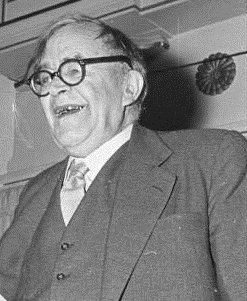
진자는 자유주의에서 신정통주의로, 다시 급진주의로 바뀌고, 각각의 흔들림은 정확히 한 가지를 놓치고 있다고 Pawson은 말합니다. 즉, 이 책이 정말 하나님의 말씀이라는 것을 다시 믿는 일입니다. 그러나 바로 그 순간, 또 다른 공의회는 그가 한 번도 언급하지 않은 세 번째 대답을 시도하고 있었습니다.
XV. 두 번째 주의: 에큐메니즘, 그리고 포슨의 문이 너무 빨리 닫혔다
Pawson은 1846년에 설립된 복음주의 연합(Evangelical Alliance)에서 시작해, Keswick의 “그리스도 예수 안에서 모두 하나”(1875)라는 표어와 1910년 에든버러 세계선교대회를 거쳐 에큐메니즘의 역사를 추적합니다. 에든버러 대회에서 자신을 “캐나다 침례교인”이라고 소개한 인도 그리스도교인에 관한 일화도 들려줍니다. 여기서 신앙과 직제, 생활과 일이라는 두 운동이 생겨났고, 1938년에 세계교회협의회로 통합하기로 합의했지만 제2차 세계대전 때문에 1948년 암스테르담 첫 회의까지 연기되었습니다. 당시 147개 교단이 참여했습니다. 그는 캐나다연합교회(1925), 스코틀랜드 교회(1929), 영국 감리교(1932), 남인도 교회(1947)의 연합을 예로 듭니다. 로마 가톨릭 신자는 공의회에 포함된 적이 없지만 많은 정교회가 포함되었다고 지적합니다. 1967년 설교에서 그는 당시 진행 중인 성공회–감리교 연합 회담은 실패하고 이후의 시도는 성공할 것이며 장로교와 회중교회는 5–10년 안에 연합할 것이라고 예언했습니다.
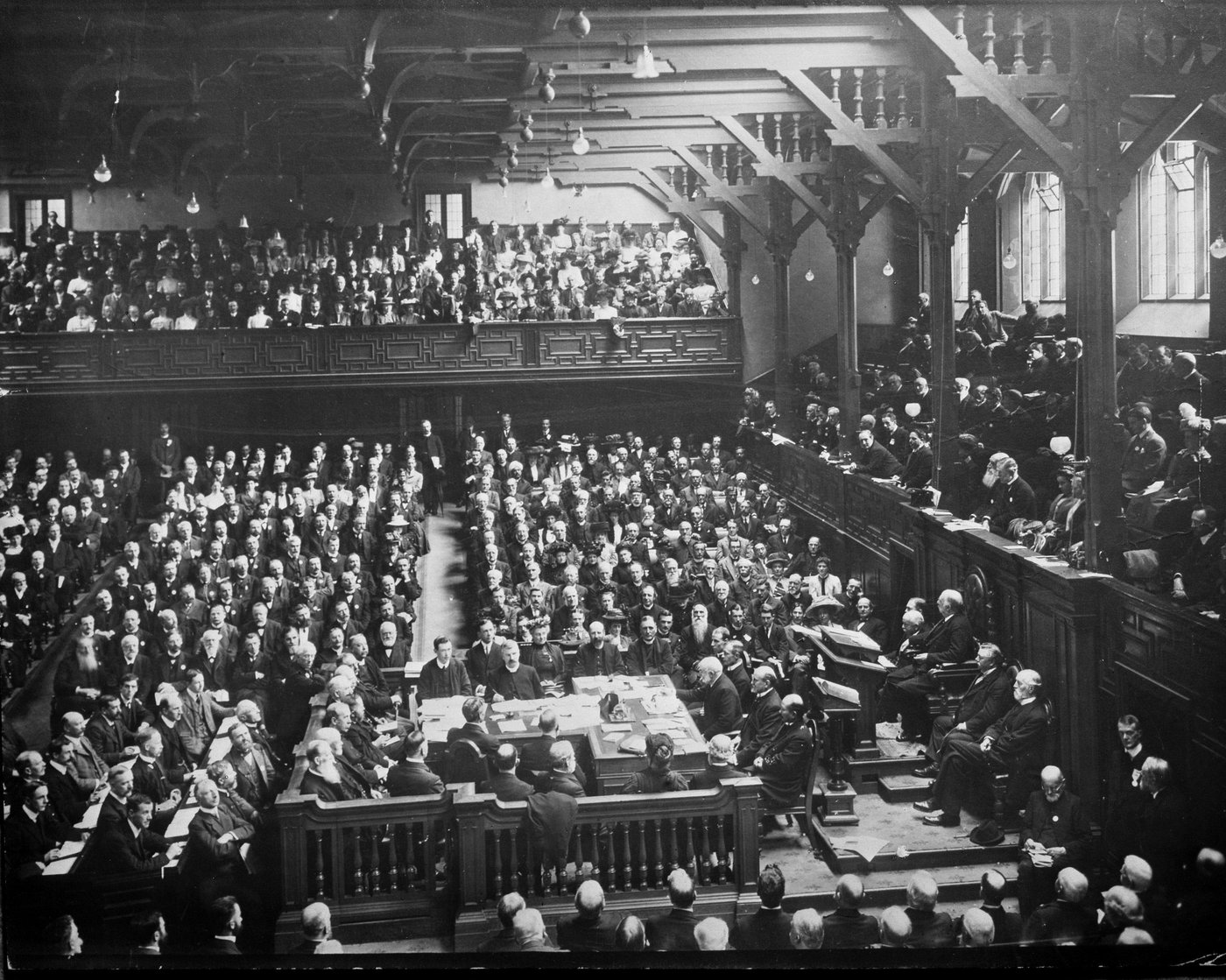
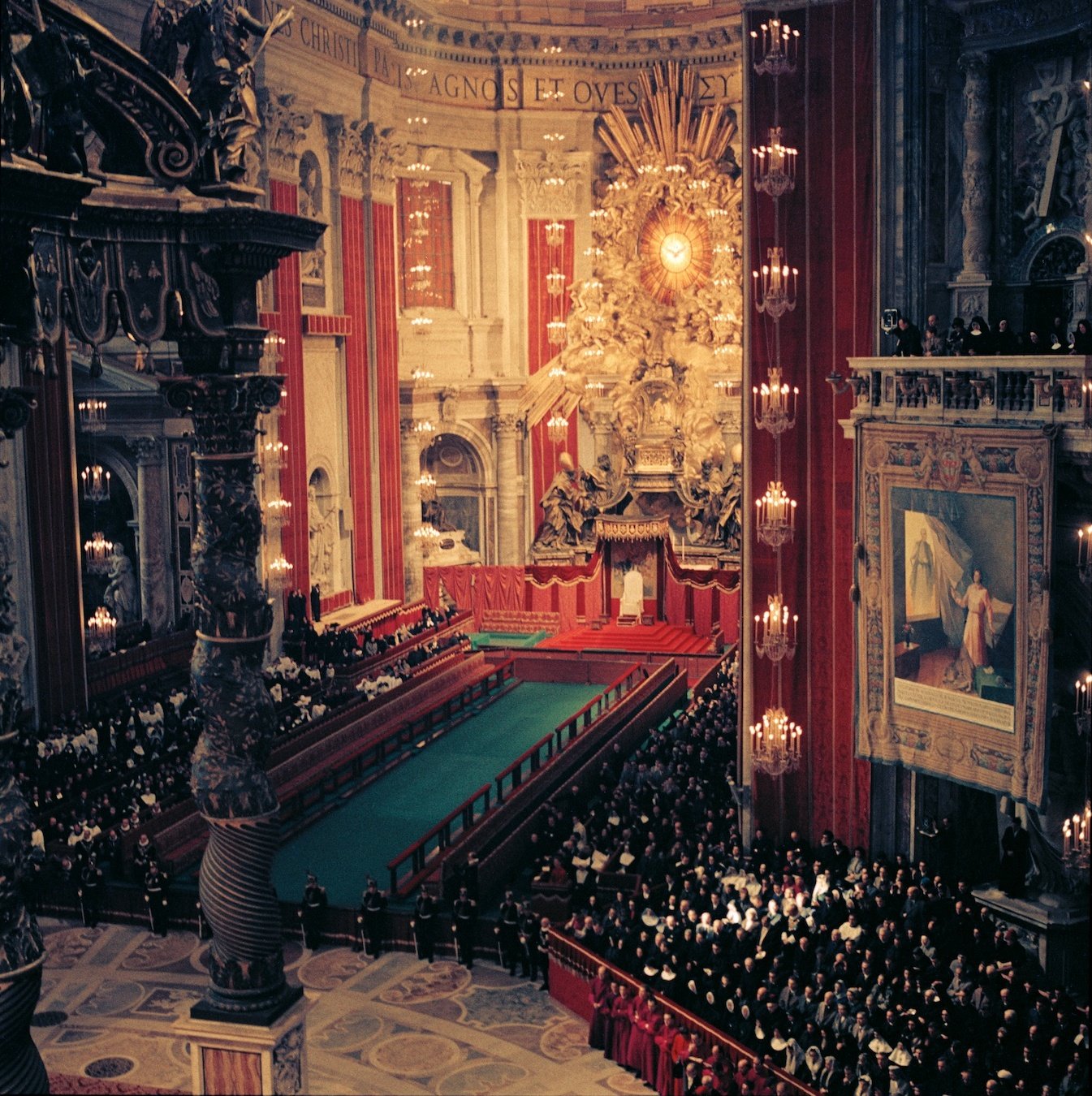
함께 말해지는 일이 드문 두 평행 노선
세계교회협의회와 제2차 바티칸 공의회, 1910–1965년
개신교 노선
1910
에든버러 세계 선교 대회
1937
신앙과 직제 + 삶과 봉사가 통합에 합의하다
1948
암스테르담 제1차 총회, 147개 교단
1961
뉴델리: “일치”에서 유기적 “연합”으로
가톨릭 노선(팝슨은 언급하지 않음)
1959
요한 23세가 공의회를 알리다
1962
제2차 바티칸 공의회가 개막하다
1964
Unitatis Redintegratio. 바오로 6세가 예루살렘에서 아테나고라스 1세를 만나다
1965
1054년의 파문이 해제되고 로마와 이스탄불에서 동시에 낭독되다
20세기의 두 가장 큰 에큐메니컬 이야기는 같은 시기, 같은 10년 동안 진행되었지만 그 시대의 대중적인 개신교 서술에서는 거의 만나지 않았다.
XVI. 세 번째 이념: 마구간에서 탄생한 오순절주의
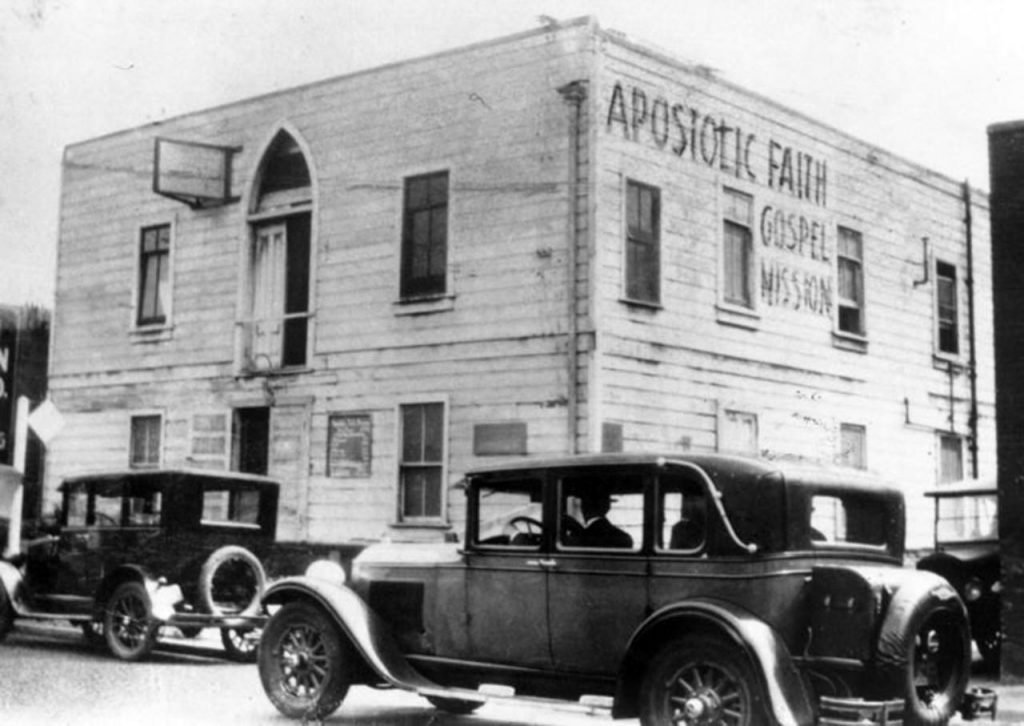
마지막 이념은 “그리스도교 자체와 마찬가지로” 마구간에서 태어났습니다. 1906년 로스앤젤레스의 아주사 스트리트에서 말입니다. 노르웨이 감리교 목사 T.B. Barratt는 로스앤젤레스에 도착하려고 뉴욕으로 갔지만 더 이상 여행할 여유가 없었습니다. 그는 서신으로 소식을 듣고 자신의 오순절 경험을 가지고 노르웨이로 돌아갔습니다. 선더랜드의 성공회 목사 Alexander Boddy가 그를 초대했고 1907년에 부흥이 일어났습니다. 1967년 Pawson은 오순절주의가 특히 라틴아메리카에서 폭발적으로 성장하며 세계 최대의 개신교 집단으로 침례교와 거의 맞먹게 되었다고 말합니다. 약 1960년부터는 미국 성공회 목사를 시작으로 주류 교단에 “새로운 오순절주의”(은사주의 운동)가 나타나기 시작했습니다.
한 마구간에서 여섯 대륙으로
세계로 퍼진 오순절주의, 1906–1967년
지리적으로 정확한 지도가 아니라 도식도다. 금색 점선은 1960년부터 주류 교회와 가톨릭 교회 안으로 퍼진 은사주의 분파를 나타낸다.
Pawson은 오순절 운동에서 배웠다고 말하는 네 가지로 이 섹션을 마무리합니다. 그것은 학위나 지위에 관계없이 평범한 사람들에게 힘을 실어줍니다. 그것은 찬양을 위해 풀린 혀가 또한 증거를 위해 풀릴 것임을 보여줍니다. 그것은 단지 목사의 수행만이 아니라 참여 예배를 회복시킵니다. 그리고 무엇보다도 그것은 하나님이 여전히 일하고 계시다는 믿음을 회복시켜 줍니다. 이는 그가 이전 섹션에서 방금 설명한 "신은 죽었다" 운동에 대한 가장 생생한 대답입니다.
같은 질문에 대한 세 가지 사상, 세 가지 다른 대답입니다. 두 차례의 세계 대전이 한 세기의 낙관주의를 불태웠을 때 무엇이 남았을까요? 하나의 대답은 경험으로 향했고, 하나는 서로를 향했으며, 하나는 권력으로 향했습니다. Pawson은 셋 중 하나만 완전히 옳다고 믿었습니다. 그러나 세 가지 모두는 교회가 여러 번 죽었다고 선언되었음에도 결코 죽지 않았다는 증거입니다.
마무리: 예수님은 자신의 교회를 세우십니다.
Pawson은 그날 저녁 완전히 대답하지 못한 질문으로 시리즈의 마지막 강의를 마무리합니다. 교회가 전투에서 승리할 것인가, 아니면 사라질 것인가? 그는 다음 강의에서 1968년부터 그리스도의 재림까지의 미래에 관해 이야기하겠다고 약속했습니다. 그러나 전체 시리즈의 강의를 마치면서 다음과 같은 말로 끝을 맺습니다. 예수님은 자신의 교회를 세우고 계시며, 음부의 문이 그것을 이기지 못할 것입니다.
Note: This piece merges three separate lectures from David Pawson's History of the Church series: 1800–1850 (49.7 minutes), 1850–1900 (51.1 minutes), and 1900–1968 (53.2 minutes, preached in 1967). I've folded all three into one essay because they tell a single story: a 19th century that opens with the heart warming back up after the Enlightenment's cold reason, explodes into the largest missionary expansion in Church history, then runs into a systematic counterattack Pawson himself calls "what the devil did," and a 20th century that has to live with the consequences of that counterattack through two world wars and three isms still shaping the Church today.
From the Wesleys' parlor to steam engines
Part 4 closed in 1800, with the Evangelical Revival having warmed back up an England gone cold through the 18th century. But a revival is not a destination, it's a beginning. The three lectures making up this Part 5 tell the story of what happened next: how far that warmed heart spread in the first half of the 19th century, how it exploded in the second half, and what it cost in the two world wars of the 20th.
PHẦN MỘT: 1800–1850 — LỬA LÃNG MẠN VÀ MỘT HỘI THÁNH ĐANG MỞ RỘNG
Pawson opens the first lecture with two physical facts and one emotional shift. Physical: England was urbanizing at an unprecedented rate (the Industrial Revolution), and its population was exploding. Emotional: after a cold, rationalist 18th century, the 19th century opened with a reversal, Romanticism, the heart displacing the mind.
He gives a specific figure: England had 5 million people in 1800, rising to 9 million by 1850, and cites the clergyman Malthus writing an essay warning of famine because population was outpacing food.
Kit's note
Pawson's figure is off by roughly half. England's first census (10 March 1801) already recorded 8,892,536 people in England and Wales, not 5 million. By the 1851 census that had nearly doubled: 17,927,609. In other words England already had nearly 9 million people by 1800, then nearly doubled again to almost 18 million by 1850, one of the fastest sustained population expansions in English history, not a "5 to 9" story. On Malthus: he published An Essay on the Principle of Population in 1798 (Pawson's date is right), arguing population grows geometrically while food supply grows only arithmetically, so unchecked growth, including growth encouraged by Poor Law relief, would inevitably outstrip food. This was an argument against a specific structure of poor relief, not a blanket case against charity as such.
Source: UK census returns 1801 and 1851 (ONS, Vision of Britain); Malthus, An Essay on the Principle of Population, 1798 edition.
On Romanticism, Pawson lists a run of novels: Jane Austen writing Pride and Prejudice, Victor Hugo writing Notre-Dame de Paris, Thackeray writing Vanity Fair, the Brontë sisters writing Jane Eyre and Wuthering Heights, Walter Scott writing Ivanhoe, Alexandre Dumas writing The Three Musketeers and The Count of Monte Cristo, Macaulay writing The History of England. The list is almost entirely correct on dates, except for the two he tacks on at the end, Trollope's Barchester Towers and Blackmore's Lorna Doone, which actually belong to a much later Victorian generation (1857 and 1869), seven to nineteen years past the 1850 cutoff he's describing.
From this he draws a religious consequence: because heart won out over head, religion boomed. He gives a figure: in 1800, 5% of churchgoers were non-conformist; by 1850, that figure was 50%. The Methodist church split into at least three major bodies, the Church of Scotland split in two, and six Baptist churches, including his own church, Gold Hill, founded the Baptist Union.
Kit's note
The endpoint of the 50% figure has a real basis: the 1851 Religious Census (30 March 1851, organized by Horace Mann) found that of roughly 10.9 million church attendances that day (about 60.8% of the population), nearly half were at Nonconformist chapels, a finding so politically explosive Parliament never repeated the exercise. But that's a snapshot of one day's attendance in 1851, not proof that Nonconformity had grown from a flat 5% baseline in 1800. Clive Field's quantitative research shows Nonconformity's growth had already "more than quadrupled" mainly from 1760 onward, meaning the starting point was already well above 5% long before 1800. On "six Baptist churches": this figure matches no documented account. The Baptist Union of Great Britain was founded in 1813 by 45 Particular Baptist churches in London, not six. Gold Hill Baptist Church's own official history page (founded 1774) makes no claim to founding-member status in the Baptist Union, even though this is Pawson's own church.
Source: Clive D. Field, "Counting Religion in England and Wales," Journal of Ecclesiastical History (2012); Census of Great Britain 1851: Religious Worship; Baptists Together; goldhill.org/who-we-are/our-story.
The Census vs. the Sermon
Population of England & Wales, 1801–1851 (millions)
Pawson said “5 million in 1800, up to 9 million by 1850.” The actual census says something quite different.
Source: UK census returns 1801–1851 (ONS, Vision of Britain). Dashed grey line = the figures Pawson cites in the sermon. Gold line = the real census data.
Kit's note
Pawson's whole account in this section is told entirely from inside Nonconformist Protestantism. He skips a Catholic countercurrent running through these same fifty years that Catholic historians treat as at least as significant. The Roman Catholic Relief Act of 1829, passed under the Duke of Wellington's government amid fears of unrest in Catholic-majority Ireland, removed the barriers keeping Catholics out of Parliament and most public office, the single biggest change to England's religious settlement in this whole period. Then on 29 September 1850, Pope Pius IX's bull Universalis Ecclesiae re-established a Catholic hierarchy in England and Wales for the first time since the Reformation, naming Nicholas Wiseman Cardinal Archbishop of Westminster, driven partly by the flood of Irish Catholic immigrants after the Great Famine (1845–1852). It ignited the "Papal Aggression" crisis: Wiseman burned in effigy, Catholic church windows smashed, "No Popery" processions filling English streets. In other words, England's religion in 1800–1850 was a three-cornered contest, expanding Nonconformity, the Anglo-Catholic pull of the Oxford Movement (more in Section IV), and a re-legalized, demographically swelling Roman Catholicism, not simply "rationalism giving way to Nonconformist Romanticism."
Source: John Bossy, The English Catholic Community 1570–1850; Edward Norman, Roman Catholicism in England.
II. The missionaries who entered the world
Pawson gives the largest share of the first lecture to the missionaries. He tells of Henry Martyn, who "gave up marrying his fiancée" to go to India, translated the New Testament and Book of Common Prayer into Hindustani, then went to Persia, and died at age 31.
Kit's note
Emotionally true but wrong on one important detail: Lydia Grenfell was never formally Martyn's fiancée. He fell in love with her in Cornwall before sailing in July 1805, but had to leave when a berth suddenly opened, "without becoming engaged to her." He proposed by letter from India, and she declined, chiefly because her mother withheld consent. He died in 1812 still unmarried and, by his own account, still in love with her, a story of unrequited devotion and sacrifice, not a broken engagement. On the work: he reached India in 1806, completed an Urdu New Testament, then went to Persia, finishing a Persian New Testament in Shiraz in 1812, and died at Tokat, Armenia, on 16 October 1812, en route home to see Lydia one last time.
Source: John Sargent, Memoir of the Rev. Henry Martyn (1819); Cambridge Centre for Christianity Worldwide.
Then David Livingstone, born in Blantyre, Scotland, originally intending China but God sent him to Robert Moffat in South Africa instead, he married Moffat's daughter, and spent about 15 years opening up the African interior for missionaries.
Kit's note
Close, but the standard figure is 16, not 15: Livingstone's own 1857 bestseller was titled "Missionary Travels and Researches in South Africa: Including a Sketch of Sixteen Years' Residence in the Interior of Africa," covering 1841–1856. Counting his whole African career (until his 1873 death at Chitambo, Zambia), the real figure is 32 years.
Source: David Livingstone, Missionary Travels and Researches in South Africa (1857); Livingstone Online Project.
He also names Alexander Duff (the Church of Scotland's first missionary to India, departing 1829), Samuel Marsden ("a missionary to Australia and New Zealand"), and Robert Morrison (went to China with the London Missionary Society, produced a Chinese dictionary and Bible).
Kit's note
The "missionary to Australia and New Zealand" label needs unpacking: in Australia, Marsden was chiefly the colony's senior chaplain and a magistrate (nicknamed the "flogging parson" for harsh sentencing), and his direct outreach to Aboriginal Australians was largely unsuccessful. His real missionary legacy is New Zealand: he preached the first Christian sermon on New Zealand soil at Oihi Bay on Christmas Day, 25 December 1814. On Morrison: he baptized exactly 10 converts in 27 years in China before dying in 1834, a modest figure usually left out of the inspiring version. And one thing Pawson doesn't mention at all: while these Protestant missionaries were at work, Pope Gregory XVI (1831–1846), called by Catholic mission historians "the greatest missionary pope of his century," was simultaneously reorganizing the entire Catholic mission system, creating more than 70 new dioceses/apostolic vicariates and naming 195 missionary bishops. And a Russian Orthodox priest, John Veniaminov (later St. Innocent of Alaska), arrived in the Aleutian Islands in 1824, invented a written Aleut alphabet, translated the Gospel of Matthew, almost exactly contemporaneous with Duff's arrival in Calcutta and Livingstone's move to Africa, an Orthodox voice almost entirely absent from Anglo-Protestant tellings of this era.
Source: Australian Dictionary of Biography; Te Ara Dictionary of New Zealand Biography; OrthodoxWiki "Innocent of Alaska"; Encyclopædia Britannica, "Propaganda Fide."
Nineteenth-century missions was never one story but three running in parallel, Anglo-Protestant, Roman Catholic, and Russian Orthodox, almost invisible to each other.
III. The social conscience of an awakening church
Pawson lingers longest on William Wilberforce. Wilberforce wrote a book about "spiritual slavery to sin, not physical slavery," persuaded Prime Minister William Pitt to bring an 1807 bill abolishing the slave trade, then 26 years later, in 1833, lived to see slavery itself abolished before he died.
Kit's note
Three corrections. One, Wilberforce's book, A Practical View of Christianity (1797), isn't organized around a "slavery to sin" metaphor, it contrasts nominal Christianity with real Christianity, a loose summary on Pawson's part. Two, William Pitt died on 23 January 1806, more than a year before the Slave Trade Act 1807 received royal assent (25 March 1807). Pitt did encourage Wilberforce to take up the cause at their famous 1787 conversation under the "Wilberforce Oak" at Holwood, but the 1807 Act itself was actually piloted through Parliament by Pitt's successor, Lord Grenville. Three, the Slavery Abolition Act 1833 passed its Commons second reading on 22 July 1833, one week before Wilberforce died (29 July 1833), but the Act imposed a mandatory "apprenticeship" system of unpaid forced labor lasting until 1838, and exempted territories held by the East India Company, Ceylon, and St. Helena, "fully abolished" overstates even the 1834 outcome. The £20 million compensation (roughly 40% of the UK's 1833 government spending, not fully paid off until 2015) went to slave owners, not the enslaved.
Source: Slave Trade Act 1807 and Slavery Abolition Act 1833 (Wikipedia, cross-checked against Britannica); History of Parliament, "1833 Slavery Abolition Act: The Long Road to Emancipation."
Then he describes 1800 working conditions: 7-year-olds working 5am to 8pm, 5-year-olds down coal mines opening and shutting ventilation doors for 12 hours, women and children crawling on all fours hauling chained coal carts, until Lord Shaftesbury got an 1842 Act through Parliament banning women and boys under 13 from mines, then the "Ten Hours Bill" limiting hours and banning employment under age 9.
Kit's note
The Mines and Collieries Act 1842 (passed 1 August 1842) banned all women and girls from underground work at any age, but set the minimum age for boys underground at 10, not 13. The "Ten Hours Bill" was actually the Factories Act 1847, limiting hours for women and 13-to-18-year-olds in textile mills to 10 hours a day, while the ban on employing children under 9 belongs to a separate, 14-years-earlier Act: the Factory Act 1833. Pawson has merged two Acts fourteen years apart into one. On Elizabeth Fry and John Howard in prison reform, correct, but Howard's work (he died in 1790) actually belongs to the 18th century, placing him inside an "1800–1850" frame is a slight chronological stretch.
Source: Mines and Collieries Act 1842; Factories Act 1847 and Factory Act 1833 (Wikipedia, UK Parliament "Later factory legislation").
IV. Three parties within the Church of England
The final section of the first lecture, Pawson turns to the Church of England itself, where he sees three groups: Low (evangelical, sticking closely to Scripture and the 39 Articles), Broad (loose on doctrine), and High (seeking to recover pre-Reformation Catholic practice).
One Church, Three Directions
The three parties inside the Church of England, 1800–1850
✝
Low
Evangelical, held close to Scripture. Strongest at Cambridge under Charles Simeon (1783–1836). Produced the Clapham Sect (Wilberforce) and the Islington Clerical Conference.
○
Broad
Doctrinally loose, per Pawson “dead, worldly, cold.” It was from here, in 1827 Dublin, that the Plymouth Brethren seceded.
✞
High
Sought to recover pre-Reformation practice. The Oxford Movement (1833), 90 tracts, Newman converts to Rome in 1845.
All three were trying to escape the same thing: a church governed by a Parliament no longer exclusively Anglican after 1828–29. They just chose three different directions out.
Kit's note
The Low/Broad/High framework is mildly anachronistic applied to 1800. The Low/High distinction genuinely goes back to the 17th-18th centuries, but the term "Broad Church" was only coined by A.H. Clough in conversation with Benjamin Jowett around 1848-1850, and only became current after W.J. Conybeare's 1853 Edinburgh Review essay "Church Parties." In 1800, the real division was more two-sided: a minority evangelical party (like Simeon's) against a doctrinally loose "orthodox" establishment majority; a self-conscious "Broad Church" party only crystallized after the Oxford Movement sharpened High Church identity from 1833 onward.
Source: W.J. Conybeare, "Church Parties," Edinburgh Review (1853); Encyclopedia.com, "Broad Church."
The Low party was strongest at Cambridge, where Charles Simeon preached at Holy Trinity Church for 54 years (1783 until his 1836 death), the first decade under open parish hostility. From it grew two networks: the lay "Clapham Sect" (Wilberforce, John Thornton as first treasurer of the British and Foreign Bible Society, Zachary Macaulay), and the clerical Islington Clerical Conference.
Kit's note
A notable name error: the first treasurer of the British and Foreign Bible Society (founded 1804) was Henry Thornton, banker and MP, the Clapham Sect's financial architect, not his father John Thornton, who died in 1790, 14 years before the Society existed, and so could not have been its treasurer. This is almost certainly a father/son conflation in the transcript.
Source: Wikipedia, "Henry Thornton (reformer)"; O. Hardman, "The Clapham Sect" (anglicanhistory.org).
The Broad party, per Pawson, was "dead, worldly, cold," and it was from this that, in 1827 in Dublin, a group of disaffected men, Anthony Norris Groves (a retired missionary), John Parnell, J.G. Bellett, Dr Cronin, W.F. Hutchinson, and John Nelson Darby, an Anglican curate, began meeting outside the formal church structure, rejecting ordained ministry, seeking to return to the exact New Testament pattern of worship. From this came the Plymouth Brethren, which later split into the Exclusive Brethren (led by Darby) and the Open Brethren (led by George Müller and Henry Craik at Bethesda Chapel, Bristol).
Kit's note
Core group and location correct, but a few details need fixing. The fifth man's name was Francis Hutchinson, not "W.F." Anthony Norris Groves was not yet a retired missionary in 1827, he was a surgeon-dentist in Exeter who had just given up his practice to train at Trinity College Dublin, preparing for mission work, he didn't actually depart for Baghdad until 1829, two years later. Academic historians (Sweetnam & Gribben, 2009; Timothy Stunt, 2000) also argue the movement's origins were more complex than a simple reaction to a "dead Broad Church," tied to the influence of the Swiss Réveil and Anglo-Irish prophecy-conference culture (later centered at Powerscourt from 1831). The 1848 Exclusive/Open split happened when Bristol's Bethesda Chapel received some Plymouth members into communion without requiring them to renounce B.W. Newton's views (Newton had been accused of Christological heresy in 1847), leading Darby to withdraw fellowship from Bethesda itself. On Müller: his charity received an estimated £1.38-1.46 million in his lifetime (not "a million"), caring for over 10,000 orphans across five houses built 1849-1870, but the original Ashley Down buildings were sold to Bristol City Council in 1958, nine years before Pawson's 1967 sermon, so calling it "still existing" at the time he preached needs a small correction, though the successor charity (now "Müllers") still operates in Bristol today.
Source: Sweetnam & Gribben, JETS 52/3 (2009); Wikipedia "George Müller" and "New Orphan Houses, Ashley Down"; mullers.org/our-history.
Then the High party. Pawson tells it: in 1828 the Test Act was repealed, letting Catholics and non-conformists into Parliament, which alarmed a group of Oxford clergymen, John Henry Newman, Richard Hurrell Froude, Edward Pusey, John Keble, Frederick Faber, and launched the Oxford Movement. They published about 120 tracts, teaching that only bishop-ordained ministers were valid, that infant baptism was regeneration, and that the bread and wine actually became Christ's body and blood. The most controversial, Newman's Tract 90 (1841), argued a clergyman could sign the 39 Articles while holding his own private interpretation. Newman left for Rome in 1845, became a Cardinal, and many others followed.
Kit's note
Several layers to unpack here. Pawson conflates two different Acts: the Test and Corporation Acts 1828 only removed barriers on Protestant non-conformists, while Catholic Emancipation was a separate Act the following year, 1829. And the movement's actual proximate trigger wasn't the 1828-29 Acts but the Irish Church Temporalities Act of 1833, suppressing ten Irish Anglican bishoprics, which is what prompted John Keble's famous "National Apostasy" sermon on 14 July 1833, the date traditionally marking the movement's start. Frederick Faber wasn't one of the four founders, he was a student influenced by the movement who converted alongside Newman in 1845. The tract count was 90, not 120, published 1833-1841. On doctrine: the Tractarians while still Anglican were actually quite wary of the word "transubstantiation" itself (Article 28 of the 39 Articles explicitly names it "repugnant to the plain words of Scripture"), they spoke of a "real presence" in a spiritual sense without yet using that scholastic language, Newman only embraced the term after his conversion. On consequences: only Newman among the core tract-writers actually seceded to Rome in 1845, Pusey and Keble remained practicing Anglican clergy for life, "many others followed" overstates what was actually a slow bleed across decades (Faber and W.G. Ward in 1845, roughly 14 clergy after the 1850 Gorham Judgment, Henry Manning in 1851) rather than a mass exodus.
Source: Wikipedia "Oxford Movement," "Tracts for the Times," "Tract 90"; Owen Chadwick, The Victorian Church, Part I (1966); C. Brad Faught, The Oxford Movement (2003).
Three parties inside one church, each trying to escape the same thing, a church held by the state. One turned back to Scripture. One turned back to the Middle Ages. Only one stayed put.
The first fifty years of the 19th century close this way: a heart warmed back up, a missionary wave crossing every continent, a social conscience strong enough to abolish slavery and legislate labor ages, and a Church of England pulled in three directions at once. But this was only the opening act. The second half of the century, as Pawson tells it in the next lecture, is when the story doubles its speed, and the devil, in his own words, begins to counterattack.
PHẦN HAI: 1850–1900 — NHỮNG GÌ ĐỨC THÁNH LINH ĐÃ LÀM, VÀ NHỮNG GÌ MA QUỶ ĐÃ LÀM
Pawson opens the second lecture with a claim: this is the age of women, the Victorian age, and in every decade from 1850 to 1900 the Holy Spirit did something significant. He splits the lecture into two clear halves: the first, "what the Holy Spirit did"; the second, "what the devil did." It's the tidiest structure in the whole series, and I've kept it intact.
V. The Great Revival of 1857-1859
Pawson tells it: in 1857, revival broke out, not in England first, but in America, sweeping roughly 1 million people into the church within a few years. It spread "like a prairie fire" to Ulster (Northern Ireland), then to England by 1859, adding roughly another million. He cites Dr J. Edwin Orr's book, The Evangelical Awakening, as his source. And in the middle of that revival, a 20-year-old businessman named Dwight L. Moody was converted.
Kit's note
A true story, but the starting point is smaller and more specific than "revival broke out" suggests. On 23 September 1857, Jeremiah Calvin Lanphier, a 48-year-old lay missionary, advertised a weekly noon prayer meeting in a room on Fulton Street, New York, six blocks from the Stock Exchange. No one came the first half hour; then six men joined. The Panic of 1857 (14 October) hit three weeks later, turning a trickle into a flood: by spring 1858 an estimated 10,000 people were gathering daily across more than 20 New York churches and YMCAs. The "roughly 1 million" figure is J. Edwin Orr's own estimate, not a census figure. No Orr book is titled exactly "The Evangelical Awakening," the real relevant works are The Second Evangelical Awakening in Britain (1949) and ...in America (1952), most likely Pawson (preaching from memory) shortened the title. On Ulster: the revival there didn't simply "catch fire" from America, it had its own independent start, four young men including James McQuilkin began a prayer group at a schoolhouse in Kells, Co. Antrim, in late 1857, the first convert coming 1 January 1858, before full news of the American revival had spread. On "another million in England": that figure is actually the sum across the whole UK over several years, not England alone in 1859: Ulster roughly 100,000, Wales roughly 80,000-110,000, Scotland roughly 300,000, and England reaching roughly 600,000 only by 1864, not 1859. On Moody: he was converted on 21 April 1855, at age 18, two years before Fulton Street began, by his Sunday school teacher, Edward Kimball, in a Boston shoe warehouse, not "during the revival" of 1857.
Source: J. Edwin Orr, The Event of the Century (1989); 1859 Ulster revival (Wikipedia, citing William Gibson, The Year of Grace); Christianity.com, "Dwight L. Moody Was Converted."
Not One Fire, But Five
The Great Revival spreading across five lands, 1857–1864
USA
23/9/1857
Lanphier begins the noon prayer meeting, Fulton Street, New York. ~1 million converted 1858–59 (J. Edwin Orr's estimate).
Ulster
1/1/1858
First convert at Kells, Co. Antrim, an origin independent of America. ~100,000 converts (1859).
Wales
1859
~80,000–110,000 converts.
Scotland
1859
~300,000 converts.
England
by 1864
~600,000 converts, reached across several years, not 1859 alone.
A combined “over a million” across the UK, but reached cumulatively over several years into the mid-1860s, not “another million in England” within 1859 alone as the sermon suggests.
VI. Three figures of the 1860s
From that revival, per Pawson, sprang a generation of great figures. He picks three names. Dr Thomas Barnardo, training to be a doctor bound for China, but staying in London after discovering homeless boys sleeping under tarpaulins at Billingsgate fish market, and founding homes under the motto "no destitute child ever refused admission." William Booth, a Methodist minister refused permission for unconventional street evangelism, whose wife Catherine shouted "Never, William, never!" from the gallery, and who together founded the Salvation Army. And Hudson Taylor, who in 1865 founded the China Inland Mission, distinctive for being interdenominational and for a "faith" principle of never publicly soliciting funds.
Kit's note
All three stories are true, with a few details to adjust. Barnardo opened his first home on Stepney Causeway in 1870; the "ever-open door" motto was only formalized in 1874, after the death of a boy nicknamed "Carrots" who'd been turned away because the home was full, four years after opening, not the founding motto. On Booth: he was ordained in 1858 not in mainstream Methodism but in the Methodist New Connexion branch; at the 1861 Liverpool conference he was refused release from settled ministry to focus on itinerant evangelism, and resigned within two months, the "drums and trumpets" story describes a much later Salvation Army phase (the 1880s), not the 1861 dispute, which was about denominational structure. Catherine's famous line also has several documented variants ("Never!", "No, never"), suggesting it wasn't recorded verbatim at the time but retold repeatedly afterward. On Hudson Taylor: his spiritual crisis happened on Brighton beach on 25 June 1865; and the claim that missions before this were "entirely denominational" overstates it, the London Missionary Society (1795) itself, home to Robert Morrison and later Livingstone, was founded with an explicitly interdenominational purpose, 70 years before CIM. What Taylor genuinely innovated was the "faith" principle (no public fundraising, no fixed salary) and accepting people without university degrees or elite backgrounds, not interdenominationalism itself.
Source: SOFII.org, "Dr Barnardo's Homes"; Wikipedia "William Booth"; Roger J. Green, The Life and Ministry of William Booth (2005); A.J. Broomhall, Hudson Taylor and China's Open Century (1981-89).
Three children sleeping under tarpaulins at a fish market. A shout from the gallery. One evening on Brighton beach when a man couldn't bear to take Communion. The Holy Spirit doesn't need a committee to start a movement.
VII. The 1870s-1890s: students, conventions, and a hundred students at Mount Hermon
Pawson walks the congregation through a chain of events: William Pennefather built Mildmay Hall (1870), invited Moody to preach in 1872; Moody and singer Ira Sankey arrived in Britain in 1873, preaching to 2.5 million people in London that very year; the first Keswick Convention in 1875; CICCU founded 1876, OICCU 1879; the Revised Version Bible published in 1880 but never becoming popular; Moody preaching at Cambridge in 1882; the "Cambridge Seven" (including national cricketer C.T. Studd) departing for China in 1885; Robert Wilder at Princeton in 1886 calling for 1,000 student volunteers, forming the Student Volunteer Movement, formally launched at Edinburgh in 1892 with the motto "the evangelization of the world in this generation."
Kit's note
This is the most accurate chain of proper names but the loosest on dates in the whole lecture. Pennefather built Mildmay around 1869-70 but died on 30 April 1873, before Moody actually set foot in England that June, he never saw the campaign he'd set in motion. The "2.5 million people in London in 1873" figure belongs to a different event: it's the total attendance at the climactic finale at the Royal Agricultural Hall, Islington, held March-July 1875, not 1873 (in 1873 Moody had only just begun modestly in York). CICCU was formally founded on 9 March 1877, not 1876 (1876 was a preparatory week of preaching). The Revised Version New Testament was published in 1881, not 1880; and it was actually the first post-KJV Bible to gain real popular acceptance, though it never displaced the KJV in ordinary use, "never became popular" needs nuance. On the "Cambridge Seven": correct, they departed February 1885, reaching Shanghai 18 March 1885. On Robert Wilder and Princeton: the pivotal event didn't happen at Princeton but at Moody's summer conference at Mount Hermon, Massachusetts, in July 1886, where Wilder and Arthur T. Pierson led 251 students from roughly 89 colleges; 100 signed the pledge (the "Mount Hermon Hundred," including John R. Mott), not 1,000. And SVM's first international convention was held in Cleveland, Ohio, in February-March 1891, not Edinburgh 1892; what happened in Britain around 1892 was the founding of a sister organization, the British Student Volunteer Missionary Union.
Source: J.C. Pollock, Moody: A Biographical Portrait (1963); CICCU official history (ciccu.org.uk); Wikipedia "Student Volunteer Movement"; Dana L. Robert, "Occupy Till I Come: A.T. Pierson and the Evangelization of the World."
VIII. The age of women hymn writers
Pawson closes the "what the Holy Spirit did" section with an observation: the 19th century was an age of hymns written by women, unlike the 18th century of Wesley and Watts. He names Fanny Crosby (including "Fill Thou My Life"), Frances Ridley Havergal, Christina Rossetti, Cecil Frances Alexander, Harriet Beecher Stowe, Anna Waring, Arabella Catherine Hankey, and notes that even Prime Minister Gladstone wrote a hymn.
Kit's note
The broad observation has real basis but is drawn too narrowly, and there's one notable misattribution. "Fill Thou My Life, O Lord My God" isn't Fanny Crosby's, it's by Scottish Presbyterian minister Horatius Bonar (1866), notable because it inserts a male writer into a list meant to illustrate women's hymn writing. Hankey's full name is recorded as Arabella Katherine Hankey (not "Catherine"). Gladstone's "hymn" was actually an 1848 Latin translation he made of Toplady's "Rock of Ages," not an original composition. Christina Rossetti and Harriet Beecher Stowe wrote those texts as poems, set to music as hymns only after their deaths (Rossetti died 1894, Gustav Holst's "Cranham" tune came in 1906). Most importantly: hymn historians like Ian Bradley (Abide With Me, 1997) and J.R. Watson (The English Hymn, 1999) show male Victorian hymn writers, Henry Francis Lyte ("Abide With Me"), Sabine Baring-Gould ("Onward Christian Soldiers"), John Ellerton, were equally prolific in the same decades, and the 18th century itself already had a major female hymnist, Anne Steele (1717-1778). Worth adding: the parallel Catholic hymn revival of this same period was almost entirely male, convert-priests from the Oxford Movement: Newman ("Lead, Kindly Light"), Faber ("Faith of Our Fathers"), Caswall, an interesting counterpoint to Pawson's "age of women" framing, which holds only for the Nonconformist Protestant side.
Source: Hymnary.org, "Fill Thou My Life"; Ian Bradley, Abide With Me (SCM Press, 1997); J.R. Watson, The English Hymn (Oxford, 1999); CBE International, "English Women Hymnwriters."
IX. What the devil did, first: Rome became more Roman than ever
Pawson's tone shifts. In the second half of the lecture, he lists five things "the devil did" in those same fifty years. The first: the Pope revived the Jesuit order, in 1850 restored the English Catholic hierarchy, in 1854 proclaimed the dogma of the Immaculate Conception ("Mary was born without sin"), and in 1870 the First Vatican Council declared the Pope infallible when ruling ex cathedra.
Kit's note
Four things to untangle. One, the Jesuit order wasn't "revived" in this period at all, it was suppressed by Pope Clement XIV in 1773 and restored by Pius VII in 1814, both events decades before Pius IX's papacy (1846-1878), not part of the "wave" Pawson is describing. Two, the Immaculate Conception dogma (Ineffabilis Deus, 8 December 1854) concerns Mary being preserved from original sin "from the first instant of her conception," not "born without sin," a common conflation with Christ's virgin birth. And the belief wasn't suddenly "pressured" by Jesuits, it had circulated in Catholic theology since at least Duns Scotus (13th century); Pius IX polled every Catholic bishop worldwide from 1849 before proclaiming it. Three, the definition of papal infallibility (Pastor Aeternus, 18 July 1870) is far narrower than popular understanding: it applies only when the Pope, as supreme pastor, formally defines a doctrine of faith or morals ex cathedra, not to his everyday statements, opinions, or disciplinary acts, and the dogma has been formally exercised only once since then, in 1950, when Pius XII proclaimed the Assumption of Mary. Four, the Vatican I vote was hardly "uncontested": the German Catholic historian Ignaz von Döllinger publicly rejected the dogma and was excommunicated, roughly 1,400 German Catholics signed a declaration of protest, and eventually some 60,000 laypeople left Rome to found the Old Catholic Church. And just two months after the dogma was proclaimed, Italian troops captured Rome (20 September 1870), ending the Papal States that had existed since the 8th century, Pius IX declared himself a "prisoner of the Vatican" until 1929, a coincidence of maximal spiritual claim and total loss of temporal sovereignty historians don't treat as accidental.
Source: Wikipedia "Suppression of the Society of Jesus," "Ineffabilis Deus," "Pastor aeternus," "First Vatican Council"; Owen Chadwick, A History of the Popes 1830-1914 (Oxford, 1998).
Maximal Claim, Right Before Losing It All
Rome, 1773–1950
1773 / 1814
Jesuits suppressed, then restored, decades before Pius IX
1850
English Catholic hierarchy restored (Wiseman, Abp. of Westminster)
1854
Immaculate Conception dogma (Ineffabilis Deus)
1869–70
First Vatican Council; Pastor Aeternus declares papal infallibility (18 Jul 1870)
20/9/1870
Italian troops capture Rome, ending the Papal States that had existed since the 8th century
1871
Döllinger excommunicated; ~60,000 laity form the Old Catholic Church
1950
Infallibility dogma exercised ex cathedra for the first time (the Assumption)
In that same summer of 1870, Rome declared itself more infallible than ever, and lost its earthly kingdom for good. That's not a coincidence history overlooks.
X. What the devil did, second: Darwin and the imaginary war between science and faith
Pawson gives extended attention to Charles Darwin, stressing that he never said "men come from monkeys," that On the Origin of Species (1859) ends by affirming a Creator, and that the tragedy was mutual misunderstanding, science claiming evolution was "proved fact" when it wasn't, faith claiming the Bible said things it didn't.
Kit's note
Pawson is right on the core point, Darwin's real claim was common ancestry, not "men from monkeys," but two things need adjusting. One, the famous closing line invoking "the Creator" ("breathed by the Creator into a few forms, or into one") is not in the original 1859 first edition. The phrase "by the Creator" was only added in the second edition, released just seven weeks later, on 7 January 1860, plausibly a concession to religious reaction, and Darwin himself later regretted it: he wrote to Hooker in 1863, "I have long regretted that I truckled to public opinion." His personal faith eroded gradually, compounded by his daughter Annie's death in 1851, and he identified as agnostic, explicitly stating he had never been "an atheist in the sense of denying the existence of a God." Two, and more importantly: the "warfare between science and religion" framing both Pawson and most popular tellings assume is now considered by historians of science (Ronald Numbers, John Hedley Brooke) to be a historiographical myth, manufactured chiefly by two late-19th-century polemical books (John William Draper, 1874; Andrew Dickson White, 1896). The reality was far more accommodating: Presbyterian botanist Asa Gray defended the compatibility of natural selection and divine design directly in correspondence with Darwin; conservative Princeton theologian B.B. Warfield wrote "I do not think that there is any general statement in the Bible... that need be opposed to evolution"; and Cardinal John Henry Newman himself, in 1868, suggested God could have established natural laws "millions of ages ago" and let them work out evolutionary outcomes. Not "two sides at war then reconciled," but many sides accommodating almost immediately.
Source: Darwin Online (darwin-online.org.uk), collating 1st and 2nd editions of Origin of Species; Darwin Correspondence Project, letter to Hooker, 29 March 1863; Ronald L. Numbers (ed.), Galileo Goes to Jail and Other Myths about Science and Religion (Harvard, 2009).
XI. What the devil did, third: atheism, agnosticism, and Karl Marx
Pawson runs through a list of names: Thomas Carlyle (trained for the ministry, became agnostic), George Eliot (pen name of Mary Ann Evans, author of Mill on the Floss), John Stuart Mill, Herbert Spencer, Schopenhauer and Feuerbach ("man has made God in his own image, and God is simply a dream"), Nietzsche ("will to power," whom Pawson says laid the foundation for Hitler's ideology), Robert Ingersoll, and finally, Karl Marx, who published Das Kapital in 1867, and the line "religion is the opiate of the masses," which Pawson says Marx "borrowed from Charles Kingsley."
Kit's note
This is the most serious error in the entire second lecture. Marx's line, "Die Religion ... ist das Opium des Volkes" ("Religion ... is the opium of the people"), appears in his Introduction to A Contribution to the Critique of Hegel's Philosophy of Right, written in 1843, published February 1844. Charles Kingsley's comparable line ("an opium dose for keeping beasts of burden patient") dates to 1847, three to four years later. Marx could not have "borrowed" from a text that didn't yet exist. If there was any influence, the nearest precedents are Novalis (1798) and Heinrich Heine (1840), Marx's close friend in Paris in the early 1840s. On Nietzsche and Hitler: this too is a documented historical distortion, not a real lineage of ideas. Nietzsche explicitly and repeatedly opposed antisemitism and German nationalism in his own writings; it was his own sister, Elisabeth Förster-Nietzsche, an actual ultranationalist, who edited his unpublished notes after his 1889 mental collapse to fit völkisch ideology, manufacturing the Nazi-friendly "Nietzsche" later promoted by the Third Reich, a posthumous fabrication scholar Walter Kaufmann exposed from 1950 onward. On Robert Ingersoll: no English lecture tour is recorded in his standard biography, his career was overwhelmingly American, making the bus-stop anecdote most likely a recurring preaching illustration, not a historical event. Worth adding: Pawson's whole "19th-century atheism" frame is told entirely as a battle of ideas among British Protestant intellectuals. It was actually Russian Orthodoxy that paid the steepest price for this atheism in the following century: after the 1917 Revolution, the Soviet state executed 28 Orthodox bishops and over 1,200 priests in 1922-1926 alone, and the number of functioning parishes collapsed from roughly 54,000 before WWI to about 500 by 1940.
Source: Wikipedia "Religion is the opium of the people," citing Marx, Zur Kritik der Hegelschen Rechtsphilosophie (1844); Walter Kaufmann, Nietzsche: Philosopher, Psychologist, Antichrist (1950); Dimitry Pospielovsky, The Russian Church Under the Soviet Regime, 1917-1982 (1984).
XII. What the devil did, fourth: "criticism," and the scholars who lost their chairs
The fourth thing Pawson calls the devil's "most subtle weapon": treating the Bible as an entirely human book, subject to every human error. He tells of Bishop John William Colenso, "excommunicated" for arguing Moses probably never lived and Joshua was a myth; and Professor William Robertson Smith, losing his Hebrew chair "at the University of Edinburgh" for similar views.
Kit's note
Both stories are true but oversimplified, and one location detail is flatly wrong. Colenso, consecrated Bishop of Natal in 1853, published The Pentateuch and the Book of Joshua Critically Examined (1862-1879) questioning the historicity of the Flood and the Exodus based on population figures that seemed impossible, not a flat statement that "Moses never lived." In December 1863, Bishop Robert Gray of Cape Town purported to "excommunicate" him and consecrated a rival bishop, but the Judicial Committee of the Privy Council in London ruled Gray had no legal jurisdiction over Natal, voiding the sentence. Colenso remained the officially recognized Bishop of Natal until his 1883 death, never accepting the excommunication as valid. On Robertson Smith: this is a location error, he held the Hebrew chair at the Free Church College, Aberdeen (from 1870), not the University of Edinburgh. His article "Bible" for the 9th edition of the Encyclopaedia Britannica (1875) triggered a heresy process in 1878, he was dismissed from his Aberdeen chair in 1881 (an administrative decision, not a formal heresy conviction), then moved to Cambridge, became Professor of Arabic, and died in 1894 aged 47. Both Wellhausen (who systematized the "documentary hypothesis" Pawson describes without naming) and Robertson Smith considered themselves devout Christians doing historical philology, not secretly planted atheists, a point modern historians of the movement (John Rogerson) stress but Pawson skips entirely.
Source: Jeff Guy, The Heretic: A Study of the Life of John William Colenso (1983); Bernhard Maier, William Robertson Smith: His Life, His Work and His Times (2009); Judicial Committee of the Privy Council, In re the Bishop of Natal (1865).
XIII. What the devil did, fifth: new cults from the American seaboard
The last thing: the devil raised up "false cults" from the Atlantic seaboard of America, holding a Bible in hand but denying the deity of Jesus. Pawson lists: the Mormons (Joseph Smith, 1830), the Seventh-day Adventists (1831), Spiritism (1848), Christian Science (1876), and the Jehovah's Witnesses, "the biggest one that started up in this period."
Kit's note
All five movements are real, and Pawson's shared geography is close but imprecise: rather than "the Atlantic seaboard," the real common thread was the "Burned-over District," an inland strip of western New York state, named by revivalist Charles Grandison Finney because it had been swept by so many waves of revival there was nothing left to "burn," which directly produced Mormonism (Palmyra/Fayette), the Miller/Adventist movement, and Spiritualism. On dates: Mormonism is correct, the Church of Christ was organized by Joseph Smith on 6 April 1830. Adventism is the most badly off: 1831 was only the year William Miller began public preaching, while the Seventh-day Adventist Church itself was not formally founded until 21 May 1863, in Battle Creek, Michigan, after the 1844 "Great Disappointment" when Miller's predicted Second Coming failed to occur, a 32-year process compressed into a single figure. Spiritualism is correct: the Fox sisters' "spirit rapping" began in Hydesville, New York, on 31 March 1848. Christian Science is off by one to four years depending on the milestone: Mary Baker Eddy self-published Science and Health in 1875; the Church of Christ, Scientist was chartered in Massachusetts in 1879; no milestone lands on 1876. Jehovah's Witnesses is a six-decade process, not an event: Charles Taze Russell formed a Bible study group in 1870, Zion's Watch Tower magazine launched in 1879, the Society was established in 1881, and the name "Jehovah's Witnesses" was only adopted on 26 July 1931, 15 years after Russell's death. On the shared theological claim of "denying Jesus's deity": true for Jehovah's Witnesses and, differently, for Christian Science, but false for Seventh-day Adventism, which is fully Trinitarian, a point the very reference book of Protestant counter-cult apologetics, Walter Martin's The Kingdom of the Cults (1965), later acknowledged too, removing Adventism from the "cult" category in later editions.
Source: Whitney R. Cross, The Burned-over District (1950); George R. Knight, Millennial Fever and the End of the World (1993); M. James Penton, Apocalypse Delayed (1985/1997); Seventh-day Adventist Church, "28 Fundamental Beliefs."
The Holy Spirit didn't work any less in the second half of the 19th century. But the devil, in Pawson's own words, had "mobilized his forces and had them waiting." Both stories are true, and the second one is the bill the 20th century would have to pay.
Pawson closes the second lecture with an image: two men writing in 1850, unknown to each other, not knowing they would become the greatest hindrance to the Christian faith for the next hundred years. One was Karl Marx, writing Das Kapital in the British Museum. The other was Charles Darwin, freshly back from his voyage on the Beagle, writing a book about nature. And, Pawson says, it's as if heaven knew the attack was coming, because the Holy Spirit chose that very year, 1859, to pour out a revival, preparing the Church for the next fifty years, and then for a 20th century that, as the third lecture will tell, would carry the name of three other isms: Liberalism, Ecumenism, and Pentecostalism.
PHẦN BA: 1900–1968 — HAI CUỘC THẾ CHIẾN VÀ BA CHỮ ISM
The third lecture, preached in 1967, opens with three letters from Revelation, addressed to the churches of Sardis ("you have the name of being alive, and you are dead"), Philadelphia ("I have set before you an open door which no one is able to shut"), and Laodicea ("you are lukewarm, neither cold nor hot"). Pawson uses these three images to frame the whole 20th century: Britain entered it with absolute confidence that this would be a century of peace and prosperity, "up and up and up," a confidence shattered by two world wars.
He gives a figure: in 1800, roughly 19% of the world's population were nominal Christians; entering the 20th century, that figure had risen to 29.5%. Then he lists the factors making the 20th century a battleground: spreading secularism, communism ruling a third of humanity (China the clearest example, once home to hundreds of missionaries, now home to none), nationalism causing missionaries to be seen as "Western imperialists," the disintegration of Western civilization (quoting Professor Gilbert Murray), and a revival of ancient religions. But he also affirms: the Church has never been bigger than now, with "15 new Christians every minute," and he mentions the Wycliffe Bible Translators, founded in 1933 under the motto "2,000 tongues to go."
Kit's note
The percentage figure is understated, likely because Pawson was drawing on an older missionary-statistics source (like the World Christian Handbook, editions 1949-1968) rather than modern scholarly data. By today's standard reconstruction (David Barrett, World Christian Encyclopedia, 1982, and the Center for the Study of Global Christianity at Gordon-Conwell), the Christian share in 1900 was roughly 34.5% of world population (about 558 million of 1.6 billion), well above Pawson's 29.5%, though the upward direction is correct. One striking detail Pawson doesn't mention: in 1900, roughly 93% of the world's Christians lived in Europe and the Americas, a geographic concentration that would completely invert over the following century, a thesis historian Philip Jenkins made famous in The Next Christendom (2002). On Wycliffe: William Cameron Townsend founded "Camp Wycliffe" and the Summer Institute of Linguistics together in 1934, not 1933, and Wycliffe Bible Translators only split off as a separate sending agency in 1942. The phrase "2,000 tongues to go" comes from the title of a popular biography published in 1959/1964, not a founding-era motto from 1933. The "15 new Christians every minute" figure couldn't be traced to a verifiable source in this pass, possibly a rhetorical statistic characteristic of mid-century evangelical mission literature. And one large gap: Pawson tells the whole communism story through the lens of Protestant mission statistics. The parallel, and far more brutal, story is Russian Orthodoxy's survival under Stalin (see Section XI above) and the Soviet Union's forced "reunification" of the Ukrainian Greek Catholic Church into the Moscow Patriarchate at the staged "Synod of Lviv" in 1946, a church that survived only underground until its legal re-emergence in 1989-91.
Source: Todd M. Johnson & Gina A. Zurlo, Center for the Study of Global Christianity; David B. Barrett, World Christian Encyclopedia (1982); Wikipedia "William Cameron Townsend"; Dimitry Pospielovsky (1984); Bohdan Bociurkiw, The Ukrainian Greek Catholic Church and the Soviet State, 1939-1950 (1996).
How Much of the World Was Christian?
Nominal Christian share of world population, 1800–1970
Dashed grey = the figures Pawson cites in his 1967 sermon. Gold = the modern scholarly reconstruction (Barrett/World Christian Encyclopedia, Center for the Study of Global Christianity). The upward direction is right; the magnitude is understated in the sermon.
Three twentieth-century theological currents
Three currents that shaped the 20th-century Church
1
Liberalism
Personal experience, not Scripture, as the test of truth. Barth/Brunner pull the pendulum partway back; Bultmann/Tillich/Robinson push it forward again.
2
Ecumenism
From Edinburgh 1910 to the World Council of Churches (1948). Running in parallel, and never mentioned by Pawson: the Second Vatican Council (1962–65).
3
Pentecostalism
From a stable on Azusa Street (1906) to one of Protestantism's largest movements, then spreading into Catholicism itself via Duquesne (1967).
XIV. The first ism: Liberalism, and a God without wrath
Pawson says he'll speak about three isms that shaped the 20th-century Church: Liberalism, Ecumenism, and Pentecostalism. The first, he says, originated in Germany, making personal experience, not the Bible or the Church, the final test of truth, leading to the removal of hell, miracles, and God's wrath. He quotes a line he attributes to "Reinhold Niebuhr": "a God without wrath who brought men without sin into a kingdom without judgment, through the ministrations of a Christ without a cross." Two world wars, he says, drove two Swiss theologians, Karl Barth and Emil Brunner, to swing the pendulum back, preaching sin and atonement again, but they never fully returned to believing the Bible was the literal Word of God, so the pendulum swung forward again, into a new "radicalism," Bultmann, Tillich, and the Bishop of Woolwich, John A.T. Robinson, whose followers, Pawson says, proclaimed "God is dead." He sets Billy Graham, with his catchphrase "the Bible says," as the evangelical counterweight.
Kit's note
Several layers to unpack. First, the section's most famous quotation is misattributed: the "a God without wrath..." line is H. Richard Niebuhr's, not his brother Reinhold's, from The Kingdom of God in America (1937), an easy mix-up since both brothers were prominent theological ethicists of the same era. On Barth: his mature position (Church Dogmatics I/1, 1932) is the "threefold form of the Word of God," holding Scripture as a fallible human witness to revelation, not identical with revelation itself, he did genuinely reject verbal-plenary inspiration in the conservative Protestant sense, which makes Pawson's critique a real theological point, made precisely by J.I. Packer in Fundamentalism and the Word of God (1958), not a fabrication, but saying Barth "never" held Scripture to be the Word of God also overstates it, he affirmed Scripture becomes the Word of God in the event of revelation, just not as a static, inerrant text. On Bultmann, Tillich, and Robinson: each needs separate treatment. Bultmann (his 1941 lecture "New Testament and Mythology") saw himself as correcting both liberal rationalism and naive literalism, not simply reviving liberalism. Tillich (Systematic Theology, 1951-63) redefined God as "Being-itself" but never joined America's "Death of God" movement. And Robinson, though his book Honest to God (1963) genuinely popularized Tillich's and Bonhoeffer's ideas for lay readers and provoked fierce controversy (Archbishop Michael Ramsey publicly rebuked it, C.S. Lewis quipped "I prefer being honest to being honest to God"), Robinson himself, on his deathbed in 1983, said he had "never doubted the essential truth of Christianity," an important distinction from the actual American "Death of God" theologians (Thomas J.J. Altizer, William Hamilton, the phrase itself coined by Gabriel Vahanian, 1961), which made Time magazine's famous cover on 8 April 1966. And what Pawson doesn't mention at all: right in the middle of this period, the Second Vatican Council promulgated Dei Verbum (18 November 1965), drafted with input from Joseph Ratzinger (later Pope Benedict XVI) and Yves Congar, offering its own distinctly Catholic answer, fusing Scripture, Tradition, and Magisterium while cautiously endorsing historical-critical method, a third path different from both Protestant liberalism and literal biblical inerrancy. And Orthodoxy, entirely absent from Pawson's account, has its own voice through theologian Georges Florovsky, who in 1937 diagnosed Orthodox theology as trapped in a "Western captivity," borrowing uncritically from both Catholic Scholasticism and Protestant Idealism, and called for a return to the Greek Fathers, a view that treats the whole "Scripture vs. Church authority" axis Pawson constructs as a specifically Western argument.
Source: H. Richard Niebuhr, The Kingdom of God in America (1937); Karl Barth, Church Dogmatics I/1 (1932); J.I. Packer, Fundamentalism and the Word of God (1958); Wikipedia "Honest to God," "Death of God"; Second Vatican Council, Dei Verbum (1965); Georges Florovsky, Puti russkogo bogosloviya (1937).
The pendulum swings from liberal, to neo-orthodox, and back toward radical, and each swing, Pawson says, is missing exactly one thing: coming back to believing this book is really God's word. But at that very same moment, another council, in another place, was trying a third answer he never once mentions.
XV. The second ism: Ecumenism, and the door Pawson closed too soon
Pawson traces the history of ecumenism starting from the Evangelical Alliance (1845), through Keswick's motto "All One in Christ Jesus" (1875), to the World Missionary Conference at Edinburgh in 1910, which he treats as the formal starting point, with an anecdote about an Indian Christian introducing himself as "a Canadian Baptist." From this came two movements, Faith and Order and Life and Work, merging into the World Council of Churches, founded in 1938 but delayed by WWII until its first meeting in Amsterdam in 1948 with 147 denominations. He tells of church unions: Canada (1925), the Church of Scotland (1929), British Methodism (1932), the Church of South India (1947). He notes the Council has never included Roman Catholics but has included many Orthodox churches. He predicts, preaching in early 1967, that the ongoing Anglican-Methodist unity talks will fail but a later attempt will succeed, and that Presbyterians and Congregationalists will unite within 5-10 years.
Kit's note
On dates: the Evangelical Alliance was actually founded in 1846, not 1845 (1845 was a preliminary meeting). The 1910 Edinburgh conference happened as described, chaired by John R. Mott, an American Methodist layman, but notably it excluded Roman Catholics and Orthodox entirely, and only 18 of roughly 1,215 delegates came from outside the Western world. Faith and Order (first conference at Lausanne, 1927) and Life and Work (first conference at Stockholm, 1925) agreed to merge in 1937, drafted a provisional constitution at Utrecht in 1938, and the World Council of Churches genuinely first met in Amsterdam 22 August-4 September 1948, as Pawson says. His prediction about Anglican-Methodist union turned out remarkably accurate: the unity scheme was rejected by the Church of England's Convocations in 1969 (only 69%, six points short of the required 75%) and failed again in 1972 (65.81%). And his prediction about Presbyterian-Congregationalist union was also exactly right: the United Reformed Church was formed in 1972, squarely inside the "5-10 years" window he gave. But there is one large gap, and I've deliberately not left it just in a margin note: Pawson's sermon, preached in 1967, never once mentions the Second Vatican Council (1962-1965), arguably the single most consequential ecumenical event of the entire 20th century, unfolding in the exact middle of the years he's narrating. Convened by Pope John XXIII (announced 25 January 1959, opened 11 October 1962) and completed under Pope Paul VI across four sessions ending 8 December 1965, the council produced Sacrosanctum Concilium (permitting Mass in vernacular languages), Unitatis Redintegratio (the decree on ecumenism, calling other Christians "separated brethren" in "imperfect communion"), Nostra Aetate (repudiating collective Jewish guilt for the crucifixion), and Dignitatis Humanae (affirming religious liberty, reversing Pius IX-era teaching). Separately, Pope Paul VI met Ecumenical Patriarch Athenagoras I in Jerusalem in January 1964, and on 7 December 1965 both sides simultaneously read a Joint Declaration in Rome and Istanbul, lifting (without formally ending) the mutual excommunications of 1054, though some Orthodox voices, like Metropolitan Philaret of the Russian Orthodox Church Outside Russia, publicly denounced the move as a dangerous ecumenist compromise. Why would a British evangelical preacher, speaking to an evangelical congregation in 1967, stay completely silent about this? Probably not for lack of knowledge, but because his narrative frame, from the Evangelical Alliance to the World Council of Churches, is a genealogy of his own tradition, in which Rome, however significant its own council, is still treated as outside that story.
Source: Ian Randall & David Hilborn, One Body in Christ (2001); Brian Stanley, The World Missionary Conference, Edinburgh 1910 (2009); John W. O'Malley, What Happened at Vatican II (Harvard, 2008); Wikipedia "Second Vatican Council," "Unitatis Redintegratio."
Two Parallel Tracks, Rarely Told Together
The World Council of Churches and Vatican II, 1910–1965
Protestant track
1910
World Missionary Conference, Edinburgh
1937
Faith and Order + Life and Work agree to merge
1948
First Assembly, Amsterdam, 147 denominations
1961
New Delhi: from “unity” to organic “union”
Catholic track (Pawson never mentions)
1959
John XXIII announces the council
1962
Vatican II opens
1964
Unitatis Redintegratio; Paul VI meets Athenagoras I in Jerusalem
1965
1054 excommunications lifted, read simultaneously in Rome and Istanbul
The century's two biggest ecumenical stories ran at the very same time, in the very same decade, and almost never intersect in any popular Protestant telling from that era.
XVI. The third ism: Pentecostalism, born in a stable
The final ism, Pawson says, "like Christianity itself, was born in a stable," on Azusa Street, Los Angeles, in 1906. Norwegian Methodist minister T.B. Barrett went to New York intending to reach Los Angeles but couldn't afford to travel further, heard about it by correspondence, and returned to Norway with his own Pentecostal experience. Anglican vicar Alexander Boddy in Sunderland invited him, and revival broke out there in 1907. By 1967, Pawson says, Pentecostalism was nearly tied with Baptists as the world's largest Protestant grouping, with especially explosive growth in Latin America, and from around 1960, a "new Pentecostalism" (the charismatic movement) began appearing in mainline denominations, starting with Episcopal ministers in America.
Kit's note
The "born in a stable" detail turns out to be literally true: 312 Azusa Street was originally built as an African Methodist Episcopal church, then converted into a livery stable with rooming space above (rent $8/month). But there's the largest gap in all three lectures here: Pawson never once names the revival's central leader, William J. Seymour, the son of former slaves, blind in one eye, who had studied under Charles Parham in Houston (listening through a doorway because Jim Crow segregation barred him from the classroom), then led the Azusa Street Mission continuously for nearly a decade. What astonished contemporary observers was that the crowds there were Black, white, Latino, and Asian worshipping together, startling for the Jim Crow era. Omitting Seymour erases the revival's Black leadership and its extraordinary interracial character. On Barratt: the correct name is Thomas Ball Barratt (not "Barrett"), born in Cornwall, England, emigrated and naturalized in Norway; his 1906 New York trip was originally to raise funds for a building project, not to reach Los Angeles; he received his Spirit baptism experience right there in New York on 7 October 1906, not after visiting Azusa Street. On the 1967 scale: no independently verifiable source was found for the "nearly tied with Baptists" or "30 million members" claim, though explosive growth was real, especially in Brazil (from roughly 100,000 adherents in 1930 to over 3 million by 1965). On the "new Pentecostalism" from 1960: the most clearly documented event is Episcopal priest Dennis Bennett at St. Mark's, Van Nuys, California, announcing from the pulpit on 3 April 1960 that he had received Spirit baptism, an event generally regarded as the formal starting point of the charismatic movement in mainline denominations. And one thing Pawson, preaching in exactly February 1967, couldn't have known: just weeks before this sermon, the "Duquesne Weekend" (17-19 February 1967) at Duquesne University, Pittsburgh, launched the Catholic Charismatic Renewal, later embraced by Popes Paul VI, John Paul II, and Francis, claiming over 160 million members by 2013, a remarkable, nearly simultaneous parallel, never mentioned in a sermon by a Protestant minister speaking about that very phenomenon.
Source: Cecil M. Robeck Jr., The Azusa Street Mission and Revival (2006); Vinson Synan, The Holiness-Pentecostal Tradition (1997); Wikipedia "Thomas Ball Barratt," "Dennis Bennett," "Catholic Charismatic Renewal."
From One Stable to Six Continents
Pentecostalism's spread across the world, 1906–1967
A schematic diagram, not a geographically precise map. Dashed gold line = the charismatic branch spreading into mainline and Catholic churches from 1960.
Pawson closes this section with four things he says he learned from the Pentecostal movement: it empowers ordinary people, regardless of degree or status; it shows that tongues loosened for praise will also be loosened for witness; it restores participatory worship, not just a minister's performance; and above all, it restores faith that God is still at work, the most living answer to the "God is dead" movement he'd just described in the previous section.
Three isms, three different answers to the same question: what's left when two world wars have burned away a century's optimism? One answer turned to experience. One turned to each other. One turned to power. Pawson believed only one of the three was fully right. But all three, in their own way, are evidence the Church was never dead, however many times it was pronounced so.
Closing: Jesus builds his Church
Pawson ends the series' final lecture with a question he doesn't fully answer that evening: will the Church win the battle, or will it fade away? He promises to speak the following week about the future, from 1968 until Christ's return. But he closes with the same thing he closed every lecture in the whole series with: Jesus is building his Church, and the gates of Hades will not prevail against it.
Kit's note
This isn't a correction, it's a personal note, one I want to leave unedited. After weeks spent researching, cross-checking, and finding dozens of places where Pawson misremembered a date or merged two events into one, what I came away with wasn't that he'd been careless. What I came away with was that fifty minutes of preaching was never going to hold a century and a half of history, and that the act of filling that gap, with research, with cross-checking, with inviting in a Catholic or Orthodox voice the original sermon had no room for, is the most honest way to honor what he was actually trying to do: tell the story of a Church that, surrounded by Marx, Darwin, two world wars, and three isms, never once stopped growing.