
誰從你的聖經「刪除」了這些經文?
YouTube 講道與懷疑的種子 我是在偶然觀看其他內容時,演算法把那段影片推薦給我的。螢幕上是一位舉止優雅、語氣平和的牧師;他很有把握地談論現代譯本中「缺失」的聖經經文。他憑記憶準確說出章節和節數:馬太福音關於禁食和趕鬼的段落(關於禁食和趕鬼)、馬太福音關於尋找迷失者的話、馬可福音呼召人聆聽的話、約翰福音畢士大池段落中有爭議的後半部分(關於攪動水面的天使),以及使徒行傳中衣索比亞官員的信仰告白(關於衣索比亞太…
本文撰寫過程中,AI 協助了資料蒐集、事實查核、翻譯與編輯;論證與結論屬於作者。
論證脈絡、意義與結論都出自作者本人。哪些來源值得信任,以及如何理解這些來源,是作者的判斷,而不是工具的判斷。
AI 工具用於尋找資料、對照來源查核論點、廣泛閱讀相關主題,將文章在英文與越南文之間轉換,並協助處理文法、清晰度與句子節奏。
工具找到的是需要權衡的材料,而不是結論。作者決定文章要說什麼、取捨什麼,以及它意味著什麼。
本文以作者的名字發表。作者對文章所說的一切負責,包括其中日後發現的錯誤。
平行
YouTube 講道與懷疑的種子
我是在偶然觀看其他內容時,演算法把那段影片推薦給我的。螢幕上是一位舉止優雅、語氣平和的牧師;他很有把握地談論現代譯本中「缺失」的聖經經文。他憑記憶準確說出章節和節數:馬太福音關於禁食和趕鬼的段落(關於禁食和趕鬼)、馬太福音關於尋找迷失者的話、馬可福音呼召人聆聽的話、約翰福音畢士大池段落中有爭議的後半部分(關於攪動水面的天使),以及使徒行傳中衣索比亞官員的信仰告白(關於衣索比亞太監的認信)。
他描繪的故事簡潔而令人震驚:有人故意修改了上帝的話語,我們手中的現代聖經也被竄改了。他說得如此有說服力;即使我熟悉文本變異,仍坐下來從頭到尾看完了整篇講道。
不安促使我查看他的社群媒體頁面,想知道他究竟是誰。他經營著活躍的事工,有自己的敬拜群體、定期內容和大量追隨者。但我越讀越不安:這是一個完全拒絕三一論的宗派團體,而三一論正是天主教、東正教和新教兩千年來共同持守的基石。那篇「被刪除的經文」講道並不是孤立的研究;它原來是 刻意設計的心理誘餌,利用受欺騙感,把毫無防備的觀眾帶離歷史上的正統信仰。
那天晚上讓我徹夜難眠的,不只是那些經文,也包括他的說法聽起來多麼可信。我去教會已經多年,但在那一刻,除了覺得哪裡不對之外,我沒有更有力的理由反駁他。
接下來三週,我一直在閱讀。這不只是為了趕快找出反駁,而是為了真正理解:從使徒寫下書信,到今天一本實體聖經放在我桌上,中間兩千多年究竟發生了什麼。這篇文章整理了我的發現;之所以寫得詳盡,是因為 嚴肅的問題需要耐心而誠實的回答。
2,000 年的旅程:聖經如何來到我們手中
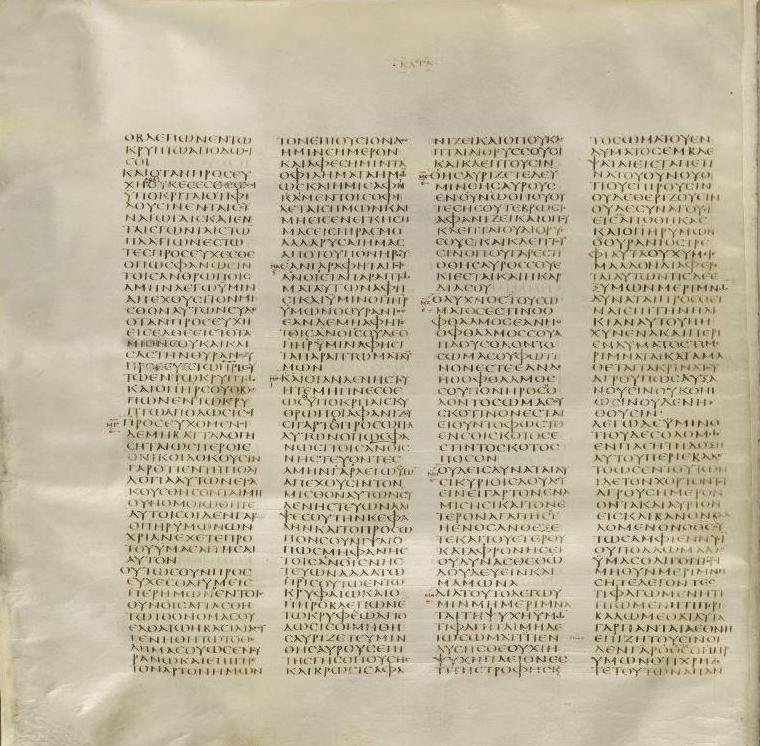
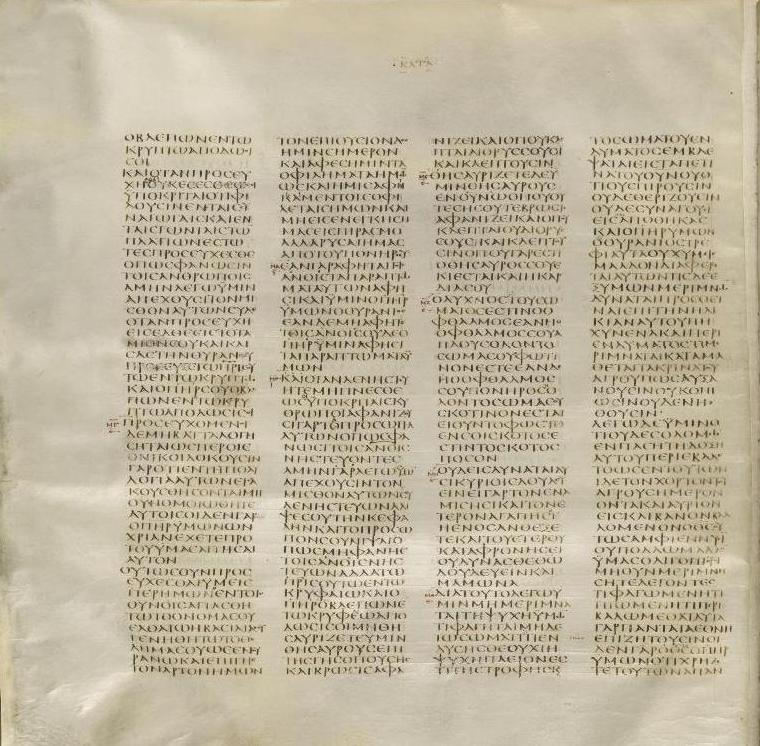
這是第一個基本事實:沒有人擁有新約作者親筆簽名的原件。保羅、路加或約翰所寫的紙莎草紙如今已無一倖存。我們擁有的一切都是副本,或副本的副本,是在約翰內斯·古騰堡於 15 世紀中葉引入活字印刷術之前跨越幾個世紀和地理區域手工製作的。
乍聽之下這或許令人震驚,但原始證據講述的是完全不同的故事。今天我們擁有超過 5,800 份留存的新約希臘文手稿:有二、三世紀脆弱的紙莎草碎片、四世紀宏偉的羊皮紙安色爾字體手抄本,以及數以千計的中世紀小草字體手稿。從荷馬、柏拉圖到凱撒大帝,人類歷史上沒有其他古代文獻擁有如此豐富的手稿見證。新約研究的挑戰 從來不是證據不足,而是證據太豐富;這些副本並不總是逐字相同。
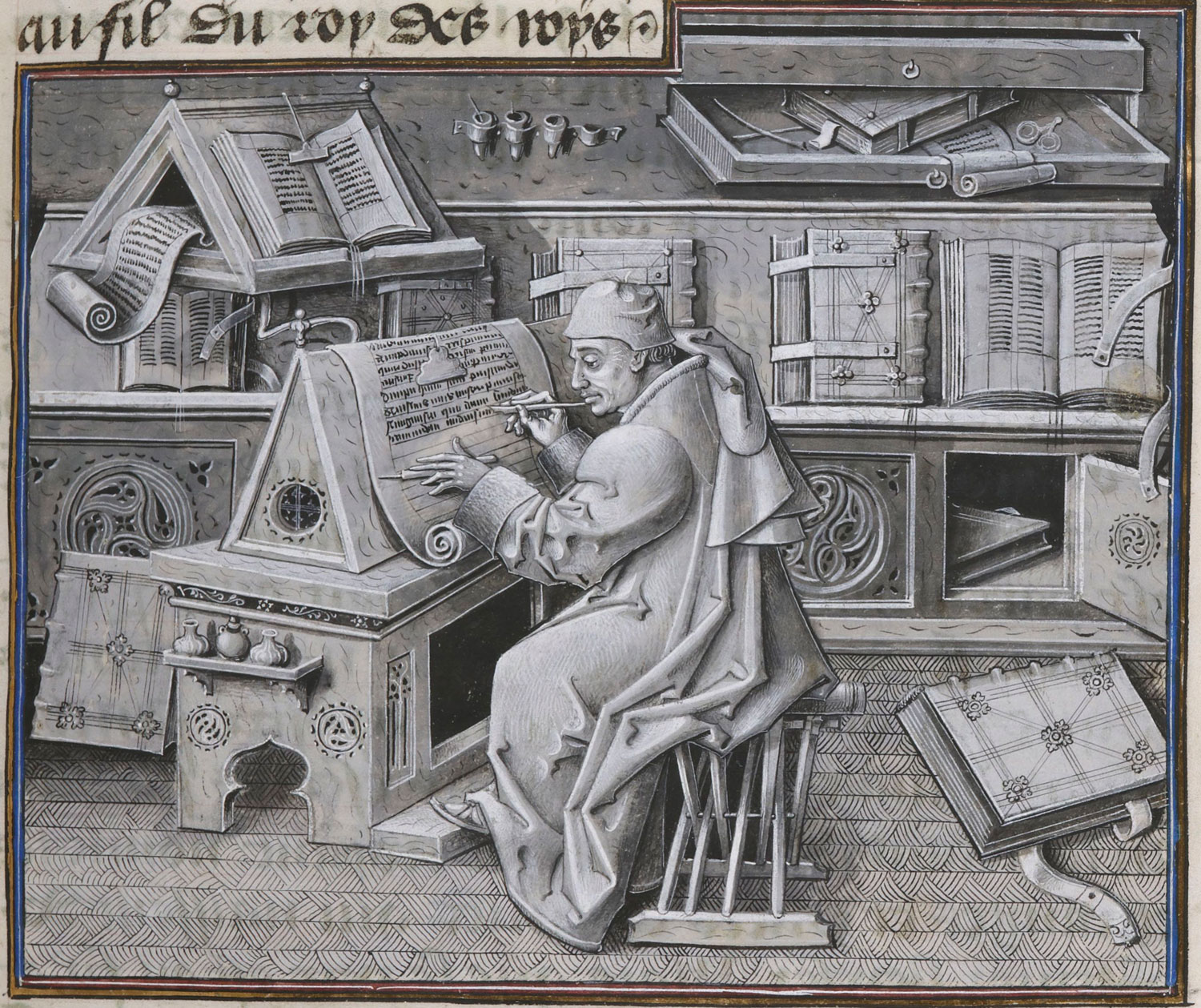
為什麼這些副本會有所不同?原因很簡單:手抄寫是人類的工作,數百年來重複了數千次。每當抄寫員在昏暗的燈光下坐在手稿前時,他們的眼睛可能會跳過一行,他們的筆可能會複製一個單詞,或者他們可能會在頁邊空白處寫下解釋性註釋。這裡沒有陰謀。在印刷機出現之前,這就是人類複製的不可避免的現實。
一個點,現已不存數千份手抄本,跨越數個世紀向外展開重建文本
通過交叉核對,儘可能接近原文
概念性示意:上半部表示分歧(每份抄本都可能與它所抄的文本略有偏離);下半部表示匯聚(交叉核對數千份抄本,重建最接近原文的措辭)。這不是任何特定抄本群的真實譜系。
手寫文字如何隨著時間自然變化
當我第一次探究這個問題時,和許多人一樣,我也假定:每當現代譯本少了一節經文,就一定是有人把它刪掉了。但文本批判——藉比較古代手稿來重建最早措辭的學術領域——揭示了更豐富的圖景。在手抄文本的世界裡,有四種主要的措辭變化機制,其中只有兩種會使文本變短。
第一組包括縮短文字的無意失誤:
- Parablepsis(跳行漏抄):抄寫員的眼睛從一個短語跳到頁面下方另一個相似的短語,不小心漏掉中間的文字。若兩個短語的結尾相同,這種情況稱為 homoioteleuton。你做筆記時可能也有過類似經驗:眼睛看到第二行的「and」,跳到第四行的「and」,完全略過第三行。
- Dittography(重複抄寫):抄寫員不小心連續兩次寫下同一個字或短語,就像快速打字時重複輸入一樣。這兩種錯誤都會在古代書頁上留下可辨識的痕跡。
第二組的做法恰恰相反,隨著時間的推移擴展文本:
- 頁邊註釋:早期讀者在頁邊寫下解釋性短語,澄清難懂的句子。後來的抄寫員把註釋誤認為漏抄的正文,便直接將它併入文本。這就像買了一本頁邊有手寫筆記的舊書,卻把筆記誤認為作者原話。
- 和諧:非常熟悉另一本福音書中平行段落的抄寫員下意識或有意調整措辭以使兩個敘述相符。當重述一個熟悉的故事時,我們的思緒自然會轉向我們記得最清楚的措詞。
抄寫員的目光從一個短語跳到後來出現的相似短語,跳過了兩者之間的內容。
目光從第一個「……和」跳到第二個,省略了中間的B。
抄寫員的目光或手會重複剛寫下的一個詞、短語,偶爾也會重複整句分句。
抄寫員的手在寫下「B」後立即重複它,增加了一個副本。
讀者在頁邊寫下解釋;後來的抄寫員把它當作遺漏,便把它併入連續正文。
早期讀者的邊註被後來的抄寫員誤認為是遺漏,於是併入正文。
熟悉平行福音書經文的抄寫員,無論有意與否,會讓兩個敘述讀起來更相似。
抄寫員熟悉平行經文(C′),於是無意中寫下它,而不是C。
關鍵點: 四種機制都能在抄本本身找到記錄,並非推測。前兩種 會縮短 文本,後兩種 會使文本變長 。沒有理由默認每一個差異都是刪節。
定義與例證見 Bruce M. Metzger 與 Bart D. Ehrman《新約文本》(第4版);Paul D. Wegner《聖經文本批判學生指南》。
這四種機制並不是抽象的理論。它們在數千份倖存的手稿中清晰可見,學者可以觀察到連續幾個世紀以來邊注逐漸遷移到正文欄中。一旦你了解了古代抄寫的原理, 認為所有差異都源自於故意刪除的簡化假設是不成立的。真正的問題不是誰刪除了一節經文,而是哪種抄寫機制最能解釋我們在頁面上看到的內容。
四種自然的複製機制,而不是陰暗的陰謀。每一張影印單和添加的註釋都有非常人性化的解釋,在頁面上留下痕跡,不需要密室。
經文編號的錯覺:路加從未寫過帶編號的經文
這是許多人絆倒的關鍵點。當有人聲稱「使徒行傳中衣索比亞官員的信仰告白 被刪除了」,我們很容易想像路加坐下來寫下後來被編為使徒行傳中衣索比亞官員的信仰告白 的認信,然後某個陰謀者拿刀片把它刮掉。
歷史現實卻截然不同:在第一世紀,新約手稿既沒有章節劃分,也沒有詩節劃分。
- 現代章節劃分由坎特伯雷大主教史蒂芬·蘭頓在約 1205 年創立,距離使徒時代已逾一千年。
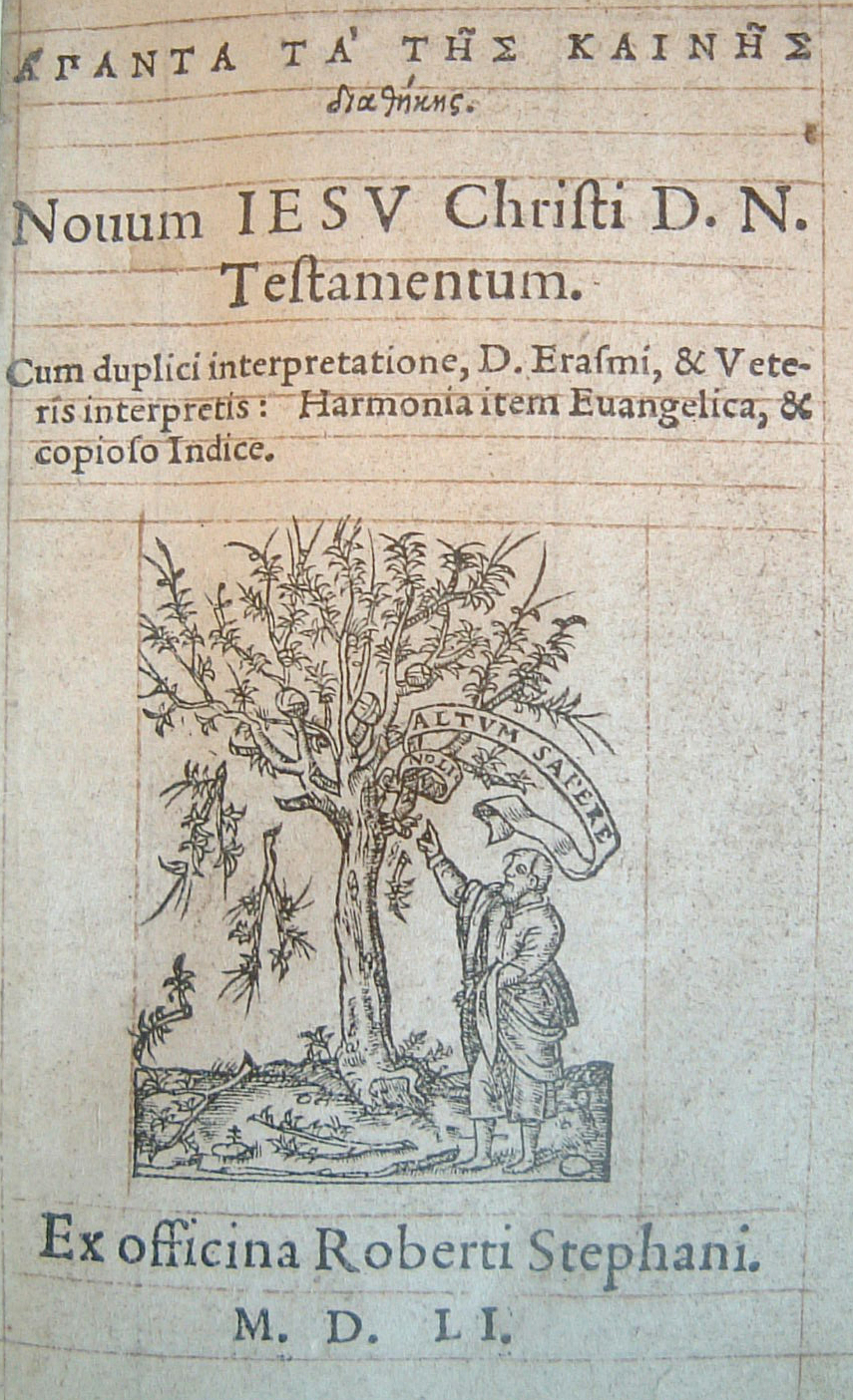
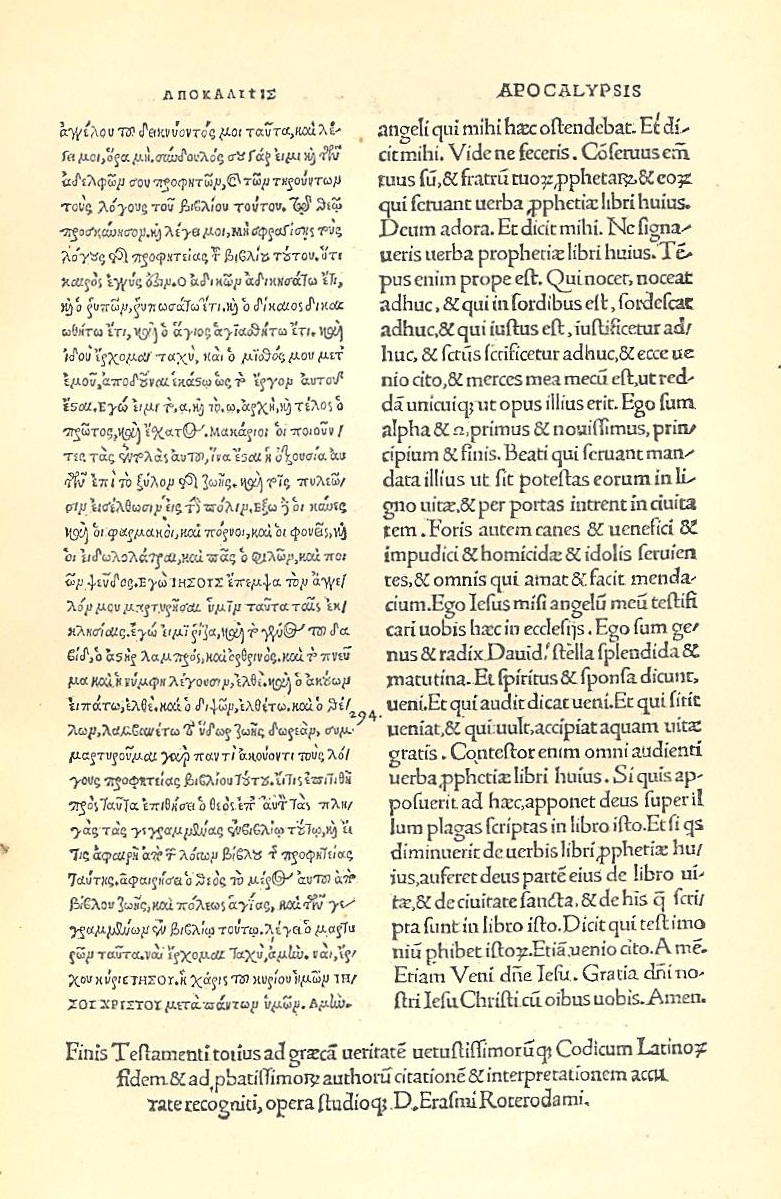
- 節數由法國印刷商羅伯特·埃斯蒂安(Stephanus)在 1551 年出版的希臘文新約中引入,使交叉引用更容易。
詩句編號只是 16 世紀出版商發明的晚期索引網格,而不是原始靈感文本的一部分。
理解這一點會改變整個對話。當學者指出一份古老的四世紀手稿缺少傳統上位於使徒行傳中衣索比亞官員的信仰告白 的認信時,並不表示羊皮紙上有一個被刮掉的空白。它只表示:在十六世紀編輯後來分配給這段認信的位置上,現存最古老的副本 一開始就沒有這句話。這描述的是相對於現代參照系統的缺席,而不是原始句子的刪除。
注意: 這是一串抄寫、發現與編輯裡程碑,並不是一條從原稿延續至今且完整保存的鏈條。
- 01~50–100原稿今天沒有一份存世
- 02~175–225最早的紙草殘片P45、P66、P75……在埃及抄寫
- 034世紀偉大的大寫抄本西奈抄本、梵蒂岡抄本、亞歷山大抄本
- 044–15世紀拜占庭抄寫傳統東羅馬帝國,數千份抄本
- 051516伊拉斯謨的第一部印刷希臘文新約《Novum Instrumentum omne》,依據約5–6份晚期抄本(大多為12世紀)
- 061551埃斯蒂安為經節編號羅伯特·埃斯蒂安(斯特凡努斯)的希臘文版本
- 071633「公認經文」(Textus Receptus)這個名稱埃爾澤維爾兄弟印刷版的序言
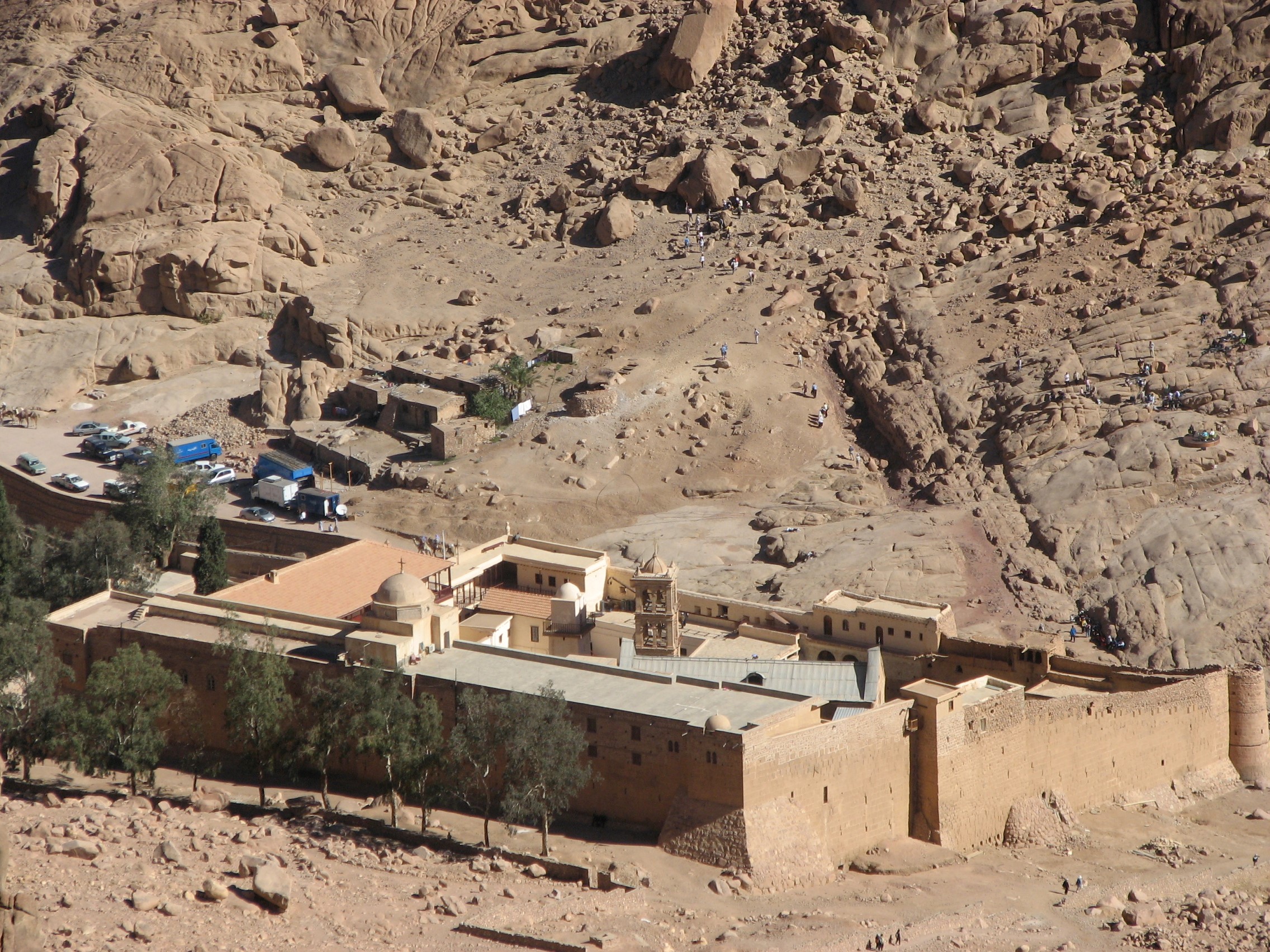
- 081844–59發現《西奈抄本》蒂申多夫在聖凱瑟琳修道院
- 091930–60偉大的紙草發現切斯特·貝蒂(P45……)、博德默(P66、P75……)
- 10今天NA28 / UBS5 / ECMCBGM方法;ECM項目仍在擴展到其餘書卷
來源:INTF(《簡明目錄》);CSNTM;標準文本批判研究中記錄的伊拉斯謨/埃斯蒂安/埃爾澤維爾印刷史(Metzger與Ehrman《新約文本》);Editio Critica Maior項目(德國聖經協會)。
看看上面的時間線,你會看見原稿與兩個編號里程碑之間相隔多遠。這不是無關緊要的細節,而是清楚提出正確問題的基礎。
缺少一節經文並不代表有人拿刀來劃破羊皮紙。它只是意味著,在千年後發明的系統分配了一個數字的座標處,現存最古老的手稿從未包含過這句話。
兩個經典謬誤:多數決?最老的獲勝?
在研究具體段落之前,我們需要清除許多辯論陷入困境的方法論陷阱。
相信者和懷疑者都常訴諸兩個直覺的經驗法則:
- 規則一:無論哪一種閱讀佔手稿的絕對多數,都必須是正確的(「多數決」)。
- 規則二:來自最古老手稿的讀數必須是正確的(「最古老的勝利」)。
當被視為嚴格的公式時,這兩種假設都會失效,因為古代手稿證據並不像民主投票或短跑比賽那樣運作。
在繼續之前,讓我們先澄清一下從統計學中藉來的分析鏡頭。這六個概念幫助我們以學術嚴謹的態度來評估證據:
總體是曾經存在的一切,包括已經遺失的部分。樣本是我們實際觀察到的東西:現存的5800多份抄本,而不是曾經抄寫過的一切。
當知道一個觀察結果並不能告訴你另一個觀察結果時,兩者才是獨立的。許多拜占庭抄本因共享一個抄本祖本而相關,因此不能像獨立選票那樣計數。
單獨說「80份抄本有X」沒有意義。80/100與80/5800完全不同。沒有分母,這個數字只是用來製造效果。
統計有某種讀法的抄本數量,是描述性的。推斷哪一種讀法更可能是原文,則是另一個推斷步驟,需要對譜系和抄寫機制作額外假設,並不是原始計數自動給出的結論。
我們擁有的樣本(現存抄本)並非從原始總體中隨機抽取,而是受到氣候、戰爭和地區抄寫習慣的篩選。倖存者偏差是抽樣偏差的一種具體形式。
本文五段經文得出的結論,只適用於這五段經文,依據的是此處核查的證據。不能把它們擴展成適用於整個新約每個異文的籠統規則。
這六個術語會在文章其餘部分反覆出現;忘記其中一個的含義時,可以把這裡當作速查。
為什麼「多數決」不夠 核心問題是譜係依賴性。絕大多數後來的拜占庭手稿都不是獨立的目擊者。它們是幾個世紀以來在拜占庭教堂中心大量複製的一小群祖先範例的後代(超過 80% 的倖存希臘小寫體屬於這一傳統)。如果祖先的副本包含旁注或協調,下游的每個副本都會繼承它,不是因為它是原始的,而是因為它們共享相同的複製血統。計算手稿而不追蹤家譜就像將一個印刷錯誤複印一千遍並聲稱有一千名獨立證人證實了這一點。
同一個數字「80」,但一邊是 80%,另一邊是在 1.4%每當論證引用抄本數量卻沒有說明分母時,就該停下來要求說明分母。
這是簡單的算術示意,並非本文任何具體經文的真實數字。
用它作快速測試: 數清實物抄本是一項工作;辨認彼此獨立的傳承線則是另一項工作。
一棵樹可以產生許多抄本,卻仍只代表一條證據線。不同的起源才會增加獨立性。
X出現五十次,仍可能只是一次抄寫事件的倍增。
來自不同地點和時代的來源彼此沒有抄襲,卻達成一致時,它們的獨立性就很重要。
閱讀規則: 實物數量告訴你樣本大小;譜系和傳播告訴你它有多獨立。它們共享一個祖本時,不要把抄本當成彼此獨立的選票。
這是概念性示意,不是任何特定抄本的真實譜系。基本原則來自 Kurt 與 Barbara Aland《新約文本》的地方—譜系方法,以及當代有理據的折衷主義(Daniel B. Wallace)所採用的權衡而非計數的方法。
為什麼「最古老的勝利」不能單獨存在 物理年齡告訴我們手稿是何時寫成的,但它並不能保證抄寫員是否細心或範例是否乾淨。一份從早期原始範例忠實複製而來的 9 世紀手稿,中間步驟很少,很容易比粗心製作的 4 世紀抄本更接近原作。這就是為什麼文本學者一起評估多個證據流,而不是僅僅依賴年齡或原始計數。
閱讀方法: 提出六個不同的問題,然後把答案放在一起衡量——它們不是相加成一個分數。
外部證據
措辭之外還保存了什麼?
抄本年代
問題: 這份抄本是在哪個世紀製作的?
可以確定: 把見證放在時間中。
不能單獨確定: 不能證明這份抄本準確。
抄寫譜系
問題: 它源自哪一個來源?
可以確定: 顯示哪些見證確實彼此獨立。
不能單獨確定: 不能僅憑數量推斷獨立性。
傳播範圍
問題: 這種讀法是否出現在不同地區或傳統中?
可以確定: 顯示這種讀法的地理和文本傳播範圍。
不能單獨確定: 廣泛傳播仍可能來自一個祖本。
古代譯本
問題: 拉丁文、敘利亞文和科普特文譯本反映了什麼?
可以確定: 從另一種語言和地點增加一個觀察窗口。
不能單獨確定: 譯本也有各自的抄寫歷史。
教父引文
問題: 早期是否有人引用或暗指這段話?
可以確定: 增加現存抄本之外的證據。
不能單獨確定: 接近的暗引不自動等於確定的引用。
內部證據
哪種讀法符合作者和抄寫過程?
內在可能性
問題: 哪種讀法符合作者的文體和論證?
可以確定: 檢驗作者可能寫了什麼,以及抄寫員容易改動什麼。
不能單獨確定: 這是有理由的判斷,不是機械分數。
文本判斷: 對證據流在哪裡相互加強或相互挑戰作出有理由的論證。
這不是「年代40%、傳播範圍20%」這樣的公式。
外部/內部框架與「有理據的折衷主義」依據 Kurt 與 Barbara Aland《新約文本》、Bruce Metzger《希臘文新約文本評論》以及 Daniel B. Wallace 關於文本批判方法的教學筆記。
需要明確的是,手稿數量和年代都不是毫無用處;在不同地理區域、由多條獨立抄本傳承流確認的讀法,具有很高的證據價值。錯誤在於把單一變數提升為絕對可靠的規則。
另外兩個歷史因素值得記住:
- 倖存者偏見:我們今天擁有的5,800+手稿只是在兩千多年的戰爭、火災和腐爛中倖存下來的。埃及的乾燥沙保存了在其他地方腐爛的紙莎草紙。只有約 177 倖存的希臘手稿早於公元 900 ,而之後製作的希臘手稿則超過 5,000 。
- 缺失資料:現存記錄中沒有閱讀並不能證明它從未存在過,就像早期教父的引用本身並不能自動證明它源自作者之手一樣。
新約中的絕大多數文本變化都是輕微的拼字怪異、詞序變化或語法上的細微差別。下面的五個段落代表了實質的變體,這就是為什麼每個段落都值得仔細、單獨的檢查。
計算副本和測量年齡只是起點。強有力的證據不僅是最豐富或最古老的,而且是來自不同地區和世紀的獨立抄襲流的閱讀證實。
剖析 5 有爭議的段落:到底發生了什麼事?
現在讓我們直接看看最常被引用的五個段落中的每一個:手稿顯示了什麼,什麼機制最好地解釋了這種變化,以及如果這節經文不在原始親筆中,基督教教義是否會受到影響。
需要預先決定一個關鍵點: 所有五個段落都代表附加變體(在複製過程中添加的文本),而不是從原始內容中刪除的單詞。準確的歷史問題是,每段經文在傳播過程中是作為解釋性註釋還是平行協調開始的。
1. 馬太福音關於禁食和趕鬼的段落(「然而,這一類的鬼,若不禱告、禁食,就不會出去」)
- 手稿證據:在西奈抄本和梵蒂岡抄本(4世紀)中完全不存在,儘管存在於大多數後來的拜占庭副本中。
- 抄寫機制:這是與馬可福音關於禱告和禁食的教導 平行記載的明顯和諧化。熟悉馬可福音的文士把這句話帶入馬太福音。
- 教義影響:不受影響。禱告在屬靈爭戰中的作用仍然牢牢紮根於馬可福音關於禱告和禁食的教導,而禁食作為一種精神紀律是由耶穌在馬太福音關於禁食的教導中獨立教導的,並在使徒行傳中禁食和差派的做法中實踐。
2. 馬太福音關於尋找迷失者的話(「人子來,為要拯救失喪的人」)
- 手稿證據:梵蒂岡、西奈抄本和手稿家族1和13不存在;在拜占庭佔多數。
- 抄寫機制:與路加福音關於尋找迷失者的話 的記憶性和諧化。有趣的是,馬太福音幾乎逐字對應路加福音,只少了希臘動詞「尋找」(zētēsai);這正是抄寫員憑記憶引用熟悉段落的典型例子。
- 教義影響:無。路加福音關於尋找迷失者的話 完全傳達了真理,馬太福音中迷羊的比喻 中緊隨其後的迷羊寓言宣告了基督完全相同的心。
3. 馬可福音呼召人聆聽的話(「有耳可聽的,就應當聽」)
- 手稿證據:西奈抄本、梵蒂岡抄本、L 抄本和 Δ 抄本都沒有;但它存在於拜占庭多數文本中。
- 抄寫機制:抄寫員重複熟悉的公式。馬可福音較早的聆聽呼召 和 馬可福音較後的聆聽呼召 已無爭議地使用同一句勸告;熟悉這種模式的文士可能把它加在耶穌的教導之後。
- 教義影響:沒有,因為這句話在馬可福音中已無爭議地出現過兩次。
4。約翰福音關於畢士大池的解釋 (攪拌貝塞斯達水域的天使)
- 手稿證據:早期紙莎草紙 P66、P75(約主後 200 年)、西奈抄本和梵蒂岡抄本都沒有;它出現在貝札抄本和拜占庭多數文本中。
- 抄寫機制:邊緣解釋性註記。包含這節經文的手稿顯示出廣泛的語言差異,頁邊註釋的標誌被吸收到連續幾代的文本中。這解釋了為什麼病人聚集在泳池邊。
- 教義影響:完全不受影響。約翰福音中在畢士大發生的醫治「起來,拿你的褥子走」所記的醫治,從來不依賴天使或流動的水;那人沒有踏進池子,耶穌單憑話語的權柄醫治了他。
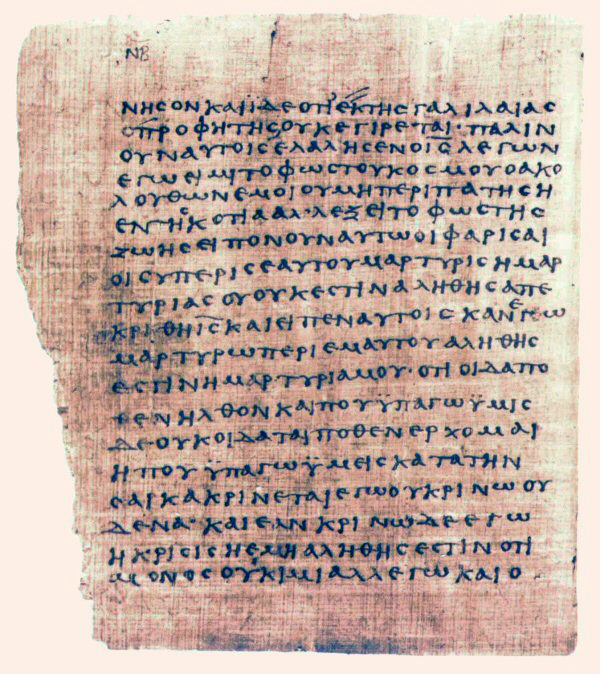
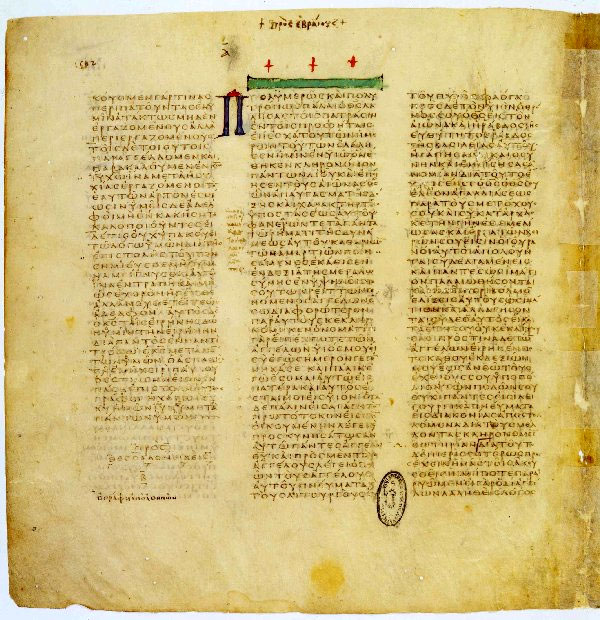
| 經文 | 支持省略的最早證據 | 支持保留的證據 | 最可能的機制 | 其他地方的教義是否完整 |
|---|---|---|---|---|
| 馬太福音關於禁食和趕鬼的段落 | 西奈抄本、梵蒂岡抄本(4世紀) | 拜占庭多數抄本、伯撒抄本、華盛頓抄本 | 與 馬可福音關於禱告和禁食的教導 | 是: 馬可福音關於禱告和禁食的教導 仍然教導禱告;禁食也在別處獨立教導(馬太福音關於禁食的教導) |
| 馬太福音關於尋找迷失者的話 | 梵蒂岡抄本、西奈抄本、L*和Θ*(原始書手,修訂前)、第1和第13家族 | D、拜占庭多數抄本、L和Θ後來修訂的書手 | 與 路加福音關於尋找迷失者的話 (缺少「尋找」) | 是:完整而且更充分地見於 路加福音關於尋找迷失者的話 |
| 馬可福音呼召人聆聽的話 | 西奈抄本、梵蒂岡抄本、L、Δ | 拜占庭多數抄本 | 呼應 馬可福音較早的聆聽呼召 和 馬可福音較後的聆聽呼召 | 是:相同的公式在馬可福音本身已無爭議地出現兩次 |
| 約翰福音關於畢士大池的解釋 | P66、P75(約3世紀)、西奈抄本、梵蒂岡抄本 | 伯撒抄本(措辭不同)、亞歷山大抄本、拜占庭多數抄本 | 解釋 約翰福音中那人在畢士大的回答 | 是: 約翰福音中在畢士大發生的醫治 的醫治神蹟完全不依賴天使/水池 |
| 使徒行傳中衣索比亞官員的信仰告白 * | P74、西奈抄本、梵蒂岡抄本、亞歷山大抄本、拜占庭多數抄本(P45正好在此處受損,其見證不明確) | 勞德抄本(E)、少數晚期小草體抄本(1739……)、一些古拉丁文資料(各來源對範圍有不同意見) | 早期洗禮信經,可能不是路加自己的措辭 | 其模式是: 使徒行傳中五旬節的洗禮模式 和 使徒行傳中撒馬利亞的洗禮模式 和 使徒行傳中腓立比獄卒的家人 和 使徒行傳中哥林多的洗禮模式 |
* 使徒行傳中衣索比亞官員的信仰告白 是五段中最複雜的一段,下面為它另設一節。來源:NET聖經譯者註釋;NABRE研讀註釋(bible.usccb.org);維基百科相應的「文本異文」文章,並與CSNTM抄本目錄交叉核對。
最難的謎題:使徒行傳中衣索比亞官員的信仰告白 的案例
前四段經文可以用和諧化或頁邊註釋作出直接的歷史解釋,基督教教義也不受損。然而,使徒行傳中衣索比亞官員的信仰告白 更為複雜,值得仔細觀察。
較長的讀法(《英王欽定本》和其他傳統譯本所熟悉的讀法)記錄太監的認信:「我相信耶穌基督是上帝的兒子。」 較短的讀法則直接從太監的問題(「有什麼攔阻我受洗呢?」)進入兩人下水的敘述。三部重要的四世紀安色爾字體手稿——西奈抄本、梵蒂岡抄本和亞歷山大抄本——都沒有這段認信。
然而,歷史軌跡在這裡發生了令人著迷的轉折:
- 這段認信出現在 Codex Laudianus(六至七世紀的西方文本)和一些古拉丁見證中,而這些見證可追溯至二、三世紀。
- 更值得注意的是,教父 Irenaeus 約在 180 年寫作時(早於我們現存最早的使徒行傳紙莎草紙 P45),引用了幾乎與這節經文相同的認信。
這揭示了一個有趣的歷史現實:這段認信作為早期教會洗禮傳統的證據,確實早於我們現存最早省略它的希臘文手稿。然而,我們必須分開兩個不同的問題:
- 早期教會的禮拜儀式中是否使用了早期的洗禮認罪公式?(愛任紐證實了這一點)。
- 路加親自在使徒行傳的親筆簽名中寫下了這節特定的經文嗎?(早期希臘手稿證據不支持這一點)。
最可能的解釋是,早期的洗禮認信公式逐漸被抄寫員納入西方文本流;這一文本傳統也以在《使徒行傳》中加入約 8% 至 10% 的解釋性材料而聞名。
這會影響信徒洗禮的教義嗎? 一點也不。負責任的神學從不把整個教義繫在一段有爭議的經文上。信徒洗禮建立在《使徒行傳》中一致而無爭議的模式上:人聽見信息,相信基督,並接受洗禮(使徒行傳中五旬節的洗禮模式 和 使徒行傳中撒馬利亞的洗禮模式 和 使徒行傳中腓立比獄卒的家人 和 使徒行傳中哥林多的洗禮模式)。我們的信仰建立在聖經的基石上,而不是任何一塊有爭議的木板。
自白可能確實很古老,但仍然不是作者原著的一部分。這並不矛盾,而是當早期教會的生動禮儀與他們所珍視的敘事文本相遇時,自然會發生的情況。
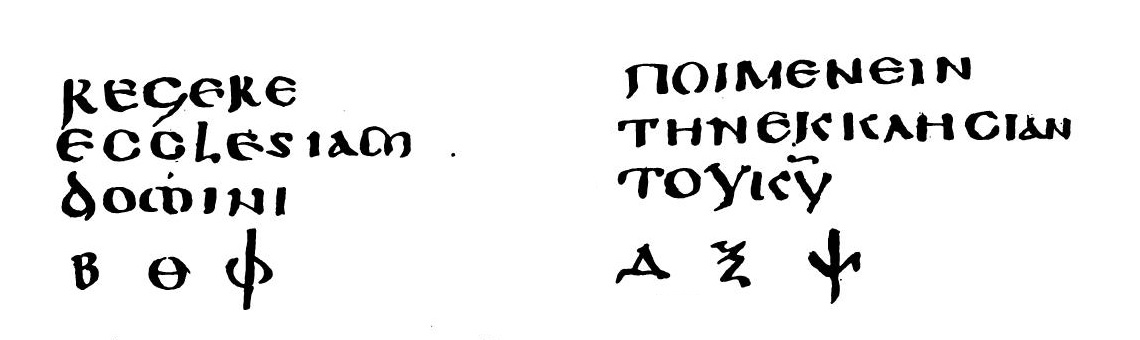
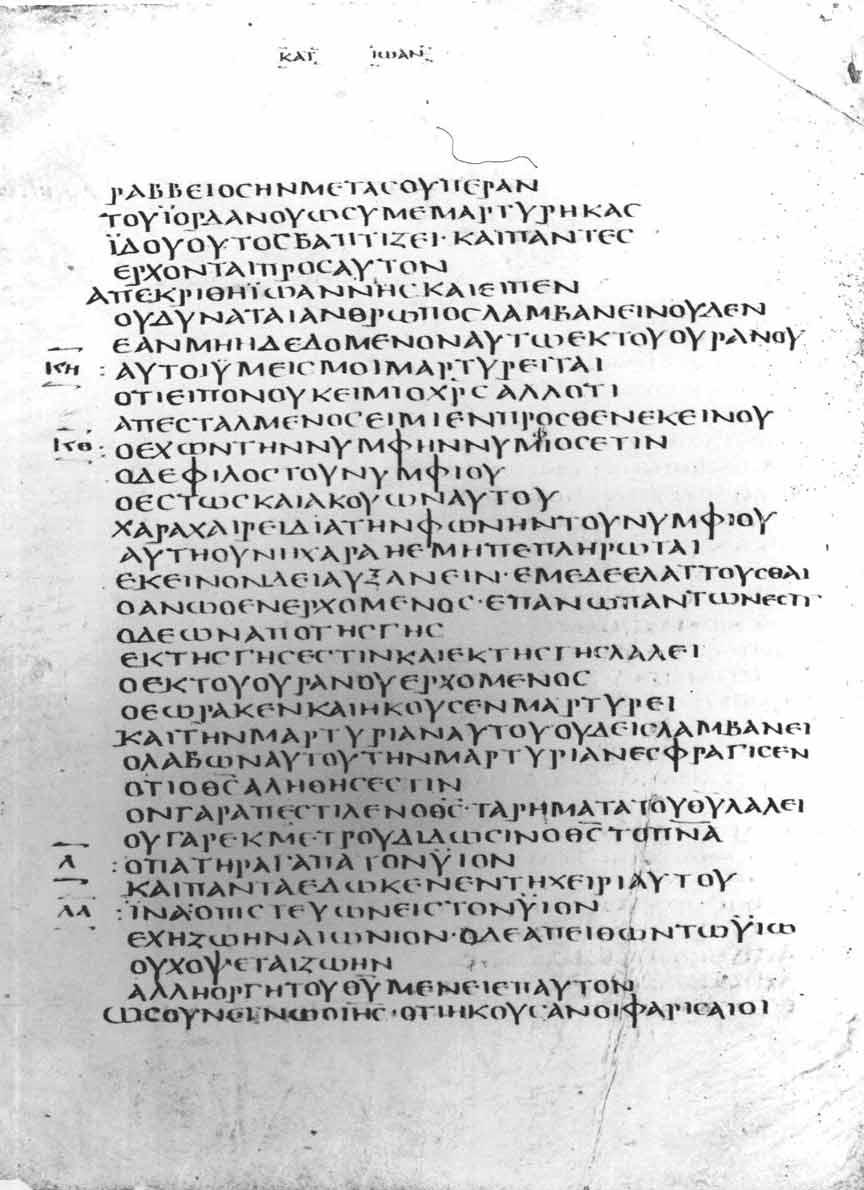
大局觀:證據真正指向哪裡?
在研究了所有五個案例之後,讓我們退後一步,看看更廣闊的前景,而不是孤立的片段。
| 經文 | 希臘文抄本 | 古代譯本 | 教父引文 | 最早證據 |
|---|---|---|---|---|
| 馬太福音關於禁食和趕鬼的段落 | 有(雙方) | 不在本文研究範圍內確定 | 未找到 | 4世紀(省略方和保留方均有) |
| 馬太福音關於尋找迷失者的話 | 有(雙方) | 有(雙方,見註釋) | 未找到 | 4世紀 |
| 馬可福音呼召人聆聽的話 | 有(雙方) | 有(保留方) | 未找到 | 4世紀 |
| 約翰福音關於畢士大池的解釋 | 有(雙方) | 有(雙方) | 未找到 | 約175–225年(P66/P75),五段中最早 |
| 使徒行傳中衣索比亞官員的信仰告白 | 有(雙方) | 聲稱有,來源之間不一致 | 愛任紐,約180年(措辭相近,但不是確定的引文) | 約180年為告白傳統;6–7世紀為實際包含該告白的希臘文抄本 |
範圍定義: 本表只列出用於本文的來源中明確點名的見證(NET聖經註釋、NABRE研讀註釋、交叉核對過的維基百科「文本異文」文章、CSNTM目錄)。它 不是 現存5800多份希臘文新約抄本的全部,只是本文能通過可靠二手來源歸屬於特定角色的那部分證據。「未找到」表示本文研究中沒有出現,並不表示它不存在。
來源:NET聖經譯者註釋;NABRE(bible.usccb.org);維基百科「馬太福音/馬可福音/約翰福音中的文本異文」及「使徒行傳中的文本異文」;CSNTM。
從概述來看,約翰福音關於畢士大池的解釋 擁有這五段經文中最早的遺漏證據(在兩本 3 世紀早期的紙莎草紙中發現)。同時,使徒行傳中衣索比亞官員的信仰告白 表現出獨特的時間順序差距:早在公元 180 時期教父就引用了洗禮信條,但僅在 6 世紀或 7 世紀的現存希臘手稿中出現。
唯一一個新增讀法,逐字借自 馬可福音關於禱告和禁食的教導
唯一一個新增讀法,幾乎與 路加福音關於尋找迷失者的話
唯一一個新增讀法,與 馬可福音較早的聆聽呼召/馬可福音較後的聆聽呼召
抄本對於保留多少內容意見不一:可能只有 約翰福音畢士大池段落中有爭議的前半部分 ,只有 約翰福音畢士大池段落中有爭議的後半部分 ,或兩者都有,而且措辭各不相同
若干希臘文抄本載有這一節,但彼此措辭有小差異
這是描述性觀察,範圍限於本文能夠核實的證據。它 不是 對「最受腐蝕經文」的排名,絕不是對任何讀法為原文的概率的衡量,也不是誰寫了或沒寫這段經文的證據。這三個「穩定」經文只是被添加後沒有再被編輯,並不表示它們比另外兩段更接近原文。
依據:上文每段經文案卷中已經引用的抄本資料;NET聖經譯者關於 約翰福音中關於畢士大池的一章 和 使徒行傳中關於衣索比亞官員的部分.
就文字穩定性而言:、馬太福音關於尋找迷失者的話 和馬可福音呼召人聆聽的話 都是只要出現便以高度一致性傳抄的穩定增補。相反,約翰福音關於畢士大池的解釋 顯示高度的內部差異,手稿在措辭和結構上各不相同。
量化
- 統計支持/反對的見證
- 逐世紀覆蓋情況
- 每種讀法的時間分佈
- 見證在譜系上彼此依賴的程度
- 見證之間出現多少種不同措辭
質性
- 最合理的抄寫機制(和諧化、邊註……)
- 與作者自身語境和文體的契合度
- 「較難的讀法往往更接近原文」原則(lectio difficilior)
- 教父引文所處的語境
- 為什麼某一抄寫流(如西方文本)往往會擴展正文
僅有量化證據 會滑向「數票」,把每份抄本當成獨立選票,而圖6已經展示了這恰恰是錯誤的。 僅有質性證據 會滑向沒有錨點的猜測。嚴肅的文本批判需要兩者,並且要相互核對。
這是本次調查的核心見解:計算手稿和測定片段年代只是工作的一半。另一半需要理解歷史背景、抄寫傾向和傳承譜系。有人在不解釋背景的情況下拋出聳人聽聞的原始數字,激起的只是情緒反應,而不是可靠的學術成果。
誰是「刪除聖經」敘事的真正幕後黑手?
清楚地區分不同的觀點至關重要。將所有批評聲音歸類為一個籃子是不公平的,而且在歷史上也是不準確的。
必須區分三種截然不同的觀點:
- 拜占庭優先與多數文本的學術倡導者:代表人物包括 Zane Hodges、Arthur Farstad、Maurice Robinson 和 William Pierpont。他們從手稿傳承的統計資料論證,認為數量優勢反映了穩定的抄寫流。這是合法的學術立場,完全不等於陰謀論。
- 僅限 KJV 的激進運動:代表人物如彼得·拉克曼(Peter Ruckman,彭薩科拉聖經學院,1965 年)。他聲稱 1611 年《英王欽定本》是比希伯來文和希臘文原文更優越、受默示的新啟示。主流拜占庭文本學者明確拒絕這種看法。即使是保守的三一聖經公會也確認:「我們不相信欽定本是完美的翻譯,只相信它是現有最好的英文翻譯。」
- 圍繞韋斯科特、霍特和梵蒂岡的陰謀論:網路上毫無根據地聲稱十九世紀學者韋斯科特和霍特懷有神秘議程,或與羅馬勾結。沒有可信的歷史研究支持這些指控;他們的文本批判方法公開發表,並由各宗派學者研究、修正了一個多世紀。
喜歡拜占庭文本是一個合法的學術討論。激進的唯英皇欽定本主義是披著學術外衣的教條意識形態。將兩者混為一談完全沒有切中要害。
天主教、東正教與新教:教派間的戰爭?
許多人想知道手稿爭論是否反映了宗派衝突,天主教隱瞞了一份文本,新教支持了另一份文本,而東正教則站在一邊。歷史現實卻恰恰相反:現代聖經學術中存在著顯著的跨信仰共識。
- 羅馬天主教:教宗庇護十二世 1943 年的通諭 Divino Afflante Spiritu 指示天主教學者直接研究希伯來文和希臘文原文,承認原文比任何二手翻譯更具權威。梵二的 Dei Verbum(1965)申明,訓導權「不凌駕於天主聖言之上,而是為天主聖言服務」。標準天主教譯本 NABRE 也以括號或註腳標示這五段有爭議的經文。
- 東正教:希臘新約學者 Ioannis Karavidopoulos 曾在 UBS 編輯委員會任職。他提出一項有益的區分:拜占庭文本是崇拜中使用的忠實禮儀文本,而批判版本則是重建最早可用措辭的學術工具。
- 新教:主要現代翻譯(NIV、ESV、NASB、CSB)依賴於最新的批評版本(NA28 和 UBS5)。此外,儘管有數以千計的細微差別,大多數文本版本仍與新約文本中超過 90% 的現代批評版本一致。
| 問題 | 羅馬天主教 | 東正教 | 新教 |
|---|---|---|---|
| 當前使用的譯本所依據的文本基礎 | NABRE遵循NA28/UBS5,得出與其他批判版相同的結論 | 1904年宗主教文本(安東尼阿德斯):重建用於禮拜的拜占庭文本,並不聲稱是原稿 | NIV/ESV/NASB都遵循NA28/UBS5;少數版本採用公認經文或拜占庭文本 |
| UBS希臘文新約委員會中有學者參與嗎? | 有,通過1943年《聖靈默感》之後開展的跨教派合作 | 有:Kurt Aland親自邀請Ioannis Karavidopoulos讓東正教發聲;他編輯了NA26/27和UBS4/5 | 有:大多數創始成員和現任編輯 |
| 對五段有爭議經文的立場 | NABRE給它們加括號並附註釋,正如NA28/UBS5所做 | 它們存在於禮拜使用的拜占庭禮儀文本中;在學術批判重建中缺失 | 多數版本加括號/腳註;少數公認經文/拜占庭傳統版本把它們保留在正文中,不以陰謀敘事框定 |
| 「教會篡改了文本」是一個連貫的類別嗎? | 不是:《天主教會憲章》闡明訓導權「服務於」聖言,而不是「凌駕於」聖言之上 | 不完全是:Karavidopoulos坦率承認抄寫錯誤是需要學術研究處理的歷史事實,而不是應該否認的事 | 不是:唯獨聖經把權威置於整個抄本傳統所保存的聖言,而不是任何一個教會團體之中 |
來源:庇護十二世《聖靈默感》(1943年);梵蒂岡第二屆大公會議《天主教會憲章》(1965年);usccb.org(NABRE);I. Karavidopoulos《普世牧首區1904年新約版本與未來展望》,Sacra Scripta X,1(2012);Biblica(NIV)、Crossway(ESV)、Lockman Foundation(NASB)的翻譯理念頁面。
規模感:真正主要的新約變體
我們之前分析的五個段落是小的單節變化。為了獲得正確的視角,請考慮新約聖經中五個真正重要的文本變體:
- 馬可福音的較長結尾(馬可福音較長的結尾段落):西奈抄本和梵蒂岡抄本都沒有的十二節經文;其詞彙和語法與馬可福音其餘部分不同,還包含拿起蛇、喝下致命毒物等有爭議的段落。
- 行淫時被捉的婦人(約翰福音中行淫時被捉拿的婦人段落):最早的紙莎草紙和安色爾字體手稿都沒有。這段文字可能保留了關於耶穌的真實歷史記憶,但曾在古代手稿的不同位置流傳,後來才出現在約翰福音中。
- Comma Johanneum(約翰一書中的 Comma Johanneum):明確的三一公式(「父、道和聖靈……這三者乃是一」)在十四世紀以前幾乎沒有希臘文手稿支持。它的缺席絕不會動搖三一教義;三一教義早在這句話進入希臘文手稿近一千年前,就已在尼西亞被闡明。
- 基督的汗如血滴(路加福音關於天使和汗水的記載):二世紀教父曾見證這段文字,但它仍具爭議;學者討論它究竟是早期基督論爭議中被刪去的原始細節,還是早期禮拜傳統的增補。
- 主禱文的頌讚(馬太福音《主禱文》的頌讚):「國度、權柄、榮耀全是你的,直到永遠」以多種形式出現在二世紀的 Didache 中。
結論:區分歷史事實與虛構
以下是對聖經翻譯和有爭議經文最常見主張的直接、以證據為本的評估,不是含糊的妥協:
較短的讀法在多個抄本傳承中獨立地得到最早見證(亞歷山大文本、古代譯本、一些教父);天主教、東正教和新教的學術研究通過同一共享方法得出一致結論,並非某一個行動者的專斷。
一段類似 使徒行傳中衣索比亞官員的信仰告白使徒行傳中衣索比亞官員的信仰告白 的告白在約180年被愛任紐記錄,早於所有現存的使徒行傳希臘文抄本。一個傳統可以很古老,卻不一定是路加自己的措辭。
大多數拜占庭抄本出自少得多的祖本,在幾個世紀間於一個教會中心大量抄寫。沒有譜系的原始計數不具有代表性。
一份好祖本的晚期抄本可能比一份壞祖本的早期抄本更忠實。抄本年代只是外部證據的一部分,必須始終與內部證據一起衡量。
NABRE給五段經文都加上括號並附註釋,這與NIV、ESV和NASB採用的NA28/UBS5慣例相同。這個結論既不是天主教研究獨有,也不是由它發端。
一位東正教學者(Karavidopoulos)參加了編纂NA26/27和UBS4/5的編輯委員會;天主教NABRE也遵循相同的文本結論。
東正教禮儀文本是1904年宗主教文本,建立在拜占庭傳統上供禮拜使用,並不等同於公認經文,也不聲稱是原稿。
謹慎的浸禮派神學家把信徒洗禮的論據建立在使徒行傳中反覆出現且無爭議的模式上( 使徒行傳中五旬節的洗禮模式 和 使徒行傳中撒馬利亞的洗禮模式 和 使徒行傳中腓立比獄卒的家人 和 使徒行傳中哥林多的洗禮模式),而不是建立在一節文本不確定的經文上。
禁食在無爭議的經文中獨立且反覆出現(馬太福音關於禁食的教導; 使徒行傳中禁食和差派的做法 和 使徒行傳中在禱告中任命長老).
批判版和拜占庭/多數文本版雖然在數千個小點上有分歧,卻被廣泛承認為在絕大多數正文上相同;沒有任何有爭議的異文觸及一級教義。
判決依據的是全文引用的抄本、教父和文本批判證據,而不是宗派立場。
歷史真相不屬於任何黨派陣營。它體現在每一個字和每一位手稿見證人都經過仔細和誠實的評估。這是保持研究健康的唯一標準。
核心問題:如果上帝默示了聖經,為什麼允許有變體?
除了學術表格和技術術語之外,還有一個更深層的精神問題:如果上帝真的啟示了聖經,為什麼祂允許手抄過程一路上積累變體?
答案首先要區分常被錯誤混淆的六個概念:
- 靈感:作者在聖靈的指導下所寫的原始親筆簽名的獨特而神聖的作品。
- 傳輸:人類手抄寫長達數百年的歷史過程。
- 翻譯:將古代文本譯成現代語言。
- 分節:十六世紀引入、用於查考的索引工具。
- 正典:教會承認哪些書卷屬於聖經。
- 教義:從聖經的整個信息中得出的總體真理,從不依賴於單一孤立的條款。
這裡有一些值得思考的事情:在數千份分散的副本中進行保存比透過單一集中的主手稿進行保存要安全得多。
如果歷史只給我們留下一份鎖在中央金庫中的官方副本,那麼抄寫員引入的任何錯誤都將永遠無法被發現,因為沒有任何東西可以與之比較。但由於超過 5,800 的希臘手稿在不同地區保存下來,由不同的手獨立抄寫,因此現代聖經中的每一個細微變化都可以被識別、評估和透明地記錄下來。
陰謀不會發布詳細的腳註,直接將讀者引向文本變化的地方。現代譯本中的括號和註腳並不是竄改的跡象,而是 學術誠實和學術關懷的明確證據。
最後的想法:當信仰遇到誠實的學術
我不知道那位在 YouTube 上講道的牧師是否會讀到這篇文章。但如果他這樣做了,那麼可以明確地說:他引用的手稿證據並不支持他得出的陰謀論結論。
從來沒有秘密委員會聚集在一起修改上帝的話語。我們所擁有的是歷代學者和教會傳統耐心、誠實的工作,努力恢復最接近使徒筆下的文本。使用無害的文本變體來讓信徒遠離歷史上的三位一體並不是真正的學術,而是對它的扭曲。
對你而言,如果遇到宣稱「聖經經文被刪除」的聳人聽聞影片,請牢記以下真理:
- 成千上萬的文本變體沒有一個人觸及耶穌基督來到世界,為我們的罪而死,並從死裡復活這個基本現實。
- 沒有任何一種變體會削弱上帝不可動搖的恩典。
你手中的《聖經》,無論你讀的是哪一個忠實的譯本,無論它的腳註落在哪裡,都仍然是上帝活生生的話語,它曾經迫使埃塞俄比亞太監在沙漠中停下戰車,踏入水中,歡欣鼓舞地繼續前行。
誠實不是信仰的敵人。一本願意印刷手稿不同之處的聖經,而不是假裝每一個字都絕對確定,才是值得信賴的聖經。
面對聳人聽聞的說法時,不要驚慌,但也不要放棄你的辨別力。打開文本,耐心閱讀,尋求有根據的答案。這段旅程需要時間,但它會帶來牢固地錨定在磐石上的信仰。
A YouTube sermon and the seed of doubt
I stumbled on that video by pure chance, the kind of recommendation an algorithm drops into your playlist when you are listening to something else entirely. On the screen was a polished, soft-spoken pastor speaking with absolute conviction about Bible verses "missing" from modern translations. He rattled them off from memory with chapter and verse precision: Matthew’s fasting-and-deliverance passage on fasting and casting out demons, Matthew’s saying about seeking the lost on Christ's mission to save the lost, Mark’s call to hear, the later disputed portion of John’s Bethesda-pool passage on the angel stirring the waters, and Acts’ Ethiopian official’s confession on the Ethiopian eunuch's confession.
The story he painted was tidy and alarming: someone had deliberately trimmed God's Word, and the modern Bibles in our hands had been tampered with. He was convincing enough that even as someone familiar with textual variants, I sat and watched the entire sermon from beginning to end.
An uneasy feeling prompted me to look up his social media pages to see who he actually was. He ran an active ministry with its own worship community, regular content, and a sizeable following. But the deeper I read, the more unsettled I became. This was a sectarian group that outright rejected the Trinity, the foundational bedrock shared by Catholics, Orthodox, and Protestants for two millennia. The sermon on "deleted verses" was not an isolated study. It was a deliberate psychological hook, using the sensation of being deceived to pull unsuspecting viewers away from historic orthodoxy.
What kept me awake that night was not just the verses themselves, but how plausible his delivery sounded. I had been in church for years, yet in that moment, I could not counter his claims with anything sturdier than an intuitive gut feeling that something was wrong.
I spent the next three weeks reading. Not just to quickly find counterarguments, but to genuinely understand what happened over two thousand years of history, from the moment the apostles penned their letters to the physical Bible resting on my desk today. This essay brings together everything I discovered. It is thorough because a serious question deserves a patient, honest answer.
The 2,000-year journey: How Scripture reached our hands
Here is the first foundational fact: no one possesses the original autographs written by the New Testament authors themselves. Not a single scrap of papyrus penned by Paul, Luke, or John survives today. Everything we have is a copy, or a copy of a copy, made by hand across centuries and geographic regions before Johannes Gutenberg introduced movable type in the mid-15th century.
That might sound alarming at first, but the raw evidence tells a completely different story. Today we possess over 5,800 surviving Greek manuscripts of the New Testament, ranging from fragile papyrus fragments from the 2nd and 3rd centuries, to magnificent 4th-century parchment uncials, to thousands of medieval minuscules. No other ancient text in human history, from Homer to Plato or Julius Caesar, has anything close to this abundance of manuscript witnesses. The challenge in New Testament studies is never a scarcity of evidence, but rather an embarrassment of riches, with copies that do not always align word for word.
Why do these copies vary? The reason is simple: hand-copying was human work, repeated thousands of times across hundreds of years. Every time a scribe sat down before a manuscript under dim lamplight, their eyes could skip a line, their pen could duplicate a word, or they might write an explanatory note in the margin. There is no conspiracy here. It is simply the unavoidable reality of human copying before printing presses existed.
a single point, no longer survivingthousands of hand copies, fanning out across centuriesReconstruction
closest to the original, via cross-checking
A conceptual illustration: the upper half is divergence (each copy can drift slightly from what it copied); the lower half is convergence (cross-checking thousands of copies to reconstruct the wording closest to the original). Not the actual genealogy of any specific manuscript group.
How handwritten texts naturally drift over time
When I first started exploring this, I shared the same assumption as many others: whenever a verse was missing from a modern translation, I assumed someone must have deleted it. But textual criticism, the scholarly discipline of comparing ancient manuscripts to reconstruct the earliest wording, reveals a much richer picture. In the world of hand-copied texts, there are four primary mechanisms by which wording drifts, and only two of them make a text shorter.
The first group includes unintentional slips that shorten a text:
- Parablepsis (looking past): When a copyist's eye skips from one phrase to a similar one further down the page, accidentally dropping the words between them. When phrase endings match, this is known as homoioteleuton. You have likely done this yourself when taking notes: your eye catches the word "and" on line two, jumps to "and" on line four, and leaves out line three entirely.
- Dittography: The copyist accidentally writes a word or phrase twice in succession, much like accidentally typing a duplicate word when writing quickly on a keyboard. Both errors leave unmistakable physical footprints on ancient pages.
The second group does the exact opposite, expanding the text over time:
- Marginal notes (glosses): An early reader writes an explanatory phrase in the margin to clarify a difficult sentence. A later copyist assumes the note was an accidental omission and incorporates it directly into the main text. It is like buying a used book with handwritten notes in the margin and mistaking those notes for the author's original words.
- Harmonization: A scribe intimately familiar with a parallel passage in another Gospel subconsciously or intentionally adjusts the wording to make both accounts match. When retelling a familiar story, our minds naturally drift toward the phrasing we remember best.
The copyist's eye jumps from one phrase to a similar phrase appearing later, skipping what's between them.
The eye jumps from the first “…and” to the second, skipping B in between.
The copyist's eye or hand repeats a word, phrase, or occasionally a whole clause just written.
The copyist's hand repeats “B” right after writing it, adding an extra copy.
A reader writes an explanation in the margin; a later copyist treats it as an accidental omission and folds it into the running text.
An earlier reader's margin note gets mistaken by a later copyist for an accidental omission.
A copyist familiar with a parallel Gospel passage, consciously or not, makes the two accounts read more alike.
The copyist, familiar with the parallel passage (C′), unconsciously writes that instead of C.
The key point: all four mechanisms are documented in the manuscripts themselves, not speculation. The first two shorten a text, the last two lengthen it. There is no reason to default to assuming every difference is a deletion.
Definitions and examples per Bruce M. Metzger & Bart D. Ehrman, The Text of the New Testament (4th ed.); Paul D. Wegner, A Student's Guide to Textual Criticism of the Bible.
These four mechanisms are not abstract theories. They are physically visible across thousands of surviving manuscripts, where scholars can observe marginal notes migrating into main text columns over successive centuries. Once you understand how ancient copying worked, the simplistic assumption that every difference stems from deliberate deletion falls apart. The real question is not who removed a verse, but which scribal mechanism best accounts for what we see on the page.
Four natural copying mechanisms, not a shadowy conspiracy. Every copying slip and added note has a very human explanation that leaves its mark on the page, with no secret room required.
The illusion of verse numbers: Luke never wrote a numbered line
This is a key point where many people stumble. When someone claims that "Acts’ Ethiopian official’s confession was deleted," we naturally picture Luke sitting down and writing the confession later located at Acts’ Ethiopian official’s confession, followed by a conspirator taking a blade to cut it out.
The historical reality is quite different: in the first century, New Testament manuscripts contained neither chapter nor verse divisions.
- Modern chapter divisions were created around 1205 AD by Stephen Langton, Archbishop of Canterbury, more than a millennium after the apostolic era.
- Verse numbers were introduced in 1551 AD by French printer Robert Estienne (Stephanus) in his Greek New Testament to make cross-referencing easier.
Verse numbers are simply a late indexing grid invented by 16th-century publishers, not part of the original inspired text.
Understanding this changes the whole conversation. When scholars state that an ancient 4th-century manuscript lacks the confession traditionally located at Acts’ Ethiopian official’s confession, it does not mean there is a scraped-off blank spot on the parchment. It simply means that at the location later assigned to that confession by a 16th-century editor, the oldest surviving copies never had that sentence in the first place. It describes an absence relative to a modern reference system, not the deletion of an original sentence.
What to notice: This is a sequence of copying, discovery, and editorial milestones—not one uninterrupted chain surviving from the autographs.
- 01~50–100AutographsNone survive today
- 02~175–225Earliest papyrus fragmentsP45, P66, P75… copied in Egypt
- 034th c.The great majuscule codicesSinaiticus, Vaticanus, Alexandrinus
- 044th–15th c.Byzantine copying streamEastern Roman Empire, thousands of copies
- 051516Erasmus's first printed Greek NTNovum Instrumentum omne, based on about 5–6 late manuscripts (mostly 12th c.)
- 061551Estienne numbers the versesRobert Estienne's (Stephanus) Greek edition
- 071633The name “Textus Receptus”Preface of the Elzevir brothers' printed edition
- 081844–59Sinaiticus discoveredTischendorf at St. Catherine's Monastery
- 091930–60The great papyrus findsChester Beatty (P45…), Bodmer (P66, P75…)
- 10todayNA28 / UBS5 / ECMCBGM method, the ECM project is still expanding to the remaining books
Sources: INTF (Kurzgefasste Liste); CSNTM; the Erasmus/Estienne/Elzevir print history as recorded in standard textual-criticism surveys (Metzger & Ehrman, The Text of the New Testament); the Editio Critica Maior project (Deutsche Bibelgesellschaft).
Looking at the timeline above, you can see how far the gap runs between the autographs and both numbering milestones. That is not a trivial detail. It is the foundation for asking the right questions with clarity.
A missing verse does not mean someone took a knife to the parchment. It simply means that at the coordinates where a system invented a thousand years later assigned a number, the oldest surviving manuscript never contained that sentence to begin with.
Two classic fallacies: Majority rules? Oldest wins?
Before examining specific passages, we need to clear up a methodological trap where many debates stumble.
Both believers and skeptics frequently appeal to two intuitive rules of thumb:
- Rule One: Whichever reading has the sheer majority of manuscripts must be right ("Majority rules").
- Rule Two: Whichever reading comes from the oldest manuscript must be correct ("Oldest wins").
Both assumptions break down when treated as rigid formulas, because ancient manuscript evidence does not operate like a democratic ballot or a sprint race.
Before moving forward, let us clarify the analytical lens borrowed from statistics. These six concepts help us evaluate evidence with scholarly rigor:
The population is everything that ever existed, including what's lost. The sample is what we actually observe: the 5,800-plus surviving manuscripts, not everything ever copied.
Two observations are independent when knowing one tells you nothing about the other. Many Byzantine copies are correlated because they share a common copying ancestor, so they can't be counted like separate ballots.
A bare figure like “80 manuscripts have X” says nothing on its own. 80 out of 100 is very different from 80 out of 5,800. Without a denominator, the number is just for effect.
Counting how many manuscripts carry a given reading is descriptive. Inferring which reading is more likely original is a separate inferential step, one that needs added assumptions about genealogy and copying mechanism, not something the raw count hands you automatically.
The sample we have (surviving manuscripts) wasn't drawn at random from the original population, it was filtered by climate, war, and regional copying habits. Survivorship bias is one specific form of sampling bias.
Conclusions drawn from the five verses in this essay apply to those five verses, based on the evidence checked here. They shouldn't be stretched into a blanket rule for every variant across the whole New Testament.
These six terms recur throughout the rest of the essay; use this as a quick lookup if you forget what one of them means.
Why "majority rules" falls short The core issue is genealogical dependence. The vast majority of later Byzantine manuscripts are not independent witnesses. They are descendants of a small group of ancestral exemplars mass-copied within Byzantine church centers over centuries (over 80% of surviving Greek minuscules belong to this tradition). If an ancestral copy contained a marginal note or harmonization, every copy downstream inherited it, not because it was original, but because they shared the same copying lineage. Counting manuscripts without tracing family trees is like photocopying a single typographical error a thousand times and claiming a thousand independent witnesses verified it.
The same number “80,” but one is 80%, the other is under 1.4%. Whenever an argument cites a manuscript count without stating the denominator, that's the moment to pause and ask for it.
A simple arithmetic illustration, not the real figures for any specific verse in this essay.
Use this as a quick test: counting physical copies is one task; identifying independent lines of transmission is another.
One tree can produce many copies and still represent one evidential line. Different origins are what add independence.
Fifty appearances of X can still be one copying event multiplied.
When sources from different places and times agree without copying one another, their independence matters.
Reading rule: physical quantity tells you the sample's size; genealogy and spread tell you how independent it is. Do not turn manuscripts into separate ballots when they share an ancestor.
A conceptual illustration, not the actual genealogy of any specific manuscript. Underlying principle: the local-genealogical method of Kurt & Barbara Aland, The Text of the New Testament; the weighing-not-counting approach of contemporary reasoned eclecticism (Daniel B. Wallace).
Why "oldest wins" cannot stand alone Physical age tells us when a manuscript was penned, but it does not guarantee that the scribe was careful or that the exemplar was clean. A 9th-century manuscript copied faithfully from an early, pristine exemplar with few intermediate steps can easily be closer to the original than a 4th-century copy made carelessly. That is why textual scholars evaluate multiple streams of evidence together rather than relying on age or raw counts alone.
How to read it: Ask six different questions, then weigh the answers together—they are not added into one score.
External evidence
What survives outside the wording itself?
Manuscript date
Question: Which century was this copy made in?
Can establish: Places the witness in time.
Cannot establish alone: Does not prove the copy is accurate.
Copying ancestry
Question: Which source does it descend from?
Can establish: Shows which witnesses are genuinely independent.
Cannot establish alone: Independence cannot be inferred from quantity alone.
Spread
Question: Does the reading appear across regions or traditions?
Can establish: Shows the reading's geographic and textual reach.
Cannot establish alone: Wide spread can still come from one ancestor.
Ancient versions
Question: What do Latin, Syriac, and Coptic translations reflect?
Can establish: Adds a window from another language and place.
Cannot establish alone: Translations have copying histories of their own.
Patristic citation
Question: Did anyone quote or allude to the line early?
Can establish: Adds evidence outside surviving manuscripts.
Cannot establish alone: A close allusion is not automatically a certain quotation.
Internal evidence
Which reading fits the author and the copying process?
Intrinsic probability
Question: Which reading fits the author's style and argument?
Can establish: Tests what the author may have written and what a copyist could easily alter.
Cannot establish alone: This is reasoned judgment, not a mechanical score.
Textual judgment: a reasoned argument explaining where the evidence streams reinforce or challenge one another.
This is not a formula such as “date 40%, spread 20%.”
The external/internal framework and “reasoned eclecticism” follow Kurt & Barbara Aland, The Text of the New Testament; Bruce Metzger, A Textual Commentary on the Greek New Testament; Daniel B. Wallace's teaching notes on text-critical method.
To be clear, neither manuscript count nor age is useless. A reading confirmed across multiple independent copying streams in distinct geographic regions carries profound evidentiary weight. The error lies in elevating a single variable into an infallible rule.
Two additional historical factors are worth keeping in mind:
- Survivorship bias: The 5,800+ manuscripts we have today are simply what survived two thousand years of war, fires, and rot. The dry sands of Egypt preserved papyri that decayed elsewhere. Only about 177 surviving Greek manuscripts predate 900 AD, compared to over 5,000 produced afterward.
- Missing data: The absence of a reading in surviving records does not prove it never existed, just as an early patristic citation alone does not automatically prove it originated from the author's hand.
The vast majority of textual variations in the New Testament are minor spelling quirks, word order shifts, or grammatical nuances. The five passages below represent substantive variants, which is why each deserves careful, individual examination.
Counting copies and measuring age is only the starting point. Strong evidence is not merely the most abundant or the oldest, but the reading confirmed across independent copying streams from different regions and centuries.
Dissecting the 5 disputed passages: What actually happened?
Now let us look directly at each of the five most frequently cited passages: what the manuscripts show, what mechanism best explains the variation, and whether Christian doctrine is affected if the verse was not in the original autograph.
A key point needs to be established upfront: all five passages represent addition variants (text added during copying) rather than words trimmed out from the original. The accurate historical question is whether each passage began as an explanatory note or parallel harmonization during transmission.
1. Matthew’s fasting-and-deliverance passage ("However, this kind does not go out except by prayer and fasting")
- Manuscript evidence: Completely absent from Codex Sinaiticus and Codex Vaticanus (4th century), though present in the majority of later Byzantine copies.
- Scribal mechanism: A clear case of harmonization from the parallel account in Mark’s teaching on prayer and fasting. Scribes familiar with Mark incorporated the phrasing into Matthew.
- Doctrinal impact: Unaffected. The role of prayer in spiritual warfare remains firmly rooted in Mark’s teaching on prayer and fasting, while fasting as a spiritual discipline is independently taught by Jesus in Matthew’s teaching on fasting and practiced in Acts’ fasting and commissioning practice.
2. Matthew’s saying about seeking the lost ("For the Son of Man has come to save that which was lost")
- Manuscript evidence: Absent from Vaticanus, Sinaiticus, and manuscript families 1 and 13; present in the Byzantine majority.
- Scribal mechanism: Memorial harmonization from Luke’s saying about seeking the lost. Interestingly, Matthew matches Luke almost word for word, missing only the single Greek verb "to seek" (ζητῆσαι), a classic tell of a copyist quoting a well-known passage from memory.
- Doctrinal impact: None. Luke’s saying about seeking the lost conveys the truth in full, and the Parable of the Lost Sheep immediately following in Matthew’s parable of the lost sheep proclaims the exact same heart of Christ.
3. Mark’s call to hear ("If anyone has ears to hear, let him hear")
- Manuscript evidence: Absent from Sinaiticus, Vaticanus, L, and Δ; present in the Byzantine majority.
- Scribal mechanism: Scribes echoing a familiar formula. Mark uses this exact exhortation twice earlier in Mark’s earlier call to hear and Mark’s later call to hear. Scribes accustomed to the pattern inserted it after Jesus' teaching.
- Doctrinal impact: None, since the phrase already stands undisputed twice within the Gospel of Mark.
4. John’s Bethesda-pool explanation (The angel stirring the waters of Bethesda)
- Manuscript evidence: Absent from early papyri P66 and P75 (c. 200 AD), Sinaiticus, and Vaticanus. Present in Codex Bezae and the Byzantine majority.
- Scribal mechanism: A marginal explanatory gloss. Manuscripts containing this verse display widespread verbal differences, the hallmark of a margin note being absorbed into running text across successive generations. It explained why the sick were gathered at the pool.
- Doctrinal impact: Completely unaffected. Jesus' healing miracle in the healing at Bethesda in John’s Gospel ("Get up, take up your bed and walk") never depended on an angel or moving water. The man never stepped into the pool; Jesus healed him solely by the authority of His Word.
| Verse | Earliest evidence for omission | Evidence for inclusion | Most likely mechanism | Doctrine intact elsewhere? |
|---|---|---|---|---|
| Matthew’s fasting-and-deliverance passage | Sinaiticus, Vaticanus (4th c.) | Byzantine majority, Bezae, Washingtonianus | Harmonization with Mark’s teaching on prayer and fasting | Yes: Mark’s teaching on prayer and fasting still teaches prayer; fasting is taught independently (Matthew’s teaching on fasting) |
| Matthew’s saying about seeking the lost | Vaticanus, Sinaiticus, L* and Θ* (original hands, pre-correction), families 1 & 13 | D, Byzantine majority, the later-corrected hands of L and Θ | Harmonization with Luke’s saying about seeking the lost (missing “to seek”) | Yes: intact, and fuller, in Luke’s saying about seeking the lost |
| Mark’s call to hear | Sinaiticus, Vaticanus, L, Δ | Byzantine majority | Gloss echoing Mark’s earlier call to hear and Mark’s later call to hear | Yes: the identical formula already stands undisputed twice in Mark itself |
| John’s Bethesda-pool explanation | P66, P75 (~3rd c.), Sinaiticus, Vaticanus | Bezae (differing wording), Alexandrinus, Byzantine majority | Marginal gloss explaining the man’s reply at Bethesda in John’s Gospel | Yes: the healing miracle in the healing at Bethesda in John’s Gospel never depends on the angel/pool at all |
| Acts’ Ethiopian official’s confession * | P74, Sinaiticus, Vaticanus, Alexandrinus, Byzantine majority (P45 is damaged right at this spot, its testimony unclear) | Codex Laudianus (E), a few late minuscules (1739…), some Old Latin (sources disagree on extent) | An early baptismal confession, possibly not Luke's own wording | The pattern stands: Acts’ Pentecost baptism pattern and Acts’ Samaritan baptism pattern and Acts’ Philippian jailer’s household and Acts’ Corinthian baptism pattern |
* Acts’ Ethiopian official’s confession is the most complex of the five and gets its own section below. Sources: the NET Bible translators' notes; the NABRE study notes (bible.usccb.org); the corresponding “Textual variants” articles on Wikipedia, cross-checked against CSNTM's manuscript catalogue.
The hardest puzzle: The case of Acts’ Ethiopian official’s confession
The first four verses have straightforward historical explanations through harmonization or marginal notes, leaving Christian doctrine entirely intact. Acts’ Ethiopian official’s confession, however, is more intricate and deserves careful nuance.
The longer reading (familiar from the King James and traditional translations) records the eunuch's confession: "I believe that Jesus Christ is the Son of God." The shorter reading moves directly from the eunuch's question ("What prevents me from being baptized?") to the account of both of them going down into the water. All three premier 4th-century uncials, Sinaiticus, Vaticanus, and Alexandrinus, lack this confession.
Yet here is where the historical trail takes a fascinating turn:
- This confession appears in Codex Laudianus (6th–7th century, Western text) and certain Old Latin witnesses dating back to the 2nd and 3rd centuries.
- Most notably, Church Father Irenaeus, writing around 180 AD (predating our earliest surviving Acts papyrus P45), quotes a confession virtually identical to this verse.
Kit's note
I almost included Cyprian, the 3rd-century North African bishop, among the early witnesses for this verse, since that citation appears frequently across apologetics articles. But when I traced the reference back to its primary source, what I found was not Cyprian's authentic correspondence (I read his baptism letters, Epistles 69 and 72, and neither mentions the eunuch), but rather a passage from the biography written by the deacon Pontius after Cyprian's death. In other words, those were the biographer's words, not Cyprian's own. I cut that detail from this essay because an investigation committed to evidential integrity should never rely on an unverified citation.
This reveals an intriguing historical reality: evidence of this confession as an early church baptismal tradition actually predates our earliest surviving Greek manuscripts that omit it. Yet we must keep two distinct questions separate:
- Was an early baptismal confession formula used in the liturgy of the early church? (Irenaeus confirms this).
- Did Luke personally write this specific verse in the original autograph of Acts? (Early Greek manuscript evidence does not support this).
The most probable explanation is that an early baptismal confession formula was gradually incorporated by scribes into the Western textual stream, a tradition well known for adding 8 to 10% more explanatory material throughout the Book of Acts.
Does this affect the doctrine of believer's baptism? Not in the slightest. Responsible theology never hangs an entire doctrine on a single disputed verse. Believer's baptism is established upon the consistent, undisputed pattern across the whole Book of Acts: people heard the message, believed in Christ, and were baptized (Acts’ Pentecost baptism pattern and Acts’ Samaritan baptism pattern and Acts’ Philippian jailer’s household and Acts’ Corinthian baptism pattern). Our faith rests upon the bedrock bridge of Scripture, not a single contested plank.
A confession can be genuinely ancient and still not be part of the author's original penning. That is not a contradiction, but what naturally happens when the living liturgy of the early church meets the narrative text they cherished.
The big picture: Where does the evidence truly point?
Having examined all five cases, let us step back and look at the broader landscape rather than isolated fragments.
| Verse | Greek manuscripts | Ancient versions | Patristic citation | Earliest evidence |
|---|---|---|---|---|
| Matthew’s fasting-and-deliverance passage | Yes (both sides) | Not established within this essay's scope | None found | 4th c. (both the omitting and including side) |
| Matthew’s saying about seeking the lost | Yes (both sides) | Yes (both sides, see notes) | None found | 4th c. |
| Mark’s call to hear | Yes (both sides) | Yes (including side) | None found | 4th c. |
| John’s Bethesda-pool explanation | Yes (both sides) | Yes (both sides) | None found | ~175–225 (P66/P75), earliest of the five |
| Acts’ Ethiopian official’s confession | Yes (both sides) | Claimed, inconsistent across sources | Irenaeus, ~180 (close language, not a certain quotation) | ~180 for the confession tradition; 6th–7th c. for a Greek copy actually containing it |
Scope definition: this table only lists witnesses explicitly named in the sources used for this essay (NET Bible notes, NABRE study notes, cross-checked Wikipedia “Textual variants” articles, CSNTM's catalogue). It is not the full 5,800+ surviving Greek New Testament manuscripts, only the slice of evidence this essay could attribute to a specific role through reliable secondary sources. A “none found” cell means none turned up within this essay's research, not that none exists.
Sources: NET Bible translators' notes; NABRE (bible.usccb.org); Wikipedia, “Textual variants in the Gospel of Matthew/Mark/John” and “...in the Acts of the Apostles”; CSNTM.
Looking at the overview, John’s Bethesda-pool explanation has the earliest omission evidence among the five passages (found in two early 3rd-century papyri). Meanwhile, Acts’ Ethiopian official’s confession exhibits a unique chronological gap: a baptismal confession cited by Church Fathers as early as 180 AD that only surfaces in surviving Greek manuscripts by the 6th or 7th century.
One single added reading, borrowed verbatim from Mark’s teaching on prayer and fasting
One single added reading, nearly identical to Luke’s saying about seeking the lost
One single added reading, matching Mark’s earlier call to hear/Mark’s later call to hear
Manuscripts disagree on how much to include: the first disputed portion of John’s Bethesda-pool passage only, the later disputed portion of John’s Bethesda-pool passage only, or both, with differing wording
Several Greek copies carry this verse, but with small wording differences between them
This is a descriptive observation, limited to the evidence this essay could verify. It is not a ranking of “most corrupted verse,” and absolutely not a measure of the probability that any reading is original, nor evidence for who did or didn't write it. The three “stable” verses simply weren't edited further after being added, not that they're more original than the other two.
Basis: the manuscript data already cited in each verse's case file above; NET Bible translators' notes for the Bethesda chapter in John’s Gospel and the Ethiopian official’s section in Acts.
In terms of textual stability: Matthew’s fasting-and-deliverance passage, Matthew’s saying about seeking the lost, and Mark’s call to hear represent stable additions copied with high consistency whenever present. Conversely, John’s Bethesda-pool explanation displays high internal variation, with manuscripts disagreeing on wording and structure.
Quantitative
- Counting witnesses for/against
- Century-by-century coverage
- The chronological spread of each reading
- How genealogically dependent the witnesses are
- How many distinct wordings appear among the witnesses
Qualitative
- The most plausible scribal mechanism (harmonization, marginal gloss…)
- Fit with the author's own context and style
- The “harder reading is often more original” principle (lectio difficilior)
- The context of a church father's citation
- Why a specific copying stream (e.g. the Western text) tends to expand the text
Quantitative evidence alone slides into “counting votes,” treating every manuscript as an independent ballot, exactly what Figure 6 above shows is wrong. Qualitative evidence alone slides into unanchored guesswork. Serious textual criticism needs both, checked against each other.
This is the core insight of this investigation: counting manuscripts and dating fragments is only half the task. The other half requires understanding historical context, scribal tendencies, and transmission genealogy. When someone throws out a sensational raw count without explaining the context, they are triggering an emotional reaction rather than offering sound scholarship.
Who is really behind the "deleted Bible" narrative?
Distinguishing clearly between different viewpoints is essential. Lumping every critical voice into a single basket is unfair and historically inaccurate.
Three very different perspectives must be distinguished:
- Scholarly advocates of Byzantine Priority and the Majority Text: Represented by scholars like Zane Hodges, Arthur Farstad, Maurice Robinson, and William Pierpont. They argue from manuscript transmission statistics, proposing that numerical dominance reflects a stable copying stream. This is a legitimate academic position, completely free of conspiracy theories.
- Radical KJV-Only movements: Exemplified by figures such as Peter Ruckman (Pensacola Bible Institute, 1965), who claimed the 1611 King James translation was an inspired new revelation superior to the original Hebrew and Greek. Mainstream Byzantine scholars explicitly reject this view. Even the conservative Trinitarian Bible Society affirms that it does "not believe the Authorised Version to be a perfect translation, only that it is the best available translation in the English language."
- Conspiracy theories surrounding Westcott, Hort, and the Vatican: Baseless internet claims that 19th-century scholars Westcott and Hort harbored secret occult agendas or colluded with Rome. No credible historical scholarship supports these accusations. Their text-critical methods were published openly and have been examined and refined by scholars across all denominations for over a century.
Preferring the Byzantine text is a legitimate scholarly discussion. Radical KJV-onlyism is dogmatic ideology wearing academic clothing. Lumping the two together misses the mark entirely.
Catholic, Orthodox, and Protestant: An inter-denominational war?
Many wonder whether manuscript debates reflect sectarian conflict, with Catholicism concealing one text, Protestantism championing another, and Eastern Orthodoxy standing apart. Historical reality shows the exact opposite: remarkable cross-confessional consensus in modern Bible scholarship.
- Roman Catholicism: Pope Pius XII's encyclical Divino Afflante Spiritu (1943) directed Catholic scholars to study the original Hebrew and Greek texts directly, affirming that the original text carries higher authority than any secondary translation. Vatican II's Dei Verbum (1965) affirmed that the Magisterium "is not above the word of God, but serves it." The standard Catholic translation NABRE places all five disputed verses in brackets with explanatory footnotes, matching Protestant translations like the NIV, ESV, and NASB.
- Eastern Orthodoxy: Greek New Testament scholar Ioannis Karavidopoulos served directly on the UBS editorial committee. He made a helpful distinction: the Byzantine text serves as the faithful liturgical text used in worship, while critical editions serve as academic tools for reconstructing the earliest available wording.
- Protestantism: Major modern translations (NIV, ESV, NASB, CSB) rely on the latest critical editions (NA28 and UBS5). Furthermore, Majority Text editions, despite thousands of minor variations, agree with modern critical editions on over 90% of the New Testament text.
| Question | Roman Catholic | Eastern Orthodox | Protestant |
|---|---|---|---|
| Textual base of the translation in current use | NABRE follows NA28/UBS5, reaching the same conclusions as other critical editions | The 1904 Patriarchal Text (Antoniades): reconstructs the Byzantine liturgical text, not a claim to the autograph | NIV/ESV/NASB all follow NA28/UBS5; a minority use the Textus Receptus or Byzantine text |
| Scholars seated on the UBS Greek NT committee? | Yes, through the cross-confessional collaboration that followed Divino Afflante Spiritu (1943) | Yes: Ioannis Karavidopoulos was personally invited by Kurt Aland to give Orthodoxy a voice, edited NA26/27 and UBS4/5 | Yes: most founding members and current editors |
| Stance on the five disputed verses | NABRE brackets them with a note, exactly as NA28/UBS5 do | Present in the liturgical Byzantine text used in worship; absent from the scholarly critical reconstruction | Majority brackets/footnotes them; a TR/Byzantine minority keeps them in the running text, without conspiracy framing |
| Is “the Church tampered with the text” a coherent category? | No: Dei Verbum clarifies the Magisterium “serves,” not “stands above,” the Word | Not really: Karavidopoulos plainly acknowledges copying errors as historical fact requiring scholarship, not denial | No: sola scriptura locates authority in the Word as preserved across the whole manuscript tradition, not in any one church body |
Sources: Pius XII, Divino Afflante Spiritu (1943); Vatican II, Dei Verbum (1965); usccb.org (NABRE); I. Karavidopoulos, “The Ecumenical Patriarchate's 1904 New Testament Edition and Future Perspectives,” Sacra Scripta X,1 (2012); Biblica (NIV), Crossway (ESV), Lockman Foundation (NASB) translation-philosophy pages.
A sense of scale: The truly major New Testament variants
The five passages we analyzed earlier are small single-verse variations. For proper perspective, consider the five genuinely significant textual variants in the New Testament:
- The Longer Ending of Mark’s longer-ending passage: A twelve-verse passage absent from both Sinaiticus and Vaticanus, featuring vocabulary and syntax distinct from the rest of Mark, including the disputed passage on taking up serpents and drinking deadly poison.
- The Story of the Woman Caught in Adultery (the woman-caught-in-adultery passage in John’s Gospel): Absent from all the earliest papyri and uncial codices. While preserving an authentic historical memory of Jesus, the passage circulated in different locations in ancient manuscripts before settling into John.
- The Comma Johanneum (the Comma Johanneum in First John): The explicit Trinitarian formula ("the Father, the Word, and the Holy Spirit... and these three are one") is virtually absent from Greek manuscripts before the 14th century. Its absence in no way shakes the doctrine of the Trinity, which was defined at Nicaea nearly a millennium before this phrase ever appeared in a Greek manuscript.
- Christ's Sweat Like Drops of Blood (Luke’s account of the angel and the sweat): Attested by 2nd-century Church Fathers, this remains a debated passage where scholars examine whether it was an original detail omitted during early Christological disputes or an early liturgical addition.
- The Lord's Prayer Doxology (Matthew’s Lord’s Prayer doxology): "For yours is the kingdom, and the power, and the glory forever" appears in the 2nd-century Didache in multiple forms, reflecting early Christian liturgical devotion.
The verdict: Separating historical fact from fiction
Rather than offering vague compromises, here is a direct, evidence-based assessment of the most common claims surrounding Bible translations and disputed verses:
The shorter readings are the earliest attested, independently, across multiple manuscript streams (Alexandrian, ancient versions, some Church Fathers); Catholic, Orthodox, and Protestant scholarship converge on the same conclusions through the same shared method, not one actor's fiat.
A confession resembling Acts’ Ethiopian official’s confession is recorded by Irenaeus around 180 AD, earlier than every surviving Greek manuscript of Acts. A tradition can be ancient without being Luke's own wording.
Most Byzantine manuscripts descend from a far smaller number of ancestor exemplars, mass-copied within one ecclesiastical center over centuries. Raw counting without genealogy is not representative evidence.
A late copy of a good exemplar can be more faithful than an early copy of a bad one. Manuscript age is only one part of external evidence, always weighed against internal evidence.
The NABRE brackets all five verses with a note, the same NA28/UBS5 convention used by the NIV, ESV, and NASB. The conclusion neither originates from, nor belongs uniquely to, Catholic scholarship.
An Orthodox scholar (Karavidopoulos) sat on the very editorial committee that produced NA26/27 and UBS4/5; the Catholic NABRE follows the same textual conclusions.
The Orthodox liturgical text is the 1904 Patriarchal Text, built from the Byzantine tradition for worship, not the Textus Receptus, and it makes no claim to being the autograph.
Careful Baptist theologians build the believer's-baptism case on the repeated, undisputed pattern across Acts’ Pentecost baptism pattern and Acts’ Samaritan baptism pattern and Acts’ Philippian jailer’s household and Acts’ Corinthian baptism pattern, not on one textually uncertain verse.
Fasting is taught independently and repeatedly in undisputed text (Matthew’s teaching on fasting; Acts’ fasting and commissioning practice and Acts’ prayerful appointment of elders).
Critical and Byzantine/Majority editions, despite disagreeing at thousands of small points, are widely recognized as agreeing across the overwhelming majority of the text; no disputed variant touches a Tier-1 doctrine.
Verdicts rest on the manuscript, patristic, and text-critical evidence cited throughout this essay, not on denominational allegiance.
Historical truth does not belong to any partisan camp. It rests in each word and each manuscript witness evaluated with care and honesty. That is the only standard that keeps research sound.
The core question: If God inspired Scripture, why allow variants?
Beyond academic tables and technical terms lies a deeper spiritual question: if God truly inspired Scripture, why did He allow the hand-copying process to accumulate variants along the way?
The answer begins by distinguishing between six concepts that are often mistakenly conflated:
- Inspiration: The unique, divine work on the original autographs as authors wrote under the guidance of the Holy Spirit.
- Transmission: The centuries-long historical process of human hand-copying.
- Translation: The rendering of ancient texts into vernacular languages.
- Versification: Navigational tools introduced in the 16th century for reference.
- Canon: The church's recognition of which books belong to Scripture.
- Doctrine: The overarching truth drawn from the whole message of Scripture, never hanging on a single isolated clause.
Here is something worth pondering: providential preservation across thousands of dispersed copies is vastly more secure than preservation through a single centralized master manuscript.
If history had left us only one single official copy locked in a central vault, any error introduced by a scribe would remain undetectable forever, because there would be nothing to compare it against. But because over 5,800 Greek manuscripts survive across different regions, copied independently by different hands, every minor variation can be identified, evaluated, and transparently noted in modern Bibles.
A conspiracy does not publish detailed footnotes pointing readers directly to places of textual variation. The brackets and footnotes in modern translations are not signs of tampering, but clear evidence of intellectual honesty and scholarly care.
Final thoughts: When faith meets honest scholarship
I do not know whether the pastor who preached that YouTube sermon will ever read this essay. But if he does, here is what can be said plainly: the manuscript evidence he cited does not support the conspiratorial conclusions he drew.
No secret committee ever gathered to trim God's Word. What we have is the patient, honest work of scholars across generations and church traditions laboring to restore the text closest to the apostles' pens. Using a harmless textual variant to pull believers away from the historic Trinity is not genuine scholarship, but a distortion of it.
And to you, if you ever encounter sensational videos about "deleted Bible verses," hold fast to these truths:
- Not one textual variant among thousands touches the bedrock reality that Jesus Christ came into the world, died for our sins, and rose victorious from the dead.
- Not one variant diminishes the unshakeable grace of God.
The Bible in your hands, whichever faithful translation you read and wherever its footnotes fall, remains the living Word of God that once compelled an Ethiopian eunuch to stop his chariot in the desert, step into the water, and go on his way rejoicing.
Honesty is not the enemy of faith. A Bible willing to print the places where manuscripts vary, rather than pretend absolute certainty about every word, is a Bible worthy of trust.
When confronted with sensational claims, do not panic, but do not surrender your discernment either. Open the text, read patiently, and seek grounded answers. That journey takes time, but it leads to a faith anchored firmly upon the rock.