
あなたの聖書からこれらの節を「削除」したのは誰ですか?
YouTube説教と疑念の種 私がそのビデオに出会ったのはまったくの偶然で、別のものを聴いているときにアルゴリズムがプレイリストへ紛れ込ませた推薦でした。画面には、現代語訳から「欠けている」聖書の一節について絶対的な確信を持って語る、洗練された穏やかな口調の牧師が映っていました。彼は章と節を正確に挙げながらそれらを記憶から列挙しました。断食と悪霊の追い出しに…
この記事では、AIが資料、事実確認、翻訳、編集を補助しました。論旨と結論は著者のものです。
論旨の流れ、意味、結論は著者自身のものです。どの資料を信頼し、どう理解するかは、ツールではなく著者の判断です。
AIツールは、資料を探し、出典と照らして主張を確認し、主題を広く読み、文章を英語とベトナム語の間で翻訳し、文法・明瞭さ・文のリズムを整えるために使われました。
ツールが見つけたのは、吟味すべき材料であって結論ではありません。何を語り、何を省き、何を意味するかは著者が決めました。
この記事は著者の名で公開されます。記事の内容と、そこに後から見つかる誤りを含め、著者が責任を負います。
パラレル
YouTube説教と疑念の種
私がそのビデオに出会ったのはまったくの偶然で、別のものを聴いているときにアルゴリズムがプレイリストへ紛れ込ませた推薦でした。画面には、現代語訳から「欠けている」聖書の一節について絶対的な確信を持って語る、洗練された穏やかな口調の牧師が映っていました。彼は章と節を正確に挙げながらそれらを記憶から列挙しました。断食と悪霊の追い出しについてのマタイによる福音書の断食と悪霊追放の箇所、失われた人々を救うというキリストの使命についてのマタイによる福音書の失われた者を探す言葉、マルコによる福音書の、耳を傾けるよう促す言葉、水をかき混ぜる天使についてのヨハネによる福音書のベトザタの池の箇所で、本文上の議論がある後半部分、そしてエチオピア人の宦官の告白についての使徒言行録のエチオピア人高官の信仰告白です。
彼が描いた物語は、きちんとしていて憂慮すべきものでした。誰かが意図的に神の言葉を切り取り、私たちの手にある現代の聖書は改ざんされていました。彼は十分に説得力があったので、テキストの変種に精通している私でも、説教全体を最初から最後まで座って見ていました。
不安に駆られ、私は彼のソーシャルメディアのページを調べて、彼が実際に何者なのかを確認しました。彼は、独自の礼拝共同体、定期的なコンテンツ、そしてかなりの数の信者を擁する活発な奉仕活動を運営していました。しかし、読めば読むほど不安になりました。これは、2,000年にわたってカトリック、正教会、プロテスタントが共有してきた基盤である三位一体を完全に拒否する宗派でした。「削除された聖句」についての説教は、孤立した研究ではありません。それは意図的な心理的フックであり、だまされたという感覚を利用して、疑いを抱いていない視聴者を歴史的な正統信仰から引き離すものでした。
その夜私を眠れなくさせたのは、詩そのものだけではなく、彼の言葉がいかにもっともらしく聞こえるかということでした。私は何年も教会に通っていましたが、その瞬間、何かが間違っているという直観以上の確固たる感情で彼の主張に反論することはできませんでした。
次の3週間は読書に費やしました。反論をすぐに見つけるだけでなく、使徒たちが今日私の机の上に置かれている物理的な聖書に手紙を書いた瞬間から、2000年の歴史の中で何が起こったのかを真に理解するためです。このエッセイには私が発見したすべてがまとめられています。徹底しているので、 深刻な質問には辛抱強く正直に答える必要がある。
2,000年の旅: 聖書はどのようにして私たちの手に届いたのか
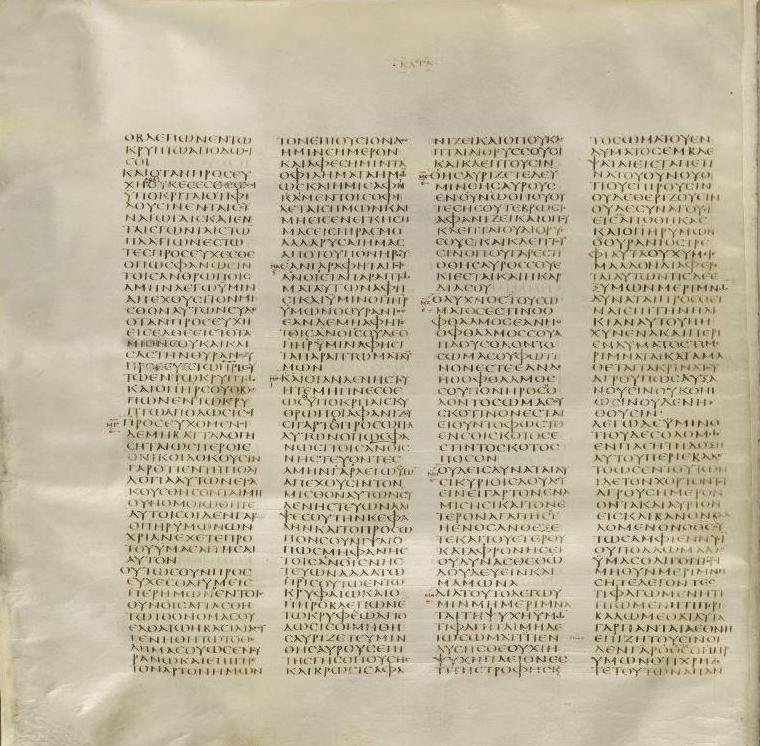
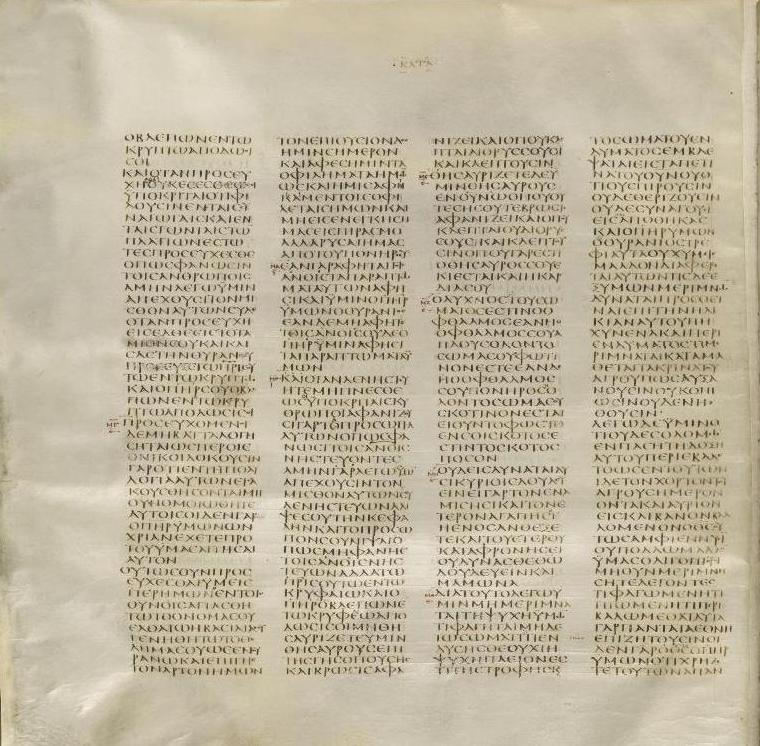
これが最初の基本的な事実です。新約聖書の著者自身が書いたオリジナルのサインを持っている人は誰もいません。パウロ、ルカ、ヨハネが書いたパピルス紙は、今日では一枚も残っていない。私たちが持っているものはすべて、ヨハネス・グーテンベルクが15世紀半ばに可動活字を導入する前に、何世紀にもわたって、また地理的地域を超えて手作業で作られたコピー、またはコピーのコピーです。
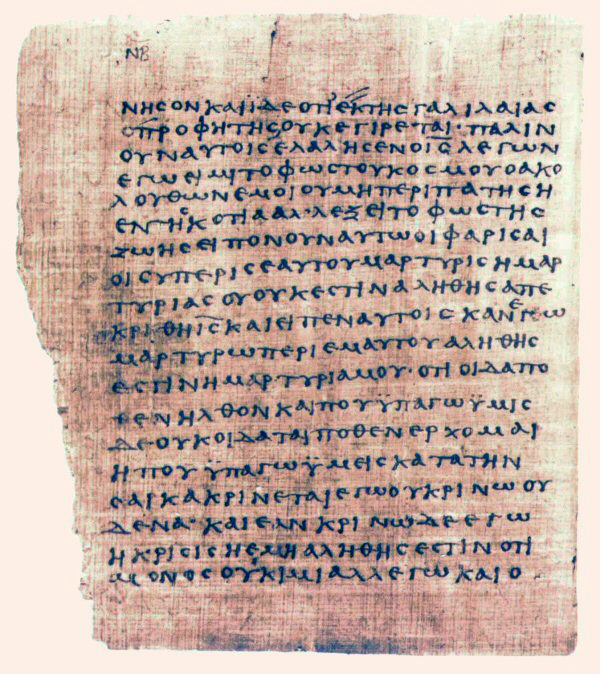
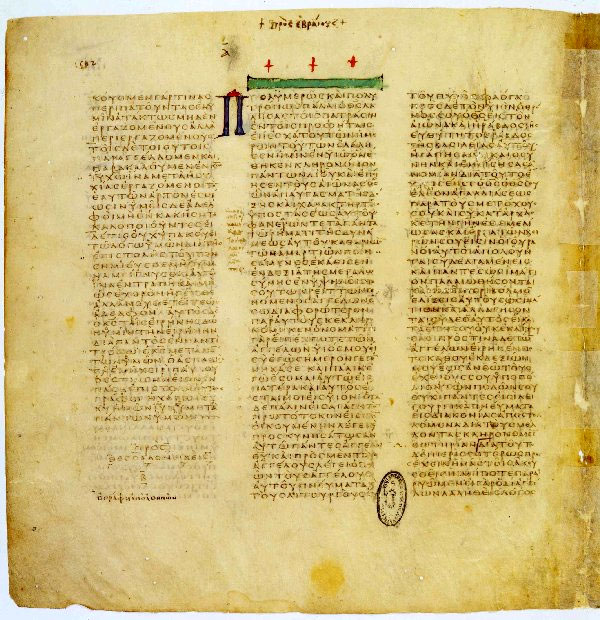
最初は憂慮すべきことのように聞こえるかもしれませんが、生の証拠はまったく異なる物語を伝えています。現在、私たちは5,800を超える現存する新約聖書のギリシャ語写本を所有しており、その範囲は2世紀と3世紀の壊れやすいパピルスの断片から、4世紀の壮大な羊皮紙アンシャル、数千の中世の極小冊子に至るまで多岐にわたります。ホメロスからプラトン、ジュリアス・シーザーに至るまで、人類の歴史上、これほど豊富な写本の証人に近いものはありません。新約聖書研究における課題は、証拠が不足しているのではなく、むしろ豊富すぎることです。すべての写本が一語一語一致しているわけではありません。
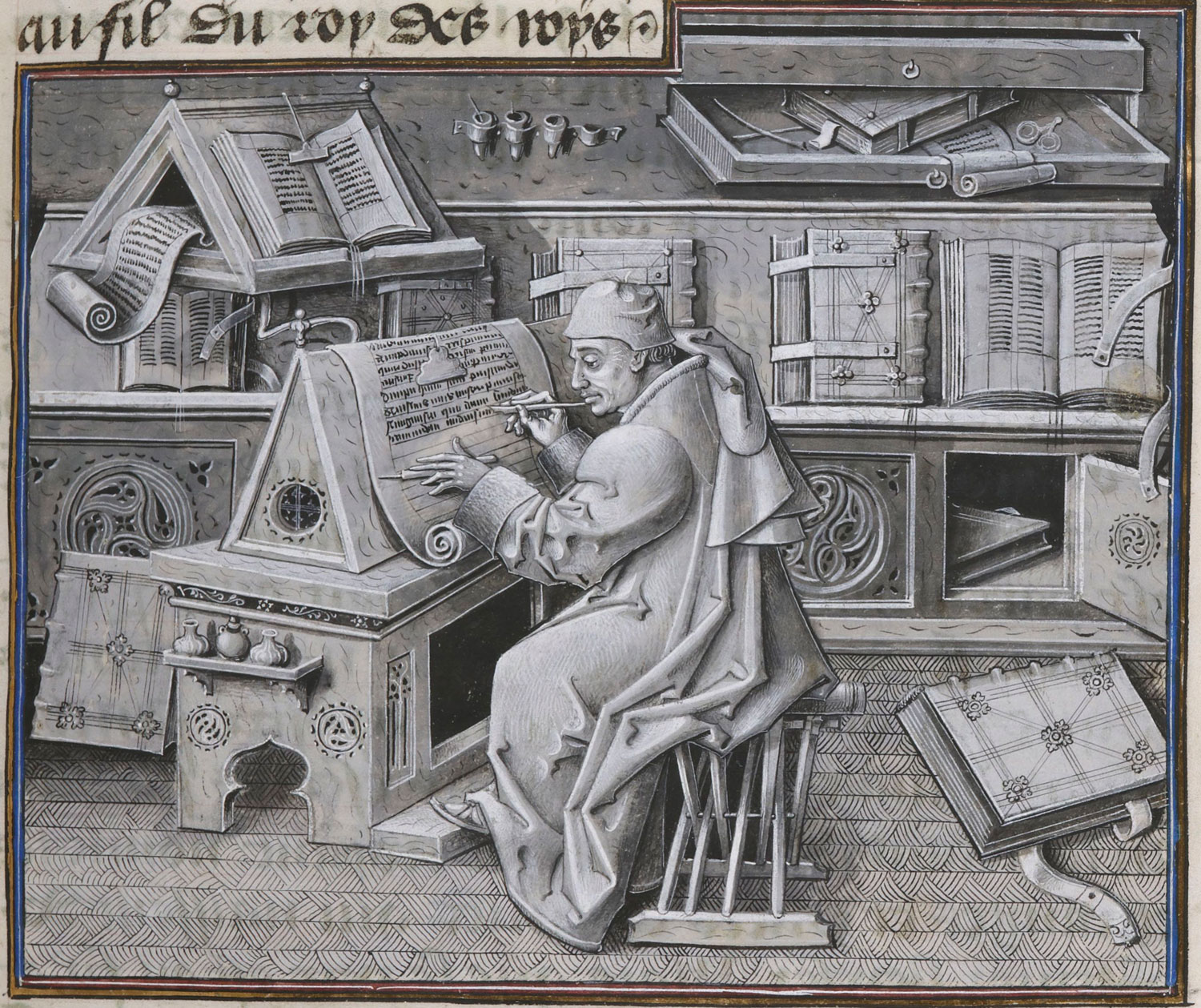
これらの写本が異なるのはなぜでしょうか。理由は簡単です。手書きの写本は人間の仕事であり、何百年にもわたって何千回も書き写されました。写字生が薄暗いランプの光の下で原稿に向かうたび、目が行を飛ばしたり、ペンが語を重ねて書いたり、欄外に説明の注記を書き込んだりすることがあります。ここに陰謀はありません。印刷機が存在する前に人間が写本を作っていたことから生じる、避けられない現実なのです。
一点のみ、現在は失われている何世紀にもわたって広がる、数千の手書き写本再構成
照合によって原文に最も近い形へ
概念図:上半分は分岐を表す(各写本は、写したものからわずかにずれることがある)。下半分は収束を表す(数千の写本を照合し、原文に最も近い文言を再構成する)。特定の写本群の実際の系譜ではない。
手書きの本文が時とともに自然に変化する仕組み
私がこのことを最初に調査し始めたとき、私は他の多くの人々と同じ仮定を共有していました。つまり、現代語訳に聖句が欠けているときはいつも、誰かがそれを削除したに違いないと考えていました。しかし、本文批評、つまり古代の写本を比較して最古の文言を再構成する学問は、より豊かな全体像を明らかにします。手書きのテキストの世界では、文言が変動する主なメカニズムが4つありますが、そのうち2つだけがテキストを短くします。
最初のグループには、テキストを短くする意図しないスリップが含まれます。
- 視線逸脱(parablepsis): 写字生の目が、ある句からページの下にある似た句へ飛び、間にある語を誤って落としてしまうこと。句の末尾が一致する場合、これは homoioteleuton と呼ばれます。メモを取るとき、私たちも同じことをするでしょう。2行目の「and」に目が止まり、4行目の「and」へ飛べば、3行目は完全に抜け落ちます。
- 重複書写(dittography): 写字生が、キーボードで急いで入力するときに同じ語を誤って二度入力するのと同じように、語や句を続けて二度書いてしまいます。どちらの誤りも、古代のページに紛れもない物理的な痕跡を残します。
2 番目のグループはまったく逆のことを行い、時間の経過とともにテキストを拡張します。
- 欄外メモ (グロス): 初期の読者は、難しい文章を明確にするために欄外に説明的なフレーズを書きます。後の写本作成者は、この注記は偶然の省略だったと推測し、それを本文に直接組み込んでいます。それは、余白に手書きのメモが書かれた古本を購入し、そのメモを著者のオリジナルの言葉と間違えるようなものです。
- 調和化(harmonization): 別の福音書の並行箇所に精通している写字生が、両方の記述が一致するように、無意識に、または意図的に表現を調整します。馴染みのある物語を再話するとき、私たちの心は自然に、最もよく覚えている句へ流れていきます。
写字生の目が、後に現れる似た語句へ飛び、その間の部分を飛ばしてしまう。
目が最初の「…と」から二つ目へ飛び、その間のBを省く。
写字生の目または手が、書いたばかりの語や句、時には節全体を繰り返す。
写字生の手が「B」を書いた直後に繰り返し、余分な写しを加える。
読者が欄外に説明を書き、後の写字生がそれを偶然の脱落と受け取って本文に組み込む。
初期の読者の欄外注が、後の写字生に偶然の脱落と取り違えられる。
並行する福音書の箇所を知る写字生が、意識的であれ無意識であれ、二つの記述をより似た形にする。
写字生は並行箇所(C′)を知っており、Cの代わりに無意識にそれを書く。
要点: 四つの仕組みはいずれも、推測ではなく写本そのものに記録されている。前二つは 本文を短くし 、後二つは 本文を長くする 。違いをすべて削除だと決めつける理由はない。
定義と例は Bruce M. Metzger & Bart D. Ehrman, The Text of the New Testament(第4版)、Paul D. Wegner, A Student’s Guide to Textual Criticism of the Bible による。
これら4つのメカニズムは抽象的な理論ではありません。現存する数千の写本に物理的な痕跡として見ることができ、学者は欄外注が何世紀にもわたって本文欄へ移行していく様子を観察できます。古代の写本がどのように作られたかを理解すると、すべての違いは意図的な削除に起因するという単純な仮定は崩れます。本当の問題は、誰かが聖句を削除したかどうかではなく、どの写本上のメカニズムがそのページに残る内容を最もよく説明するかです。
影の陰謀ではなく、4つの自然な写本メカニズムです。写し間違いも書き加えられた注記も、ページに痕跡を残す非常に人間的な説明があり、秘密の部屋は必要ありません。
節番号の錯覚:ルカは番号付きの行を書いたのではない
ここは多くの人がつまずく重要なポイントです。誰かが「使徒言行録のエチオピア人高官の信仰告白は削除された」と主張するとき、私たちは当然、ルカが座って使徒言行録のエチオピア人高官の信仰告白の告白を書き、続いて共謀者が刃物を手に取ってそれを切り取る様子を想像してしまいます。
歴史的現実は全く異なります。1 世紀には、新約聖書の写本には章や節の区切りが含まれていませんでした。
- 現代の章区分は、使徒時代から千年以上後、カンタベリー大司教スティーブン・ラングトンによって西暦1205年頃に作成されました。
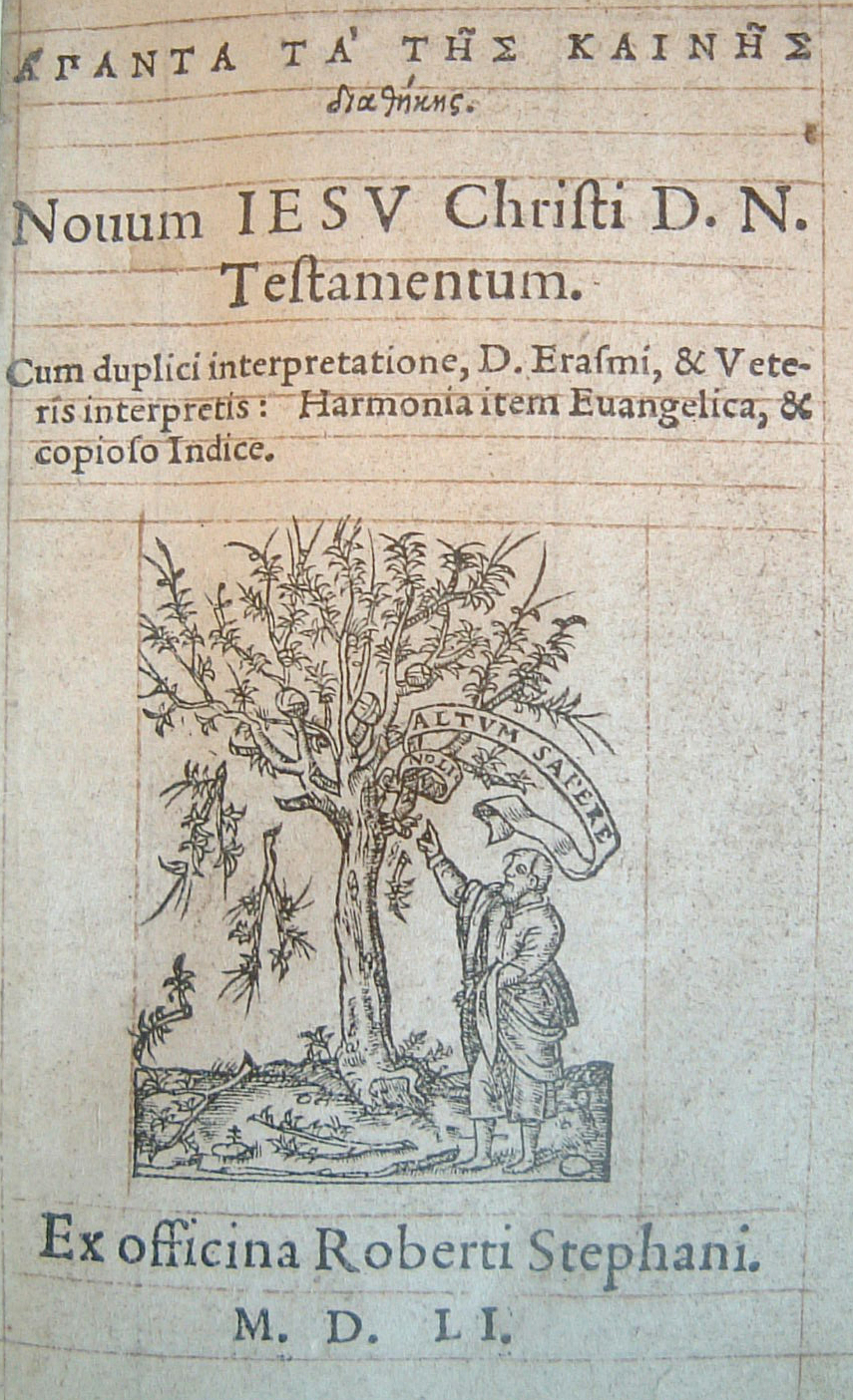
- 節番号は、相互参照を容易にするため、フランスの印刷者ロベール・エティエンヌ(ステファヌス)がギリシャ語新約聖書に西暦1551年に導入しました。
節番号は、16世紀の出版社が発明した後世の索引グリッドにすぎず、霊感を受けた原典の一部ではありません。
これを理解すると、議論の見え方が変わります。学者が、4世紀の写本には伝統的に使徒言行録のエチオピア人高官の信仰告白に置かれている信仰告白がないと述べても、羊皮紙に文字を削り取った空白があるという意味ではありません。16世紀の編集者が後にその告白に割り当てた位置に、現存する最古の写本では初めからその文がなかったということです。現代の参照体系に照らして見つからないのであって、原文の一文が削除されたという意味ではありません。
注目点: これは写本、発見、編集の節目を並べたものであり、自筆原稿から途切れずに残る一本の連鎖ではない。
- 01~50–100自筆原稿今日まで残るものはない
- 02~175–225最初期のパピルス断片P45、P66、P75…エジプトで写されたもの
- 034世紀大きな大文字写本シナイ写本、バチカン写本、アレクサンドリア写本
- 044–15世紀ビザンチンの写本伝承東ローマ帝国、数千の写本
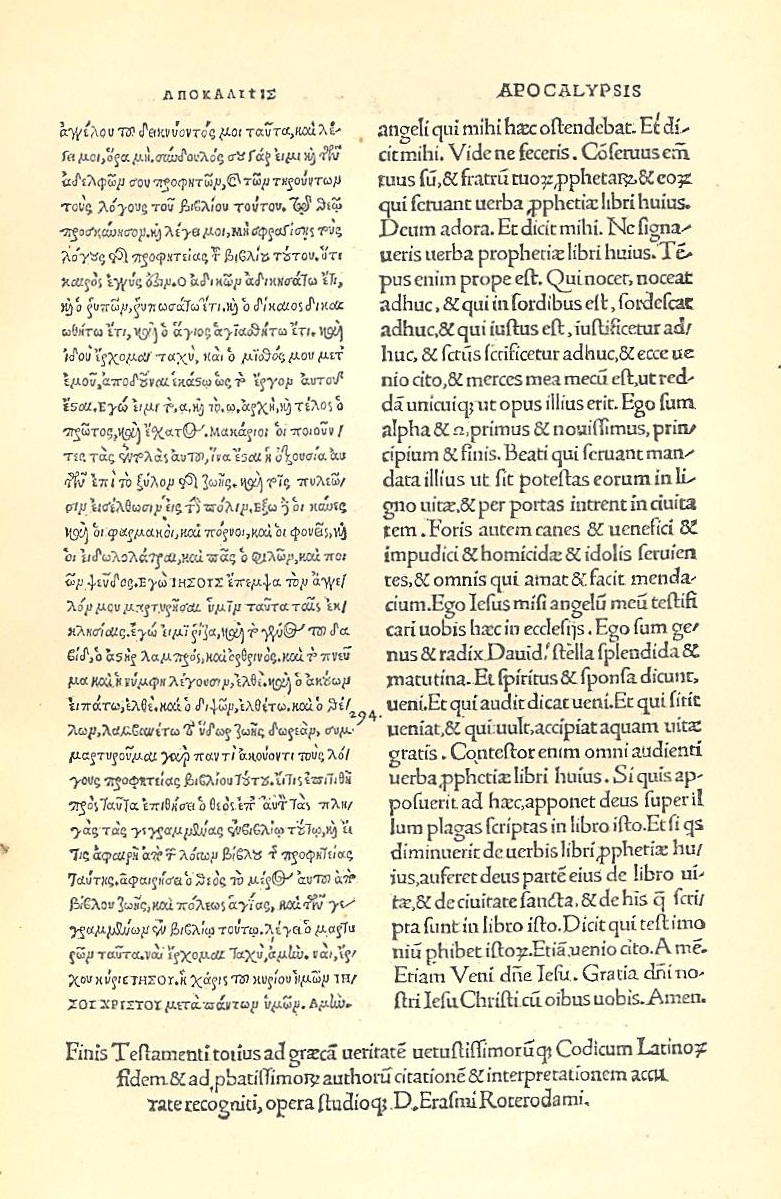
- 051516エラスムスの最初の印刷ギリシャ語新約聖書Novum Instrumentum omne、約5–6点の後代写本(主に12世紀)に基づく
- 061551エティエンヌが節番号を付すロベール・エティエンヌ(ステファヌス)のギリシャ語版
- 071633「テクストゥス・レセプトゥス」という名称エルゼビル兄弟の印刷版の序文
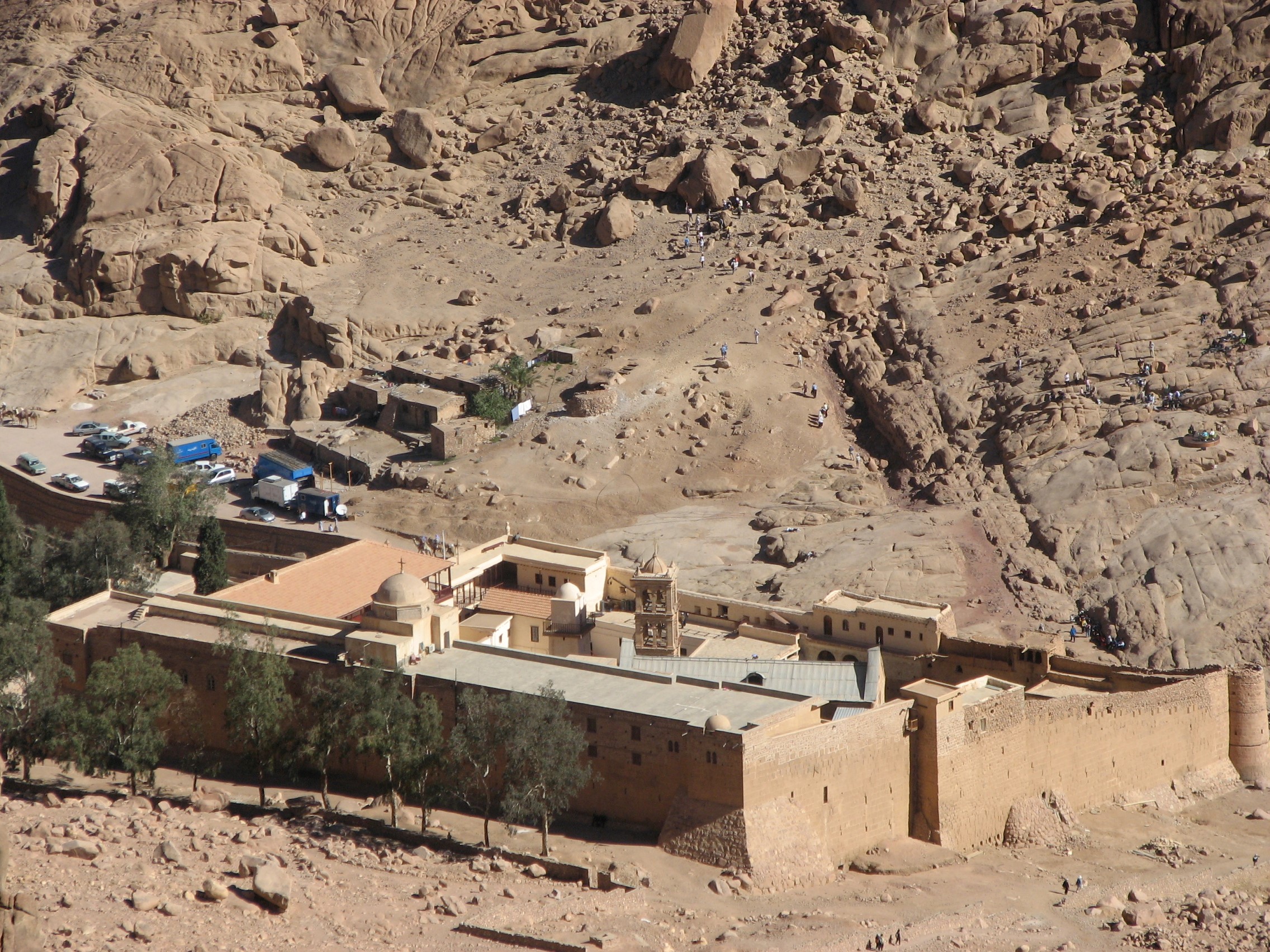
- 081844–59シナイ写本の発見聖カタリナ修道院のティッシェンドルフ
- 091930–60大規模なパピルス発見チェスター・ビーティ(P45…)、ボドマー(P66、P75…)
- 10現在NA28 / UBS5 / ECMCBGM法。ECMプロジェクトは残る書巻へ拡張中
出典:INTF(Kurzgefasste Liste)、CSNTM、標準的な本文批判研究に記録されたエラスムス/エティエンヌ/エルゼビルの印刷史(Metzger & Ehrman, The Text of the New Testament)、Editio Critica Maior計画(ドイツ聖書協会)。
上のタイムラインを見ると、サインと両方の番号付けマイルストーンの間にどれだけの隔たりがあるかがわかります。それは些細なことではありません。それは、明確かつ適切な質問をするための基礎です。
詩節が欠けているからといって、誰かが羊皮紙にナイフを突き刺したわけではありません。それは単純に、千年後に発明されたシステムによって番号が割り当てられた座標では、現存する最古の写本には最初からその文が含まれていなかったということを意味します。
二つの古典的な誤謬:多数決の法則か、最古のもの勝ちか?
特定の文章を検討する前に、多くの議論がつまずいている方法論上の罠を取り除く必要があります。
信者も懐疑論者も、次の 2 つの直感的な経験則を重視することがよくあります。
- 第一の原則:写本の大多数を占める読みが正しいはずだ(「多数決の原則」)。
- 第二の原則:最も古い写本に由来する読みが正しいはずだ(「最古のもの勝ち」)。
古文書の証拠は民主的な投票や短距離走のようには機能しないため、両方の仮定は厳密な公式として扱われると破綻します。
次に進む前に、統計から借用した分析レンズを明確にしましょう。これら 6 つの概念は、学術的な厳密さで証拠を評価するのに役立ちます。
母集団とは、失われたものも含め、かつて存在したすべてである。標本とは、実際に観察できるもの、つまり現存する5800点以上の写本であり、かつて写されたすべてではない。
一方を知っても他方について何も分からないとき、二つの観察は独立している。多くのビザンチン写本は共通の祖本を持つため相関しており、別々の投票用紙のようには数えられない。
「80写本にXがある」という数字だけでは何も分からない。100点中80点と5800点中80点は全く違う。分母がなければ、その数字は印象操作に過ぎない。
ある読みを持つ写本の数を数えるのは記述である。どの読みが原文らしいかを推測するのは別の推論段階で、系譜と写本の仕組みに関する追加の仮定が必要であり、生の集計が自動的に与えるものではない。
私たちの標本(現存する写本)は元の母集団から無作為に選ばれたのではなく、気候、戦争、地域ごとの写本習慣によってふるいにかけられた。生存者バイアスは標本抽出バイアスの一形態である。
この論考の五つの節から導く結論は、ここで確認した証拠に基づき、その五つに適用される。新約聖書全体のあらゆる異読に対する一律の規則へ広げるべきではない。
この六語は論考の後半でも繰り返し現れる。どれかの意味を忘れたら、ここを簡易参照として使ってほしい。
「多数決ルール」が不十分な理由 中心的な問題は系図上の依存性です。後のビザンチン写本の大部分は独立した証人ではありません。これらは、何世紀にもわたってビザンチンの教会センター内で大量にコピーされた祖先の模範の小さなグループの子孫です (現存するギリシャの極小像の 80% 以上がこの伝統に属しています)。祖先のコピーに欄外音符やハーモナイゼーションが含まれていた場合、下流のすべてのコピーはそれを継承しました。これは、それがオリジナルだったからではなく、同じコピーの系統を共有していたからです。家系図をたどらずに写本を数えるということは、単一の誤植を何千回もコピーし、千人の独立した証人がそれを検証したと主張するようなものである。
同じ「80」という数でも、一方は 80%、もう一方は 1.4%写本数を根拠にしながら分母を示さない議論に出会ったら、その時こそ立ち止まり、分母を尋ねるべきである。
単純な算術の図解であり、この論考の特定の節の実数ではない。
簡易テストとして使う: 物理的な写本を数えることと、独立した伝承線を見分けることは別の作業である。
一本の木から多くの写本が生まれても、それは一つの証拠線を表すに過ぎない。独立性を増すのは異なる起源である。
Xが50回現れても、一つの写本行為が複製されたに過ぎない場合がある。
異なる場所・時代の資料が互いに写し合わず一致するとき、その独立性が重要になる。
読み方の原則: 物理的な数量は標本の大きさを示し、系譜と広がりは独立性を示す。祖先を共有する写本を別々の投票用紙にしてはならない。
概念図であり、特定の写本の実際の系譜ではない。基礎原理は Kurt & Barbara Aland, The Text of the New Testament の局地的・系譜的方法と、現代の理由ある折衷主義(Daniel B. Wallace)の「数えるのではなく重みづける」方法による。
「最古の写本が勝つ」という考えだけでは不十分な理由 物理的な年齢は、原稿がいつ書かれたかを教えてくれますが、筆記者が注意深く、模範が汚れていなかったということを保証するものではありません。中間段階がほとんどなく、初期の原始的な模本から忠実にコピーされた 9 世紀の写本は、不用意に作成された 4 世紀の写本よりもオリジナルに容易に近くなります。だからこそ、原文学者は年代や生の数だけに頼るのではなく、複数の証拠の流れを一緒に評価するのです。
読み方: 六つの異なる問いを立て、答えを一緒に重みづけする。それらを一つの点数に足すのではない。
外的証拠
本文の文言の外に何が残っているか
写本の年代
問い: この写本は何世紀に作られたか
確定できること: 証人を時間の中に位置づける。
単独では確定できないこと: 写本が正確だとは証明しない。
写本の系譜
問い: どの資料から派生したか
確定できること: どの証人が本当に独立しているかを示す。
単独では確定できないこと: 数量だけから独立性は推論できない。
広がり
問い: その読みは地域や伝統をまたいで現れるか
確定できること: その読みの地理的・本文的な到達範囲を示す。
単独では確定できないこと: 広い分布でも一つの祖先から生じ得る。
古代訳
問い: ラテン語、シリア語、コプト語の訳は何を反映するか
確定できること: 別の言語と場所から一つの窓を加える。
単独では確定できないこと: 翻訳にもそれぞれ写本の歴史がある。
教父の引用
問い: 初期に誰かがその行を引用または暗示したか
確定できること: 現存写本の外側から証拠を加える。
単独では確定できないこと: 近い暗示が確実な引用とは限らない。
内的証拠
どの読みが著者と写本の過程に合うか
内在的蓋然性
問い: どの読みが著者の文体と論旨に合うか
確定できること: 著者が何を書いた可能性があるか、写字生が何を容易に変えられたかを検証する。
単独では確定できないこと: 機械的な点数ではなく、理由ある判断である。
本文判断: どの証拠の流れが互いを補強し、または問い直すかを説明する理由ある議論。
「年代40%、広がり20%」のような公式ではない。
外的/内的枠組みと「理由ある折衷主義」は Kurt & Barbara Aland, The Text of the New Testament、Bruce Metzger, A Textual Commentary on the Greek New Testament、Daniel B. Wallaceの本文批判方法に関する講義ノートに従う。
明確にしておきましょう。写本の数も年代も、無意味なのではありません。異なる地域における複数の独立した伝写系統で確認される読みは、非常に重い証拠になります。誤りは、単一の変数を絶対的な規則に格上げすることです。写本の数と年代を無視することではありません。
さらに 2 つの歴史的要因を覚えておく価値があります。
- 生存者バイアス:私たちが今日持っている5,800以上の写本は、何世紀にもわたる戦争、火災、腐敗を生き延びたものにすぎません。エジプトの乾燥した砂は、他の場所で朽ちたパピルスを保存しました。現存するギリシャ語写本のうち、約177点は西暦900年以前のものであり、その後に作られた5,000点以上と比べられます。
- 欠落データ: 初期の聖職者による引用だけでは、それが著者の手によるものであることを自動的に証明できないのと同様に、現存する記録に読み取り値が存在しないことは、その読み取りが存在しなかったことを証明するものではありません。
新約聖書の本文のバリエーションの大部分は、小さな綴りの癖、語順の変更、または文法上のニュアンスです。以下の 5 つの文章は実質的なバリエーションを表しているため、それぞれを慎重に個別に検討する必要があります。
コピー数を数えたり、年齢を測定したりすることは出発点にすぎません。強力な証拠は、単に最も豊富または最も古いというだけでなく、さまざまな地域や世紀からの独立したコピーの流れ全体で確認された読み取りです。
論争のある5つの文章を分析する:実際に何が起こったのでしょうか?
次に、最も頻繁に引用される 5 つの聖句をそれぞれ直接見てみましょう。写本が何を示しているか、バリエーションを最もよく説明するメカニズムは何か、その聖句がオリジナルの自筆にない場合にキリスト教の教義が影響を受けるかどうかです。
重要な点を先に確認しておきましょう。5つの箇所はすべて、原文から削られた語ではなく、写本作成の過程で加えられた異読です。歴史的に問うべきなのは、それぞれが説明的な注記として始まったのか、それとも伝写中の並行箇所との調和化として始まったのかということです。
1. マタイによる福音書の断食と悪霊追放の箇所(「しかし、この種のものは祈りと断食以外には消えない」)
- 写本証拠: シナイ写本とバチカン写本 (4 世紀) にはまったく存在しませんが、後のビザンチン写本の大部分には存在します。
- 写字上のメカニズム:マルコによる福音書の祈りと断食についての教えの並行箇所からの調和化の明確な例です。マルコに精通した写字生たちは、その表現をマタイに取り入れました。
- 教義的影響: 影響を受けません。霊的戦いにおける祈りの役割は、マルコによる福音書の祈りと断食についての教えにしっかりと根付いていますが、霊的鍛錬としての断食は、イエスによってマタイによる福音書の断食についての教えで独自に教えられ、使徒言行録の断食と派遣の実践で実践されています。
2. マタイによる福音書の失われた者を探す言葉(「人の子は失われたものを救うために来たからです」)
- 写本証拠: バチカンヌス、シナイ写本、および写本群 1 および 13 には存在しません。ビザンチンの多数派に存在する。
- 写字上のメカニズム:ルカによる福音書の失われた者を探す言葉による記憶上の調和化です。興味深いことに、マタイはルカとほぼ一字一句一致していますが、ギリシャ語動詞「探す」(ζητῆσαι)だけが欠けています。これは、記憶から有名な一節を引用する写字生に典型的な動きです。
- 教義的影響: なし。ルカによる福音書の失われた者を探す言葉 は真実を完全に伝えており、マタイによる福音書の失われた羊のたとえ のすぐ後に続く迷える羊のたとえ話は、キリストの全く同じ心を宣言しています。
3. マルコによる福音書の、耳を傾けるよう促す言葉(「聞く耳のある人は、聞きなさい」)
- 写本証拠: シナイ写本、バチカン写本、レギウス写本(L)、サンガレンシス写本(Δ)にはなく、ビザンチン多数派には存在します。
- 写字上のメカニズム:写字生がなじみ深い定型句を反復したものです。マルコはこの勧告をマルコによる福音書の前の箇所にある、耳を傾けるよう促す言葉 と マルコによる福音書の後の箇所にある、耳を傾けるよう促す言葉ですでに二度用いており、そのパターンに慣れた写字生がイエスの教えの後に挿入しました。
- 教義的影響: なし。マルコの福音書の中でこのフレーズは既に 2 回議論の余地なく存在しているためです。
4. ヨハネによる福音書のベトザタの池についての説明(ベテスダの水をかき混ぜる天使)
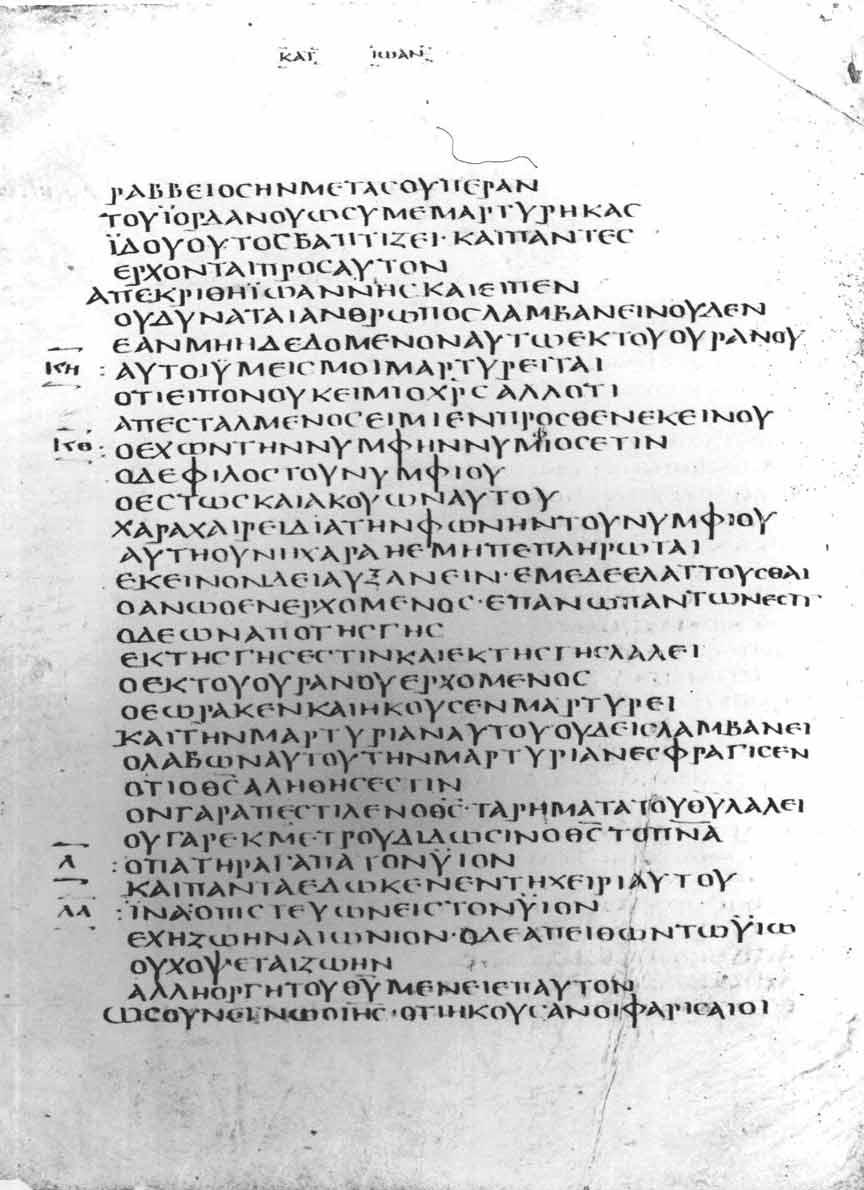
- 写本の証拠: 初期のパピルスP66およびP75(西暦200年頃)、シナイ写本、バチカン写本にはなく、コーデックス・ベザエとビザンチン多数派には存在します。
- 写字上のメカニズム: 欄外に加えられた説明注が本文に取り込まれたものです。この節を含む写本には文言の大きな揺れがあり、欄外注が世代を重ねるうちに本文へ吸収されたことを示しています。それは、なぜ病人たちが池に集まっていたのかを説明する注記でした。
- 教義的影響: まったく影響を受けません。 ヨハネによる福音書のベトザタでの癒やし(「起きて、床を担いで歩きなさい」)にあるイエスの癒しの奇跡は、天使や動く水には決して依存しませんでした。その男は決してプールには足を踏み入れなかった。イエスは御言葉の権威によってのみ彼を癒しました。
| 節 | 省略を示す最初期の証拠 | 含まれることを示す証拠 | 最も可能性の高い仕組み | 他の箇所で教理は保たれているか |
|---|---|---|---|---|
| マタイによる福音書の断食と悪霊追放の箇所 | シナイ写本、バチカン写本(4世紀) | ビザンチン多数派、ベザ写本、ワシントン写本 | との調和化 マルコによる福音書の祈りと断食についての教え | はい: マルコによる福音書の祈りと断食についての教え は今も祈りを教えており、断食も別に教えられている(マタイによる福音書の断食についての教え) |
| マタイによる福音書の失われた者を探す言葉 | バチカン写本、シナイ写本、L*とΘ*(訂正前の原筆)、第1・第13写本群 | D、ビザンチン多数派、LとΘの後代の訂正筆 | との調和化 ルカによる福音書の失われた者を探す言葉 (「探す」が欠けている) | はい:完全に、しかもより詳しく残っている ルカによる福音書の失われた者を探す言葉 |
| マルコによる福音書の、耳を傾けるよう促す言葉 | シナイ写本、バチカン写本、L、Δ | ビザンチン多数派 | を反映した語句 マルコによる福音書の前の箇所にある、耳を傾けるよう促す言葉 と マルコによる福音書の後の箇所にある、耳を傾けるよう促す言葉 | はい:同じ定型句はマルコ自身の中ですでに二度、異論なく置かれている |
| ヨハネによる福音書のベトザタの池についての説明 | P66、P75(3世紀頃)、シナイ写本、バチカン写本 | ベザ写本(語句が異なる)、アレクサンドリア写本、ビザンチン多数派 | の説明注 ヨハネによる福音書のベトザタでの男性の返答 | はい: ヨハネによる福音書のベトザタでの癒やし の治癒の奇跡は天使や池にまったく依存しない |
| 使徒言行録のエチオピア人高官の信仰告白 * | P74、シナイ写本、バチカン写本、アレクサンドリア写本、ビザンチン多数派(P45はまさにこの箇所が損傷しており、証言は不明確) | ラウディアヌス写本(E)、少数の後代小文字写本(1739…)、一部の古ラテン語資料(範囲について資料間で意見が異なる) | 初期の洗礼告白、おそらくルカ自身の文言ではない | パターンはこうである: 使徒言行録のペンテコステでの洗礼の型 と 使徒言行録のサマリアでの洗礼の型 と 使徒言行録のフィリピの牢獄の看守の家族 と 使徒言行録のコリントでの洗礼の型 |
* 使徒言行録のエチオピア人高官の信仰告白 五つの中で最も複雑であり、下で独立した節を設ける。出典:NET Bible訳者注、NABRE学習注(bible.usccb.org)、Wikipediaの対応する「本文の異読」記事(CSNTMの写本カタログと照合)。
最も難しいパズル:
最初の四つの節には、調和化や欄外注記による簡単な歴史的説明があり、キリスト教の教義は完全にそのまま残されています。ただし、使徒言行録のエチオピア人高官の信仰告白はより複雑であり、ニュアンスに注意する必要があります。
長い読み(欽定訳や伝統的な翻訳でよく知られている)では、宦官の告白が記録されています:「私はイエス・キリストが神の子であると信じます。」 短い読みでは、宦官の質問(「何が私の洗礼を妨げるのですか?」)から直接、二人が水に下りていく様子が記録されています。4世紀の三つの主要な写本、シナイ写本、バチカン写本、アレクサンドリア写本はいずれもこの告白を欠いています。
しかし、ここで歴史的な道が興味深い方向転換します。
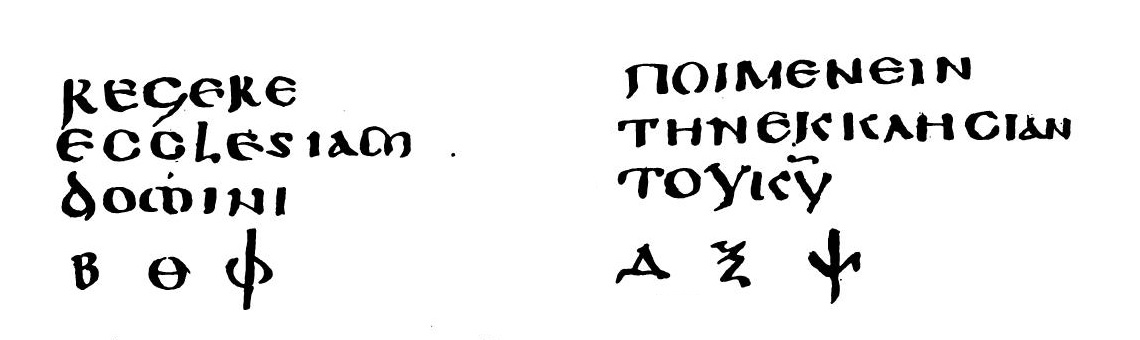
- この告白は、ラウディアヌス写本(6〜7世紀の西方の本文)と、2〜3世紀にさかのぼる一部の古ラテン語の証人に登場します。
- とりわけ、教父イレナエウスが西暦180年頃に書いた文書で、この聖句と実質的に同じ告白を引用していることが注目されます(現存する最古の使徒言行録パピルスP45より古い証言です)。
これは、興味深い歴史的現実を明らかにしています。初期の教会の洗礼の伝統としてのこの告白の証拠は、実際には、それを省略した現存する最古のギリシャ語写本よりも古いものです。ただし、次の 2 つの異なる質問を分けて保持する必要があります。
- 初期の洗礼告白の公式は初代教会の典礼で使用されましたか? (イレナエウスはこれを確認しています)。
- ルカは使徒行伝のオリジナルの自筆でこの特定の節を個人的に書きましたか? (初期のギリシャ語写本の証拠はこれを裏付けていません)。
最も可能性の高い説明は、初期の洗礼告白の公式が書記たちによって徐々に西洋のテキストの流れに組み込まれたというもので、使徒言行録全体で 8 から 10% の説明資料が追加されたことでよく知られている伝統です。
これは信者の洗礼の教義に影響しますか? 決してそうではありません。責任ある神学は、論争のある単一の聖句に教義全体を押し付けることは決してありません。信者の洗礼は、使徒言行録全体にわたる一貫した議論の余地のないパターンに基づいて確立されています。つまり、人々はメッセージを聞いてキリストを信じ、洗礼を受けました(使徒言行録のペンテコステでの洗礼の型 と 使徒言行録のサマリアでの洗礼の型 と 使徒言行録のフィリピの牢獄の看守の家族 と 使徒言行録のコリントでの洗礼の型)。私たちの信仰は、争いのある一つの聖句ではなく、聖書という岩盤の橋の上にかかっています。
告白は本当に古いものであっても、まだ著者のオリジナルの文章の一部ではない場合があります。それは矛盾ではなく、初代教会の生きた典礼と彼らが大切にしてきた物語文が出会うときに自然に起こることです。
全体像: 証拠は実際にどこを示しているのでしょうか?
5 つのケースすべてを検討したので、一歩下がって、孤立した断片ではなく、より広い視野を見てみましょう。
| 節 | ギリシャ語写本 | 古代訳 | 教父の引用 | 最初期の証拠 |
|---|---|---|---|---|
| マタイによる福音書の断食と悪霊追放の箇所 | あり(両方) | この論考の範囲内では未確定 | 見つからない | 4世紀(省略側と含む側の両方) |
| マタイによる福音書の失われた者を探す言葉 | あり(両方) | あり(両方、注を参照) | 見つからない | 4世紀 |
| マルコによる福音書の、耳を傾けるよう促す言葉 | あり(両方) | あり(含む側) | 見つからない | 4世紀 |
| ヨハネによる福音書のベトザタの池についての説明 | あり(両方) | あり(両方) | 見つからない | 約175–225年(P66/P75)、五つの中で最初期 |
| 使徒言行録のエチオピア人高官の信仰告白 | あり(両方) | あると主張されるが、資料間で一致しない | イレナイオス、約180年(近い表現だが確実な引用ではない) | 告白伝承は約180年、実際にそれを含むギリシャ語写本は6–7世紀 |
範囲の定義: この表は、この論考で使用した資料(NET Bible注、NABRE学習注、照合したWikipediaの「本文の異読」記事、CSNTMカタログ)で明示的に名指しされた証人だけを載せる。それは ではなく 現存する5800点以上のギリシャ語新約写本全体であり、信頼できる二次資料を通じて特定の役割に結びつけられた、この論考が扱える証拠の一部だけである。「見つからない」はこの調査内で見つからなかったという意味で、存在しないという意味ではない。
出典:NET Bible訳者注、NABRE(bible.usccb.org)、Wikipedia「マタイ/マルコ/ヨハネ福音書の本文の異読」および「使徒言行録の本文の異読」、CSNTM。
概要を見ると、には、五つの節の中で最も古い省略の証拠があります(3世紀初頭の二つのパピルスで確認されます)。一方、使徒言行録のエチオピア人高官の信仰告白には独特の年代的ギャップがあります。つまり、紀元180年には教父によって引用された洗礼告白が、現存するギリシャ語写本では6世紀または7世紀まで確認できません。
一つだけ加えられた読みで、逐語的に借りているのは マルコによる福音書の祈りと断食についての教え
一つだけ加えられた読みで、ほぼ同じなのは ルカによる福音書の失われた者を探す言葉
一つだけ加えられた読みで、対応するのは マルコによる福音書の前の箇所にある、耳を傾けるよう促す言葉/マルコによる福音書の後の箇所にある、耳を傾けるよう促す言葉
写本はどこまで含めるかで一致しない: ヨハネによる福音書のベトザタの池の箇所で、本文上の議論がある前半部分 だけ、 ヨハネによる福音書のベトザタの池の箇所で、本文上の議論がある後半部分 だけ、または両方で、語句も異なる
この節を含むギリシャ語写本はいくつかあるが、相互に小さな語句の違いがある
これは記述的な観察である。この論考が確認できた証拠に限られ、 「最も改ざんされた節」の順位づけではなく、 どの読みが原文である確率の尺度でも、誰が書いた/書かなかったかの証拠でもない。「安定した」三節は、加えられた後さらに編集されなかっただけで、他の二つより原文に近いという意味ではない。
根拠:上の各節のケースファイルですでに引用した写本資料、NET Bible訳者注の ヨハネによる福音書のベトザタの池の章 と 使徒言行録のエチオピア人高官の箇所.
本文の安定性という観点では、、、マルコによる福音書の、耳を傾けるよう促す言葉は、存在する写本では一貫して写されている安定した追加を表します。逆に、ヨハネによる福音書のベトザタの池についての説明は内部のばらつきが大きく、文言や構造について写本間の一致がありません。
量的
- 証人を賛成/反対で数える
- 世紀ごとの範囲
- 各読みの年代的な広がり
- 証人同士が系譜的にどれほど依存しているか
- 証人の間にいくつの異なる語句が現れるか
質的
- 最ももっともらしい写本上の仕組み(調和化、欄外注…)
- 著者自身の文脈と文体への適合
- 「より難しい読みは原文らしいことが多い」原則(lectio difficilior)
- 教父の引用の文脈
- 特定の写本伝承(例:西方本文)が本文を拡張しがちな理由
量的証拠だけでは 「票を数える」方向へ滑り、すべての写本を独立した投票用紙として扱う。上の図6が、それが誤りだと示している。 質的証拠だけでは 根拠のない推測へ滑る。真剣な本文批判には両方が必要で、互いに照合しなければならない。
これがこの調査の核となる洞察です。 写本を数えて断片の年代を特定するだけでは仕事の半分にすぎません。残りの半分では、歴史的背景、書記の傾向、伝承の系図を理解する必要があります。誰かが文脈を説明せずにセンセーショナルな生の数字を発表するとき、彼らは健全な学問を提供するのではなく、感情的な反応を引き起こしていることになります。
「削除された聖書」の物語の真の背後にいるのは誰ですか?
異なる視点を明確に区別することが不可欠です。すべての批判的な声をひとつの籠に入れるのは不公平であり、歴史的にも不正確です。
三つのまったく異なる視点を区別する必要があります。
- ビザンチン優先権と多数派テキストの学者的擁護者: ゼーン・ホッジス、アーサー・ファースタッド、モーリス・ロビンソン、ウィリアム・ピアポントなどの学者が代表を務めます。彼らは写本の送信統計から議論し、数値的優位性は安定したコピーの流れを反映していると提案しています。これは正当な学術的立場であり、陰謀論とはまったく無縁です。
- 急進的なKJVのみの運動:ピーター・ラックマン(ペンサコーラ聖書研究所、1965年)などに代表されます。彼は1611年のキング・ジェームズ訳が、元のヘブライ語やギリシャ語よりも優れた、霊感による新しい啓示だと主張しました。主流のビザンチン学者はこの見解を明確に拒否しています。保守的な三位一体聖書協会でさえ、*「公認訳が完璧な翻訳だとは考えておらず、入手可能な英語訳の中で最良のものだと考えている」*と明言しています。
- ウェストコット、ホート、バチカンを巡る陰謀論:19世紀の学者ウェストコットとホートが秘密のオカルト計画を隠していた、またはローマと共謀したという、根拠のないインターネット上の主張です。こうした非難を裏付ける信頼できる歴史学は存在しません。彼らの本文批評の方法は公刊され、一世紀以上にわたってあらゆる教派の学者に検討され、洗練されてきました。
ビザンチン本文を好むのは正当な学術的議論です。急進的なKJVのみ主義は、学術的な装いをした独断的なイデオロギーです。この二つを一緒くたにしてしまうのは完全に的外れです。
カトリック、正教会、プロテスタント:宗派間戦争?
カトリックが一つの文書を隠し、プロテスタントが別の文書を擁護し、東方正教会が孤立するなど、写本論争が宗派間の対立を反映しているのではないかと多くの人が疑問に思っています。歴史的現実は正反対のことを示しています。つまり、現代の聖書学には顕著な教派間の合意があるのです。
- ローマ・カトリック:教皇ピウス世の回勅Divino Afflante Spiritu(1943年)は、カトリック学者にヘブライ語とギリシャ語の原文を直接研究するよう指示し、原文には二次翻訳より高い権威があると述べました。第二バチカン公会議のDei Verbum(1965年)は、教導職が「神の言葉を超えるものではなく、神の言葉に仕えるもの」であると断言しました。標準的なカトリック翻訳NABREでは、問題となっている五つの聖句すべてに括弧内の説明と脚注が付されており、NIV、ESV、NASBなどのプロテスタント翻訳とも一致しています。
- 東方正教: ギリシャの新約聖書学者ヨアニス・カラヴィドプロスは、UBS編集委員会の直接の委員を務めました。彼は有益な区別をしました。ビザンチン文書は礼拝で使用される忠実な典礼文書として機能し、批評版は利用可能な最古の文言を再構築するための学術ツールとして機能します。
- プロテスタント: 主要な現代翻訳 (NIV、ESV、NASB、CSB) は、最新の重要な版 (NA28 および UBS5) に依存しています。さらに、大部分のテキスト版は、何千もの小さな違いがあるにもかかわらず、新約聖書テキストの90%以上で現代の重要な版と一致しています。
| 問い | ローマ・カトリック | 東方正教会 | プロテスタント |
|---|---|---|---|
| 現在用いられている翻訳の本文基盤 | NABREはNA28/UBS5に従い、他の批判版と同じ結論に至る | 1904年総主教本文(アントニアデス):礼拝用のビザンチン本文を再構成するもので、自筆原稿だとは主張しない | NIV/ESV/NASBはすべてNA28/UBS5に従い、少数はテクストゥス・レセプトゥスまたはビザンチン本文を用いる |
| UBSギリシャ語新約聖書委員会に学者が参加しているか | はい。1943年のDivino Afflante Spiritu以後の教派横断的協力を通じて | はい。クルト・アーラントはイオアニス・カラヴィドプロスを個人的に招き、正教会の声を届けた。NA26/27とUBS4/5を編集した人物である | はい。創設メンバーの大半と現編集者が参加している |
| 五つの論争箇所に対する立場 | NABREはNA28/UBS5と同じく、注を付して角括弧に入れる | 礼拝で用いるビザンチンの典礼本文には存在するが、学術的な批判的再構成には存在しない | 大多数は角括弧/脚注を付す。TR/ビザンチンの少数派は、陰謀という枠組みを取らず本文に残す |
| 「教会が本文を改ざんした」は一貫したカテゴリーか | いいえ。Dei Verbumは教導権が御言葉に「仕える」のであって「上に立つ」のではないと明確にする | あまり適切ではない。カラヴィドプロスは、写本の誤りを否定ではなく研究を要する歴史的事実として率直に認める | いいえ。聖書のみは、いずれか一つの教会組織ではなく、写本伝承全体に保存された御言葉に権威を置く |
出典:ピウス12世『Divino Afflante Spiritu』(1943年)、第二バチカン公会議『Dei Verbum』(1965年)、usccb.org(NABRE)、I. Karavidopoulos, “The Ecumenical Patriarchate’s 1904 New Testament Edition and Future Perspectives,” Sacra Scripta X,1(2012年)、Biblica(NIV)、Crossway(ESV)、Lockman Foundation(NASB)の翻訳方針ページ。
スケール感: 真に主要な新約聖書の異本
先ほど分析した5つの箇所は、一つの節に生じる小さな異読です。適切な見方をするために、新約聖書の中で真に重要な5つの本文異読を考えてみましょう。
- マルコの長い結末(マルコによる福音書の長い結末部分):シナイ写本とバチカン写本の両方に欠けている、十二節からなる文章で、蛇を取り上げたり猛毒を飲んだりすることについての論争的な記述など、マルコの残りの部分とは異なる語彙と構文を特徴としています。
- 姦通で捕らえられた女性の物語(ヨハネによる福音書の姦淫の現場で捕らえられた女性の箇所):初期のパピルス文書とアンシャル文書にはすべて欠落しています。イエスに関する本物の歴史的記憶を保ちながら、この一節はヨハネに定着する前に、古文書のさまざまな場所で広まりました。
- コンマ・ヨハネウム(ヨハネの手紙一のコンマ・ヨハンネウム):明示的な三位一体論の定式、*「父、御言葉、聖霊…そしてこの三者は一つである」*は、14世紀以前のギリシャ語写本には事実上存在しません。この文言が存在しないことは、この文言がギリシャ語写本に現れるほぼ千年前にニカイアで定義された三位一体の教義を揺るがすものではありません。
- 血の滴のようなキリストの汗(ルカによる福音書の天使と汗についての記録):2世紀の教父によって証明されたこの一節は、今でも議論の余地があり、学者たちは、それが初期のキリスト論の論争中に省略された本来の記述なのか、それとも初期の典礼上の追加なのかを調査しています。
- 主の祈りの文言(マタイによる福音書の主の祈りの頌栄):*「王国と権力と栄光は永遠にあなたのものです」*は、2世紀のディダケーに複数の形で現れ、初期キリスト教の典礼的な献身を反映しています。
判決: 史実とフィクションを区別する
ここでは、曖昧な妥協案を提示するのではなく、聖書の翻訳や論争のある聖句をめぐる最も一般的な主張について、直接的で証拠に基づいた評価を示します。
短い読みは、複数の写本伝承(アレクサンドリア系、古代訳、一部の教父)で独立に最初期から証言される。カトリック、正教会、プロテスタントの研究は、一人の決定ではなく、同じ共有された方法によって同じ結論に収束している。
に似た告白 使徒言行録のエチオピア人高官の信仰告白使徒言行録のエチオピア人高官の信仰告白 は180年頃にイレナイオスが記録しており、現存する使徒言行録のギリシャ語写本より早い。伝承は古くても、ルカ自身の文言とは限らない。
大半のビザンチン写本は、はるかに少数の祖本から派生し、何世紀にもわたって一つの教会的中心で大量に写された。系譜を考慮しない単純な数え上げは代表性を持たない。
良い見本写本の後代写本は、悪い見本写本の初期写本より忠実なことがある。写本の年代は外的証拠の一部にすぎず、常に内的証拠とともに重みづける。
NABREは五つすべてに注を付して角括弧に入れる。NIV、ESV、NASBが用いるNA28/UBS5の慣行と同じである。この結論はカトリック研究に固有でも、そこから生じたものでもない。
正教会の学者カラヴィドプロスはNA26/27とUBS4/5を作った編集委員会そのものに参加し、カトリックのNABREも同じ本文上の結論に従う。
正教会の礼拝本文は、礼拝用にビザンチン伝承から作られた1904年総主教本文であり、テクストゥス・レセプトゥスではない。自筆原稿だとも主張しない。
慎重なバプテスト神学者は、信者の洗礼を一つの本文上不確かな節ではなく、使徒言行録に繰り返し現れる異論のないパターン( 使徒言行録のペンテコステでの洗礼の型 と 使徒言行録のサマリアでの洗礼の型 と 使徒言行録のフィリピの牢獄の看守の家族 と 使徒言行録のコリントでの洗礼の型)に基づいて論じる。
断食は異論のない本文で独立に、また繰り返し教えられている(マタイによる福音書の断食についての教え; 使徒言行録の断食と派遣の実践 と 使徒言行録の祈りをもって長老を任命する箇所).
批判版とビザンチン/多数派本文は、何千もの小さな点で異なっても、本文の圧倒的大部分で一致することが広く認められている。論争中の異読が第一級の教理に触れることはない。
判定は宗派への忠誠ではなく、論考全体で引用した写本・教父・本文批判の証拠に基づく。
歴史の真実はいかなる党派にも属さない。それは、それぞれの言葉と、注意深く誠実に評価された証人の原稿にかかっています。それが研究の健全性を保つ唯一の基準です。
核心的な問いは、もし神が聖書に霊感を与えたのなら、なぜ本文の異読を許されたのかということです。
学術的な表や専門用語の先には、より深い霊的な疑問が横たわっています。もし神が本当に聖書に霊感を与えたのなら、なぜ神は写本の過程で異読が蓄積することを許されたのでしょうか。
その答えは、しばしば誤って混同される六つの概念を区別することから始まります。
- インスピレーション: 著者が聖霊の導きのもとに書いたオリジナルのサインを基にした、ユニークで神聖な作品。
- 伝承(transmission):何世紀にもわたって人間が手作業で写してきた歴史的な過程。
- 翻訳(translation):古代の本文を現地の言語に移し替えること。
- 節区分(versification):16世紀に参照のため導入されたナビゲーションの道具。
- 正典(canon):どの書物が聖書に属するかについての教会の認識。
- 教理(doctrine):聖書のメッセージ全体から導かれる包括的な真理であり、孤立した一つの条項に依存するものではありません。
ここで熟考する価値があります。何千もの分散したコピーにわたる摂理的保存は、単一の集中マスター原稿による保存よりもはるかに安全です。
もし歴史が私たちに、中央金庫に保管された公式の写本を一冊だけ残していたなら、写字生によって導入された誤りは永久に検出されないままだったでしょう。それを比較するものがないからです。しかし、5,800を超えるギリシャ語写本がさまざまな地域に残され、さまざまな手によって個別に写されているため、現代の聖書では小さな異読も識別され、評価され、明確に記録できます。
陰謀論では、読者に本文の変化箇所を直接示す詳細な脚注は掲載されていません。現代語訳の括弧と脚注は改ざんの兆候ではありませんが、知的誠実さと学術的配慮の明確な証拠です。
最後に思うこと: 信仰と正直な学問が出会うとき
あのYouTube説教をした牧師がこのエッセイを読むかどうかは分かりません。しかし、もし彼がそうするならば、ここではっきり言えることは、彼が引用した原稿の証拠は、彼が導き出した陰謀的な結論を支持していないということである。
神の言葉を整えるために集められた秘密委員会はこれまで一度もありませんでした。私たちが持っているのは、世代と教会の伝統を超えて、使徒たちのペンに最も近いテキストを復元するために尽力している学者たちの忍耐強く誠実な仕事です。無害なテキストの変形を使用して、歴史的な三位一体から信者を引き離すことは、本物の学問ではなく、学問の歪曲です。
そして、「削除された聖書の一節」に関するセンセーショナルなビデオに遭遇した場合は、次の真実をしっかりと保持してください。
- イエス・キリストがこの世に来られ、私たちの罪のために死んで、死者の中から勝利を収めて復活されたという根本的な現実に触れるものは、何千ものテキストのバリエーションの中で一つもありません。
- いかなる変種も神の揺るぎない恵みを損なうものではありません。
あなたの手の中の聖書は、どの忠実な翻訳を読んでも、またその脚注がどこにあっても、かつてエチオピアの宦官に砂漠で戦車を止め、水に入り、喜びながら旅を続けさせた、生きた神の言葉のままです。
正直さは信仰の敵ではありません。すべての単語について絶対的な確実性を装うのではなく、写本が異なる箇所を積極的に印刷する聖書は、信頼に値する聖書です。
センセーショナルな主張に直面したとき、パニックに陥る必要はありませんが、自分の洞察力を放棄しないでください。テキストを開いて辛抱強く読み、根拠のある答えを探してください。その旅には時間がかかりますが、それは岩にしっかりと根付いた信仰につながります。
A YouTube sermon and the seed of doubt
I stumbled on that video by pure chance, the kind of recommendation an algorithm drops into your playlist when you are listening to something else entirely. On the screen was a polished, soft-spoken pastor speaking with absolute conviction about Bible verses "missing" from modern translations. He rattled them off from memory with chapter and verse precision: Matthew’s fasting-and-deliverance passage on fasting and casting out demons, Matthew’s saying about seeking the lost on Christ's mission to save the lost, Mark’s call to hear, the later disputed portion of John’s Bethesda-pool passage on the angel stirring the waters, and Acts’ Ethiopian official’s confession on the Ethiopian eunuch's confession.
The story he painted was tidy and alarming: someone had deliberately trimmed God's Word, and the modern Bibles in our hands had been tampered with. He was convincing enough that even as someone familiar with textual variants, I sat and watched the entire sermon from beginning to end.
An uneasy feeling prompted me to look up his social media pages to see who he actually was. He ran an active ministry with its own worship community, regular content, and a sizeable following. But the deeper I read, the more unsettled I became. This was a sectarian group that outright rejected the Trinity, the foundational bedrock shared by Catholics, Orthodox, and Protestants for two millennia. The sermon on "deleted verses" was not an isolated study. It was a deliberate psychological hook, using the sensation of being deceived to pull unsuspecting viewers away from historic orthodoxy.
What kept me awake that night was not just the verses themselves, but how plausible his delivery sounded. I had been in church for years, yet in that moment, I could not counter his claims with anything sturdier than an intuitive gut feeling that something was wrong.
I spent the next three weeks reading. Not just to quickly find counterarguments, but to genuinely understand what happened over two thousand years of history, from the moment the apostles penned their letters to the physical Bible resting on my desk today. This essay brings together everything I discovered. It is thorough because a serious question deserves a patient, honest answer.
The 2,000-year journey: How Scripture reached our hands
Here is the first foundational fact: no one possesses the original autographs written by the New Testament authors themselves. Not a single scrap of papyrus penned by Paul, Luke, or John survives today. Everything we have is a copy, or a copy of a copy, made by hand across centuries and geographic regions before Johannes Gutenberg introduced movable type in the mid-15th century.
That might sound alarming at first, but the raw evidence tells a completely different story. Today we possess over 5,800 surviving Greek manuscripts of the New Testament, ranging from fragile papyrus fragments from the 2nd and 3rd centuries, to magnificent 4th-century parchment uncials, to thousands of medieval minuscules. No other ancient text in human history, from Homer to Plato or Julius Caesar, has anything close to this abundance of manuscript witnesses. The challenge in New Testament studies is never a scarcity of evidence, but rather an embarrassment of riches, with copies that do not always align word for word.
Why do these copies vary? The reason is simple: hand-copying was human work, repeated thousands of times across hundreds of years. Every time a scribe sat down before a manuscript under dim lamplight, their eyes could skip a line, their pen could duplicate a word, or they might write an explanatory note in the margin. There is no conspiracy here. It is simply the unavoidable reality of human copying before printing presses existed.
a single point, no longer survivingthousands of hand copies, fanning out across centuriesReconstruction
closest to the original, via cross-checking
A conceptual illustration: the upper half is divergence (each copy can drift slightly from what it copied); the lower half is convergence (cross-checking thousands of copies to reconstruct the wording closest to the original). Not the actual genealogy of any specific manuscript group.
How handwritten texts naturally drift over time
When I first started exploring this, I shared the same assumption as many others: whenever a verse was missing from a modern translation, I assumed someone must have deleted it. But textual criticism, the scholarly discipline of comparing ancient manuscripts to reconstruct the earliest wording, reveals a much richer picture. In the world of hand-copied texts, there are four primary mechanisms by which wording drifts, and only two of them make a text shorter.
The first group includes unintentional slips that shorten a text:
- Parablepsis (looking past): When a copyist's eye skips from one phrase to a similar one further down the page, accidentally dropping the words between them. When phrase endings match, this is known as homoioteleuton. You have likely done this yourself when taking notes: your eye catches the word "and" on line two, jumps to "and" on line four, and leaves out line three entirely.
- Dittography: The copyist accidentally writes a word or phrase twice in succession, much like accidentally typing a duplicate word when writing quickly on a keyboard. Both errors leave unmistakable physical footprints on ancient pages.
The second group does the exact opposite, expanding the text over time:
- Marginal notes (glosses): An early reader writes an explanatory phrase in the margin to clarify a difficult sentence. A later copyist assumes the note was an accidental omission and incorporates it directly into the main text. It is like buying a used book with handwritten notes in the margin and mistaking those notes for the author's original words.
- Harmonization: A scribe intimately familiar with a parallel passage in another Gospel subconsciously or intentionally adjusts the wording to make both accounts match. When retelling a familiar story, our minds naturally drift toward the phrasing we remember best.
The copyist's eye jumps from one phrase to a similar phrase appearing later, skipping what's between them.
The eye jumps from the first “…and” to the second, skipping B in between.
The copyist's eye or hand repeats a word, phrase, or occasionally a whole clause just written.
The copyist's hand repeats “B” right after writing it, adding an extra copy.
A reader writes an explanation in the margin; a later copyist treats it as an accidental omission and folds it into the running text.
An earlier reader's margin note gets mistaken by a later copyist for an accidental omission.
A copyist familiar with a parallel Gospel passage, consciously or not, makes the two accounts read more alike.
The copyist, familiar with the parallel passage (C′), unconsciously writes that instead of C.
The key point: all four mechanisms are documented in the manuscripts themselves, not speculation. The first two shorten a text, the last two lengthen it. There is no reason to default to assuming every difference is a deletion.
Definitions and examples per Bruce M. Metzger & Bart D. Ehrman, The Text of the New Testament (4th ed.); Paul D. Wegner, A Student's Guide to Textual Criticism of the Bible.
These four mechanisms are not abstract theories. They are physically visible across thousands of surviving manuscripts, where scholars can observe marginal notes migrating into main text columns over successive centuries. Once you understand how ancient copying worked, the simplistic assumption that every difference stems from deliberate deletion falls apart. The real question is not who removed a verse, but which scribal mechanism best accounts for what we see on the page.
Four natural copying mechanisms, not a shadowy conspiracy. Every copying slip and added note has a very human explanation that leaves its mark on the page, with no secret room required.
The illusion of verse numbers: Luke never wrote a numbered line
This is a key point where many people stumble. When someone claims that "Acts’ Ethiopian official’s confession was deleted," we naturally picture Luke sitting down and writing the confession later located at Acts’ Ethiopian official’s confession, followed by a conspirator taking a blade to cut it out.
The historical reality is quite different: in the first century, New Testament manuscripts contained neither chapter nor verse divisions.
- Modern chapter divisions were created around 1205 AD by Stephen Langton, Archbishop of Canterbury, more than a millennium after the apostolic era.
- Verse numbers were introduced in 1551 AD by French printer Robert Estienne (Stephanus) in his Greek New Testament to make cross-referencing easier.
Verse numbers are simply a late indexing grid invented by 16th-century publishers, not part of the original inspired text.
Understanding this changes the whole conversation. When scholars state that an ancient 4th-century manuscript lacks the confession traditionally located at Acts’ Ethiopian official’s confession, it does not mean there is a scraped-off blank spot on the parchment. It simply means that at the location later assigned to that confession by a 16th-century editor, the oldest surviving copies never had that sentence in the first place. It describes an absence relative to a modern reference system, not the deletion of an original sentence.
What to notice: This is a sequence of copying, discovery, and editorial milestones—not one uninterrupted chain surviving from the autographs.
- 01~50–100AutographsNone survive today
- 02~175–225Earliest papyrus fragmentsP45, P66, P75… copied in Egypt
- 034th c.The great majuscule codicesSinaiticus, Vaticanus, Alexandrinus
- 044th–15th c.Byzantine copying streamEastern Roman Empire, thousands of copies
- 051516Erasmus's first printed Greek NTNovum Instrumentum omne, based on about 5–6 late manuscripts (mostly 12th c.)
- 061551Estienne numbers the versesRobert Estienne's (Stephanus) Greek edition
- 071633The name “Textus Receptus”Preface of the Elzevir brothers' printed edition
- 081844–59Sinaiticus discoveredTischendorf at St. Catherine's Monastery
- 091930–60The great papyrus findsChester Beatty (P45…), Bodmer (P66, P75…)
- 10todayNA28 / UBS5 / ECMCBGM method, the ECM project is still expanding to the remaining books
Sources: INTF (Kurzgefasste Liste); CSNTM; the Erasmus/Estienne/Elzevir print history as recorded in standard textual-criticism surveys (Metzger & Ehrman, The Text of the New Testament); the Editio Critica Maior project (Deutsche Bibelgesellschaft).
Looking at the timeline above, you can see how far the gap runs between the autographs and both numbering milestones. That is not a trivial detail. It is the foundation for asking the right questions with clarity.
A missing verse does not mean someone took a knife to the parchment. It simply means that at the coordinates where a system invented a thousand years later assigned a number, the oldest surviving manuscript never contained that sentence to begin with.
Two classic fallacies: Majority rules? Oldest wins?
Before examining specific passages, we need to clear up a methodological trap where many debates stumble.
Both believers and skeptics frequently appeal to two intuitive rules of thumb:
- Rule One: Whichever reading has the sheer majority of manuscripts must be right ("Majority rules").
- Rule Two: Whichever reading comes from the oldest manuscript must be correct ("Oldest wins").
Both assumptions break down when treated as rigid formulas, because ancient manuscript evidence does not operate like a democratic ballot or a sprint race.
Before moving forward, let us clarify the analytical lens borrowed from statistics. These six concepts help us evaluate evidence with scholarly rigor:
The population is everything that ever existed, including what's lost. The sample is what we actually observe: the 5,800-plus surviving manuscripts, not everything ever copied.
Two observations are independent when knowing one tells you nothing about the other. Many Byzantine copies are correlated because they share a common copying ancestor, so they can't be counted like separate ballots.
A bare figure like “80 manuscripts have X” says nothing on its own. 80 out of 100 is very different from 80 out of 5,800. Without a denominator, the number is just for effect.
Counting how many manuscripts carry a given reading is descriptive. Inferring which reading is more likely original is a separate inferential step, one that needs added assumptions about genealogy and copying mechanism, not something the raw count hands you automatically.
The sample we have (surviving manuscripts) wasn't drawn at random from the original population, it was filtered by climate, war, and regional copying habits. Survivorship bias is one specific form of sampling bias.
Conclusions drawn from the five verses in this essay apply to those five verses, based on the evidence checked here. They shouldn't be stretched into a blanket rule for every variant across the whole New Testament.
These six terms recur throughout the rest of the essay; use this as a quick lookup if you forget what one of them means.
Why "majority rules" falls short The core issue is genealogical dependence. The vast majority of later Byzantine manuscripts are not independent witnesses. They are descendants of a small group of ancestral exemplars mass-copied within Byzantine church centers over centuries (over 80% of surviving Greek minuscules belong to this tradition). If an ancestral copy contained a marginal note or harmonization, every copy downstream inherited it, not because it was original, but because they shared the same copying lineage. Counting manuscripts without tracing family trees is like photocopying a single typographical error a thousand times and claiming a thousand independent witnesses verified it.
The same number “80,” but one is 80%, the other is under 1.4%. Whenever an argument cites a manuscript count without stating the denominator, that's the moment to pause and ask for it.
A simple arithmetic illustration, not the real figures for any specific verse in this essay.
Use this as a quick test: counting physical copies is one task; identifying independent lines of transmission is another.
One tree can produce many copies and still represent one evidential line. Different origins are what add independence.
Fifty appearances of X can still be one copying event multiplied.
When sources from different places and times agree without copying one another, their independence matters.
Reading rule: physical quantity tells you the sample's size; genealogy and spread tell you how independent it is. Do not turn manuscripts into separate ballots when they share an ancestor.
A conceptual illustration, not the actual genealogy of any specific manuscript. Underlying principle: the local-genealogical method of Kurt & Barbara Aland, The Text of the New Testament; the weighing-not-counting approach of contemporary reasoned eclecticism (Daniel B. Wallace).
Why "oldest wins" cannot stand alone Physical age tells us when a manuscript was penned, but it does not guarantee that the scribe was careful or that the exemplar was clean. A 9th-century manuscript copied faithfully from an early, pristine exemplar with few intermediate steps can easily be closer to the original than a 4th-century copy made carelessly. That is why textual scholars evaluate multiple streams of evidence together rather than relying on age or raw counts alone.
How to read it: Ask six different questions, then weigh the answers together—they are not added into one score.
External evidence
What survives outside the wording itself?
Manuscript date
Question: Which century was this copy made in?
Can establish: Places the witness in time.
Cannot establish alone: Does not prove the copy is accurate.
Copying ancestry
Question: Which source does it descend from?
Can establish: Shows which witnesses are genuinely independent.
Cannot establish alone: Independence cannot be inferred from quantity alone.
Spread
Question: Does the reading appear across regions or traditions?
Can establish: Shows the reading's geographic and textual reach.
Cannot establish alone: Wide spread can still come from one ancestor.
Ancient versions
Question: What do Latin, Syriac, and Coptic translations reflect?
Can establish: Adds a window from another language and place.
Cannot establish alone: Translations have copying histories of their own.
Patristic citation
Question: Did anyone quote or allude to the line early?
Can establish: Adds evidence outside surviving manuscripts.
Cannot establish alone: A close allusion is not automatically a certain quotation.
Internal evidence
Which reading fits the author and the copying process?
Intrinsic probability
Question: Which reading fits the author's style and argument?
Can establish: Tests what the author may have written and what a copyist could easily alter.
Cannot establish alone: This is reasoned judgment, not a mechanical score.
Textual judgment: a reasoned argument explaining where the evidence streams reinforce or challenge one another.
This is not a formula such as “date 40%, spread 20%.”
The external/internal framework and “reasoned eclecticism” follow Kurt & Barbara Aland, The Text of the New Testament; Bruce Metzger, A Textual Commentary on the Greek New Testament; Daniel B. Wallace's teaching notes on text-critical method.
To be clear, neither manuscript count nor age is useless. A reading confirmed across multiple independent copying streams in distinct geographic regions carries profound evidentiary weight. The error lies in elevating a single variable into an infallible rule.
Two additional historical factors are worth keeping in mind:
- Survivorship bias: The 5,800+ manuscripts we have today are simply what survived two thousand years of war, fires, and rot. The dry sands of Egypt preserved papyri that decayed elsewhere. Only about 177 surviving Greek manuscripts predate 900 AD, compared to over 5,000 produced afterward.
- Missing data: The absence of a reading in surviving records does not prove it never existed, just as an early patristic citation alone does not automatically prove it originated from the author's hand.
The vast majority of textual variations in the New Testament are minor spelling quirks, word order shifts, or grammatical nuances. The five passages below represent substantive variants, which is why each deserves careful, individual examination.
Counting copies and measuring age is only the starting point. Strong evidence is not merely the most abundant or the oldest, but the reading confirmed across independent copying streams from different regions and centuries.
Dissecting the 5 disputed passages: What actually happened?
Now let us look directly at each of the five most frequently cited passages: what the manuscripts show, what mechanism best explains the variation, and whether Christian doctrine is affected if the verse was not in the original autograph.
A key point needs to be established upfront: all five passages represent addition variants (text added during copying) rather than words trimmed out from the original. The accurate historical question is whether each passage began as an explanatory note or parallel harmonization during transmission.
1. Matthew’s fasting-and-deliverance passage ("However, this kind does not go out except by prayer and fasting")
- Manuscript evidence: Completely absent from Codex Sinaiticus and Codex Vaticanus (4th century), though present in the majority of later Byzantine copies.
- Scribal mechanism: A clear case of harmonization from the parallel account in Mark’s teaching on prayer and fasting. Scribes familiar with Mark incorporated the phrasing into Matthew.
- Doctrinal impact: Unaffected. The role of prayer in spiritual warfare remains firmly rooted in Mark’s teaching on prayer and fasting, while fasting as a spiritual discipline is independently taught by Jesus in Matthew’s teaching on fasting and practiced in Acts’ fasting and commissioning practice.
2. Matthew’s saying about seeking the lost ("For the Son of Man has come to save that which was lost")
- Manuscript evidence: Absent from Vaticanus, Sinaiticus, and manuscript families 1 and 13; present in the Byzantine majority.
- Scribal mechanism: Memorial harmonization from Luke’s saying about seeking the lost. Interestingly, Matthew matches Luke almost word for word, missing only the single Greek verb "to seek" (ζητῆσαι), a classic tell of a copyist quoting a well-known passage from memory.
- Doctrinal impact: None. Luke’s saying about seeking the lost conveys the truth in full, and the Parable of the Lost Sheep immediately following in Matthew’s parable of the lost sheep proclaims the exact same heart of Christ.
3. Mark’s call to hear ("If anyone has ears to hear, let him hear")
- Manuscript evidence: Absent from Sinaiticus, Vaticanus, L, and Δ; present in the Byzantine majority.
- Scribal mechanism: Scribes echoing a familiar formula. Mark uses this exact exhortation twice earlier in Mark’s earlier call to hear and Mark’s later call to hear. Scribes accustomed to the pattern inserted it after Jesus' teaching.
- Doctrinal impact: None, since the phrase already stands undisputed twice within the Gospel of Mark.
4. John’s Bethesda-pool explanation (The angel stirring the waters of Bethesda)
- Manuscript evidence: Absent from early papyri P66 and P75 (c. 200 AD), Sinaiticus, and Vaticanus. Present in Codex Bezae and the Byzantine majority.
- Scribal mechanism: A marginal explanatory gloss. Manuscripts containing this verse display widespread verbal differences, the hallmark of a margin note being absorbed into running text across successive generations. It explained why the sick were gathered at the pool.
- Doctrinal impact: Completely unaffected. Jesus' healing miracle in the healing at Bethesda in John’s Gospel ("Get up, take up your bed and walk") never depended on an angel or moving water. The man never stepped into the pool; Jesus healed him solely by the authority of His Word.
| Verse | Earliest evidence for omission | Evidence for inclusion | Most likely mechanism | Doctrine intact elsewhere? |
|---|---|---|---|---|
| Matthew’s fasting-and-deliverance passage | Sinaiticus, Vaticanus (4th c.) | Byzantine majority, Bezae, Washingtonianus | Harmonization with Mark’s teaching on prayer and fasting | Yes: Mark’s teaching on prayer and fasting still teaches prayer; fasting is taught independently (Matthew’s teaching on fasting) |
| Matthew’s saying about seeking the lost | Vaticanus, Sinaiticus, L* and Θ* (original hands, pre-correction), families 1 & 13 | D, Byzantine majority, the later-corrected hands of L and Θ | Harmonization with Luke’s saying about seeking the lost (missing “to seek”) | Yes: intact, and fuller, in Luke’s saying about seeking the lost |
| Mark’s call to hear | Sinaiticus, Vaticanus, L, Δ | Byzantine majority | Gloss echoing Mark’s earlier call to hear and Mark’s later call to hear | Yes: the identical formula already stands undisputed twice in Mark itself |
| John’s Bethesda-pool explanation | P66, P75 (~3rd c.), Sinaiticus, Vaticanus | Bezae (differing wording), Alexandrinus, Byzantine majority | Marginal gloss explaining the man’s reply at Bethesda in John’s Gospel | Yes: the healing miracle in the healing at Bethesda in John’s Gospel never depends on the angel/pool at all |
| Acts’ Ethiopian official’s confession * | P74, Sinaiticus, Vaticanus, Alexandrinus, Byzantine majority (P45 is damaged right at this spot, its testimony unclear) | Codex Laudianus (E), a few late minuscules (1739…), some Old Latin (sources disagree on extent) | An early baptismal confession, possibly not Luke's own wording | The pattern stands: Acts’ Pentecost baptism pattern and Acts’ Samaritan baptism pattern and Acts’ Philippian jailer’s household and Acts’ Corinthian baptism pattern |
* Acts’ Ethiopian official’s confession is the most complex of the five and gets its own section below. Sources: the NET Bible translators' notes; the NABRE study notes (bible.usccb.org); the corresponding “Textual variants” articles on Wikipedia, cross-checked against CSNTM's manuscript catalogue.
The hardest puzzle: The case of Acts’ Ethiopian official’s confession
The first four verses have straightforward historical explanations through harmonization or marginal notes, leaving Christian doctrine entirely intact. Acts’ Ethiopian official’s confession, however, is more intricate and deserves careful nuance.
The longer reading (familiar from the King James and traditional translations) records the eunuch's confession: "I believe that Jesus Christ is the Son of God." The shorter reading moves directly from the eunuch's question ("What prevents me from being baptized?") to the account of both of them going down into the water. All three premier 4th-century uncials, Sinaiticus, Vaticanus, and Alexandrinus, lack this confession.
Yet here is where the historical trail takes a fascinating turn:
- This confession appears in Codex Laudianus (6th–7th century, Western text) and certain Old Latin witnesses dating back to the 2nd and 3rd centuries.
- Most notably, Church Father Irenaeus, writing around 180 AD (predating our earliest surviving Acts papyrus P45), quotes a confession virtually identical to this verse.
Kit's note
I almost included Cyprian, the 3rd-century North African bishop, among the early witnesses for this verse, since that citation appears frequently across apologetics articles. But when I traced the reference back to its primary source, what I found was not Cyprian's authentic correspondence (I read his baptism letters, Epistles 69 and 72, and neither mentions the eunuch), but rather a passage from the biography written by the deacon Pontius after Cyprian's death. In other words, those were the biographer's words, not Cyprian's own. I cut that detail from this essay because an investigation committed to evidential integrity should never rely on an unverified citation.
This reveals an intriguing historical reality: evidence of this confession as an early church baptismal tradition actually predates our earliest surviving Greek manuscripts that omit it. Yet we must keep two distinct questions separate:
- Was an early baptismal confession formula used in the liturgy of the early church? (Irenaeus confirms this).
- Did Luke personally write this specific verse in the original autograph of Acts? (Early Greek manuscript evidence does not support this).
The most probable explanation is that an early baptismal confession formula was gradually incorporated by scribes into the Western textual stream, a tradition well known for adding 8 to 10% more explanatory material throughout the Book of Acts.
Does this affect the doctrine of believer's baptism? Not in the slightest. Responsible theology never hangs an entire doctrine on a single disputed verse. Believer's baptism is established upon the consistent, undisputed pattern across the whole Book of Acts: people heard the message, believed in Christ, and were baptized (Acts’ Pentecost baptism pattern and Acts’ Samaritan baptism pattern and Acts’ Philippian jailer’s household and Acts’ Corinthian baptism pattern). Our faith rests upon the bedrock bridge of Scripture, not a single contested plank.
A confession can be genuinely ancient and still not be part of the author's original penning. That is not a contradiction, but what naturally happens when the living liturgy of the early church meets the narrative text they cherished.
The big picture: Where does the evidence truly point?
Having examined all five cases, let us step back and look at the broader landscape rather than isolated fragments.
| Verse | Greek manuscripts | Ancient versions | Patristic citation | Earliest evidence |
|---|---|---|---|---|
| Matthew’s fasting-and-deliverance passage | Yes (both sides) | Not established within this essay's scope | None found | 4th c. (both the omitting and including side) |
| Matthew’s saying about seeking the lost | Yes (both sides) | Yes (both sides, see notes) | None found | 4th c. |
| Mark’s call to hear | Yes (both sides) | Yes (including side) | None found | 4th c. |
| John’s Bethesda-pool explanation | Yes (both sides) | Yes (both sides) | None found | ~175–225 (P66/P75), earliest of the five |
| Acts’ Ethiopian official’s confession | Yes (both sides) | Claimed, inconsistent across sources | Irenaeus, ~180 (close language, not a certain quotation) | ~180 for the confession tradition; 6th–7th c. for a Greek copy actually containing it |
Scope definition: this table only lists witnesses explicitly named in the sources used for this essay (NET Bible notes, NABRE study notes, cross-checked Wikipedia “Textual variants” articles, CSNTM's catalogue). It is not the full 5,800+ surviving Greek New Testament manuscripts, only the slice of evidence this essay could attribute to a specific role through reliable secondary sources. A “none found” cell means none turned up within this essay's research, not that none exists.
Sources: NET Bible translators' notes; NABRE (bible.usccb.org); Wikipedia, “Textual variants in the Gospel of Matthew/Mark/John” and “...in the Acts of the Apostles”; CSNTM.
Looking at the overview, John’s Bethesda-pool explanation has the earliest omission evidence among the five passages (found in two early 3rd-century papyri). Meanwhile, Acts’ Ethiopian official’s confession exhibits a unique chronological gap: a baptismal confession cited by Church Fathers as early as 180 AD that only surfaces in surviving Greek manuscripts by the 6th or 7th century.
One single added reading, borrowed verbatim from Mark’s teaching on prayer and fasting
One single added reading, nearly identical to Luke’s saying about seeking the lost
One single added reading, matching Mark’s earlier call to hear/Mark’s later call to hear
Manuscripts disagree on how much to include: the first disputed portion of John’s Bethesda-pool passage only, the later disputed portion of John’s Bethesda-pool passage only, or both, with differing wording
Several Greek copies carry this verse, but with small wording differences between them
This is a descriptive observation, limited to the evidence this essay could verify. It is not a ranking of “most corrupted verse,” and absolutely not a measure of the probability that any reading is original, nor evidence for who did or didn't write it. The three “stable” verses simply weren't edited further after being added, not that they're more original than the other two.
Basis: the manuscript data already cited in each verse's case file above; NET Bible translators' notes for the Bethesda chapter in John’s Gospel and the Ethiopian official’s section in Acts.
In terms of textual stability: Matthew’s fasting-and-deliverance passage, Matthew’s saying about seeking the lost, and Mark’s call to hear represent stable additions copied with high consistency whenever present. Conversely, John’s Bethesda-pool explanation displays high internal variation, with manuscripts disagreeing on wording and structure.
Quantitative
- Counting witnesses for/against
- Century-by-century coverage
- The chronological spread of each reading
- How genealogically dependent the witnesses are
- How many distinct wordings appear among the witnesses
Qualitative
- The most plausible scribal mechanism (harmonization, marginal gloss…)
- Fit with the author's own context and style
- The “harder reading is often more original” principle (lectio difficilior)
- The context of a church father's citation
- Why a specific copying stream (e.g. the Western text) tends to expand the text
Quantitative evidence alone slides into “counting votes,” treating every manuscript as an independent ballot, exactly what Figure 6 above shows is wrong. Qualitative evidence alone slides into unanchored guesswork. Serious textual criticism needs both, checked against each other.
This is the core insight of this investigation: counting manuscripts and dating fragments is only half the task. The other half requires understanding historical context, scribal tendencies, and transmission genealogy. When someone throws out a sensational raw count without explaining the context, they are triggering an emotional reaction rather than offering sound scholarship.
Who is really behind the "deleted Bible" narrative?
Distinguishing clearly between different viewpoints is essential. Lumping every critical voice into a single basket is unfair and historically inaccurate.
Three very different perspectives must be distinguished:
- Scholarly advocates of Byzantine Priority and the Majority Text: Represented by scholars like Zane Hodges, Arthur Farstad, Maurice Robinson, and William Pierpont. They argue from manuscript transmission statistics, proposing that numerical dominance reflects a stable copying stream. This is a legitimate academic position, completely free of conspiracy theories.
- Radical KJV-Only movements: Exemplified by figures such as Peter Ruckman (Pensacola Bible Institute, 1965), who claimed the 1611 King James translation was an inspired new revelation superior to the original Hebrew and Greek. Mainstream Byzantine scholars explicitly reject this view. Even the conservative Trinitarian Bible Society affirms that it does "not believe the Authorised Version to be a perfect translation, only that it is the best available translation in the English language."
- Conspiracy theories surrounding Westcott, Hort, and the Vatican: Baseless internet claims that 19th-century scholars Westcott and Hort harbored secret occult agendas or colluded with Rome. No credible historical scholarship supports these accusations. Their text-critical methods were published openly and have been examined and refined by scholars across all denominations for over a century.
Preferring the Byzantine text is a legitimate scholarly discussion. Radical KJV-onlyism is dogmatic ideology wearing academic clothing. Lumping the two together misses the mark entirely.
Catholic, Orthodox, and Protestant: An inter-denominational war?
Many wonder whether manuscript debates reflect sectarian conflict, with Catholicism concealing one text, Protestantism championing another, and Eastern Orthodoxy standing apart. Historical reality shows the exact opposite: remarkable cross-confessional consensus in modern Bible scholarship.
- Roman Catholicism: Pope Pius XII's encyclical Divino Afflante Spiritu (1943) directed Catholic scholars to study the original Hebrew and Greek texts directly, affirming that the original text carries higher authority than any secondary translation. Vatican II's Dei Verbum (1965) affirmed that the Magisterium "is not above the word of God, but serves it." The standard Catholic translation NABRE places all five disputed verses in brackets with explanatory footnotes, matching Protestant translations like the NIV, ESV, and NASB.
- Eastern Orthodoxy: Greek New Testament scholar Ioannis Karavidopoulos served directly on the UBS editorial committee. He made a helpful distinction: the Byzantine text serves as the faithful liturgical text used in worship, while critical editions serve as academic tools for reconstructing the earliest available wording.
- Protestantism: Major modern translations (NIV, ESV, NASB, CSB) rely on the latest critical editions (NA28 and UBS5). Furthermore, Majority Text editions, despite thousands of minor variations, agree with modern critical editions on over 90% of the New Testament text.
| Question | Roman Catholic | Eastern Orthodox | Protestant |
|---|---|---|---|
| Textual base of the translation in current use | NABRE follows NA28/UBS5, reaching the same conclusions as other critical editions | The 1904 Patriarchal Text (Antoniades): reconstructs the Byzantine liturgical text, not a claim to the autograph | NIV/ESV/NASB all follow NA28/UBS5; a minority use the Textus Receptus or Byzantine text |
| Scholars seated on the UBS Greek NT committee? | Yes, through the cross-confessional collaboration that followed Divino Afflante Spiritu (1943) | Yes: Ioannis Karavidopoulos was personally invited by Kurt Aland to give Orthodoxy a voice, edited NA26/27 and UBS4/5 | Yes: most founding members and current editors |
| Stance on the five disputed verses | NABRE brackets them with a note, exactly as NA28/UBS5 do | Present in the liturgical Byzantine text used in worship; absent from the scholarly critical reconstruction | Majority brackets/footnotes them; a TR/Byzantine minority keeps them in the running text, without conspiracy framing |
| Is “the Church tampered with the text” a coherent category? | No: Dei Verbum clarifies the Magisterium “serves,” not “stands above,” the Word | Not really: Karavidopoulos plainly acknowledges copying errors as historical fact requiring scholarship, not denial | No: sola scriptura locates authority in the Word as preserved across the whole manuscript tradition, not in any one church body |
Sources: Pius XII, Divino Afflante Spiritu (1943); Vatican II, Dei Verbum (1965); usccb.org (NABRE); I. Karavidopoulos, “The Ecumenical Patriarchate's 1904 New Testament Edition and Future Perspectives,” Sacra Scripta X,1 (2012); Biblica (NIV), Crossway (ESV), Lockman Foundation (NASB) translation-philosophy pages.
A sense of scale: The truly major New Testament variants
The five passages we analyzed earlier are small single-verse variations. For proper perspective, consider the five genuinely significant textual variants in the New Testament:
- The Longer Ending of Mark’s longer-ending passage: A twelve-verse passage absent from both Sinaiticus and Vaticanus, featuring vocabulary and syntax distinct from the rest of Mark, including the disputed passage on taking up serpents and drinking deadly poison.
- The Story of the Woman Caught in Adultery (the woman-caught-in-adultery passage in John’s Gospel): Absent from all the earliest papyri and uncial codices. While preserving an authentic historical memory of Jesus, the passage circulated in different locations in ancient manuscripts before settling into John.
- The Comma Johanneum (the Comma Johanneum in First John): The explicit Trinitarian formula ("the Father, the Word, and the Holy Spirit... and these three are one") is virtually absent from Greek manuscripts before the 14th century. Its absence in no way shakes the doctrine of the Trinity, which was defined at Nicaea nearly a millennium before this phrase ever appeared in a Greek manuscript.
- Christ's Sweat Like Drops of Blood (Luke’s account of the angel and the sweat): Attested by 2nd-century Church Fathers, this remains a debated passage where scholars examine whether it was an original detail omitted during early Christological disputes or an early liturgical addition.
- The Lord's Prayer Doxology (Matthew’s Lord’s Prayer doxology): "For yours is the kingdom, and the power, and the glory forever" appears in the 2nd-century Didache in multiple forms, reflecting early Christian liturgical devotion.
The verdict: Separating historical fact from fiction
Rather than offering vague compromises, here is a direct, evidence-based assessment of the most common claims surrounding Bible translations and disputed verses:
The shorter readings are the earliest attested, independently, across multiple manuscript streams (Alexandrian, ancient versions, some Church Fathers); Catholic, Orthodox, and Protestant scholarship converge on the same conclusions through the same shared method, not one actor's fiat.
A confession resembling Acts’ Ethiopian official’s confession is recorded by Irenaeus around 180 AD, earlier than every surviving Greek manuscript of Acts. A tradition can be ancient without being Luke's own wording.
Most Byzantine manuscripts descend from a far smaller number of ancestor exemplars, mass-copied within one ecclesiastical center over centuries. Raw counting without genealogy is not representative evidence.
A late copy of a good exemplar can be more faithful than an early copy of a bad one. Manuscript age is only one part of external evidence, always weighed against internal evidence.
The NABRE brackets all five verses with a note, the same NA28/UBS5 convention used by the NIV, ESV, and NASB. The conclusion neither originates from, nor belongs uniquely to, Catholic scholarship.
An Orthodox scholar (Karavidopoulos) sat on the very editorial committee that produced NA26/27 and UBS4/5; the Catholic NABRE follows the same textual conclusions.
The Orthodox liturgical text is the 1904 Patriarchal Text, built from the Byzantine tradition for worship, not the Textus Receptus, and it makes no claim to being the autograph.
Careful Baptist theologians build the believer's-baptism case on the repeated, undisputed pattern across Acts’ Pentecost baptism pattern and Acts’ Samaritan baptism pattern and Acts’ Philippian jailer’s household and Acts’ Corinthian baptism pattern, not on one textually uncertain verse.
Fasting is taught independently and repeatedly in undisputed text (Matthew’s teaching on fasting; Acts’ fasting and commissioning practice and Acts’ prayerful appointment of elders).
Critical and Byzantine/Majority editions, despite disagreeing at thousands of small points, are widely recognized as agreeing across the overwhelming majority of the text; no disputed variant touches a Tier-1 doctrine.
Verdicts rest on the manuscript, patristic, and text-critical evidence cited throughout this essay, not on denominational allegiance.
Historical truth does not belong to any partisan camp. It rests in each word and each manuscript witness evaluated with care and honesty. That is the only standard that keeps research sound.
The core question: If God inspired Scripture, why allow variants?
Beyond academic tables and technical terms lies a deeper spiritual question: if God truly inspired Scripture, why did He allow the hand-copying process to accumulate variants along the way?
The answer begins by distinguishing between six concepts that are often mistakenly conflated:
- Inspiration: The unique, divine work on the original autographs as authors wrote under the guidance of the Holy Spirit.
- Transmission: The centuries-long historical process of human hand-copying.
- Translation: The rendering of ancient texts into vernacular languages.
- Versification: Navigational tools introduced in the 16th century for reference.
- Canon: The church's recognition of which books belong to Scripture.
- Doctrine: The overarching truth drawn from the whole message of Scripture, never hanging on a single isolated clause.
Here is something worth pondering: providential preservation across thousands of dispersed copies is vastly more secure than preservation through a single centralized master manuscript.
If history had left us only one single official copy locked in a central vault, any error introduced by a scribe would remain undetectable forever, because there would be nothing to compare it against. But because over 5,800 Greek manuscripts survive across different regions, copied independently by different hands, every minor variation can be identified, evaluated, and transparently noted in modern Bibles.
A conspiracy does not publish detailed footnotes pointing readers directly to places of textual variation. The brackets and footnotes in modern translations are not signs of tampering, but clear evidence of intellectual honesty and scholarly care.
Final thoughts: When faith meets honest scholarship
I do not know whether the pastor who preached that YouTube sermon will ever read this essay. But if he does, here is what can be said plainly: the manuscript evidence he cited does not support the conspiratorial conclusions he drew.
No secret committee ever gathered to trim God's Word. What we have is the patient, honest work of scholars across generations and church traditions laboring to restore the text closest to the apostles' pens. Using a harmless textual variant to pull believers away from the historic Trinity is not genuine scholarship, but a distortion of it.
And to you, if you ever encounter sensational videos about "deleted Bible verses," hold fast to these truths:
- Not one textual variant among thousands touches the bedrock reality that Jesus Christ came into the world, died for our sins, and rose victorious from the dead.
- Not one variant diminishes the unshakeable grace of God.
The Bible in your hands, whichever faithful translation you read and wherever its footnotes fall, remains the living Word of God that once compelled an Ethiopian eunuch to stop his chariot in the desert, step into the water, and go on his way rejoicing.
Honesty is not the enemy of faith. A Bible willing to print the places where manuscripts vary, rather than pretend absolute certainty about every word, is a Bible worthy of trust.
When confronted with sensational claims, do not panic, but do not surrender your discernment either. Open the text, read patiently, and seek grounded answers. That journey takes time, but it leads to a faith anchored firmly upon the rock.